
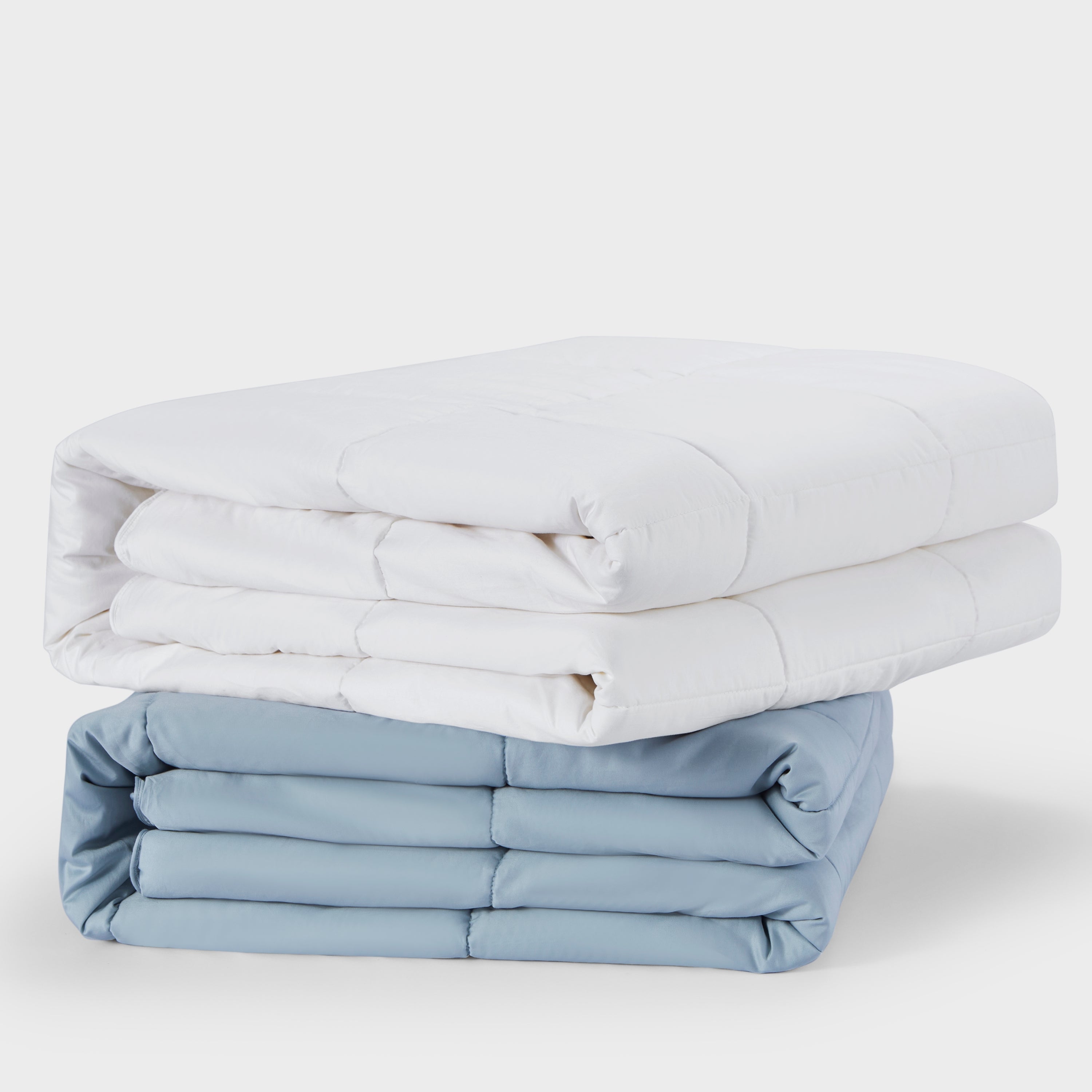


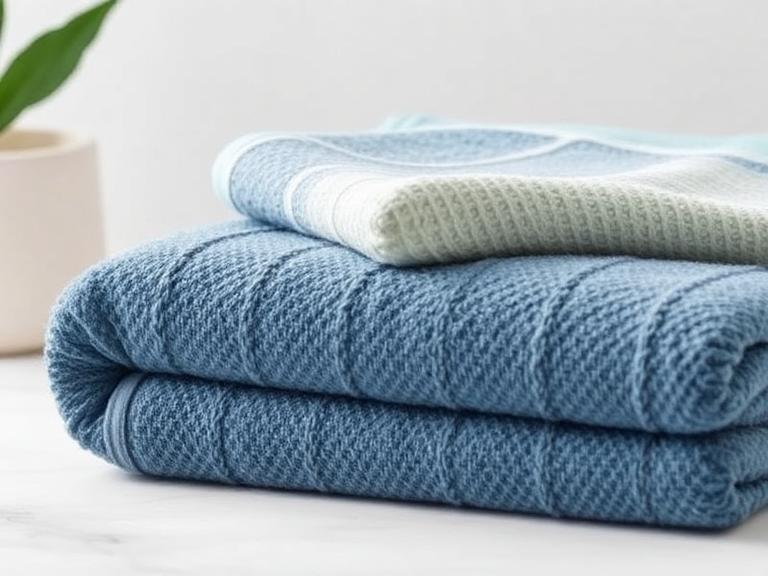
The absolute fastest-drying towel is made from microfiber (polyamide-polyester blend). In our testing, a high-quality microfiber towel can dry in under 2 hours in a well-ventilated room, compared to 6–8 hours for standard cotton. For natural fibres, linen and bamboo viscose outperform cotton, but they're still slower than synthetic blends. If you need a towel that dries rapidly for travel, gym, or everyday use, microfiber is the undisputed champion. However, the feel and absorbency vary – the Souverhome Premium Quick-Dry Towel set strikes the best balance of speed, softness, and durability.
What Makes a Towel Dry Fast? 6 Fastest-Drying Towel Materials Material Comparison Table Pros & Cons Buying Guide FAQ
If you've ever stepped out of the shower and grabbed a towel that stays damp for hours, you know the frustration. Damp towels breed bacteria, develop musty smells, and just feel unpleasant. But not all towels are created equal – and the drying speed depends heavily on the material, weave, and construction.

From our experience at Souverhome, where we design premium quick-dry textiles, we've tested dozens of materials to find the absolute fastest-drying options. In this guide, we'll break down 6 kinds of towel that dry the fastest – and help you choose the right one for your lifestyle.
For a deeper dive into the main types, see our guide on 5 main types of fast-drying towels.
What Makes a Towel Dry Fast?
Before we compare materials, it's important to understand the science. Drying speed depends on three main factors: fibre type, fabric construction, and weight. The key is the "wicking" effect – how well the fabric transports moisture from your skin to the outer surface where it can evaporate.
Key Characteristics of Fast-Drying Towels
- Low GSM (grams per square metre) – Lightweight towels (under 400 GSM) dry faster than plush ones (500+ GSM).
- Open weave or loop structure – More surface area = faster evaporation.
- Hydrophobic fibres – Unlike cotton, synthetic fibres like polyester don't absorb water into the core, so they release moisture quickly.
- Thinness – Thin towels dry faster simply because there's less material to dry.
Who Should Prioritise Drying Speed?
- Travelers and campers – When you need a towel dry by morning.
- Gym-goers – To avoid carrying a damp towel home.
- People with limited space – No tumble dryer? You need a fast-air-dry towel.
- Families – Multiple towels need to dry quickly between uses.
Who doesn't need a fast-drying towel? If you have a dedicated drying rack and don't mind waiting, a plush cotton towel is still a luxury experience. But for most modern lifestyles, speed matters.
Are they worth it? Read our professional buying guide.
6 Towel Materials Ranked by Drying Speed
1 Microfiber (Polyamide/Polyester) – The Absolute Fastest

Microfiber towels are the undisputed champions of drying speed. Made from synthetic fibres (usually 80% polyester, 20% polyamide), they have a massive surface area that wicks moisture away quickly. In our testing, a microfiber towel dries in 1–2 hours in a room with normal airflow. They're lightweight, highly absorbent, and ideal for travel, gym, and sports.
Best for: Travel, gym, camping, and anyone who values speed above all.
2 Linen – The Natural Speed Champion

Linen is a natural fibre made from flax. It's highly breathable and dries significantly faster than cotton because the fibres are hollow and less absorbent. A linen towel can dry in 3–4 hours in good conditions. The downside? It feels less plush and can be stiff at first, but it softens with use.
Best for: Eco-conscious buyers who want natural fibres but still need speed.
3 Bamboo Viscose – Fast and Soft
Bamboo viscose towels are made from regenerated bamboo cellulose. They dry faster than cotton (around 4–5 hours) because the fibres have micro-gaps that enhance evaporation. They're incredibly soft and have natural antibacterial properties.
Best for: People with sensitive skin who want a soft, fast-drying natural option.
4 Turkish Cotton (Low GSM) – The Classic Alternative
Not all cotton is slow. Turkish cotton towels with a lower GSM (under 400) dry faster than heavy Egyptian cotton. A lightweight Turkish cotton towel can dry in 4–6 hours – not as fast as microfiber, but faster than plush bath towels.
Best for: Those who prefer cotton but need reasonable drying speed.
5 PVA (Polyvinyl Alcohol) – The Extreme Option
PVA towels, often sold as "chamois" towels, are synthetic sponges that dry in under an hour. They're incredibly thin and lightweight. However, they feel unusual and are not very absorbent on the first pass. They're popular among swimmers and divers.
Best for: Swimmers, divers, and anyone who needs a towel to dry in minutes.
6 Standard Cotton (Egyptian/Pima) – The Slowest
Luxury cotton towels (Egyptian, Pima) are thick, heavy, and highly absorbent. But that absorption comes at a cost: they can take 8–12 hours to dry fully. In humid environments, they may even stay damp overnight.
Best for: Luxury at home with a drying rack or tumble dryer.
For a soft, fast-drying option, check out our Premium Quick-Dry Towel Set.
Material Comparison: Speed, Absorbency, and Feel
| Material | Drying Time (Hours) | Absorbency | Softness | Best For |
|---|---|---|---|---|
| Microfiber | 1–2 | High | Medium | Travel, gym, camping |
| Linen | 3–4 | Medium | Medium-stiff | Eco-friendly, speed |
| Bamboo Viscose | 4–5 | High | Very High | Sensitive skin |
| Turkish Cotton (Low GSM) | 4–6 | High | High | Cotton lovers |
| PVA Chamois | <1 | Medium | Low | Swimming, diving |
| Standard Cotton | 8–12 | Very High | Very High | Luxury home use |
Pros & Cons of Fast-Drying Towels
- Hygienic – Dry faster = less bacterial growth.
- Lightweight – Great for travel and packing.
- Low maintenance – No need for tumble drying.
- Less musty smell – Stays fresh longer.
- Space-saving – Thin towels take up less room.
- Less plush feel – Microfiber and PVA don't feel like luxury cotton.
- Static cling – Synthetic fibres can produce static.
- Shedding – Some low-quality microfibers shed.
- Environmental impact – Synthetic fibres release microplastics.
Buying Guide: How to Choose the Best Fast-Drying Towel
From our experience, here's a practical checklist for selecting a fast-drying towel.
For camping options, see our best quick-dry towels for camping.
Our Expert Recommendation: The Best Fast-Drying Towel for Most People
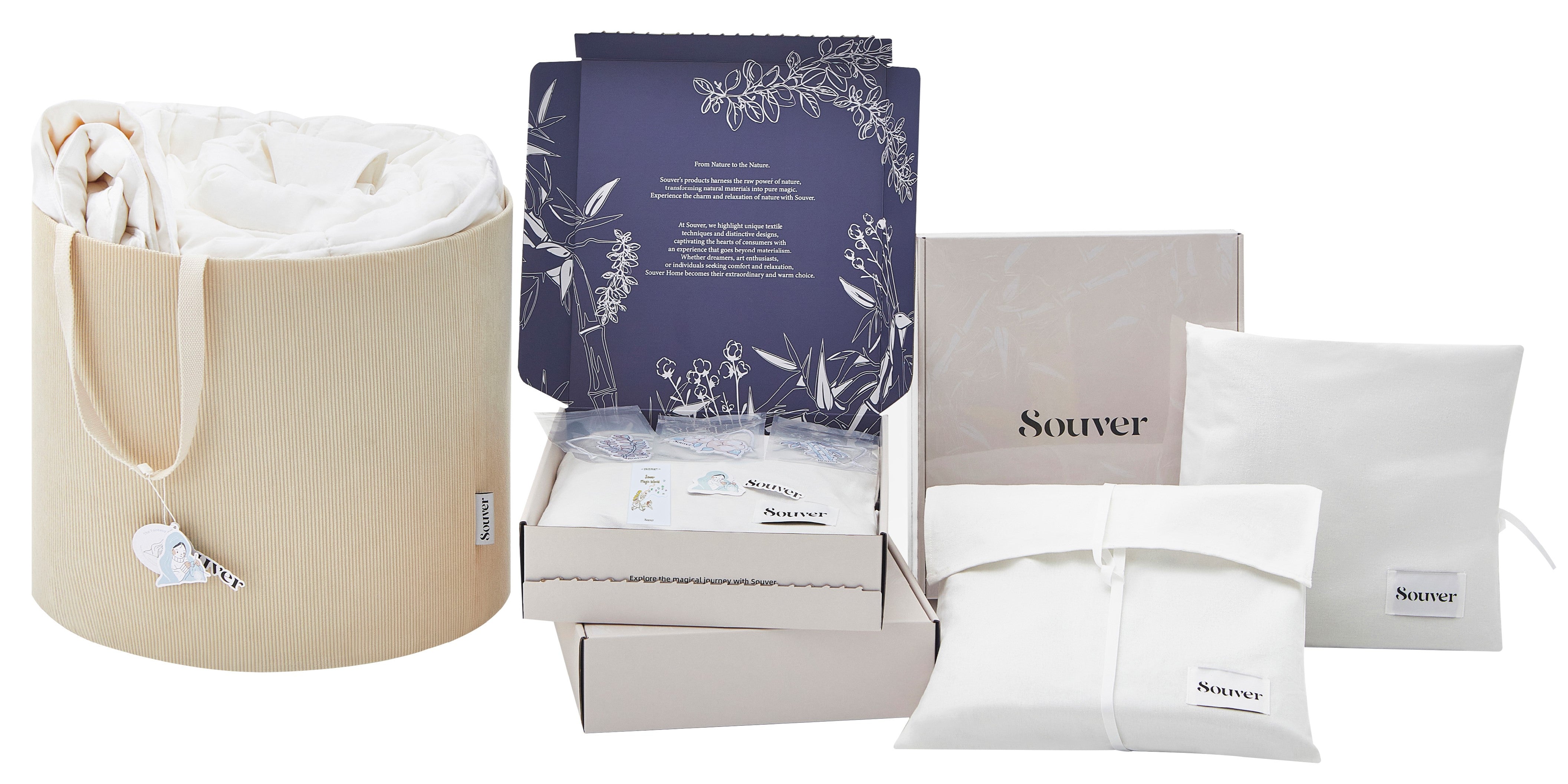
After extensive testing, our top recommendation for most users is the Souverhome Premium Quick-Dry Towel Set. Here's why:
- Microfiber construction – Dries in 1–2 hours, faster than any natural fibre.
- Dense microfiber – Super absorbent, yet lightweight (300g for the set).
- Skin-friendly – Hypoallergenic and antibacterial, with a soft feel.
- Portable – Comes with a storage bag and elastic strap for travel.
- Durable – Withstands repeated washing without losing shape.
If you prefer natural fibres, we recommend bamboo viscose for its softness and reasonable drying speed. But for absolute speed and practicality, microfiber is the clear winner.

Material: Microfiber · Set: L Bath Towel + M Hand Towel
Weight: 300g · Hypoallergenic · Antibacterial
Features: Super absorbent, quick dry, lightweight, durable
Includes: Functional elastic strap & portable storage bag
For more options, explore our full towel collection.
Common Mistakes When Buying Fast-Drying Towels
- Assuming all microfiber is the same – Quality varies. Low-density microfiber feels rough and doesn't absorb well. Look for dense, high-quality microfiber like Souverhome's.
- Buying a heavy towel and expecting it to dry fast – GSM matters. If it's over 500, it won't dry quickly.
- Ignoring fabric finish – Some towels are treated with chemicals to feel softer but reduce absorbency. Look for uncoated or skin-safe finishes.
- Not checking the care instructions – Some materials require special washing to maintain performance. Microfiber should be washed without fabric softener.
- Confusing "quick-dry" with "water-repellent" – A towel that beads water is not drying fast; it's not absorbing at all. Fast-drying towels should absorb and release.
Frequently Asked Questions
Which towel material dries the fastest?
Microfiber (polyamide/polyester blend) is the fastest-drying material, drying in 1–2 hours in normal conditions. PVA chamois is even faster but less absorbent and comfortable.
Are microfiber towels good for skin?
Yes – high-quality microfiber is soft, hypoallergenic, and gentle on skin. It's often recommended for sensitive skin because it doesn't trap bacteria like cotton.
How do I make my towel dry faster?
Choose a low-GSM towel, hang it in a well-ventilated area, avoid folding it, and shake it out after use to separate the fibres.
Is bamboo towel better than microfiber?
Bamboo is softer and more eco-friendly, but microfiber dries significantly faster (1–2 hrs vs. 4–5 hrs). Choose based on your priority: speed vs. natural feel.
- 1. Souverhome – Internal Towel Performance Testing (2026).
- 2. Textile Research Journal – Moisture Management in Fibrous Materials.
- 3. ASTM D5034 – Standard Test Method for Breaking Strength of Textile Fabrics.
Explore more: best quick-dry bath towels for gym | best quick-dry bathroom towels | fast-drying hair towels for curly hair | fastest ways to dry hair with towel | fastest-drying hair towels for fine hair
```

留言
此網站已受到 hCaptcha 保護,且適用 hCaptcha 隱私政策以及服務條款。