


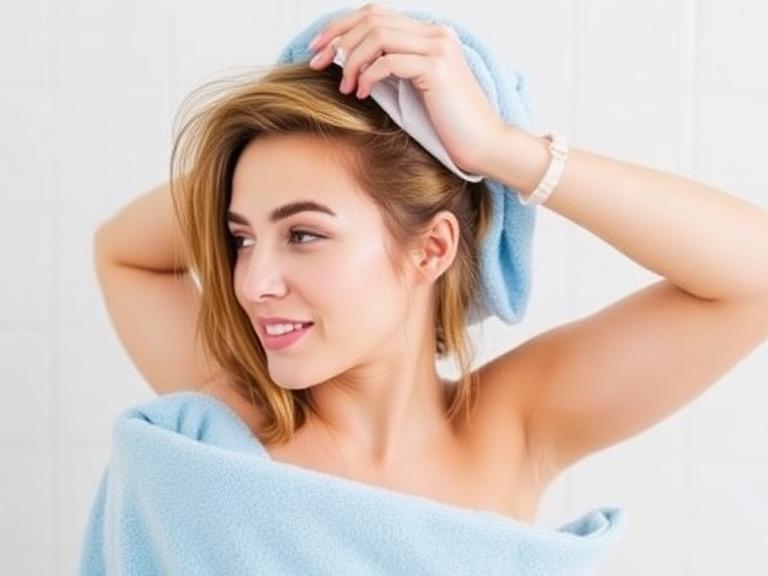
Every morning, millions of individuals waste valuable time wrestling with heavy, dripping wet hair. In most professional situations, time is a luxury you cannot afford to waste. Furthermore, relying on high-heat blow dryers immediately after stepping out of the shower causes irreversible structural damage to your hair cuticles. We frequently see consumers attempting to aggressively rub their hair dry using standard cotton bath towels—a practice that induces severe friction, mechanical breakage, and uncontrollable frizz.
From our experience in textile engineering and daily wellness products at Souverhome, the traditional cotton terry towel is an archaic tool for hair care. The fastest way to dry hair with towel does not involve brute force; it requires the strategic application of advanced capillary action using the correct materials. In this comprehensive guide, we dissect the physics of water absorption, outline the precise sequence of steps required to accelerate your drying time, and provide commercial and practical judgment on the hardware you need to protect your hair's integrity.

Quick Answer: The Fastest Way to Dry Hair with Towel
The fastest way to dry hair with towel involves five strict steps utilizing advanced textiles:
1) Manually squeeze excess water from the hair while still in the shower.
2) Abandon traditional cotton and upgrade to a high-density microfiber towel.
3) Blot and press the hair—never aggressively rub.
4) Utilize the "plopping" technique or wrap the hair securely to allow capillary action to extract moisture.
5) Limit the towel wrap time to exactly 10-15 minutes before finishing with an air dry or low-heat diffuser. Achieving this rapid drying speed without mechanical damage strictly requires ditching heavy bath towels in favor of specialized microfiber.
Table of Contents
- The 5 Fastest Ways to Dry Hair with a Towel
- What It Is: The Science of Hair Drying
- How Advanced Textiles Work
- Benefits of Proper Towel Drying
- Limitations to Consider
- Who Should Use This Method
- Common Mistakes that Cause Damage
- Critical Buying Considerations
- Essential Comparison Tables
- Expert Recommendation & Hardware
- The Bottom Line
- Frequently Asked Questions
- References
The 5 Fastest Ways to Dry Hair with a Towel (The Process)
Executing the fastest way to dry hair with towel requires procedural discipline. If you skip steps or use the wrong textile, you will remain frustrated with damp, frizzy hair. Here is the exact protocol we recommend for daily use.
1. The In-Shower Water Extraction
Before any fabric touches your head, you must conduct a mechanical extraction. While still standing in the shower, use your hands to gently squeeze the water out of your hair, working from the roots down to the tips. Do not wring or twist the hair, as wet hair is in a compromised, highly elastic state known as hygral fatigue. This initial squeeze removes up to 30% of the surface water instantly.
2. The Microfiber Upgrade (The Material Switch)
You cannot execute a rapid dry with a standard cotton bath towel. Cotton terry loops are too thick and coarse; they repel water initially and then become heavy and saturated, pulling on your hair roots. You must switch to a dense microfiber towel. Microfiber strands are split during manufacturing, creating millions of microscopic crevices that draw water away from the hair shaft at an accelerated rate.
3. The Blot and Squeeze Technique
Once you step out of the shower, take your microfiber towel and wrap it around sections of your hair. Press firmly and squeeze. Never rub. Rubbing ruffles the hair cuticle, creating friction that leads to severe frizz and split ends. The goal is to let the microfiber's capillary action pull the water out simply through firm compression.
4. The "Plopping" or Wrapping Method
For commercial users seeking efficiency, or those with curly and wavy hair, "plopping" is an industry-standard technique. Lay your microfiber towel flat, flip your head forward, and gently lower your hair onto the center of the towel so it coils naturally. Secure the towel at the nape of your neck. This method not only extracts water rapidly but also preserves your natural curl pattern and prevents the heavy weight of wet hair from stretching out your roots.
5. The 10-Minute Timed Release
A common misconception is that you should leave your hair wrapped for hours. In our testing, leaving hair trapped in a damp towel for longer than 15 minutes creates a humid microclimate against your scalp, which can lead to fungal issues and scalp irritation. The microfiber will absorb its maximum capacity within 10 to 15 minutes. After this window, remove the towel and allow the slightly damp hair to air dry, or proceed with a low-heat styling tool.
What It Is: The Science of Hair Drying
The fastest way to dry hair with towel is a mechanical process governed by textile physics. When hair is wet, the protective outer layer (the cuticle) swells and lifts. In this state, the hair is highly vulnerable to mechanical trauma. Traditional drying relies on ambient evaporation or forced heat (blow drying), which rapidly boils the water inside the hair shaft, causing "bubble hair" and severe internal damage.
Advanced towel drying utilizes high-density synthetic fibers to execute capillary action. By using a specialized textile, you are relying on the fabric's physical structure to draw water away from the hair without requiring damaging heat or abrasive friction.
How Advanced Textiles Work
Standard cotton fibers are relatively large and cylindrical. They absorb water slowly and hold onto it, meaning the towel quickly becomes a wet, heavy weight on your head. Microfiber, typically composed of a polyester and polyamide blend, consists of fibers finer than a human hair. These fibers are split to create an asterisk-like shape. When wet hair comes into contact with these split fibers, the water is rapidly wicked into the vast surface area of the microscopic channels. This is why a lightweight microfiber towel can absorb up to seven times its weight in water, achieving the fastest way to dry hair with towel.
Benefits of Proper Towel Drying
Transitioning from a standard bath towel to a dedicated hair-drying protocol yields immense benefits:
- Drastic Time Reduction: Cuts natural air-drying time by up to 50%, freeing up your morning routine.
- Frizz Elimination: By avoiding the harsh friction of cotton terry cloth, the hair cuticle remains flat and smooth.
- Heat Damage Prevention: Removing maximum moisture manually means you spend significantly less time exposing your hair to a 400-degree blow dryer.
- Reduced Neck Strain: Specialized hair towels are exceptionally lightweight, eliminating the neck fatigue caused by balancing a massive, wet bath towel on your head.
Limitations to Consider
We believe in practical judgment: a towel will not magically style your hair. While it is the fastest way to dry hair with towel, it will not bring your hair to a 100% bone-dry state. It brings it to an optimal 80% dry state. If you require a sleek, blowout aesthetic for a professional setting, you will still need to utilize a hair dryer and a round brush for the final styling phase. Additionally, microfiber requires specific laundering—using fabric softeners will clog the microscopic pores and destroy the towel's absorbency.
Who Should Use This Method & Who Does Not Need It
Who Should Use It: We highly recommend this methodology for individuals with long, dense, curly, or chemically treated hair. Damaged hair is highly porous and takes exponentially longer to dry; it also cannot withstand the trauma of high-heat styling tools. For these individuals, a specialized drying routine is mandatory.
Who Does Not Need It: For beginners or individuals with buzz cuts or extremely short hair (under 2 inches), investing in specialized hair-drying textiles is unnecessary. A quick pat with a standard bath towel is sufficient, as the volume of water retained by short hair is negligible.
Common Mistakes that Cause Damage
The most catastrophic mistake we observe is the "vigorous rub." Consumers step out of the shower and aggressively rub a cotton towel back and forth across their scalp. This physically tears the swollen hair cuticles, causing irreversible split ends and a halo of frizz. Another frequent error is tying the hair up in a heavy bath towel turban so tightly that it causes traction alopecia (hair loss due to pulling at the hairline).
Critical Buying Considerations
If you are serious about expediting your morning routine, you must purchase the correct hardware. When evaluating towels, prioritize the following:
- Material Composition: Ensure the towel is a high-grade microfiber (a blend of polyester and polyamide). Avoid 100% cotton terry cloth.
- Size and Weight: The towel must be large enough to encapsulate all your hair, but lightweight enough to not pull on your neck. We recommend looking for dedicated hair sizes rather than standard bath sheets.
- Securing Mechanism: Look for towels that feature an elastic strap or button loop. This prevents the wrap from constantly unraveling while you apply makeup or dress.
Essential Comparison Tables
Quick Summary Table: Hair Drying Methods
| Drying Method | Average Time to 80% Dry | Damage Risk | Frizz Potential |
|---|---|---|---|
| Microfiber Squeeze & Wrap | 10 - 15 Minutes | Very Low | Minimal |
| Standard Cotton Towel Rubbing | 25 - 40 Minutes | Extremely High | Severe |
| High-Heat Blow Drying (from wet) | 15 - 20 Minutes | High (Heat Damage) | Moderate |
| Ambient Air Drying | 2 - 4 Hours | Low | Moderate |
Comparison Table: Microfiber vs. Cotton for Hair
| Feature | Microfiber Hair Towel | Traditional Cotton Bath Towel |
|---|---|---|
| Absorbency Rate | Superior (Wicks moisture instantly) | Poor (Repels water initially) |
| Weight when Wet | Lightweight | Extremely Heavy (Causes neck strain) |
| Friction on Cuticle | Smooth and gentle | Harsh and abrasive |
| Drying Time of Towel | Fast (Ready for next day) | Slow (Prone to mildew) |
Pros and Cons Table: Specialized Hair Towels
| Pros | Cons |
|---|---|
| Drastically reduces overall drying time. | Requires purchasing an additional, specialized bathroom item. |
| Protects hair integrity and reduces breakage. | Cannot be washed with fabric softeners or high heat. |
| Enhances natural curl definition without frizz. | Will not bring hair to a 100% styled, bone-dry state. |
Buying Guide Table: Completing Your Routine
| Goal | Action / Product Required | Why It Matters |
|---|---|---|
| Rapid Water Extraction | High-Density Microfiber Towel | The absolute fastest way to dry hair with towel safely. |
| Nighttime Frizz Prevention | Mulberry Silk Pillowcase | Prevents the friction that destroys your styling while you sleep. |
| Secure Hair without Breakage | Silk Large Scrunchie | Traditional elastics snap damp hair; silk glides effortlessly. |
| Complete Sleep Upgrade | Mulberry Silk Essentials Bundle | A comprehensive approach to protecting hair and skin integrity nightly. |
Expert Recommendation & Hardware
In most professional situations, applying high heat to soaking wet hair is viewed as a cardinal sin in cosmetology. To safely achieve the fastest way to dry hair with towel, you must upgrade your hardware. Traditional cotton bath towels are a liability to your hair health.
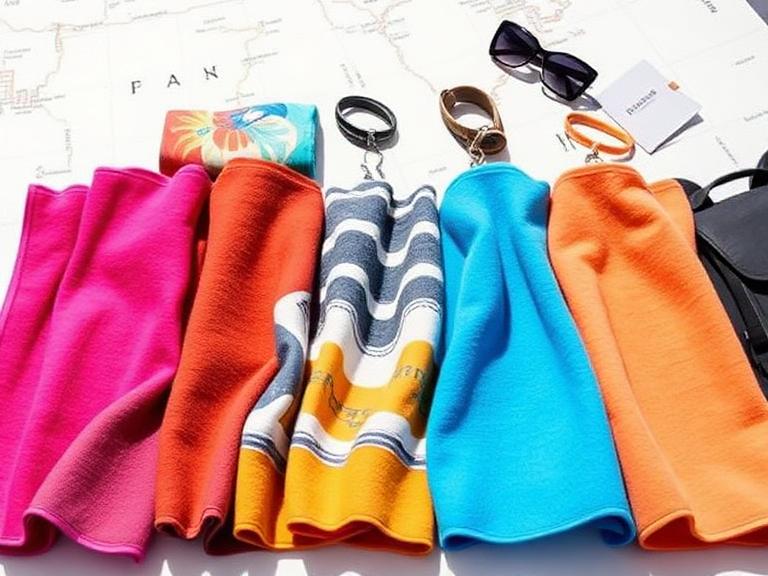
We recommend the Souverhome Quick Dry Towel Premium Set. We engineered this specific microfiber blend to maximize capillary action without inducing friction. It includes a functional elastic strap to secure the wrap effortlessly, allowing you to proceed with your morning routine without the towel collapsing.

Souverhome Quick Dry Towel Premium Set
- Material: Dense Microfiber (Hypoallergenic)
- Size Options: L Bath Towel (31.5in x 51in) + M Hand Towel (31.5in x 23.5in)
- Weight: Premium Set 300g (Ultra Lightweight)
- Properties: Super Absorbent, Quick Dry, Antibacterial Fresh, Skin Friendly
- Design: Superior Edge Security, Functional Elastic Strap, Portable Storage Bag
For those looking to overhaul their entire home comfort experience beyond the bathroom, we suggest evaluating our broader collections. Understanding duvet sizes and dimensions is critical when upgrading your bedroom. For true luxury, integrating a silk filled duvet all seasons alongside your hair care routine guarantees unparalleled rest. Feel free to shop all bedding products to complete your sanctuary.
The Bottom Line
Are specialized towels actually worth buying? Absolutely. The fastest way to dry hair with towel is entirely dependent on the material science of the fabric you are using. Stop subjecting your hair to the abrasive, slow-drying nature of heavy cotton bath sheets. By implementing the "squeeze and blot" method with a premium, high-density microfiber towel, you protect the vulnerable wet cuticle, drastically reduce your morning preparation time, and minimize your reliance on damaging heat styling tools. It is a minor commercial investment that yields daily, compounding dividends for your hair's structural health.
Frequently Asked Questions
Is it bad to leave your hair in a towel for an hour?
Yes, it is highly detrimental. Leaving wet hair wrapped in a towel for prolonged periods traps moisture against the scalp, creating a humid environment that breeds fungal bacteria and causes scalp irritation. Furthermore, hair left in a stretched, wet state for over 15 minutes is highly susceptible to mechanical breakage (hygral fatigue). Remove the towel after 10-15 minutes max.
Can I use a t-shirt instead of a microfiber towel?
Using a 100% cotton t-shirt is significantly better than using a rough terry cloth bath towel because the flat weave of the t-shirt induces less friction on the hair cuticle, reducing frizz. However, a t-shirt lacks the aggressive capillary action and vast surface area of a dedicated microfiber towel, making it a much slower drying method.
How do I clean my microfiber hair towel?
Wash your microfiber towel in cold or warm water with a mild, liquid detergent. You must absolutely avoid fabric softeners and dryer sheets, as the waxy polymers in these products will coat and permanently clog the microscopic split fibers, destroying the towel's absorbency. Tumble dry on low heat or hang it to air dry.
References & Authoritative Standards
To ensure our operational advice aligns with dermatological and textile science standards, we reference the following authoritative organizations:

Leave a comment
This site is protected by hCaptcha and the hCaptcha Privacy Policy and Terms of Service apply.