
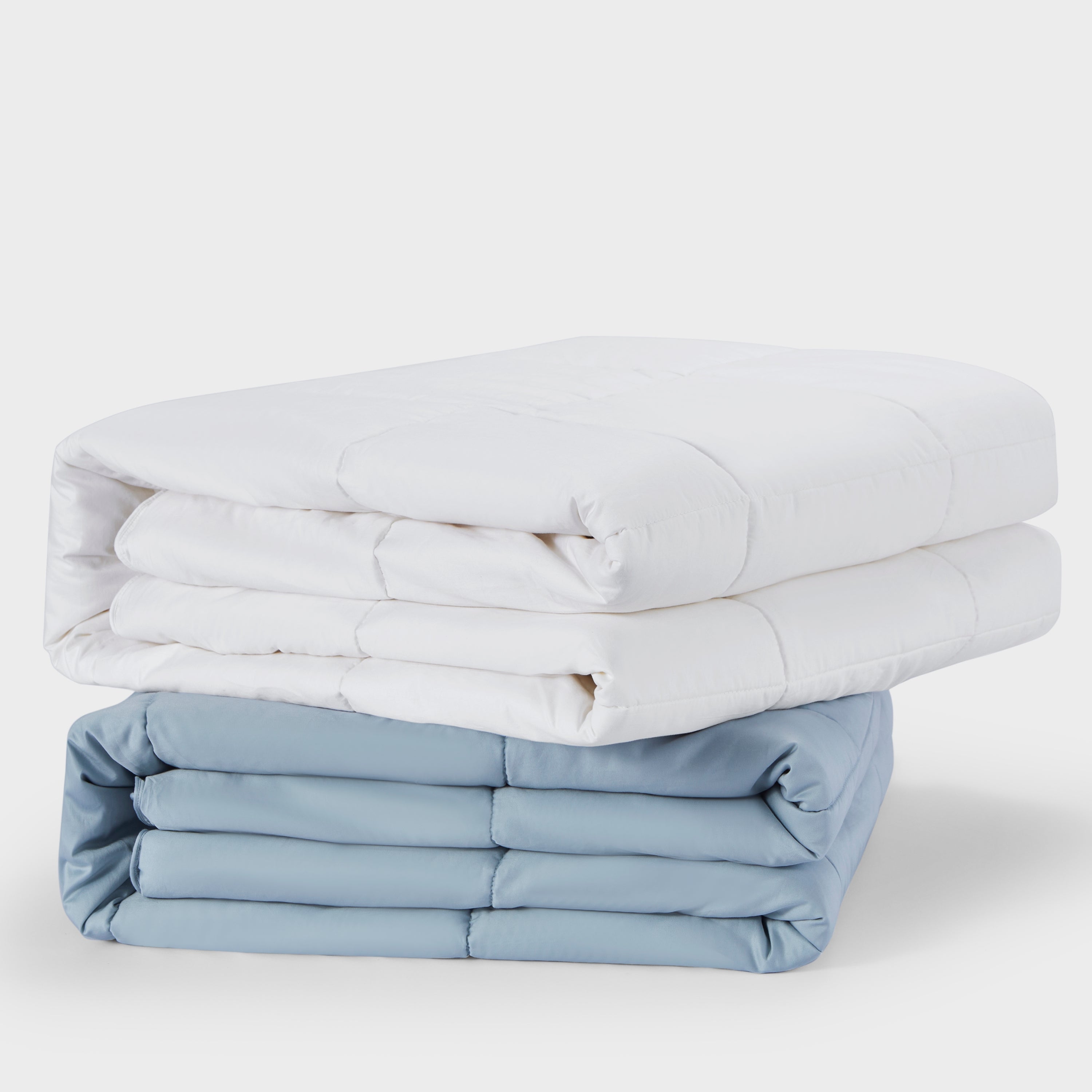
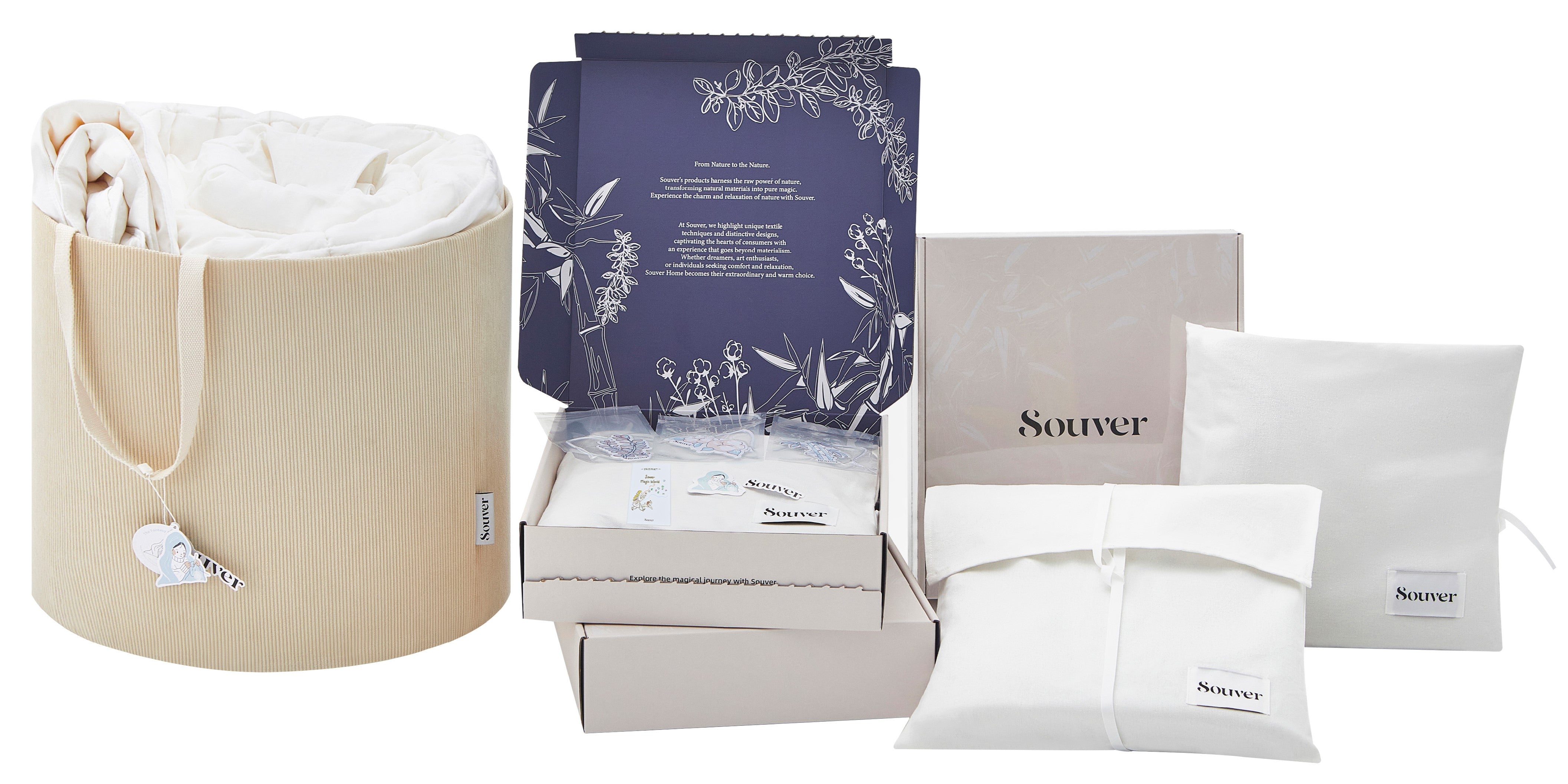




A good faux rabbit fur blanket should do more than look soft in a product photograph. It should feel pleasant against the skin, provide useful warmth, maintain an attractive pile after regular use, and fit naturally into the room. The difference between a convincing faux rabbit fur blanket and an inexpensive novelty throw usually comes down to the construction of the fabric, the stability of its fibers, and how easily the blanket can be maintained.
For shoppers considering a faux rabbit fur blanket, six features deserve particular attention: the quality of the faux fur, thermal comfort, fiber stability, anti-static treatment, knitting construction, and practical versatility. These details matter more than simply choosing the longest or fluffiest pile. From our experience with home-textile product selection, a blanket that balances softness with dependable construction is a better long-term purchase than one designed only to look luxurious on arrival.

Direct Answer: What Makes a Good Faux Rabbit Fur Blanket?
The best faux rabbit fur blanket combines a soft, dense synthetic pile with a stable knitted or textile backing, comfortable insulation, and construction that helps limit shedding. Anti-static treatment can make the surface more comfortable in dry indoor conditions, while secure fiber anchoring helps the blanket retain a cleaner appearance during use.
For everyday home use, we recommend prioritizing fiber stability, touch, warmth, and care requirements over exaggerated claims about pile thickness. If you want a decorative throw for a sofa, appearance and drape matter greatly. If you plan to use the blanket every night, comfort, breathability, washing instructions, and durability should carry more weight.
Quick Answer: Faux Rabbit Fur Blanket
What it is: A soft blanket made with synthetic fibers designed to imitate the appearance and feel of rabbit fur.
How it works: A plush surface traps pockets of air around the fibers, helping retain warmth while creating a soft contact surface.
Main benefits: Soft texture, attractive appearance, cozy warmth, animal-free fur styling, and versatile use around the home.
Limitations: Some versions can shed, attract lint, retain heat, or develop flattened areas if poorly constructed or incorrectly cleaned.
Best for: Sofas, beds, reading corners, cool evenings, and shoppers who want a plush decorative layer without using real fur.
Not essential for: Hot climates, people who prefer lightweight breathable cotton, or households that need a blanket suitable for frequent high-temperature washing.
Our recommendation: Choose a blanket with secure fiber construction, clear care instructions, and a texture that feels comfortable in person or is supported by credible product information.
1. What Is a Faux Rabbit Fur Blanket?
A faux rabbit fur blanket is a textile blanket designed to reproduce the soft, plush appearance of rabbit fur without using animal fur as its surface material. Manufacturers typically use synthetic fibers to create a dense pile with a smooth, velvety hand feel. The exact fiber composition varies by product, so shoppers should check the material label rather than assume every faux fur blanket uses the same construction.
The defining characteristic is the surface. Instead of a flat woven finish, the blanket has raised fibers that create depth, softness, and a visually rich texture. This makes it useful both as a functional layer for warmth and as a decorative accent on beds, sofas, and lounge chairs.
It is important to distinguish faux rabbit fur from genuine rabbit fur. A synthetic imitation does not require animal fur as its pile material, but that does not automatically make every product environmentally harmless. Its overall environmental impact depends on fiber production, manufacturing, product lifespan, washing, and disposal. Responsible buying means checking specific material and sourcing information instead of relying on broad sustainability language.
2. Six Key Features and Design Details of a Faux Rabbit Fur Blanket
Feature 1: Soft, Dense Faux Rabbit Fur Surface
The surface texture is the first feature most shoppers notice. A well-made faux rabbit fur blanket should feel smooth and comfortable rather than coarse, sticky, or excessively slippery. Its pile should look reasonably even, with no obvious thin patches, bald areas, or inconsistent color distribution.
Density matters, but more pile is not automatically better. An extremely deep surface can look impressive while being harder to clean and more likely to trap dust, crumbs, and pet hair. For a blanket used daily, we prefer a balanced pile that feels plush without becoming difficult to maintain.
When assessing softness, consider three things:
- Surface feel: The fibers should feel comfortable against bare skin, especially if the blanket will be used while relaxing.
- Pile consistency: The surface should look reasonably uniform rather than having visibly uneven patches.
- Recovery: After being gently brushed or compressed, the fibers should not remain permanently flattened in normal handling.
For shoppers comparing different types of blankets, faux rabbit fur is best understood as a texture-focused option. It prioritizes a plush hand feel and decorative impact rather than the crisp, lightweight feel of cotton or linen.
Feature 2: Warmth from a Plush Fiber Structure
Faux rabbit fur blankets are popular in colder seasons because their raised fibers can hold pockets of air near the body. This trapped air helps slow heat loss and creates a cozy sensation. The actual warmth depends on the fiber density, backing, overall thickness, and size of the blanket.
For a cold living room, a faux rabbit fur throw can be an effective extra layer over the legs and shoulders. On a bed, it can add warmth and texture over an existing duvet. It should not automatically be treated as a replacement for a properly selected winter comforter, especially if you need substantial insulation through the night.
In most professional situations, we advise buyers to match blanket weight to the room and the intended use. A thick plush blanket may be comfortable in a cool bedroom but unnecessarily warm in a centrally heated apartment. If you tend to overheat while sleeping, a lighter cotton or breathable woven blanket may be more practical.
Feature 3: Root Stabilization and Reduced Shedding
Fiber shedding is one of the most frustrating problems with low-quality plush blankets. Loose fibers can collect on clothing, upholstery, floors, and other bedding. A blanket may look attractive when new but become messy if its pile is poorly anchored to the backing.
Construction methods that stabilize the fiber roots help reduce this problem. Souverhome describes its faux rabbit fur blanket as using a special knitting technique together with a root stabilization process intended to reduce loose fibers and airborne fuzz.
This is a meaningful design consideration because fiber retention affects everyday cleanliness as well as appearance. However, reduced shedding should not be interpreted as a promise that no fiber will ever come loose. Friction, washing, abrasion, and normal aging can still affect a plush textile.
Before buying, look for clear construction information and inspect customer feedback for recurring reports of shedding after unpacking or washing. For a blanket that will be used on a light-colored sofa or bed, fiber stability deserves particular attention.
Feature 4: Anti-Static Treatment for a More Comfortable Surface
Static electricity can make synthetic textiles uncomfortable, particularly in dry indoor environments. A blanket may cling to clothing, produce small static shocks, or attract loose lint. This is more noticeable during winter when indoor humidity is often low and people wear layered synthetic fabrics.
Souverhome states that its faux rabbit fur blanket uses closely woven conductive wires and the principle of corona discharge as part of its anti-static treatment. The intended result is to reduce static buildup during normal use.
For shoppers, the practical question is not whether a product uses an impressive-sounding process. It is whether the treatment contributes to a more comfortable everyday experience. Anti-static performance can vary with humidity, friction, washing, and the surrounding materials. We recommend treating it as a useful feature rather than assuming it makes the blanket permanently static-free.
Feature 5: Knitting Technique and Backing Construction
The surface pile is only one part of a blanket. The backing and the way fibers are attached influence how the product drapes, stretches, and holds together over time.
A stable construction helps distribute tension when the blanket is folded, pulled across a sofa, or wrapped around the body. Poor backing can lead to distortion, uneven edges, or a surface that loses its shape. This is why we recommend looking beyond product photographs and checking whether the manufacturer explains how the textile is constructed.
For daily use, the blanket should feel flexible without seeming flimsy. It should drape naturally over a sofa arm or bed corner rather than behaving like a stiff decorative mat. If the product is intended mainly as a display throw, drape may be less important than surface appearance. For a family room blanket that will be moved frequently, construction deserves greater priority.
Feature 6: Versatile Design for Beds, Sofas, and Relaxation Spaces
A faux rabbit fur blanket is not limited to one room. Its plush surface can soften a minimalist bedroom, add contrast to a leather sofa, or make a reading chair feel more inviting. Neutral shades tend to work well with natural wood, warm whites, beige upholstery, and darker contemporary interiors.
Think about how the blanket will be displayed when it is not being used. A throw folded across the foot of a bed creates a different effect from one casually draped over a sofa. The size, color, and pile direction all influence the final look.
If you are buying a blanket for a bedroom, compare your preferred dimensions with this blanket sizes chart. A throw that looks generous in a product image may be too small to cover a mattress properly. For a broader selection of textures and styles, browse the Souverhome blanket collection.
3. How Does a Faux Rabbit Fur Blanket Work?
A faux rabbit fur blanket creates its soft, warm feel through the interaction of its fibers and textile backing. The raised fibers form a plush surface. When the blanket rests against the body, the pile creates small spaces that can hold still air. This contributes to insulation and the cozy sensation associated with fur-like textiles.
The backing supports the pile and gives the blanket its structure. The way the fibers are knitted, woven, or otherwise secured affects how well they stay attached during handling. Anti-static treatments, when applied, are intended to reduce the buildup of electrical charge caused by friction.
These features work together, but none can compensate for poor overall construction. A very soft surface with weak fiber anchoring may shed. A dense blanket with an uncomfortable backing may not be pleasant to use. A thick throw may provide warmth but feel too heavy in a heated room.
4. Benefits and Limitations: Is a Faux Rabbit Fur Blanket Worth Buying?
Benefits
- Comfortable texture: A quality plush surface offers a soft, cozy feel for lounging and relaxing.
- Decorative impact: The raised pile adds visual depth to a bedroom or living room.
- Additional warmth: The fiber structure can help retain warmth during cool evenings.
- Animal-fur alternative: It provides a fur-inspired appearance without using genuine rabbit fur as the pile material.
- Flexible styling: It can be used as a sofa throw, bed accent, or extra layer in a reading space.
- Potentially easier sourcing: Synthetic textiles are widely available in different colors, sizes, and finishes.
Limitations
- Heat retention: A dense plush blanket may feel too warm in summer or heated rooms.
- Maintenance: Long or dense fibers can collect lint, dust, and pet hair.
- Shedding variation: Poorly secured fibers may loosen during use and cleaning.
- Static: Synthetic fibers can still develop static under dry conditions, even when treated.
- Environmental trade-offs: Many synthetic fibers are plastic-based and may release microfibers during washing.
- Texture changes: Incorrect washing, excessive heat, or rough handling can flatten or damage the pile.
Is it worth buying? Yes, if you want a plush decorative blanket for a cool room and are prepared to follow its care instructions. It is less compelling if you need a lightweight, highly breathable blanket for warm weather or a textile that can withstand frequent aggressive washing.
5. Faux Rabbit Fur vs Other Blanket Materials
Faux rabbit fur is not automatically the best blanket material for every household. The right choice depends on temperature, texture preference, maintenance habits, and budget. The comparison below focuses on practical use rather than suggesting that one material is universally superior.
| Material | Feel and Appearance | Warmth | Maintenance Considerations | Best Use |
|---|---|---|---|---|
| Faux rabbit fur | Plush, smooth, fur-like surface | Generally warm | Protect pile; follow care label; may attract lint | Decorative throws and cool-weather lounging |
| Cashmere | Fine, soft, lightweight luxury feel | Warm for its weight | Usually requires gentle care | Premium lightweight warmth |
| Cotton | Natural, breathable, often flatter texture | Light to moderate | Often easier to wash, depending on construction | Everyday use and warmer rooms |
| Wool | Textured, natural, insulating | Warm | Care varies by fiber and weave | Cool climates and traditional interiors |
| Fleece | Soft, lightweight synthetic surface | Moderate to warm | Can attract lint and develop static | Casual everyday use |
| Chenille | Textured, soft, decorative | Varies by weight | May snag or flatten depending on construction | Decorative throws and living spaces |
For shoppers who prioritize a refined natural-fiber feel, a cashmere throw blanket may be a better fit. If you prefer a classic woven look, compare it with a cashmere plaid throw blanket. If the main goal is a plush, fur-inspired surface for a sofa or bed, faux rabbit fur is the more direct choice.
6. Quick Summary Table: What to Check Before Buying
| Feature | Why It Matters | What We Recommend |
|---|---|---|
| Surface softness | Determines how comfortable the blanket feels against skin | Look for a smooth, consistent pile without rough patches |
| Fiber density | Affects appearance, touch, and warmth | Choose balanced density rather than maximum thickness |
| Fiber stability | Influences shedding and long-term appearance | Check construction details and shedding feedback |
| Anti-static treatment | Can improve comfort in dry indoor conditions | Consider it a useful extra, not a permanent guarantee |
| Backing construction | Supports the pile and helps preserve shape | Choose a stable, flexible backing |
| Size and weight | Determines practical coverage and ease of use | Match dimensions to the bed, sofa, or intended user |
| Care instructions | Influences maintenance effort and product lifespan | Read the label before purchase and follow it consistently |
7. Pros and Cons of a Faux Rabbit Fur Blanket

| Pros | Cons |
|---|---|
| Soft, plush surface suitable for relaxing | May feel too warm in hot or humid conditions |
| Creates a rich decorative look | Can require more careful cleaning than flat-woven blankets |
| Provides an extra layer of warmth | Low-quality versions may shed or lose pile consistency |
| Offers a fur-inspired look without genuine rabbit fur | Synthetic fibers have environmental trade-offs |
| Works across bedrooms, sofas, and reading spaces | Dense fibers can collect lint and pet hair |
Our view is straightforward: a faux rabbit fur blanket is worth the purchase when its texture and appearance are important to you and the construction supports regular use. It is not the most practical option for every climate or every cleaning routine. Buyers who understand that trade-off are more likely to be satisfied.
8. How to Choose the Right Faux Rabbit Fur Blanket
Start with the Intended Use
Decide whether the blanket is primarily for warmth, decoration, or both. A sofa throw used during evening relaxation should be easy to move and comfortable against the skin. A bed accent can prioritize appearance and dimensions. A blanket intended for daily sleeping needs more attention to breathability, coverage, and maintenance.
Check Size Before Color
Size affects usability more than many shoppers expect. A small throw may be ideal for one person sitting on a chair but frustrating when shared on a sofa. A blanket intended to cover the foot of a bed should be wide enough to create the look you want without constantly slipping off.
Measure the furniture or bed before ordering. Do not assume that the words "throw," "queen," or "king" guarantee identical dimensions across brands. Use the actual product measurements and compare them with the blanket size guide.
Look for Construction Details, Not Just Marketing Terms
Terms such as premium, luxury, ultra-soft, and high-density are not enough to evaluate quality. Look for specific information about the fiber composition, backing, knitting or weaving method, fiber anchoring, and care requirements.
If the product description mentions anti-static treatment or reduced shedding, check whether it explains the construction behind those features. Specific manufacturing information is more useful than an unsupported promise of perfect performance.
Consider Your Household
For homes with pets, a dense plush surface may collect hair and require more frequent maintenance. If you have children, check whether the care instructions are realistic for your household. For people with sensitivities to dust or textile fibers, consider how easily the blanket can be cleaned and whether the pile is suitable for the intended environment.
Compare Price with Construction and Use
A higher price does not guarantee better performance. However, an unusually cheap blanket may cut costs through thinner pile, weaker backing, or less secure fiber attachment. Compare products by construction, dimensions, care requirements, and credible reviews rather than price alone.
For buyers considering a blanket as a long-term home accessory, we recommend paying for features that influence daily comfort and maintenance. Decorative details are valuable, but stable construction is what makes the purchase worthwhile over time.
9. How to Care for a Faux Rabbit Fur Blanket
Care instructions vary by fiber composition, backing, dyes, and manufacturing method. Always follow the product label first. General faux-fur care practices can help preserve the surface, but they should not override the manufacturer's instructions.
Before the First Use
- Unpack the blanket and allow it to air out in a clean, ventilated space.
- Gently shake it to release loose packaging fibers or surface lint.
- Check the care label before attempting to wash or spot-clean it.
During Regular Use
- Shake the blanket gently to remove loose dust and crumbs.
- Keep it away from rough surfaces that may snag or pull the pile.
- Do not place heavy objects on the same area for long periods.
- Use a suitable soft brush only if the care instructions allow it.
When Cleaning Is Necessary
- Check whether the blanket is machine washable or requires professional cleaning.
- Use only the recommended water temperature and detergent.
- Avoid bleach and aggressive stain removers unless specifically approved.
- Do not apply high heat unless the care label explicitly permits it.
- Make sure the blanket is fully dry before storing it.
One common mistake is assuming that all synthetic blankets can be washed in the same way. A faux fur pile can become matted or distorted under unsuitable heat, agitation, or drying conditions. Gentle handling is usually the safer approach, but the product label remains the final authority.
10. Souverhome Faux Rabbit Fur Blanket: A Product Worth Considering
For shoppers who want a plush throw with specific construction features, Souverhome offers a faux rabbit fur blanket designed around softness, warmth, and a more stable surface. Its product description highlights a special knitting technique, root stabilization process, and anti-static treatment. These are relevant features because they address common concerns with plush synthetic blankets: loose fibers, surface comfort, and static buildup.

Souverhome Faux Rabbit Fur Blanket
$115.00 USD
This blanket is made with a faux rabbit fur surface intended to provide a soft, warm, comfortable feel. Souverhome describes its construction as using a special knitting technique and root stabilization process to help reduce shedding.
The product also features an anti-static treatment intended to make everyday use more comfortable. Its versatile styling makes it suitable for a sofa, bedroom, or relaxing space.
View the Faux Rabbit Fur BlanketWhy These Features Matter
Softness and warmth: The faux rabbit fur surface is designed for a plush, comforting feel. This makes it a suitable option for cool evenings, reading, or adding a softer layer to a living room.
Root stabilization: Souverhome highlights a fiber stabilization process intended to reduce loose fibers and airborne fuzz. This directly addresses one of the practical concerns buyers should consider when choosing plush textiles.
Anti-static treatment: The stated use of closely woven conductive wires and corona discharge principles is intended to reduce static buildup. This may be especially relevant in dry indoor environments, although real-world results can vary with humidity and use.
Versatile styling: The blanket can be used as a functional layer or as a decorative accent. A walnut-toned faux fur surface can work particularly well with warm neutrals, natural wood, and understated furniture.
At $115, the decision should come down to whether these features match your priorities. We recommend checking the current product dimensions, material details, and care instructions before ordering. If you want a soft, fur-inspired accent with an emphasis on construction details, it is a relevant option to compare.
Souverhome's wider range also includes other blanket styles for shoppers who prefer different materials and textures. If you are still comparing options, its guides to popular blanket brands and luxury blanket brands can help you evaluate different approaches to comfort and design.
11. Common Mistakes When Buying a Faux Rabbit Fur Blanket
Mistake 1: Choosing Only by Appearance
Product photography can make almost any plush blanket look luxurious. But a beautiful surface does not tell you whether the fibers are secure, the backing is stable, or the blanket is easy to care for. Check construction information and customer feedback before deciding.
Mistake 2: Assuming Thicker Always Means Better
A very thick blanket may provide more warmth, but it can also feel heavy and retain too much heat. For a centrally heated home, a medium-weight option may be more comfortable than the thickest product available.
Mistake 3: Ignoring the Care Label
Buyers sometimes choose a blanket without checking how it should be cleaned. If you need a textile that can go through frequent machine washing, make sure the product is specifically suitable for that routine.
Mistake 4: Treating Anti-Static Claims as Permanent
Anti-static treatments can help, but static is affected by humidity, friction, and surrounding fabrics. Do not expect a synthetic blanket to remain completely static-free in every environment.
Mistake 5: Buying the Wrong Size
A throw that is too small may look awkward on a large sofa or fail to provide useful coverage. Measure the intended space before ordering and check the manufacturer's stated dimensions.
Mistake 6: Assuming Every Faux Fur Product Is Environmentally Friendly
Using synthetic fur instead of genuine animal fur avoids using animal fur as the pile material, but synthetic textiles still have environmental considerations. Look for transparent information about fiber composition, manufacturing, product durability, and care. Avoid treating general eco-friendly wording as proof of a product's full environmental performance.
12. Expert Recommendation: Who Should Buy a Faux Rabbit Fur Blanket?
For beginners: Start with a versatile size and a neutral color that works with existing furniture. Prioritize softness, stable construction, and clear care instructions instead of paying extra for decorative features you may rarely notice.
For everyday home users: Choose a balanced pile and practical dimensions. A blanket that is comfortable to move, fold, and clean will be more useful than an oversized decorative piece that rarely leaves the bed.
For design-focused shoppers: Consider how the texture and color will work with upholstery, bedding, and lighting. Faux rabbit fur can add contrast to smooth surfaces and make a minimalist room feel warmer.
For households with pets: Think carefully about pile length and maintenance. Plush fibers may collect hair, so check whether the surface can be cleaned using methods that are realistic for your routine.
For warm climates: A faux rabbit fur blanket may be better as an occasional decorative throw than as an everyday sleeping layer. Cotton or a lighter woven blanket may be a more practical primary option.
Our final recommendation: Buy a faux rabbit fur blanket when you genuinely want its soft texture, warm feel, and decorative character. Do not buy one simply because it looks luxurious in a photograph. The best choice is a product with a comfortable surface, secure construction, suitable dimensions, and care requirements you can realistically follow. Souverhome's faux rabbit fur blanket is worth considering if its stated anti-static and fiber-stabilization features align with what you want from a plush home textile.
13. Frequently Asked Questions
1. What is a faux rabbit fur blanket made of?
A faux rabbit fur blanket is made with synthetic textile fibers designed to imitate the soft appearance and feel of rabbit fur. The exact fiber composition varies by product, so check the material label or product specifications for details.
2. Is a faux rabbit fur blanket warm?
Yes. Its raised fibers can trap pockets of air and help retain warmth, making it useful for cool evenings and indoor lounging. Actual warmth depends on pile density, backing, thickness, and overall construction.
3. Does a faux rabbit fur blanket shed?
Some products may shed, particularly if their fibers are poorly secured or the blanket is handled or washed incorrectly. Look for construction details such as fiber anchoring or root stabilization, and check customer feedback for repeated shedding complaints.
4. How do I stop my faux rabbit fur blanket from becoming matted?
Follow the manufacturer's care instructions, avoid unsuitable heat, and handle the pile gently. Do not use aggressive brushing or drying methods unless the care label permits them. Proper storage and avoiding prolonged compression can also help preserve the surface.
5. Are faux rabbit fur blankets suitable for summer?
They can be used as decorative throws in summer, but dense versions may feel too warm for sleeping in hot weather. If you need a lightweight blanket for warm nights, consider cotton or another breathable material.
6. Is faux rabbit fur the same as real rabbit fur?
No. Faux rabbit fur uses synthetic fibers to imitate the appearance and feel of rabbit fur. Genuine rabbit fur comes from an animal. The two materials differ in composition, sourcing, care, and environmental considerations.
7. Does anti-static treatment make a blanket completely static-free?
Not necessarily. Anti-static treatments are intended to reduce static buildup, but performance can vary with humidity, friction, washing, and the surrounding fabrics. It is more accurate to view this as a comfort-enhancing feature than a permanent guarantee.
8. Can I machine wash a faux rabbit fur blanket?
Only if the product's care label specifically allows machine washing. The correct water temperature, cycle, detergent, and drying method depend on the fiber and backing construction. Never assume all faux fur blankets can be cleaned in the same way.
9. Is a faux rabbit fur blanket environmentally friendly?
It avoids using genuine rabbit fur as its pile material, but synthetic fibers can still have environmental impacts related to production, washing, microfiber release, and disposal. Look for transparent material and manufacturing information rather than relying on broad environmental claims.
10. What should I look for when buying a faux rabbit fur blanket?
Prioritize a comfortable and consistent pile, stable backing, secure fiber construction, suitable size, realistic care instructions, and credible product information. Anti-static treatment and shedding-reduction processes can be useful additional features.
14. References
The following sources provide useful background on textile labeling, microfiber pollution, and responsible textile care. They are not product-specific performance certifications.
- U.S. Federal Trade Commission – Textile and Wool Labeling Requirements. Guidance on textile fiber content, manufacturer identity, and labeling information.
- European Environment Agency – Microplastics from Textiles. Background on microfiber release and the environmental considerations associated with textile products.
- International Organization for Standardization – ISO 3758: Textiles, Care Labelling Code Using Symbols. An international reference for textile care-label symbols and their interpretation.

留言
此網站已受到 hCaptcha 保護,且適用 hCaptcha 隱私政策以及服務條款。