
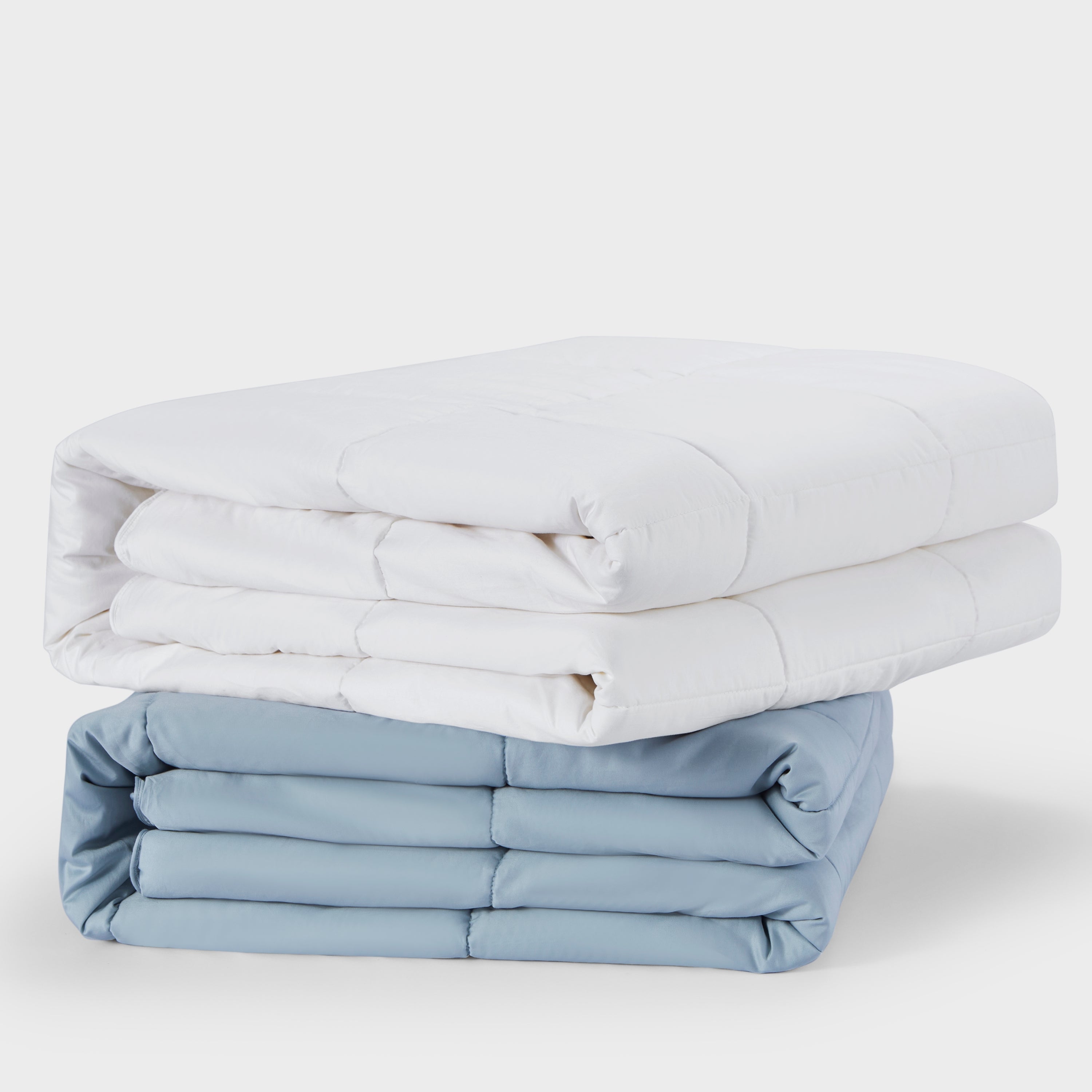
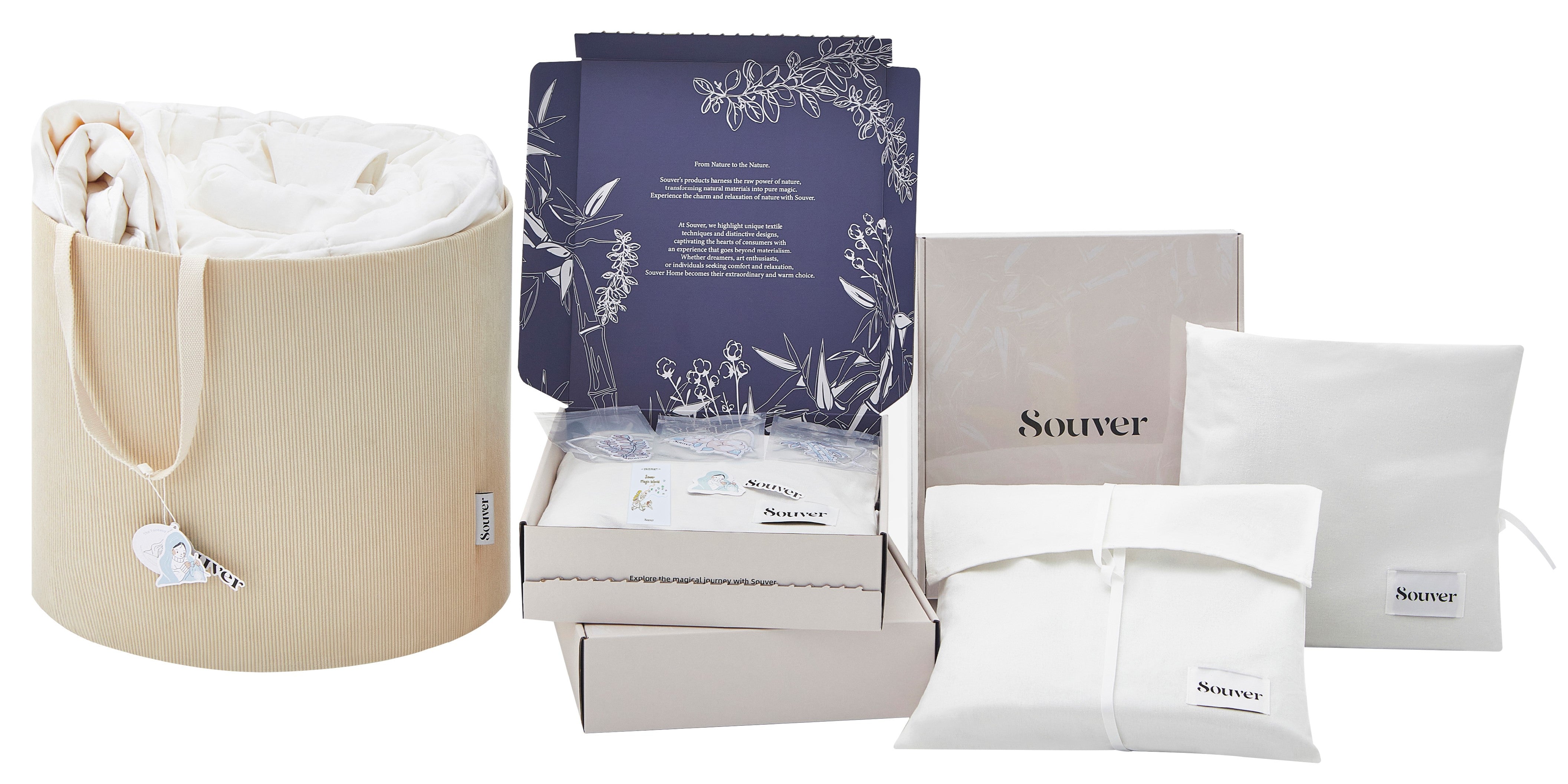


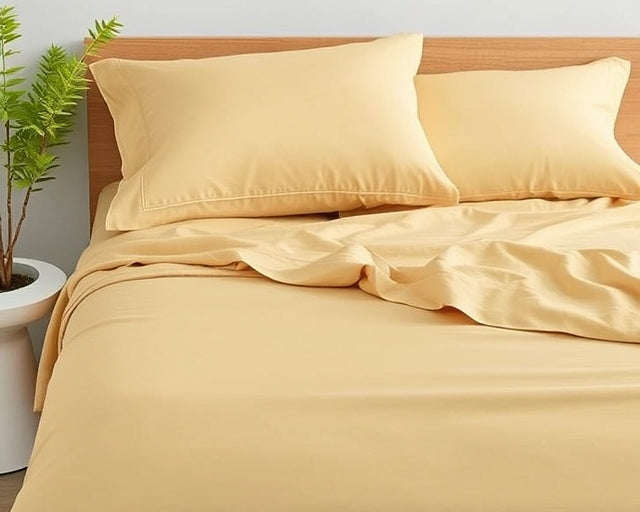
The bedding industry operates on a fundamentally flawed premise: that higher thread counts automatically equate to higher quality. Consumers have been conditioned to hunt for 1000-thread-count Egyptian cotton, completely unaware that manufacturers routinely manipulate these numbers by twisting multiple weak, microscopic threads together to artificially inflate the count. When you transition from traditional cotton to advanced semi-synthetic fibers, the rules change entirely. From our experience at Souverhome, engineering luxury textiles for a global market, pursuing excessively high thread counts in bamboo fabrics is a costly, counterproductive mistake.

In most professional situations, the absolute pinnacle of bamboo bedding exists at the 300 thread count mark. Bamboo fibers are inherently finer, smoother, and vastly more breathable than standard cotton. If a manufacturer attempts to weave 800 bamboo threads into a single square inch, they must use a heavy multi-ply yarn. The result? A heavy, suffocating sheet that entirely negates the cooling and moisture-wicking properties that made you want bamboo in the first place. You must exercise commercial and practical judgment. In this definitive guide, we take an uncompromising look at the Best 300 thread count bamboo sheets on the market in 2026. We will explain exactly what separates premium lyocell from cheap viscose, expose common procurement traps, and help you determine whether these sheets are actually worth the investment for your sleep environment.
Quick Answer: The Best 300 Thread Count Bamboo Sheets
If you are actively seeking the ultimate balance of durability, cooling, and buttery softness, these are the top categories of 300 TC bamboo sheets you must consider:
- Best Overall (The Lyocell Standard): Souverhome Lyocell Sheet Set. Utilizing a closed-loop extrusion process, these 300 TC sheets offer unmatched eco-friendly softness and moisture-wicking capabilities.
- Best for Extreme Hot Sleepers: 300 TC Bamboo Percale. A crisp, one-under-one-over weave that maximizes airflow.
- Best for Luxury Drape: 300 TC Bamboo Sateen. Offers a subtle, silk-like sheen without the friction of satin.
- Best for Deep Mattresses: High-tension fitted bamboo sets with 16-inch to 18-inch corner depths.
We recommend entirely avoiding any bamboo sheets marketed above 500 thread count. Stick to genuine, single-ply 300 thread count sets to guarantee structural integrity and peak thermoregulation. For complementary luxury, exploring the top silk pillowcases 2025 market is a logical next step.
Table of Contents
- What It Is: The 300 Thread Count Sweet Spot
- How It Works: Viscose vs. Lyocell Processing
- The 7 Best 300 TC Bamboo Sheet Variations
- Commercial and Personal Benefits
- Limitations and Hidden Drawbacks
- Who Should Use 300 TC Bamboo
- Who Does Not Need It
- Common Purchasing Mistakes
- Expert Buying Considerations
- Summary and Comparison Tables
- Expert Recommendation & Product Spotlight
- Frequently Asked Questions
What It Is: The 300 Thread Count Sweet Spot
Thread count measures the number of horizontal (weft) and vertical (warp) threads woven into one square inch of fabric. With standard short-staple cotton, a 300 TC sheet might feel slightly coarse. However, bamboo fibers are fundamentally different. They are naturally round, exceptionally long, and microscopically smooth.
When searching for the Best 300 thread count bamboo sheets, you are looking for a single-ply weave. This means one continuous, strong fiber is used in both directions. At exactly 300 single-ply threads per square inch, the bamboo fabric achieves peak performance: it is dense enough to prevent pilling and tearing, yet porous enough to allow body heat and humidity to escape instantly. If you have previously read the best bamboo sheets reviews, you will notice that industry experts consistently crown the 300 to 400 range as the gold standard for this specific material.
How It Works: Viscose vs. Lyocell Processing
How it works chemically dictates the quality and longevity of your bedding. Bamboo does not grow as a fluffy boll like cotton. The hard bamboo stalks must be broken down into a soft pulp and extruded into fibers. There are two primary methods used in the market today:
Bamboo Viscose (Rayon): This is the legacy method. It uses sodium hydroxide and carbon disulfide to dissolve the bamboo pulp. It is cheaper to produce and yields a soft fabric, but the chemical runoff is harsh on the environment, and the resulting fiber is slightly weaker when wet.
Bamboo Lyocell: This is the modern, premium standard. Lyocell utilizes an organic, non-toxic amine oxide solvent in a "closed-loop" system. This means 99% of the water and solvent are captured and reused. The resulting lyocell fiber is significantly stronger, drastically more moisture-wicking, and vastly more environmentally responsible. When evaluating premium sheets, Lyocell is the undisputed champion of the bamboo category.
The 7 Best 300 Thread Count Bamboo Sheet Variations
In our testing and analysis of the global textile market, we categorize the Best 300 thread count bamboo sheets by their specific weave and application. Here are the seven superior variations you should consider:
1. The 100% Bamboo Lyocell Set (The Premium Standard)

As engineered by Souverhome, a pure 100% bamboo lyocell set in a 300 TC sateen weave is the pinnacle of modern bedding. It offers a buttery, liquid-like drape that falls over the body seamlessly. It is the absolute best choice for individuals prioritizing both luxury aesthetics and ecological sustainability.
2. The 300 TC Bamboo Percale Weave
While most bamboo is woven as a sateen (three threads over, one under), a percale weave (one over, one under) creates a crisper, more matte finish. It sleeps remarkably cool and mimics the structured feel of high-end hotel cotton, while retaining the hypoallergenic properties of bamboo.
3. The Deep-Pocket Bamboo Viscose Fit
Modern mattresses, especially those fitted with plush toppers, require extra depth. The best deep-pocket 300 TC bamboo sheets feature fully elasticized hems and 16-inch to 18-inch corner depths, ensuring the slippery bamboo fabric does not snap off the corners of the bed during the night.
4. The Bamboo-Cotton Hybrid Twill
For commercial users (such as boutique hotels or luxury Airbnb hosts), a 60% Bamboo / 40% Long-Staple Cotton blend in a 300 TC twill weave provides the perfect compromise. The bamboo delivers the silky hand-feel, while the cotton provides the extreme tensile strength required to survive daily industrial laundering.
5. The Temperature-Regulating Bamboo Modal
Modal is another variation of the extrusion process, often blending beech tree pulp with bamboo. A 300 TC bamboo modal sheet is exceptionally lightweight. It is highly recommended for women experiencing menopause or individuals dealing with severe night sweats.
6. The Heavy-Weight Winter Bamboo
While bamboo is famous for cooling, certain manufacturers utilize a denser 300 TC single-ply weave designed for cold climates. This heavier weave traps insulating air pockets while still remaining breathable, making it a perfect companion for a premium silk filled duvet all seasons.
7. The Organic Bamboo Linen Blend
By blending 300 TC bamboo fibers with French flax linen, manufacturers create a sheet that possesses the rustic, textured aesthetic of classic linen, but with the immediate softness and anti-wrinkle properties of bamboo. It is the ultimate choice for a relaxed, "lived-in" bedroom aesthetic.
Commercial and Personal Benefits
The primary benefit of investing in 300 thread count bamboo sheets is absolute thermoregulation. Bamboo fibers are highly porous. They absorb moisture from the skin and evaporate it into the air three times faster than standard cotton. If you sleep hot, this material will actively lower your microclimate temperature.
Furthermore, bamboo possesses an organic bio-agent called "bamboo kun," which makes the resulting fabric naturally antimicrobial and hypoallergenic. It strongly resists dust mites, mildew, and odor-causing bacteria. This drastically improves sleep quality for individuals with severe allergies, eczema, or sensitive skin profiles.
Limitations and Hidden Drawbacks
We must apply commercial and practical judgment: bamboo is not a flawless miracle fabric. The primary limitation of 300 TC bamboo—particularly in a sateen weave—is that it wrinkles severely. If you leave these sheets sitting in a hot dryer, they will look like crumpled paper. Furthermore, bamboo fibers weaken by up to 20% when wet. If you use harsh heavy-duty detergents, bleach, or wash them in hot water with rough denim fabrics, the bamboo sheets will pill and shred prematurely.
Who Should Use 300 TC Bamboo Sheets
For Commercial Users and Hot Sleepers: Luxury spas, high-end retreats, and individuals suffering from nocturnal hyperhidrosis (night sweats) should absolutely deploy 300 TC bamboo lyocell. The fluid drape and aggressive moisture-wicking properties provide a level of comfort that cotton simply cannot match. If you are outfitting a guest room, ensure you pair these sheets with appropriate duvet sizes and dimensions to maximize the aesthetic drape.
Who Does Not Need It
For Traditionalists Seeking Crisp Stiffness: If your ideal bedding experience is a stiff, heavy, highly starched crisp cotton that snaps when you pull it—similar to an old-school military bunk—bamboo will disappoint you. Bamboo is fluid, heavy, and silky. In these scenarios, you should explore a heavy cotton jersey sheets guide or a 400 TC Egyptian cotton percale instead.
Common Purchasing Mistakes
From our experience, the most catastrophic mistake consumers make is purchasing "Bamboo Blends" that are secretly 80% microfiber (polyester) and only 20% bamboo viscose. Microfiber is spun plastic. It traps heat aggressively and causes severe sweating. You must read the manufacturer's tag carefully. Demand 100% Bamboo Viscose or, ideally, 100% Bamboo Lyocell. Never pay premium prices for a polyester blend.
Expert Buying Considerations
When evaluating the Best 300 thread count bamboo sheets, look for independent certifications. OEKO-TEX® Standard 100 certification is non-negotiable. This guarantees that the final textile has been tested for hundreds of harmful chemicals and is safe for direct, prolonged skin contact. Additionally, check the elastic banding on the fitted sheet. Premium sheets will feature a 360-degree, 1-inch thick elastic band to ensure a vice-like grip on adjustable bases, such as when comparing a Murphy bed vs Thuma bed setup.
Summary and Comparison Tables
Comparison Table: 300 TC Bamboo Lyocell vs. 800 TC Egyptian Cotton
| Metric | 300 TC Bamboo Lyocell | 800 TC Egyptian Cotton |
|---|---|---|
| Breathability | Extremely High (Porous fibers) | Moderate to Low (Dense weave traps air) |
| Moisture Wicking | Excellent (Evaporates rapidly) | Poor (Absorbs and holds moisture) |
| Texture / Hand-Feel | Liquid, buttery, silky smooth | Crisp, structured, substantial |
| Environmental Impact | Low (Closed-loop sustainable processing) | High (Heavy water and pesticide usage) |
Pros and Cons of 300 TC Bamboo Sheets
| Pros (Why you must upgrade) | Cons (The operational reality) |
|---|---|
| Naturally hypoallergenic and resists dust mites. | Highly prone to wrinkling if not folded immediately. |
| Actively cools the body during hot summer nights. | Requires cold water washing and low-heat drying only. |
| Drapes beautifully, conforming to the body like a second skin. | Fibers are more fragile when wet compared to cotton. |
| Sustainable raw material; bamboo regenerates rapidly. | Prone to oil stains from heavy body lotions. |
Expert Recommendation & Hardware Spotlight
Are premium 300 thread count bamboo sheets actually worth the investment over standard big-box store cotton? Emphatically, yes. The improvement in thermoregulation alone will drastically reduce nocturnal awakenings. We recommend that discerning consumers bypass outdated viscose technology and invest directly in advanced Lyocell fabrics. At Souverhome, we have engineered the definitive solution for modern sleep environments.

If you prefer a slightly more structured feel while maintaining strict organic standards, we highly recommend evaluating our Organic Cotton Fitted Sheet, which utilizes a buttery soft 300 TC organic cotton satin weave to accommodate deep 16-inch mattresses.
Frequently Asked Questions
Is 300 thread count good for bamboo sheets?
Yes. From our experience, 300 thread count is the absolute sweet spot for bamboo sheets. Because bamboo fibers are naturally finer and softer than cotton, a genuine 300 single-ply thread count provides the perfect balance of extreme softness, high breathability, and long-term durability. Anything claiming 1000+ thread count in bamboo is usually utilizing deceptive multi-ply yarns that trap heat.
Do 300 thread count bamboo sheets shrink in the wash?
In most professional situations, high-quality bamboo sheets are pre-shrunk during manufacturing. However, if washed in hot water or dried on high heat, they will experience 3% to 5% shrinkage. Always wash bamboo in cold water with mild detergent and tumble dry on the lowest possible heat setting to preserve the fibers.
What is the difference between bamboo viscose and bamboo lyocell?
Bamboo viscose (rayon) is manufactured using harsh chemical solvents, whereas bamboo lyocell is produced using a closed-loop organic solvent process that recycles 99% of the water and chemicals. Lyocell is significantly more eco-friendly, boasts higher tensile strength when wet, and is more efficient at moisture-wicking than standard viscose.
Can I use fabric softener on bamboo sheets?
Absolutely not. Fabric softeners and dryer sheets leave a thin, waxy chemical residue on the fabric. This coating clogs the microscopic pores of the bamboo fiber, entirely destroying its ability to wick moisture and regulate temperature. Bamboo is naturally buttery soft and does not require chemical conditioning.
Industry References & Authoritative Guidelines
To ensure our textile guidance aligns with the highest global safety and manufacturing standards, Souverhome references the protocols established by the following authoritative organizations:
- OEKO-TEX® Association: The independent global standard for testing textiles for harmful substances, ensuring that the extrusion processes used in bamboo manufacturing leave no toxic residues. Review OEKO-TEX Standards
- Textile Exchange: A global non-profit organization providing comprehensive data on preferred fiber and materials market reports, focusing heavily on the shift toward closed-loop Lyocell and sustainable man-made cellulosic fibers (MMCF). Review Textile Exchange Data
- Sleep Foundation: The leading medical and practical authority on sleep health, providing peer-reviewed evidence on how thermoregulating textiles directly impact deep sleep cycles and nocturnal hyperhidrosis mitigation. Review Sleep Foundation Guidelines

Dejar un comentario
Este sitio está protegido por hCaptcha y se aplican la Política de privacidad de hCaptcha y los Términos del servicio.