


The integration of high-grade natural silk into modern sleep routines has transitioned away from a purely cosmetic luxury trend toward a dermatologically proven wellness standard. Unlike traditional plant-based fibers or synthetic polymers, premium mulberry silk consists of natural protein structures rich in vital amino acids. These structures mimic the cellular layout of human skin, actively retaining natural dermal hydration, minimizing fine friction lines along the face contour, and preventing structural cuticle fracturing in textured hair profiles. However, because natural silk is an organic protein filament, its structural longevity and surface smoothness depend entirely on proper maintenance routines. Adopting a systematic protocol to wash and care for silk pillowcases and eye masks is critical to preventing fiber calcification and keeping your sleep setup pristine.

At Souverhome, we approach bedding science and luxury linen procurement from an unyielding technical perspective. We analyze natural fibers through strict engineering parameters, ensuring our luxury Chinese Mulberry Silk collections deliver optimal yarn uniformity, material breathability, and pure hypoallergenic security. From our experience, many consumers inadvertently destroy their premium investments within the first three wash cycles by utilizing aggressive alkaline detergents, high thermal settings, or high-vibration drying environments. These mistakes tear the delicate protein filaments and strip away their natural luster. This comprehensive industrial manual deconstructs the physical science behind silk maintenance, providing clear, step-by-step instructions to wash and care for silk pillowcases and eye masks to preserve their anti-aging benefits for decades.
- 1. Maintenance Matrix: Silk Fabric Laundering Classifications
- 2. Silk Protein Chemistry: Why Alkaline Cleansers Ruin Sericin Boundaries
- 3. Step-by-Step Protocols: Hand-Washing vs. Machine Cycles
- 4. Structural Engineering: Drying, Tension Extraction, and Low-Thermal Ironing
- 5. Bedding System Context: Sizing, Material Matching, and Procurement Tiers
- 6. Frequently Asked Questions (FAQs)
- 7. Textile Engineering and Regulatory References
1. Maintenance Matrix: Silk Fabric Laundering Classifications
Before initiating a cleaning routine or adjusting automated laundering cycles, textile care managers must map out the mechanical and thermal limits of their items. The table below profiles the strict maintenance parameters required across different mulberry silk products this season.
| Silk Product Classification | Yarn Momme Weight | Optimal Laundering Method | Maximum Liquid Temperature | Target Drying Protocol |
|---|---|---|---|---|
| Premium Mulberry Silk Pillowcase | 19 Momme Base | Hand-Wash Preferred / Machine Delicate | 30°C (Cold/Lukewarm) | Horizontal Flat Air-Dry away from UV rays |
| Broad Half-Veiled Sleep Eye Mask | 19 Momme Base | Hand-Wash Absolute Mandatory | 30°C (Cold Only) | Squeeze-free towel roll press; flat dry |
| Organza-Backed Hair Scrunchie | 19 Momme Base | Hand-Wash Absolute Mandatory | 25°C (Cold Only) | Reshape immediately; dry on clean towel |
| Heavy Silk Sheet Sets | 22 to 25 Momme | Machine Cycle / Specialized Delicate | 30°C | Drape lines over non-metallic bars indoors |
2. Silk Protein Chemistry: Why Alkaline Cleansers Ruin Sericin Boundaries
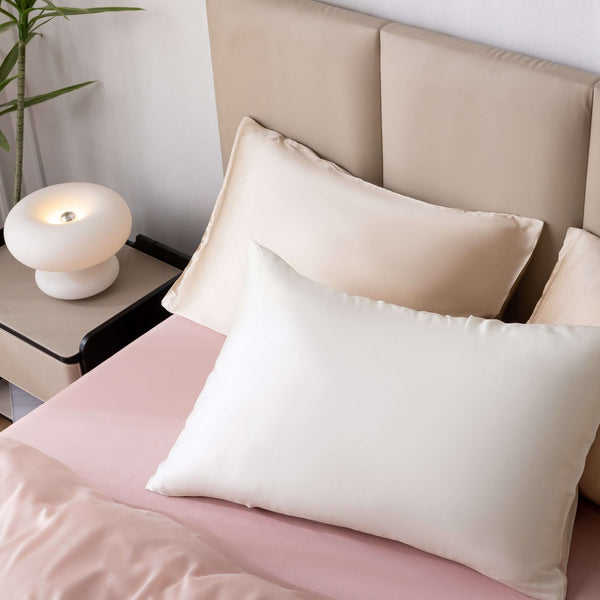
To successfully execute a long-term plan to wash and care for silk pillowcases and eye masks, you must first understand the organic chemistry of raw fibroin filaments. Unlike standard cotton sheets made from plant cellulose or polyester options made from petroleum-derived compounds, authentic mulberry silk is an animal protein structure generated by the Bombyx mori silkworm. This premium filament consists of two primary protein layers: an inner core of structural fibroin wrapped in an outer protective layer of soluble sericin glue.
Standard household laundry detergents are formulated to be highly alkaline, holding a high pH of 9 to 11 to strip grease and heavy stains from rugged industrial fabrics. Additionally, these consumer detergents are packed with aggressive optical brighteners and biological protease enzymes engineered specifically to digest protein stains. From our experience, exposing a natural silk fabric to these highly alkaline formulas will trigger a chemical reaction that digests the fiber's structural fibroin bonds, making the silk stiff, brittle, and prone to early tearing. We recommend using only neutral pH-balanced liquid detergents formulated explicitly for silk and wool, which protect the delicate sericin borders and preserve the fabric's soft, frictionless slip.
We recommend enforcing a strict ban on any chlorine-based bleaching agents across your household bedding routines. Chlorine triggers immediate chemical oxidation when it contacts natural silk, causing the silk fibers to yellow permanently, thin out, and fracture under light friction. If your white silk pillowcases require stain treatment, use a mild hydrogen-peroxide spot-cleaner or pre-soak the items in cold water blended with distilled white vinegar to naturally lift discoloration safely.
3. Step-by-Step Protocols: Hand-Washing vs. Machine Cycles
Maintaining the structural integrity of fine 19 momme silk requires following clear, gentle laundering paths to protect the delicate bionic weave from unnecessary mechanical stress.
The Mandatory Hand-Washing Protocol (Recommended for Eye Masks & Accs)
Because sleep eye masks carry internal lining pads to block light and hair scrunchies incorporate elastic rubber bands, they should never be subjected to the rough rotational friction of machine agitators. We recommend executing this brief manual hand-washing sequence:
- Fill a clean, sterile basin with cold water at a maximum temperature of 30°C.
- Inject 5ml of a neutral pH-balanced liquid silk detergent, stirring the water thoroughly to distribute the soap evenly.
- Submerge your silk eye mask or scrunchie, pressing down gently for 3 to 5 minutes. Avoid twisting, wringing, or rubbing the fabric against itself, which can warp the delicate alignment of the yarn.
- Drain the soapy basin and rinse the items thoroughly with clean, cold running water until all suds are fully cleared.
The Controlled Machine-Washing Protocol (Optional for Pillowcases)
If your busy schedule demands using an automated washing machine for larger pillowcases, you must implement these strict containment rules:
- Turn the Pillowcase Inside Out: This simple step shields the smooth, high-contact exterior side from rubbing directly against the machine drum walls.
- Enclose in a Mesh Laundry Bag: Always place your silk items inside a fine mesh laundry bag to prevent them from catching on zippers, buttons, or rough seams from other garments.
- Select the Absolute Delicate Cycle: Program your machine to the dedicated Delicate, Wool, or Silk cycle, ensuring the water temperature is locked at 30°C and the final spin speed is restricted to a low 400 to 600 RPM setting to minimize centrifugal stretching.
4. Structural Engineering: Drying, Tension Extraction, and Low-Thermal Ironing
The care process doesn't end once the wash cycle finishes; the drying phase requires equal precision to prevent stretching the wet protein strands out of shape.
Never place your premium silk items inside a standard household tumble dryer. The intense heat combined with the rapid spinning action will scorch the fibers instantly, causing severe shrinkage, fuzzy surface textures, and permanent static buildup. Instead, remove excess water by placing your damp silk pillowcase flat on a clean, dry cotton towel. Gently roll the towel up like a cylinder, pressing down lightly to absorb excess moisture without twisting the inner silk yarn. Unroll the towel, reshape the item, and lay it horizontally on a flat drying rack indoors away from direct sunlight, as UV rays can cause natural silk dyes to fade quickly.
If you prefer to smooth out minor wrinkles, avoid high-heat settings entirely. We recommend ironing your silk pillowcase while it remains slightly damp, using the lowest silk setting on your iron (maximum 110°C) and keeping the fabric turned inside out. Alternatively, place a clean, white cotton pressing cloth between the iron and your silk to distribute the heat safely, preserving the fabric's brilliant sheen and preventing scorch marks.
5. Bedding System Context: Sizing, Material Matching, and Procurement Tiers

Investing in advanced organic materials science allows homeowners to upgrade their standard bedroom setups into high-performance sleep sanctuaries that support overall wellness.
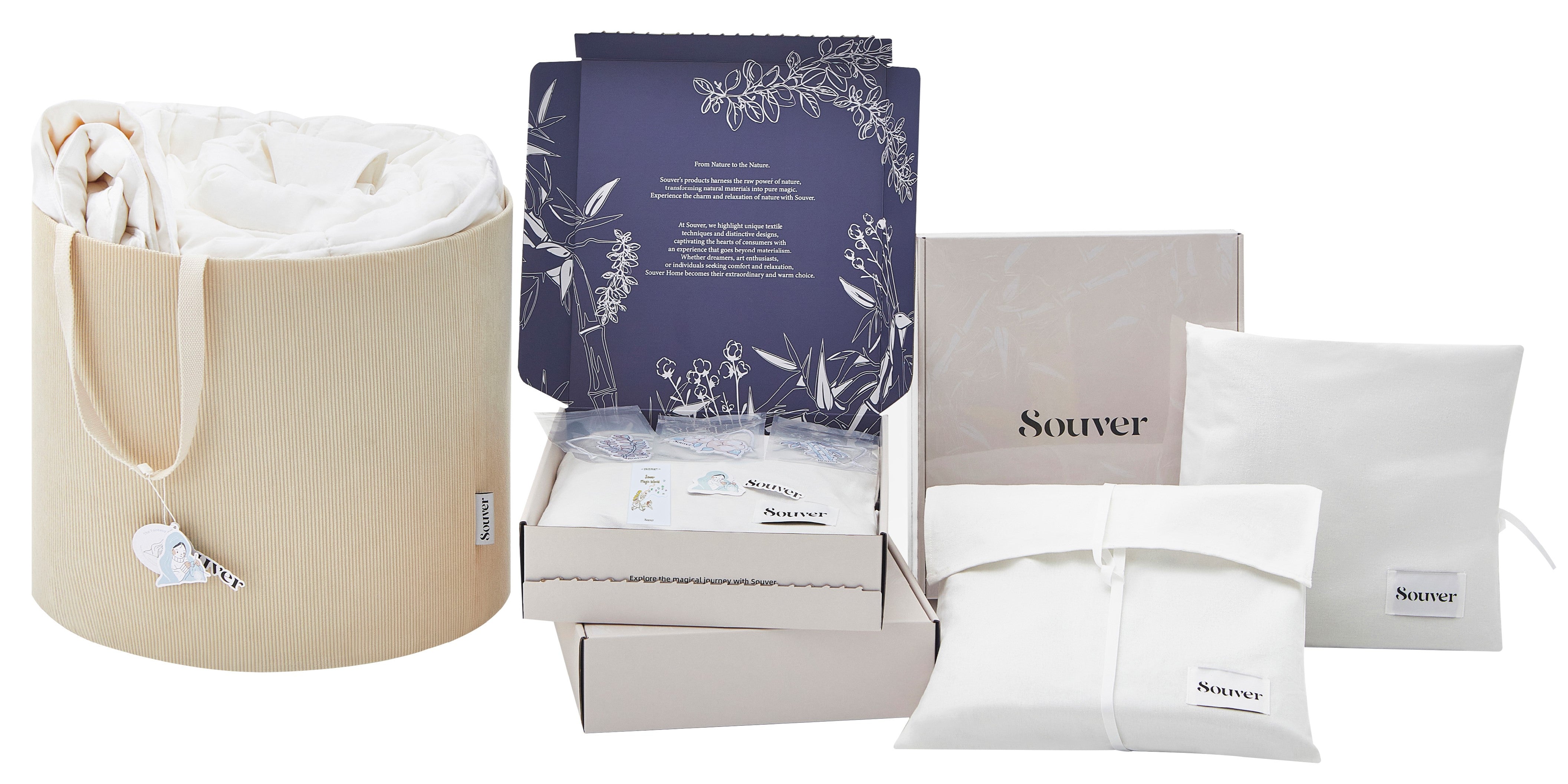
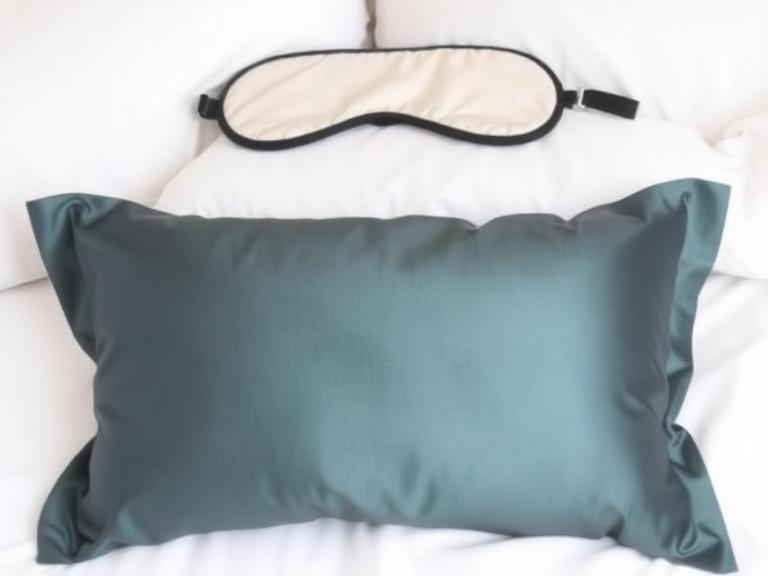
For individuals looking to completely revamp their sleep routine with a pre-configured setup, choosing from our specialized collections is an excellent solution. Sourcing our turnkey Mulberry silk pillowcases and eye masks Essentials Bundle provides a complete, travel-ready collection that pairs a matching anti-aging Mulberry Silk Pillowcase with a soft, broad-coverage Mulberry Silk Sleep Eye Mask to block light comfortably, finished with a non-snagging 5cm Silk Large Scrunchie to protect delicate hair cuticles throughout the night.
| Bedding System Comparison | Fabric Structural Thread Count Base | Moisture Adsorption Dynamics | Souverhome Sourcing Resource Link |
|---|---|---|---|
| Premium Mulberry Silk | 19 Momme Filaments (Chinese Origin) | Retains natural skin lipid barriers cleanly | Mulberry Silk Pillowcase |
| Organic Certified Cotton | Long-Staple percale/sateen matrices | High-volume capillary absorption loops | Best organic cotton sheets USA |
| Italian Heritage Linens | Premium luxury high-density counts | Moderate to High absorption limits | Frette vs Brooklinen sheets |
Mastering Mattress Sizing and Sheet Layout Configurations
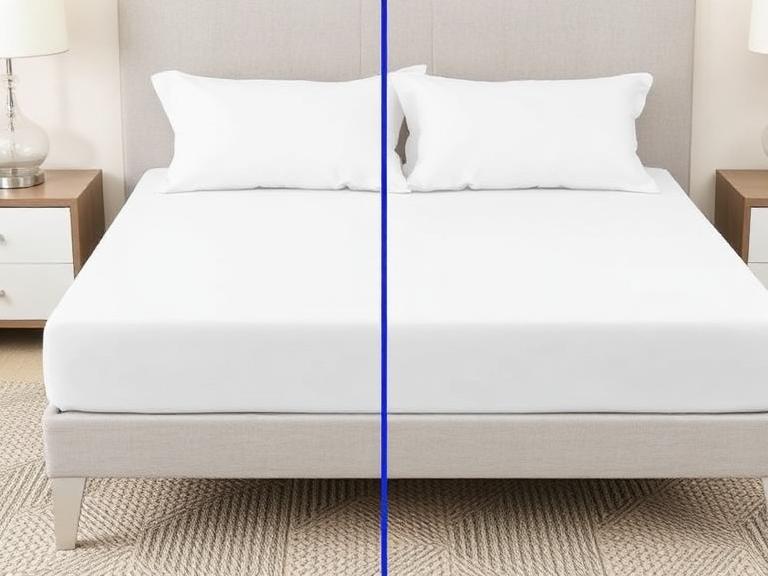
When curating the rest of your bedroom infrastructure, ensuring a perfect fit across your entire sheet set is essential for preventing shifting and bunching during the night. If you are comparing historic luxury brands against modern direct-to-consumer catalogs, reading our analysis of Frette vs Brooklinen sheets maps out thread counts and durability expectations. For those designing custom bedding layouts, consulting our layout guide on fitted vs flat sheet comparison metrics helps you choose between deep pocket security and traditional top sheet elegance, while checking our sourcing report on the best places to buy fitted sheets ensures you can procure standalone sheets for specialized mattress sizes.
Finally, for properties transitioning standard layouts or managing guest rooms, checking sizing limitations is crucial for preventing fabric tearing. Reviewing our technical manual on can full sheets fit queen bed configurations explains why over-stretching small sheets ruins seams, while reviewing our overview of hospital bed sheet sizes details the exact dimensions required to fit specialized adjustable articulation beds cleanly.
6. Frequently Asked Questions (FAQs)
7. Textile Engineering and Regulatory References
For official fiber certification guidelines, organic material testing data, and international textile maintenance codes, consult these authoritative international organizations:
- OEKO-TEX®. Standard 100 – Testing Matrix for Harmful Substances and Hypoallergenic Material Compliance in Silk Production. Zurich, Switzerland.
- International Organization for Standardization. ISO 3758: Textiles – Care Labelling Code Using Symbols for Delicate Protein Matrixes. Geneva, Switzerland.
- American Association of Textile Chemists and Colorists (AATCC). Test Method 135: Dimensional Changes and Fabric Distortion Metrics across Automated Home Laundering Operations. Research Triangle Park, NC.

Dejar un comentario
Este sitio está protegido por hCaptcha y se aplican la Política de privacidad de hCaptcha y los Términos del servicio.