
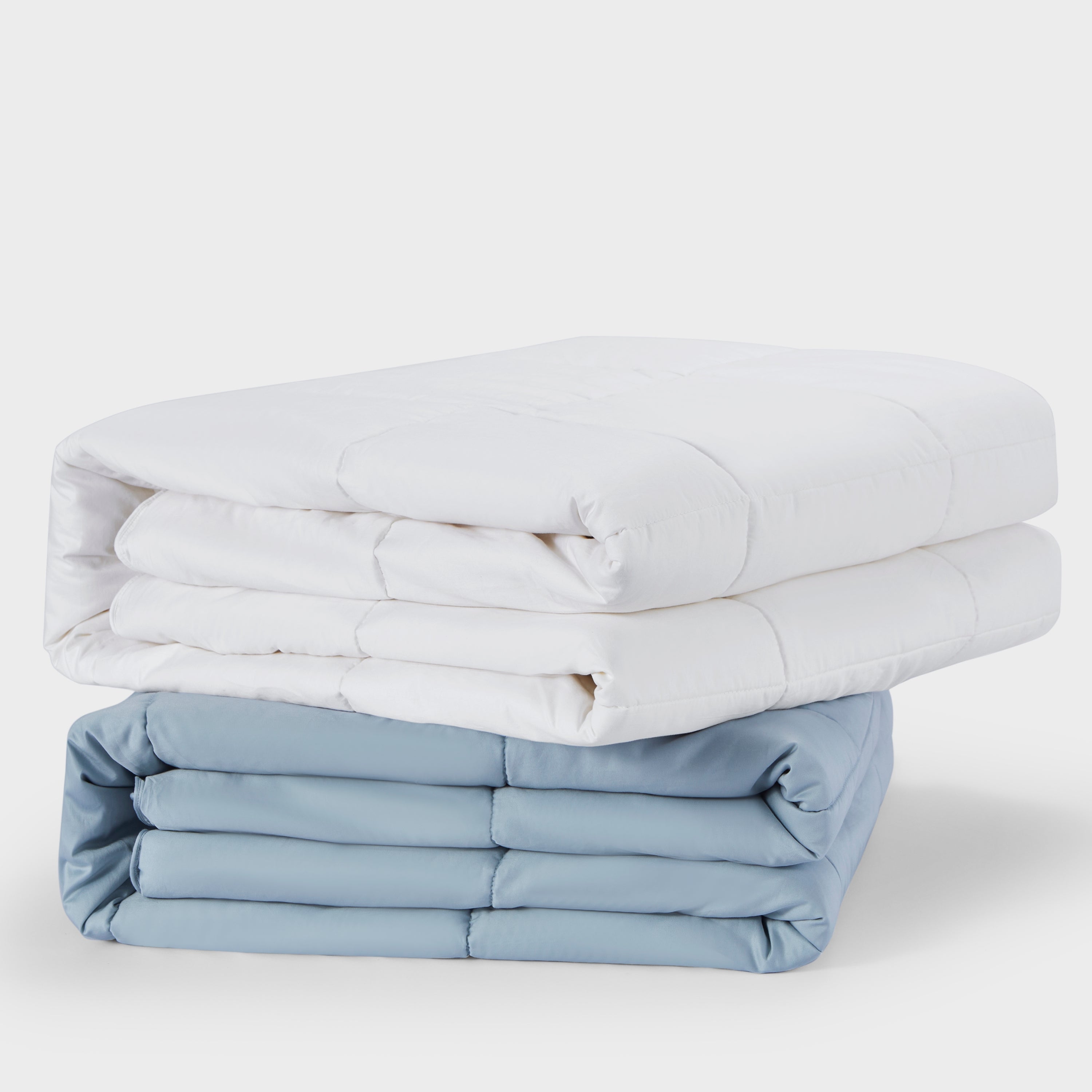


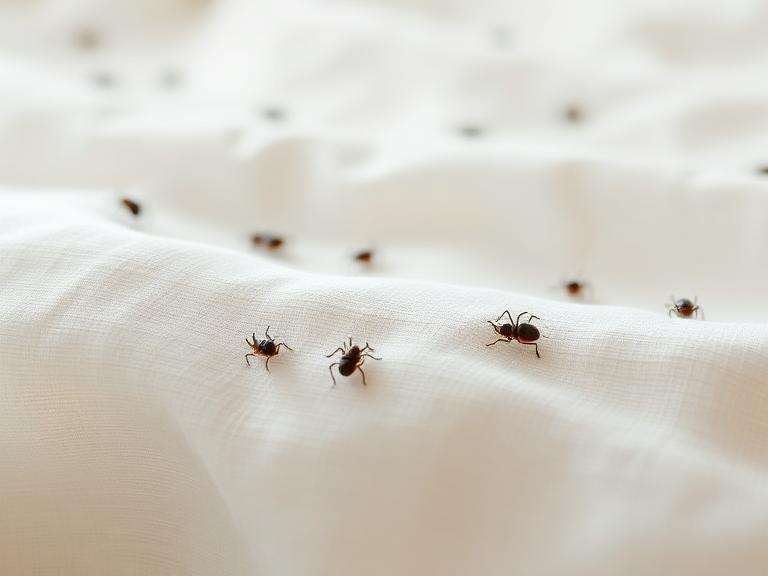
Navigating the bedding industry as an allergy sufferer is an exercise in frustration. Marketing departments aggressively promote various fabrics as "mite-proof" or "allergy-curing," leading consumers to make poorly informed purchasing decisions. If you wake up with congested sinuses, itchy eyes, or respiratory distress, you are likely reacting to the waste products of microscopic house dust mites living in your mattress and bedding.

From our experience evaluating textile science and manufacturing processes at Souverhome, we must dispel a persistent industry myth: no fabric actively kills dust mites. If a company claims their sheets execute pests, they are likely treating the fabric with harsh, temporary chemical biocides. However, the structural and thermal properties of a fabric dictate whether a dust mite colony will thrive or starve. Understanding how these microorganisms interact with bamboo viscose or lyocell is the difference between purchasing a genuine sleep solution and throwing your money away.
Quick Answer: Can dust mites live in bamboo sheets?
Physically, yes, dust mites can land on and exist within bamboo sheets. However, bamboo sheets create an incredibly hostile environment that prevents dust mites from thriving and multiplying. Dust mites do not drink water; they absorb moisture from the air. Bamboo fabric is highly absorbent and naturally moisture-wicking, pulling sweat away from your body and evaporating it rapidly. By eliminating the humid micro-climate in your bed, high-quality bamboo sheets effectively dehydrate and starve dust mite populations, making them one of the premier hypoallergenic bedding choices on the market.
Table of Contents
- What Are Dust Mites and How Do They Survive?
- How Bamboo Fabric Works Against Allergens
- The Benefits of Bamboo for Allergy Sufferers
- The Limitations: When Bamboo Is Not Enough
- Quick Summary Table
- Pros and Cons Table
- Detailed Comparison Table
- Who Should Use It (And Who Does Not Need It)
- Common Mistakes When Washing Bamboo Sheets
- Expert Buying Considerations
- Souverhome Expert Recommendation
- Frequently Asked Questions (FAQ)
What Are Dust Mites and How Do They Survive?
To defeat an enemy, you must understand its biology. House dust mites are microscopic arthropods that feed primarily on human dander—the dead skin cells we shed constantly. The human body sheds approximately 1.5 grams of skin per day, which is enough to feed one million dust mites. Your bed is their ultimate feeding ground.
However, food is only half the equation. Dust mites possess no mechanism to drink liquids. They rely entirely on absorbing ambient humidity through their exoskeletons to survive. In most professional situations dealing with indoor allergens, environmental control experts note that dust mites require a relative humidity of 65% to 75% to breed. If the humidity drops below 50%, they desiccate (dry out) and die.
When you sleep under traditional polyester or low-quality cotton, your body heat and sweat become trapped, creating a humid, tropical micro-climate under the covers. You are inadvertently engineering the perfect breeding incubator for mites.
How Bamboo Fabric Works Against Allergens
This is where the mechanical properties of bamboo fiber become commercially and practically relevant. Bamboo fabric (whether processed as viscose, lyocell, or modal) is exceptionally porous at a microscopic level. It exhibits remarkable capillary action, meaning it can draw moisture away from the skin up to three times faster than standard cotton.
When you sweat during the night, the bamboo fibers absorb the moisture and quickly disperse it across the surface area of the fabric, allowing it to evaporate rapidly into the air of the bedroom. In our testing of sleep environments, beds dressed in high-thread-count bamboo sheets maintain a significantly lower relative humidity under the duvet compared to beds dressed in synthetic blends.
Because the bamboo is continuously purging moisture, the micro-climate remains dry. The dust mites cannot absorb the water they need from the air, halting their reproductive cycle. Therefore, while dust mites might land on your bamboo sheets, they cannot establish a thriving colony.
The Benefits of Bamboo for Allergy Sufferers
Beyond moisture management, bamboo offers several distinct advantages that justify an upgrade from standard bedding.
Tight Weave Construction: Premium bamboo sheets are woven with a sateen or twill weave that is inherently tight. This dense interlacing of fibers creates a physical barrier, making it difficult for dust mites and their microscopic fecal pellets (the actual cause of the allergic reaction) to penetrate deep into the mattress. If you are researching the best bamboo sheets reviews, you will notice that high-quality options prioritize this dense weave without sacrificing breathability.
Frictionless Surface: Bamboo fabric is incredibly smooth. Unlike traditional wool or heavy flannel, which possess microscopic barbs that trap pet dander, pollen, and dust, bamboo's sleek surface allows particulate matter to slide off or be easily shaken out when making the bed.
The Limitations: When Bamboo Is Not Enough
We believe in providing practical judgment, not miraculous claims. Bamboo sheets are a tool, not a silver bullet. If you live in a deeply humid climate (like Florida or Southeast Asia) and do not run an air conditioner or dehumidifier in your bedroom, the ambient room humidity will sustain the dust mites regardless of how moisture-wicking your sheets are.
Furthermore, bamboo sheets protect the sleeper, but they do not magically clean your mattress. If you place brand new bamboo sheets over a ten-year-old mattress infested with millions of mites, you will still experience allergy symptoms. For heavy-duty applications, bamboo sheets must be paired with a zippered, polyurethane-lined mattress encasement.
Quick Summary Table: Dust Mite Resistance by Fabric
| Fabric Type | Moisture Wicking | Allergen Trapping | Dust Mite Resistance Level |
|---|---|---|---|
| Bamboo (Viscose/Lyocell) | Excellent | Low (Smooth surface) | High (Creates dry micro-climate) |
| Organic Cotton | Moderate | Moderate | Medium (Requires frequent hot washes) |
| Polyester/Microfiber | Poor (Traps heat) | High (Static electricity traps dust) | Low (Creates humid breeding ground) |
| Silk | Good | Low | High (But highly fragile to wash) |
Pros and Cons Table: Bamboo Bedding for Allergies
| Pros (Benefits) | Cons (Drawbacks) |
|---|---|
| Actively drops humidity, starving dust mite populations. | Requires specific laundry care; cannot be bleached. |
| Incredibly soft, soothing skin irritated by eczema or hives. | Higher initial purchase cost compared to basic cotton. |
| Thermal regulation prevents night sweats, keeping the bed dry. | Prone to wrinkling if left sitting in the dryer. |
| Naturally smooth fibers repel external dust and pet dander. | Can be damaged by harsh heavy-duty fabric softeners. |
Detailed Comparison: Bamboo vs. Organic Cotton vs. Tencel
When making a buying decision, consumers often debate between high-end natural fibers. Understanding the nuances between these materials is crucial for allergy management. For a deep dive into the manufacturing differences, read our comprehensive guide on organic cotton vs bamboo vs tencel.
| Feature | Bamboo Sheets | Organic Cotton Sheets | Tencel (Lyocell) Sheets |
|---|---|---|---|
| Dust Mite Hostility | Very High (Superior drying) | Moderate (Holds some moisture) | Very High (Excellent wicking) |
| Washing Temperature | Cold to Warm (Max 40°C) | Can withstand Hot (60°C+) | Cold to Warm (Max 40°C) |
| Breathability | Exceptional | Good to Very Good | Exceptional |
| Durability against Allergens | Maintains smooth fiber structure over time. | Can pill over time, creating traps for dust. | Highly durable, maintains smooth drape. |
Who Should Use It (And Who Does Not Need It)
Who Should Use Bamboo Bedding: We recommend bamboo sheets explicitly for individuals suffering from perennial allergic rhinitis, asthma, eczema, and those who experience severe night sweats. For beginners transitioning away from synthetic bedding, the immediate drop in nighttime humidity and subsequent relief from morning congestion is often profound. If you are upgrading your entire sleep system, exploring the best bamboo quilt cover sets ensures your duvet isn't harboring the allergens your sheets are fighting.
Who Does Not Need It: If you live in an arid climate (like Arizona or Nevada), have zero respiratory allergies, and sleep comfortably on inexpensive cotton blends, upgrading purely for allergen defense is unnecessary. For commercial users operating budget motels where linens must be boiled daily in industrial bleach to sanitize them, bamboo is not the correct choice, as the harsh chemicals will destroy the natural cellulose fibers.
Common Mistakes When Washing Bamboo Sheets for Dust Mites
The standard medical advice for killing dust mites is to wash bedding weekly in dangerously hot water (130°F / 54°C). However, boiling your bamboo sheets will break down the natural fibers and destroy their moisture-wicking capabilities. This is the most common commercial mistake we see.
You do not need to boil bamboo. Because the fabric already prevents the colony from thriving, a standard warm wash (around 40°C) with a mild, liquid detergent is sufficient to wash away dead skin cells and ambient dust. Avoid fabric softeners entirely; they coat the bamboo in a chemical film that ruins its ability to absorb moisture. Furthermore, improper washing leads to fabric degradation. To protect your investment, strictly follow our guidelines on how to prevent pilling on bamboo sheets.
Buying Considerations & Product Selection
When purchasing bamboo to combat allergies, you must ensure you are buying 100% bamboo viscose or lyocell, not a "bamboo blend." Blends often contain up to 60% microfiber or polyester, which entirely negates the cooling and moisture-wicking properties, bringing the dust mite problem right back into your bed.
Additionally, consider the rest of your bedding. Your sheets are only the first line of defense. We frequently field questions asking, is bamboo good for duvet cover applications? The answer is a resounding yes. If you cover a hypoallergenic sheet with a heavy, heat-trapping polyester duvet cover, you recreate the humid micro-climate. For complete protection, review the best bamboo duvet covers and understand the bamboo duvet lifespan guide to secure a long-term allergy defense.
Souverhome Expert Recommendation
For individuals serious about eradicating bed-born allergens and dramatically improving their sleep quality, we recommend starting with a pure, high-quality foundation.
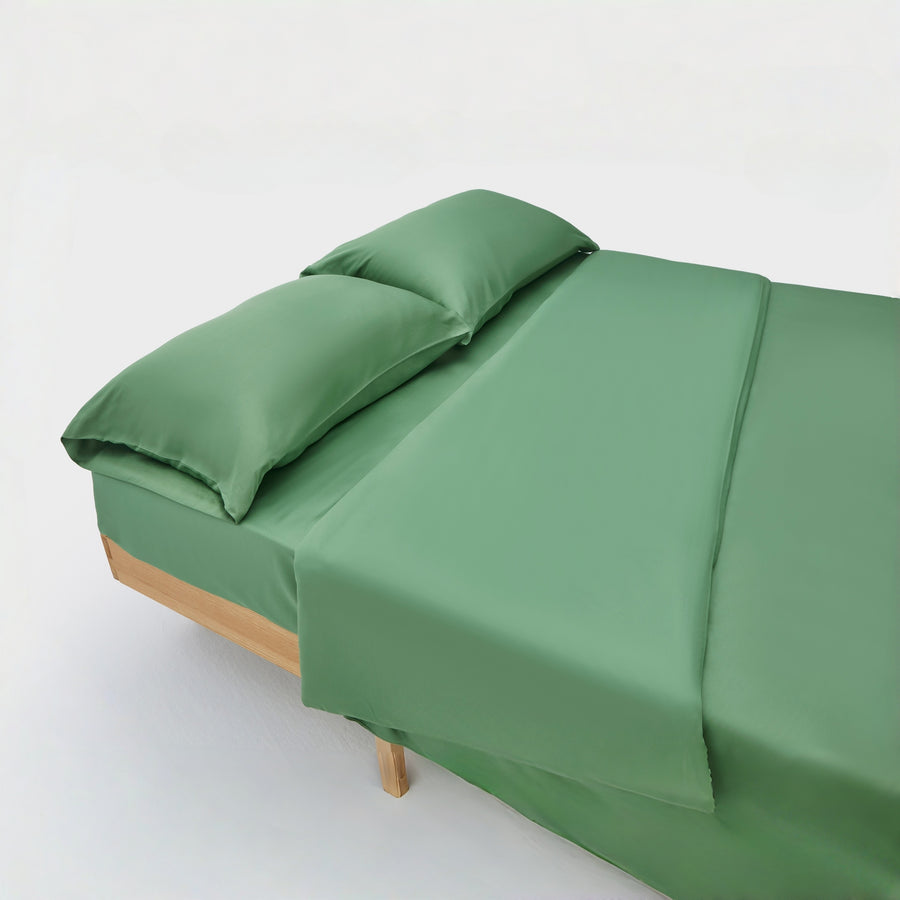
Souverhome Bamboo Flat Sheet
Engineered for maximum breathability and moisture-wicking, this flat sheet creates the dry, cool environment necessary to repel dust mites while providing a luxuriously soft drape against the skin.
- Material: 100% Premium Bamboo
- Hypoallergenic: Yes - naturally repels allergens
- Thread Count: 300 (Optimal balance of durability and airflow)
- Depth: 16 inches / 41cm (Securely fits deep mattresses)
- Properties: Stretchable, moisture-wicking, eco-friendly, ultra-soft
- Weight: Queen 0.85kg; King 1kg
Available now at Souverhome.com. If you are outfitting an entire bed, we strongly advise purchasing the complete bamboo bedding bundle set to ensure cohesive thermal regulation across all layers.
Frequently Asked Questions (FAQ)
No fabric is 100% dust mite proof unless it is a specialized, polyurethane-backed encasement. However, bamboo sheets are highly dust mite resistant. Because bamboo wicks moisture and prevents the accumulation of humidity, it creates a hostile, dry environment where dust mites cannot survive or reproduce.
It is not recommended. Washing bamboo in hot water (above 40°C/104°F) will damage the natural fibers and cause shrinkage. Because bamboo naturally inhibits dust mite growth by controlling humidity, a warm wash with a gentle detergent is perfectly sufficient to maintain an allergen-free bed.
If you are experiencing allergies with bamboo sheets, it is highly likely that you purchased a "bamboo blend" containing microfiber or polyester, which traps heat and moisture. Alternatively, your underlying mattress or pillows may be deeply infested, and the sheets alone cannot block allergens rising from below. Ensure you have 100% bamboo sheets and a quality mattress protector.
Authoritative References & Industry Science
To support the biological facts and textile science presented in this guide, we reference the following authorities on allergy management and indoor environmental quality:
- Asthma and Allergy Foundation of America (AAFA): Guidelines on controlling indoor allergens, dust mite life cycles, and required humidity thresholds for pest survival. Review AAFA Guidelines
- Mayo Clinic: Medical overview of dust mite allergy symptoms, triggers, and environmental lifestyle modifications for patients. Review Mayo Clinic Research
- National Institutes of Health (NIH): Clinical studies on the efficacy of moisture-wicking and tightly woven textiles in the mechanical reduction of house dust mite allergens. Access NIH Studies

Dejar un comentario
Este sitio está protegido por hCaptcha y se aplican la Política de privacidad de hCaptcha y los Términos del servicio.