


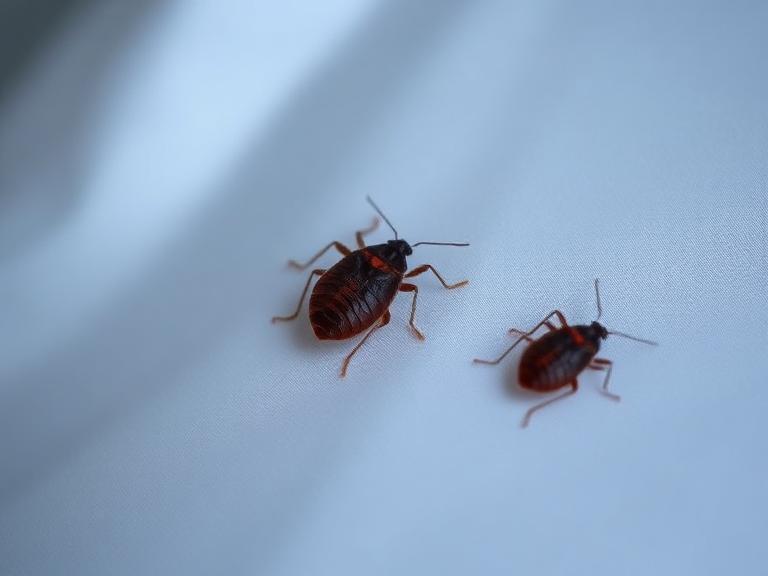
Discovering that you have an uninvited insect problem in your bedroom is a universally distressing experience. In the panic that follows, homeowners often search for immediate, fabric-based solutions. A question we encounter relentlessly is: Can bed bugs live on silk sheets? The internet is saturated with conflicting advice, with many marketing blogs incorrectly claiming that luxury fabrics act as an impenetrable shield against pests.

From our experience as luxury bedding practitioners at Souverhome, we refuse to deal in half-truths or generic myths. Bed bug infestations are a serious household crisis that require commercial and practical judgment, not just a fabric upgrade. While silk possesses remarkable natural properties that drastically improve sleep hygiene, confusing its ability to repel dust mites with an ability to eradicate bed bugs is a dangerous mistake. In this definitive guide, we will break down the precise biological interaction between bed bugs and silk, explain whether high-end bedding is actually worth using during an infestation, and provide you with actionable decision-making guidance.
Quick Answer: The Reality of Silk and Bed Bugs
No, silk does not kill or completely repel bed bugs. However, bed bugs hate silk. Because bed bugs rely on tiny hooked claws (tarsi) to navigate, they struggle immensely to grip and climb the frictionless, tightly woven surface of high-quality mulberry silk. While bed bugs cannot comfortably live on or burrow into silk sheets, they will simply hide in the rougher seams of your mattress or bed frame instead. Silk is an incredible tool for preventing dust mites and maintaining skin hygiene, but it is not an extermination tool.
Table of Contents
- What It Is: The Biology of the Bed Bug vs. Silk
- How It Works: Friction and Fabric Density
- Quick Summary Table: Pests and Fabrics
- The True Benefits of Silk for Sleep Hygiene
- Limitations: What Silk Cannot Do
- Pros and Cons Table
- Who Should Use It & Who Does Not Need It
- Comparison Table: Silk vs. Cotton vs. Bamboo
- Common Mistakes During Infestations
- Buying Considerations
- Expert Recommendation
- Frequently Asked Questions (FAQ)
What It Is: The Biology of the Bed Bug vs. Silk
To understand whether bed bugs can thrive on a specific textile, you must look at their anatomy. Bed bugs (Cimex lectularius) are crawling insects; they do not fly or jump. Their legs are equipped with small claws designed to hook onto rough, fibrous surfaces like unfinished wood, coarse polyester, and loosely woven cotton. They require these footholds to climb vertical surfaces and navigate toward their host.
True Mulberry silk is the antithesis of a hospitable environment for them. Silk fibers are spun by silkworms as continuous, perfectly smooth continuous filaments. When woven into a high-momme fabric (the standard metric for silk density), it creates an almost completely frictionless surface. There are no loose loops or frayed fibers for the insect to grip. Many consumers confuse this physical incompatibility with chemical repellency. Silk contains sericin, a natural protein that actively repels microscopic dust mites and mold, but it has no chemical effect on macroscopic bed bugs.
How It Works: Friction and Fabric Density
In most professional situations involving pest control, experts focus on harborage areas. Bed bugs are photophobic (they hate light) and thigmotactic (they prefer to be squeezed into tight, dark spaces where their bodies touch multiple surfaces). A draped silk sheet offers neither of these comforts.
If a bed bug attempts to cross a 19-momme silk sheet, it will find the journey mechanically exhausting. They slip, slide, and lose traction. Furthermore, bed bugs cannot bite through fabric; they must find exposed skin. The extreme density of silk prevents them from piercing the material. However, this simply forces the bugs to alter their hunting route. Instead of living in the folds of the sheets as they might with a cheap polyester blend, they will retreat to the piping of your mattress, the joints of your bed frame, or behind your headboard.
| Pest Type | Interaction with Silk | Interaction with Standard Cotton | Solution Required |
|---|---|---|---|
| Bed Bugs | Cannot grip or burrow; will slide off and seek rougher terrain. | Easily grip, climb, and lay eggs in coarse fabric folds. | Professional heat treatment and mattress encasements. |
| Dust Mites | Actively repelled by naturally occurring sericin protein. | Thrive and multiply rapidly in the porous fiber matrix. | Switching to pure Mulberry silk or bamboo bedding. |
| Fleas | Cannot burrow; easily shaken off the smooth surface. | Eggs become trapped in the weave. | Pet treatment and hot water laundering. |
The True Benefits of Silk for Sleep Hygiene
If you are exploring your bedding options, you might be asking whether an investment in luxury textiles is justified. In our testing, pure silk is unparalleled for comprehensive sleep hygiene. While it won't cure a bed bug infestation, it establishes a hostile environment for allergens. Because it lacks the porous, absorbent nature of cotton, it does not harbor dead skin cells or night sweats—the primary food source for bacterial growth and dust mites.
For those dealing with severe skin sensitivities or asthma, silk is transformative. It regulates thermal heat efficiently, preventing the damp environments that many household pests require to breed. When evaluating Boll and Branch vs Parachute sheets, or similar luxury cotton brands, buyers often overlook that even the finest organic cotton still provides a rougher microscopic surface than entry-level silk.
Limitations: What Silk Cannot Do
We must be absolutely clear: buying a set of expensive silk sheets to fight bed bugs is a tactical error. For heavy-duty applications like pest eradication, you need structural barriers. Bed bugs do not care if your sheets are beautiful; if they are hungry, they will traverse the baseboards and drop from the ceiling if necessary to reach you.
Furthermore, silk requires delicate laundering. You cannot boil silk sheets at 140°F (60°C) without destroying the protein fibers. High heat is the only proven method to kill bed bug eggs in a washing machine. Therefore, if your silk sheets do become compromised, sanitizing them without ruining the fabric requires specialized dry cleaning or prolonged freezing, making them highly impractical during an active, ongoing infestation.
| Pros | Cons |
|---|---|
| Frictionless surface makes it nearly impossible for bed bugs to climb or grip. | Cannot be washed in boiling water to kill insect eggs without destroying the fabric. |
| Naturally hypoallergenic and completely repels microscopic dust mites. | Does not actively repel or kill macroscopic insects like bed bugs. |
| Dense weave prevents insects from biting through the material. | High cost makes them a risky investment if chemical pest treatments are ongoing. |
Who Should Use It & Who Does Not Need It
For commercial users and allergy sufferers: We recommend upgrading to silk immediately if your primary concern is dust mites, eczema, acne, or preventing hair breakage. If you have recently beaten a bed bug infestation and want to reward yourself with a pristine, hygienic sleep environment that minimizes the risk of future allergen buildup, silk is the ultimate choice. Don't forget to pair it with the best silk sleep eye mask to protect your delicate facial skin.
Who does not need it: If you currently have an active bed bug infestation, you do not need silk sheets right now. Save your money and hire a licensed exterminator. Use cheap, light-colored cotton sheets temporarily so you can easily spot blood stains and fecal markers, and wash them in boiling water daily until the problem is resolved.
| Fabric Type | Bug Traction | Dust Mite Resistance | Washability (High Heat) | Best Use Case |
|---|---|---|---|---|
| Mulberry Silk | Zero (Frictionless) | Excellent (Natural Sericin) | Poor (Cold wash only) | Anti-aging, ultimate allergy defense. |
| Bamboo Viscose | Low (Silky smooth) | High (Moisture wicking) | Moderate (Warm wash) | Hot sleepers wanting an eco-friendly option. (See our best bamboo sheets reviews) |
| Organic Cotton | High (Coarse fibers) | Low (Absorbs moisture/skin) | Excellent (Boil safe) | Durability and high-heat sanitization. (See best organic cotton sheets USA) |
Common Mistakes During Infestations
The most devastating mistake we observe is homeowners attempting to "starve out" bed bugs by sleeping in a different room or buying new fitted vs flat sheet sets to somehow confuse the bugs. Bed bugs track carbon dioxide and body heat. If you move to the couch, they will follow you to the couch.
Another frequent error is worrying about is static in bed sheets dangerous when dealing with pests. Static electricity has absolutely zero impact on bed bug behavior. Focus entirely on professional thermal remediation and sealing the mattress inside a certified polyurethane encasement.
Buying Considerations
Once your environment is pest-free and you are ready to upgrade your sleep quality, applying commercial and practical judgment to your purchase is vital. Not all silk is created equal.
- Momme Count: This measures the weight and density of the silk. For beginners, we recommend starting with a minimum of 19-momme. Anything less will tear easily and lack the durability required for daily use.
- Grade: Always look for Grade 6A Mulberry Silk. It offers the longest, most uniform threads, guaranteeing that frictionless surface that bed bugs despise.
- Fit: Silk has no stretch. Ensure you purchase the exact right size for your mattress. Do not try to stretch a smaller sheet over a larger bed. If you are unsure about sizing, read our guide on king vs queen fitted sheet size to avoid tearing your luxury fabric.
Expert Recommendation: Protect Your Sleep
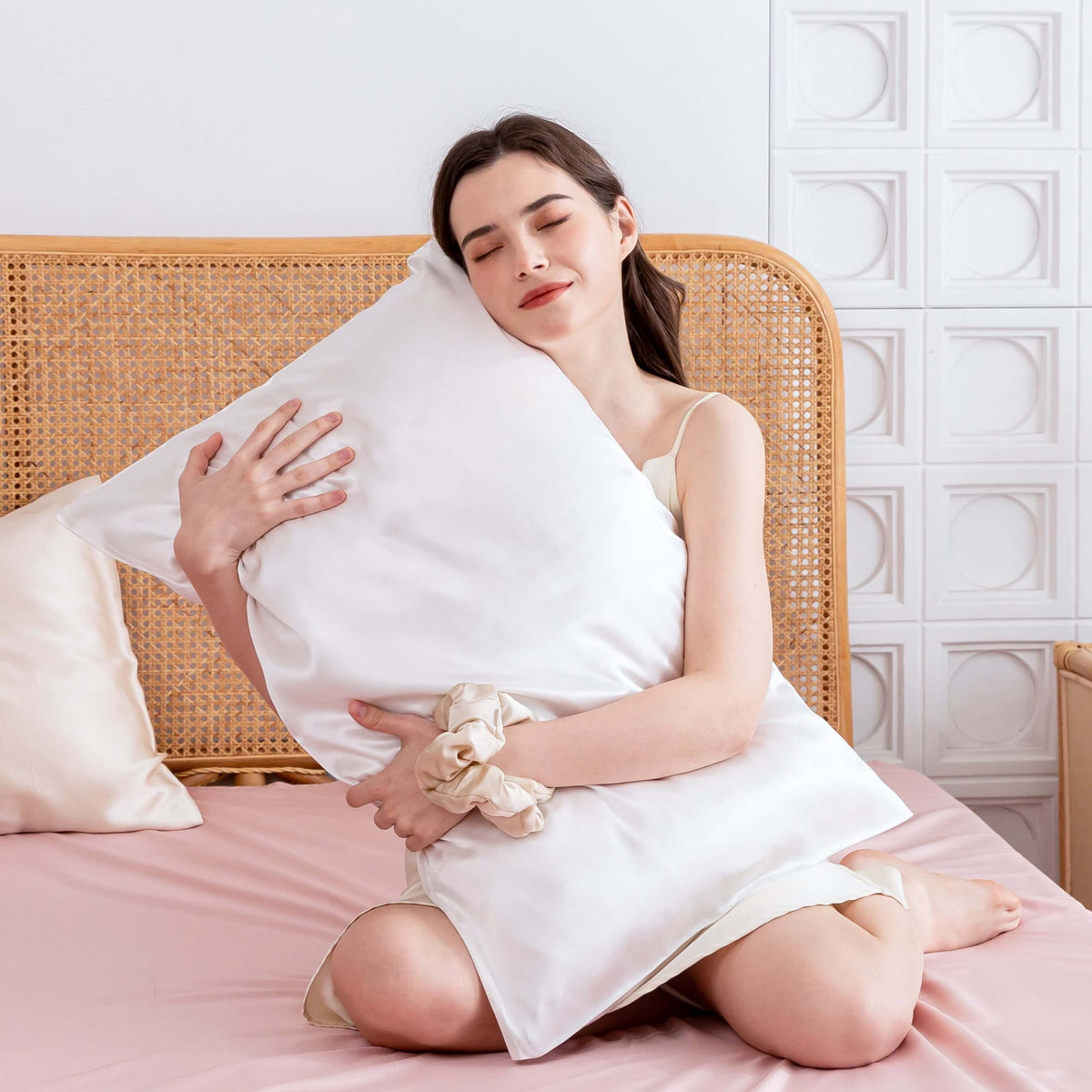
In most professional situations, we advise clients to start their silk journey with the most critical contact point: the pillowcase. While it won't solve a pest problem, it will instantly upgrade your sleep hygiene by repelling dust mites and protecting your skin.
Mulberry Silk Pillowcase ($73.00 USD)
- Material: 100% Grade 6A Chinese Mulberry Silk
- Density: 19 Momme for optimal durability and smoothness
- Properties: Hypoallergenic, anti-aging, highly breathable, and frictionless.
From our experience, upgrading to this pillowcase is the most practical first step toward a cleaner, healthier, and more luxurious bed.
Upgrade to Silk TodayFrequently Asked Questions (FAQ)
Bed bugs can technically walk across silk sheets, but they cannot live or easily grip the tightly woven, frictionless surface. They prefer rougher textures like cotton and hide in mattress seams rather than on the exposed fabric of your bedding.
No. Silk sheets do not prevent or cure bed bug infestations. While silk repels dust mites and limits bed bug mobility due to its slippery texture, a bed bug will simply navigate around the silk to reach a host.
Bed bugs do not bite through fabric. Their mouthparts are designed to pierce human skin directly. High-quality 19-momme silk is too densely woven for a bed bug to penetrate, meaning they must find exposed skin to feed.
Authoritative Sources
To ensure our analysis is grounded in science, we referenced the following authoritative institutions regarding pest behavior and fabric hygiene:
- Environmental Protection Agency (EPA) - Comprehensive data on bed bug behavior, prevention, and effective eradication methods.
- Centers for Disease Control and Prevention (CDC) - Public health insights on bed bug biology and their inability to transmit diseases through textiles.
- Asthma and Allergy Foundation of America (AAFA) - Standards and guidance on managing dust mites and selecting hypoallergenic bedding materials.


Dejar un comentario
Este sitio está protegido por hCaptcha y se aplican la Política de privacidad de hCaptcha y los Términos del servicio.