
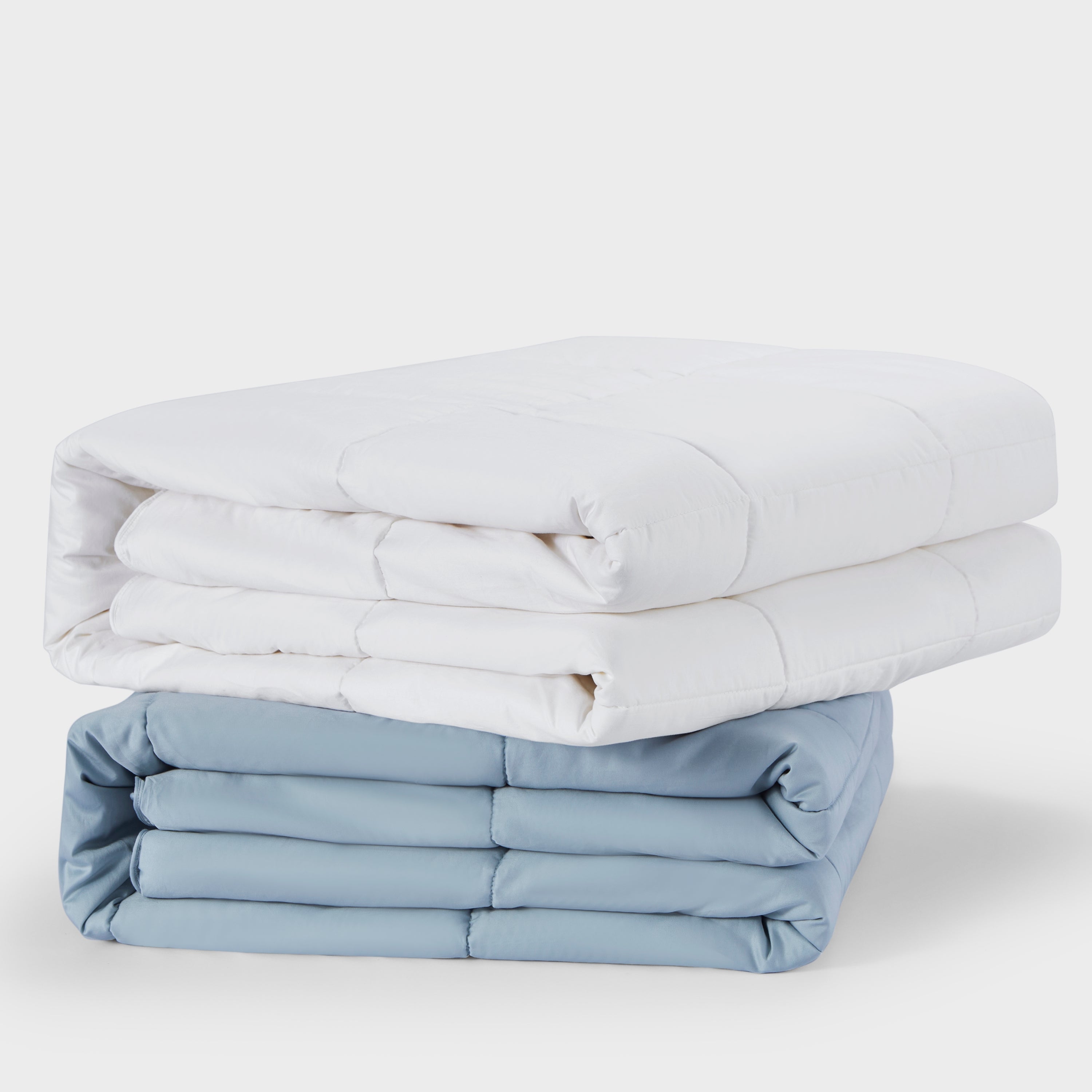
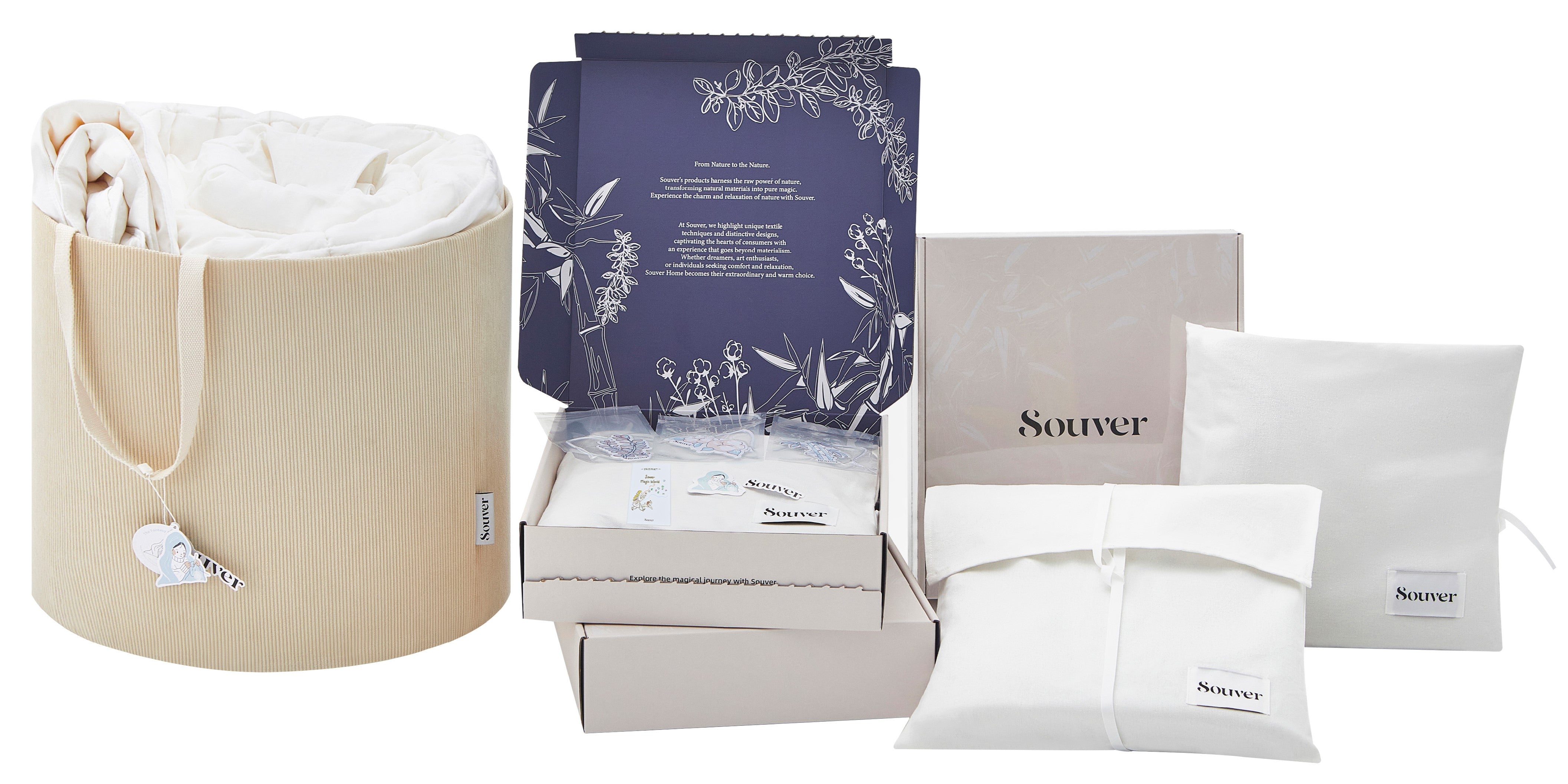



A silk pillowcase is more than a decorative bedroom upgrade. Its smooth surface, lightweight feel, and distinctive temperature and moisture behavior can make nightly contact with your hair and skin more comfortable. But it is not a miracle treatment for wrinkles, acne, or hair loss. The real value is simpler: a quality silk pillowcase can reduce the rough, absorbent contact associated with some conventional fabrics while adding a cooler, more luxurious sleep surface.

The most practical benefits of a silk pillowcase are reduced friction against hair and facial skin, a smooth and comfortable sleeping surface, less absorbency than many cotton fabrics, a lightweight feel, and a naturally breathable textile structure. These qualities may help reduce friction-related hair disruption and make skincare products feel less likely to transfer into the pillowcase. Results vary by person, fabric quality, sleep habits, and skincare routine. Silk does not cure acne, prevent all wrinkles, or replace a suitable hair and skin care routine.
Are Silk Pillowcases Actually Beneficial?
Yes, for the right reasons. If you wake up with tangled hair, dislike the feel of cotton against your face, or want a smoother and more luxurious pillow surface, silk is a worthwhile upgrade to consider. Its strongest everyday advantage is low-friction contact. That is a practical textile benefit, not a medical claim.
In most professional situations, we recommend evaluating a pillowcase by its fiber content, construction, size, care requirements, and long-term cost—not by claims that it will reverse aging or eliminate skin problems. A genuine silk pillowcase can support a more comfortable sleep routine, but it cannot compensate for unsuitable skincare, rough hair handling, or an uncomfortable mattress and pillow.
What Is a Silk Pillowcase?
A silk pillowcase is made from silk fiber, a natural protein-based filament produced by silkworms. Premium bedding commonly uses mulberry silk, which is valued for its fine, relatively uniform filaments and smooth finish. The quality of the finished pillowcase depends on more than the word "silk": fiber grade, weaving, finishing, seam construction, and manufacturing consistency all matter.
One specification worth understanding is momme, a traditional measurement of silk fabric weight. It is not the same as thread count. A higher momme generally indicates a heavier silk fabric, but it does not automatically guarantee better workmanship or a better sleeping experience. For everyday bedding, 19 momme is a practical entry point into genuine silk pillowcases: it offers a lightweight feel while providing more substance than very lightweight silk fabric.
For a broader look at materials and product options, explore our top silk pillowcases guide and Souverhome silk bedding collection.
How Does a Silk Pillowcase Work?
The benefit comes primarily from the interaction between fabric and the surfaces touching it. A silk pillowcase presents a smooth woven surface. Compared with a rougher or more absorbent fabric, it can create less drag as your face and hair move against the pillow during sleep.
Silk is also a protein fiber with a different moisture response from common cotton bedding. It generally absorbs less moisture than cotton, although it is not waterproof and will still take up moisture from perspiration, hair, and skincare products. Its lightweight structure can feel breathable, but the actual sleep temperature also depends on weave, fabric weight, room conditions, pillow filling, and the sleeper.
8 Key Benefits of a Silk Pillowcase
1. Less Friction Against Hair
Hair rubs against a pillowcase whenever you turn your head. A smoother silk surface can reduce the drag associated with some coarser fabrics. That may mean fewer friction-related tangles and less disruption to hair that is already prone to knots, dryness, or breakage.
This can be particularly useful for long hair, textured hair, fragile ends, and hair that has been colored or chemically treated. It is not a substitute for gentle detangling, conditioning, or protective styling. For beginners, the sensible expectation is easier morning hair management—not guaranteed hair growth or the elimination of split ends.
2. A Smoother Surface Against Facial Skin
Silk feels smooth against the face, and its low-friction surface may reduce the rubbing that occurs when you sleep on your side or move during the night. People who find ordinary pillowcases irritating may prefer the softer contact.
However, there is no strong basis for claiming that silk pillowcases prevent wrinkles or reverse existing lines. Facial creases are influenced by several factors, including age, sun exposure, sleep position, and skin characteristics. Silk can improve comfort; it should not be marketed as an anti-aging treatment.
3. Less Absorbent Than Many Cotton Pillowcases
Cotton is generally more absorbent than silk. A silk pillowcase may therefore take up less of the moisture from hair and skincare products than a cotton alternative. This is one reason some people prefer silk after applying a nighttime moisturizer or using leave-in hair products.
Do not interpret "less absorbent" as "keeps every product on your skin." Transfer still happens, and oil, sweat, creams, and residue can accumulate on any pillowcase. Regular laundering remains essential, especially for people with oily skin or a product-heavy evening routine.
4. A Comfortable Feel for Sensitive Skin
A smooth textile surface can feel more comfortable for people who dislike rough seams, stiff fabric, or noticeable friction against their cheeks. Genuine silk may be a useful bedding choice when comfort and surface feel are priorities.
That does not mean silk is a treatment for eczema, psoriasis, acne, or dermatitis. Skin conditions have different triggers and require appropriate care. If you are comparing fabrics for a specific concern, read our guides to pillowcases for psoriasis and pillowcases for seborrheic dermatitis, and follow advice from your dermatologist.
5. Lightweight, Breathable Sleeping Comfort
Silk is a lightweight natural fiber and can feel airy against the skin. Many sleepers appreciate the smooth, less heavy sensation, particularly when they dislike thick or brushed pillowcase fabrics. Its comfort depends on the weave and fabric weight: a silk pillowcase is not automatically cool in every room or for every sleeper.
If you regularly overheat, consider the entire sleep system. A breathable pillowcase may help with surface comfort, but pillow fill, duvet insulation, mattress materials, bedroom temperature, and humidity can have a larger effect on overall heat retention.
6. A Naturally Luxurious Look and Feel
Silk has a distinctive drape and subtle sheen that can make a bed look more refined without adding bulky layers. It feels smooth and fluid rather than crisp or textured. For people who value tactile comfort and bedroom presentation, that sensory difference is a legitimate reason to buy.
We recommend treating luxury as a combination of feel, construction, and durability—not simply a glossy product photograph. A well-finished pillowcase with a secure closure and properly sized dimensions is more useful than an attractive item that slips off the pillow or has weak seams.
7. A Useful Option for Hair and Skincare Routines
If you invest in leave-in conditioners, hair oils, or nighttime skincare, the pillowcase becomes part of the surface those products encounter. Silk's lower absorbency relative to cotton may reduce some product uptake, while its smoothness can make it a comfortable surface for overnight contact.
This is a supporting benefit, not a reason to apply more product. Use skincare as directed, allow products to settle before bed where appropriate, and wash pillowcases frequently. If breakouts are a concern, hygiene and product compatibility matter more than relying on silk alone. See our practical guide to pillowcases for acne-prone skin.
8. A Premium Bedding Upgrade Without Replacing the Whole Bed
Replacing every sheet and duvet cover can be expensive. A silk pillowcase is a targeted way to change the material that touches your face and hair for much of the night without rebuilding your entire bedding setup.
From a cost-benefit perspective, this is where silk can make sense. If you like your existing sheets, keep them and upgrade the pillowcase first. If you are already considering a coordinated bedding refresh, compare the options in our cotton vs bamboo vs TENCEL guide before deciding where silk belongs in your budget.
Limitations: What a Silk Pillowcase Cannot Do
Silk is a fabric choice, not a medical intervention. Many product descriptions exaggerate its benefits. A responsible buying decision starts by separating plausible comfort advantages from claims that are not established.
- It does not cure acne. Acne is multifactorial. A silk pillowcase cannot replace appropriate cleansing, treatment, or medical advice.
- It does not prevent all wrinkles. Lower friction may reduce rubbing, but there is no guarantee of wrinkle prevention or reversal.
- It does not stop hair loss. A smoother surface may reduce friction-related tangling, but it does not treat hormonal, genetic, nutritional, or medical causes of hair loss.
- It is not maintenance-free. Silk usually needs gentler washing and handling than many everyday cotton pillowcases.
- It is not automatically cooler. Temperature comfort depends on the whole bedding system and the environment.
- It is not automatically hypoallergenic for everyone. Individual sensitivities vary, and clean bedding is still important.
For skin concerns such as persistent irritation, acne, or dermatitis, use silk as a comfort preference if it suits you—not as a replacement for professional diagnosis or treatment.
Silk vs Cotton vs Satin: Which Pillowcase Is Better?
One common buying mistake is comparing silk with satin as if they were two equivalent natural fibers. Silk describes a fiber; satin describes a weave or fabric construction. Satin pillowcases are often made from polyester, although satin can also be made from silk or other fibers. Always check the fiber label.
| Feature | Mulberry Silk | Cotton | Polyester Satin |
|---|---|---|---|
| Surface feel | Very smooth and fluid | Varies from crisp to soft; often more textured | Smooth and slippery |
| Friction | Generally low | Depends on weave and finish | Generally low when well made |
| Moisture behavior | Less absorbent than many cotton fabrics | Typically more absorbent | Low absorbency, but may feel less breathable |
| Breathability and feel | Lightweight; depends on weave and weight | Varies by weave and fiber quality | Varies; some versions retain more heat |
| Care | Usually requires gentle care | Often easier to machine wash | Usually easier to care for; follow label |
| Price | Usually premium | Available across a wide price range | Often budget-friendly |
| Best for | Those prioritizing natural silk feel and premium comfort | Those prioritizing easy care and value | Those wanting a smooth feel at a lower price |
Our recommendation: Choose genuine mulberry silk if natural fiber content, a refined hand feel, and premium bedding comfort justify the price for you. Choose cotton if easy laundering and everyday value matter most. Choose polyester satin if you mainly want a slippery surface on a tighter budget and are comfortable with a synthetic fabric.
Pros and Cons of Silk Pillowcases
| Pros | Cons |
|---|---|
| Smooth surface can reduce friction against hair and skin | Costs more than many cotton and polyester alternatives |
| Less absorbent than many cotton fabrics | Still collects sweat, oils, and skincare residue |
| Lightweight and comfortable for many sleepers | Does not guarantee a cooler night's sleep |
| Natural silk fiber with a distinctive feel and sheen | Needs more careful washing and handling |
| Easy way to upgrade the pillow-contact surface | Benefits are comfort-related, not medical treatment |
Who Should Use a Silk Pillowcase?
A silk pillowcase is most worthwhile for people who can identify a clear reason to prefer its surface and are prepared to care for it properly.
- People with long or easily tangled hair: A smoother surface may make overnight friction less troublesome.
- People with textured, fragile, or chemically treated hair: Reducing friction is a sensible part of a gentle hair-care routine.
- Side sleepers: If your cheek regularly presses and moves against the pillow, you may appreciate the smoother feel.
- Skincare-conscious users: Silk may take up less product moisture than cotton, although it still needs frequent washing.
- Luxury bedding buyers: Those who value natural silk and tactile comfort may find the upgrade worthwhile.
- People refreshing bedding gradually: A pillowcase is a focused first purchase before investing in a full silk bedding set.
Who Does Not Need a Silk Pillowcase?
You probably do not need one if your current pillowcase is comfortable, your hair and skin routine is working well, and you prefer low-maintenance bedding. Cotton is a sensible choice for households that wash bedding frequently, want a lower replacement cost, or prioritize durability and convenience over a particular surface feel.
Silk is also not the right purchase if you expect it to resolve persistent acne, eczema, hair loss, or sleep-temperature problems on its own. Spend that budget on the intervention that addresses the actual issue.
Common Mistakes When Buying a Silk Pillowcase
1. Confusing Satin with Silk
A satin finish does not prove that a pillowcase contains silk. Polyester satin can look glossy and feel slippery, but it is a different material. Read the fiber composition rather than relying on product names or photographs.
2. Treating Momme as the Only Quality Measure
Momme helps describe fabric weight, but it does not tell you everything about silk grade, weave, stitching, dyeing, or finishing. A heavier fabric with poor construction is not automatically a better purchase.
3. Ignoring the Pillow Size
A pillowcase that is too small can strain the seams; one that is too large can bunch up and reduce comfort. Check the actual dimensions of your pillow and compare them with the seller's Queen or King measurements before ordering.
4. Believing Medical-Style Marketing Claims
Be skeptical of claims that a pillowcase cures acne, prevents wrinkles, or repairs hair. Look for realistic descriptions of fiber, construction, care, and comfort instead.
5. Overlooking Washing Instructions
Silk can be damaged by harsh detergents, high heat, rough spinning, or careless drying. If you are unwilling to follow the care label, an easy-care cotton or synthetic option may be a better match.
Buying Considerations: How to Choose a Quality Silk Pillowcase
For a purchase that holds up to regular use, compare specifications in a consistent order. We recommend checking the following before comparing colors or promotional pricing.
| Buying factor | What to check | Our advice |
|---|---|---|
| Fiber content | Clearly stated 100% silk composition | Do not assume "silky" or "satin" means genuine silk. |
| Silk type | Mulberry silk or another clearly identified silk source | Prefer transparent material descriptions over vague luxury language. |
| Momme | Fabric weight, such as 19 momme | Use it as one comparison point, not a standalone quality score. |
| Construction | Even stitching, finished edges, secure closure | Inspect seams and closure details; these affect everyday usability. |
| Size | Actual width and length for Queen or King | Measure your pillow rather than relying only on the size name. |
| Care instructions | Washing, drying, and ironing guidance | Choose a care routine you can realistically maintain. |
| Returns and support | Clear return policy and product information | Check the policy before opening or washing the item. |
Is 19 Momme Silk Worth Buying?
For many first-time buyers, 19 momme is a reasonable place to start. It offers a lightweight silk fabric feel without requiring a move to a heavier, more expensive specification. The right choice still depends on the fabric construction and how you plan to use and wash it. Do not pay a premium for a momme number if the seller cannot clearly identify the fiber content and care requirements.
How Much Should You Spend?
Rather than chasing the lowest price, compare the cost with the expected frequency of use and the care you are willing to provide. A pillowcase used every night may justify a higher initial cost if you genuinely value its feel. But if you are unsure whether silk suits you, start with one pillowcase rather than buying a complete set.
For shoppers comparing a single item with a broader bedding upgrade, our pure silk pillowcase guide provides another starting point for evaluating product options.
A 19 Momme Option from Souverhome
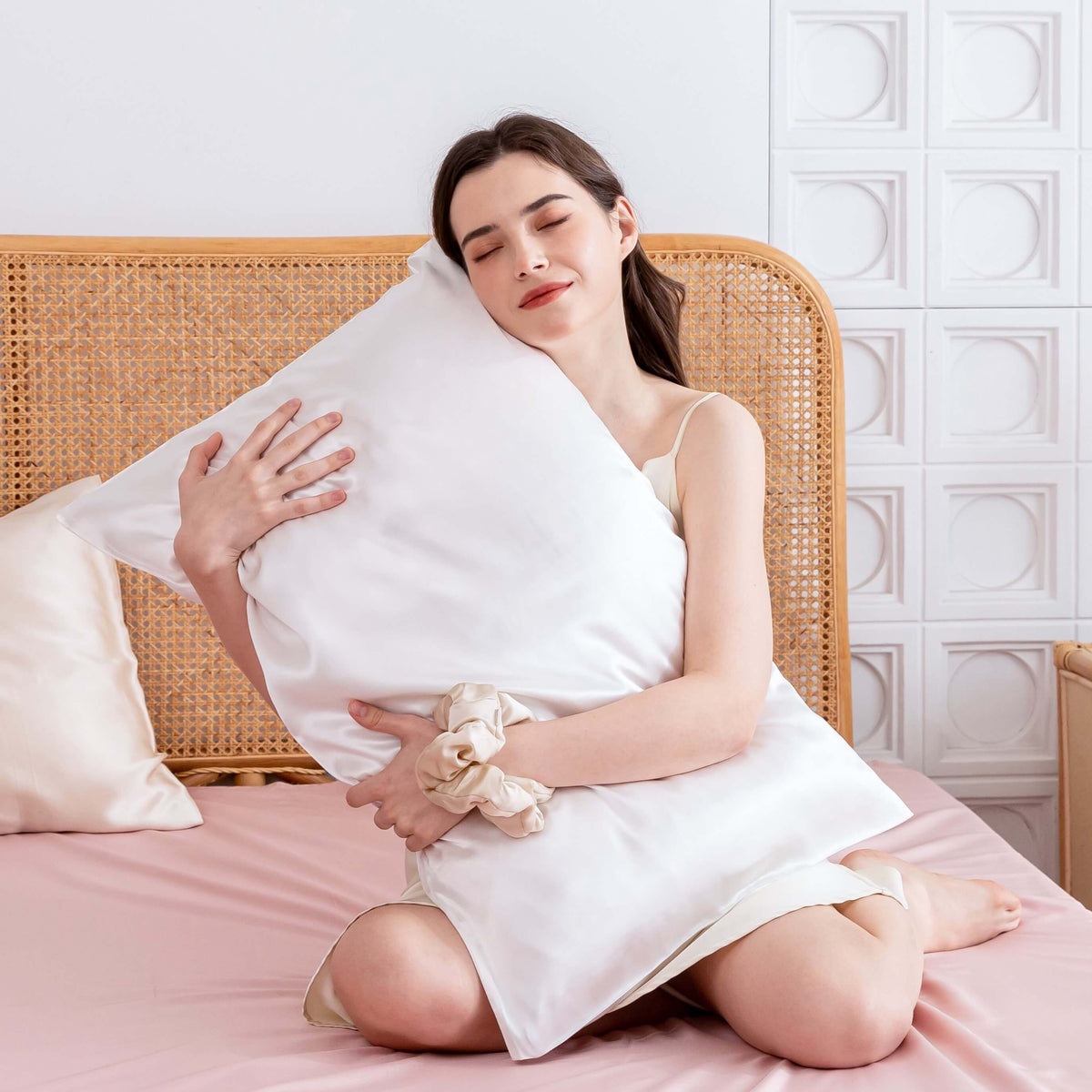
Souverhome Mulberry Silk Pillowcase
Souverhome's mulberry silk pillowcase is specified as Chinese mulberry silk with a 19 momme fabric weight and Queen and King size options. It is positioned as a smooth, lightweight, breathable bedding option for shoppers who want to upgrade the surface that touches their hair and skin.
Material: Chinese mulberry silk
Momme: 19 momme
Sizes: Queen and King
Listed properties: Smooth, soft, lightweight, and breathable
We recommend considering this type of 19 momme pillowcase if you want to try genuine mulberry silk without replacing your entire bedding setup. Confirm the dimensions, closure details, current care instructions, and return terms on the product page before ordering. Product specifications and availability can change, so use the live listing as the final reference.
How to Care for a Silk Pillowcase
Good care is part of the cost of owning silk. Follow the garment or product label first, because dyes, finishes, and construction can affect the appropriate cleaning method. In general, these habits help protect silk bedding:
- Use a detergent intended for delicate or silk fabrics.
- Wash gently in cool water if the care label permits machine washing; otherwise hand-wash as directed.
- Avoid bleach, harsh stain removers, and aggressive rubbing.
- Do not wring the fabric forcefully to remove water.
- Air-dry away from direct, intense sunlight and high heat unless the care label specifies otherwise.
- Store the pillowcase clean and completely dry.
- Wash it regularly according to your skin, hair-product use, and household bedding routine.
Do not assume that every silk pillowcase is machine washable. If convenience is your highest priority, check the care label before purchase. For a complete bedroom refresh, compare your pillowcase choice with the rest of your bedding collection options.
Expert Recommendation: Is a Silk Pillowcase Worth It?
Our position is straightforward: a genuine silk pillowcase is worth considering when you value a smooth sleeping surface, want to reduce friction against your hair, or prefer the feel of natural silk against your face. It is a targeted comfort upgrade—not a treatment and not a guaranteed beauty solution.
For beginners, start with one 19 momme mulberry silk pillowcase in the correct size. Use it consistently for several weeks and judge the things you can actually observe: how it feels, whether your hair is easier to manage in the morning, whether you like the surface against your skin, and whether the care routine is manageable.
For commercial users purchasing bedding for guest rooms or hospitality settings, weigh the premium material experience against laundry procedures, replacement budgets, and staff handling. Silk may suit premium suites or selected rooms, but it is not automatically the most economical choice for high-turnover properties.
For heavy-duty everyday use, households with frequent hot washing, or buyers who prioritize simple maintenance, high-quality cotton may be the more rational purchase. If you want the natural silk feel and are willing to care for it, Souverhome's 19 momme mulberry silk pillowcase is a relevant option to compare.
Quick Summary: The Benefits of Silk Pillowcases
| Benefit | Practical value | Best suited to |
|---|---|---|
| Less hair friction | May reduce tangling and friction-related disruption | Long, textured, fragile, or treated hair |
| Smooth skin contact | Comfortable surface with less drag | Side sleepers and people who prefer smooth fabrics |
| Lower absorbency than cotton | May take up less moisture from products | People using nighttime skincare or hair products |
| Soft feel | Gentle-feeling contact against the face | People who dislike rough or stiff pillowcases |
| Lightweight comfort | Airy feel, depending on weave and room conditions | Sleepers who prefer lightweight bedding |
| Luxury appearance | Subtle sheen and refined finish | Premium bedroom styling |
| Routine-friendly upgrade | Changes the pillow-contact surface without replacing all bedding | Gradual bedding upgrades |
Frequently Asked Questions About Silk Pillowcase Benefits
1. What are the biggest benefits of a silk pillowcase?
The main benefits are a smooth surface, reduced friction against hair and skin, lower absorbency than many cotton fabrics, lightweight comfort, and a premium feel. The most practical reason to choose silk is its surface feel and friction-related advantages.
2. Is a silk pillowcase better than cotton?
Neither is universally better. Silk is smoother and generally less absorbent, while cotton is often easier to wash, more affordable, and available in many durable weaves. Choose according to your priorities: silk for its distinctive feel, cotton for straightforward everyday care and value.
3. Does sleeping on silk help prevent wrinkles?
There is no reliable guarantee that a silk pillowcase prevents or reverses wrinkles. Its smooth surface may reduce friction while you sleep, but wrinkles are influenced by age, sun exposure, skin biology, and other factors. Treat silk as a comfort choice rather than an anti-aging treatment.
4. Can a silk pillowcase help with acne?
Silk may feel smoother and may absorb less moisture than cotton, but it does not cure or prevent acne. Clean pillowcases, suitable skincare, and appropriate treatment remain important. If acne persists, consult a qualified healthcare professional.
5. Is silk or satin better for hair?
Both silk and satin can offer a smooth surface that reduces friction compared with some rougher fabrics. The key difference is material: silk is a natural protein fiber, while satin is a weave that is often made from polyester. Compare fiber content, comfort, breathability, and care requirements.
6. What does 19 momme mean for a silk pillowcase?
Momme measures the weight of silk fabric. A 19 momme pillowcase is a relatively lightweight option for everyday use. It is a useful specification to compare, but it does not independently establish silk grade, stitching quality, or durability.
7. How often should I wash a silk pillowcase?
Wash it regularly based on your skin, perspiration, hair products, and personal hygiene routine. Follow the care label and use a gentle cleaning method suitable for silk. More frequent washing may be appropriate if you use heavy hair products or have oily skin.
8. Is a silk pillowcase worth the money?
It can be worth the cost if you value natural silk, a smooth surface, and a premium sleeping experience enough to justify the extra care. If you mainly want a low-cost, easy-care pillowcase, cotton or polyester satin may be a better-value option.
9. Is mulberry silk better for pillowcases?
Mulberry silk is widely used in premium silk bedding because its filaments can produce a fine, consistent fabric. Still, check the full product specification and construction. The label alone does not guarantee quality.
10. Should I buy a silk pillowcase if I have sensitive skin?
You may prefer its smooth feel, but individual skin responses differ. Silk is not a treatment for eczema, psoriasis, dermatitis, or other skin conditions. Choose a fabric that feels comfortable, keep it clean, and ask a dermatologist about persistent symptoms.
References
The following sources provide background on skin care, acne, and textile fiber characteristics. They do not establish that silk pillowcases treat medical conditions.

Dejar un comentario
Este sitio está protegido por hCaptcha y se aplican la Política de privacidad de hCaptcha y los Términos del servicio.