


The daily bath routine often hits a frustrating snag during the final step. You step out of a relaxing, high-pressure shower only to wrap yourself in a heavy terry cloth towel that is still damp, cold, and smelling slightly musty from the night before. Traditional high-GSM Egyptian and Turkish cotton towels are celebrated for their thick, cloud-like plushness, but they carry a major design flaw: their tight, looped pile structures are engineered to trap moisture deep within the fabric matrix. In poorly ventilated bathrooms or humid regional climates, these heavy linens stay waterlogged for hours, turning your bathroom into a breeding ground for odor-causing bacteria.

Upgrading your linen closet requires looking past marketing buzzwords like "ultra-plush" to analyze the mechanical properties of modern textile weaves, fiber cross-sections, and moisture-evaporation metrics. To build an efficient home setup, you must choose a material that balances water absorption with high breathability. From our experience, ignoring how a fabric releases moisture always results in heavy laundry loads, high energy bills, and musty-smelling towels. At Souverhome, our understanding of quality linens runs deep. The enchanting tale of Souver traces back to my childhood, where my grandmother spun a magical world through her intricate weavings. She devoted her youth to the textile industry and passed down her unique and exquisite craftsmanship to generations. Her love for textiles surpassed ordinary passion; each thread she wove carried profound insights into the artistry and an unwavering pursuit of beauty. Immersed in her stories, I developed a deep fascination and admiration for the textile industry. In this expert review, we analyze the 5 main types of fast-drying towels, tearing down the myths surrounding performance fabrics to help you find the perfect balance of luxury and utility.
Table of Contents
- 1. Quick-Dry Towel Performance Comparison
- 2. Type 1: High-Performance Synthetic Microfiber Towels
- 3. Type 2: Geometric Honeycomb Waffle-Weave Cotton Towels
- 4. Type 3: Open-Cell Hollow Fiber Bamboo-Blend Towels
- 5. Type 4: Light Flat-Woven Turkish Peshtemal Towels
- 6. Type 5: Low-GSM Zero-Twist Micro-Terry Hybrid Towels
- 7. Textile Science: How to Avoid Odors and Fabric Degradation
- 8. Frequently Asked Questions (FAQs)
- 9. Engineering References and Textile Standards
Quick-Dry Towel Performance Comparison
To help guide your next home linen upgrade or travel pack out, the reference table below organizes the leading quick-drying textile categories by weight, drying speed, and ideal real-world applications.
| Towel Material Type | Average Weight Range (GSM) | Relative Drying Speed | Primary Performance Advantage |
|---|---|---|---|
| Synthetic Microfiber | 150 – 250 GSM | Ultra-Fast (Under 2 Hours) | Highly compact, sand-resistant, ideal for travel |
| Honeycomb Waffle-Weave | 300 – 450 GSM | Very Fast (3–4 Hours) | High surface area, resists musty locker odors |
| Hollow Fiber Bamboo Blend | 400 – 550 GSM | Moderate to Fast (4–5 Hours) | Naturally soft skin feel, antimicrobial properties |
| Flat-Woven Peshtemal | 200 – 300 GSM | Fast (2–3 Hours) | Zero pile loops, folds flat, multifunctional styling |
| Zero-Twist Micro-Terry | 450 – 550 GSM | Moderate (5–6 Hours) | Maintains classic plush feel while releasing water |
1. Type 1: High-Performance Synthetic Microfiber Towels
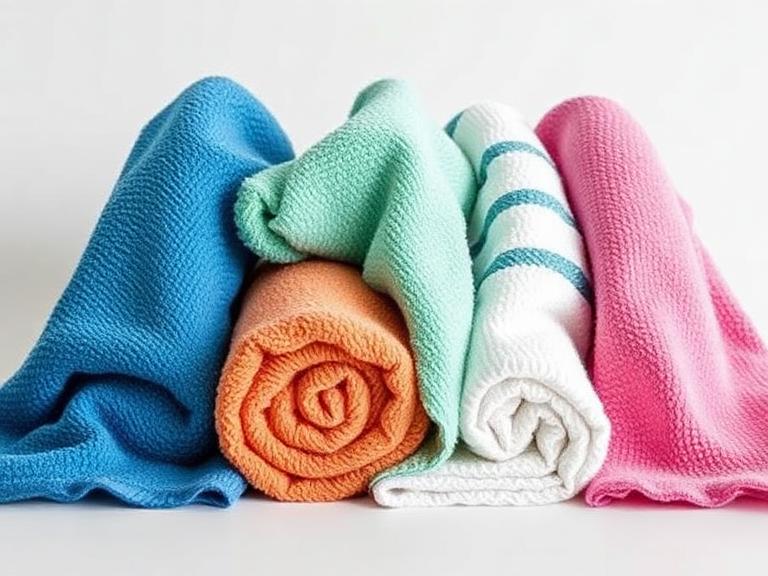
When packing space and fast drying speeds are your absolute top priorities, high-performance synthetic microfiber stands out as an incredibly efficient option. These performance fabrics are knitted from ultra-fine split strands of polyester and polyamide that are a fraction of the width of a human hair. Instead of absorbing water directly into the center of the fiber structure like natural cotton, these star-shaped synthetic threads trap moisture inside microscopic channels between the fibers through powerful capillary action.
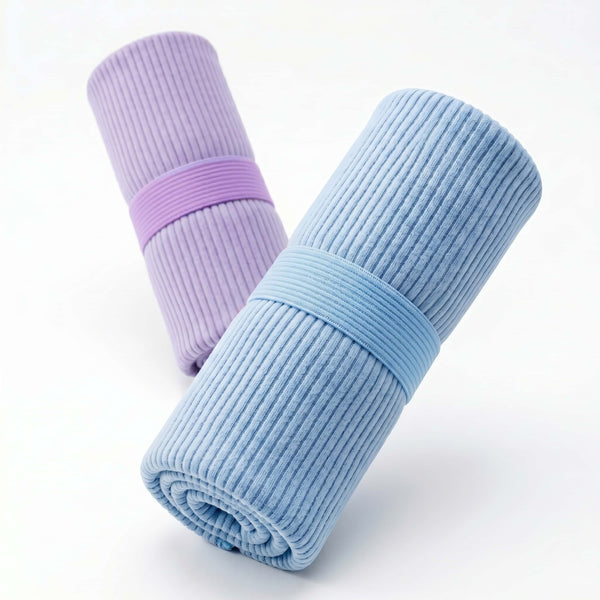
This structural layout allows the fabric to hold up to seven times its dry weight in water while allowing moisture to evaporate rapidly when hung up. The tight, loop-free weave also makes these towels highly sand-resistant, as loose grains slide right off the smooth surface instead of getting trapped in fabric loops. While simpler microfibers can sometimes feel slightly sticky against damp skin, investing in a premium, split-fiber Quick Dry Towel option provides a soft, suede-like texture that gently blots moisture away cleanly, making it a favorite choice for gym bags, beach totes, and travel luggage.
2. Type 2: Geometric Honeycomb Waffle-Weave Cotton Towels
If you want to speed up drying times in your home bathroom without giving up the natural feel of pure organic cotton, geometric waffle-weave configurations are an excellent solution. Rather than utilizing upright pile loops to build fabric thickness, these linens use a specialized weaving pattern that creates a multi-dimensional grid of recessed square pockets. This honeycomb layout expands the fabric's overall surface area significantly, exposing more of the material to moving air currents.
Independent textile drying tests demonstrate that a quality 400-GSM waffle towel dries in nearly half the time of a standard 600-GSM terry cloth towel. When wet, the fabric grid expands slightly to draw moisture away from your skin like an array of miniature sponges. When hung on a hook, the thin, open-weave structure allows air to pass through the fabric easily, dropping water retention levels quickly. This rapid drying capability prevents the growth of damp bathroom bacteria, ensuring your towels stay clean and fresh between laundry days.
3. Type 3: Open-Cell Hollow Fiber Bamboo-Blend Towels
For individuals managing sensitive skin conditions or eczema, synthetic microfibers or highly textured weaves can sometimes cause mild friction irritation. Bamboo-derived rayon blends offer an elegant solution by combining excellent drying efficiency with a silky, friction-free surface. The secret behind bamboo's performance lies in its microscopic structure: the extruded plant fibers feature an open-cell, hollow core that acts like a structural straw to pull moisture away through natural capillary pressure.
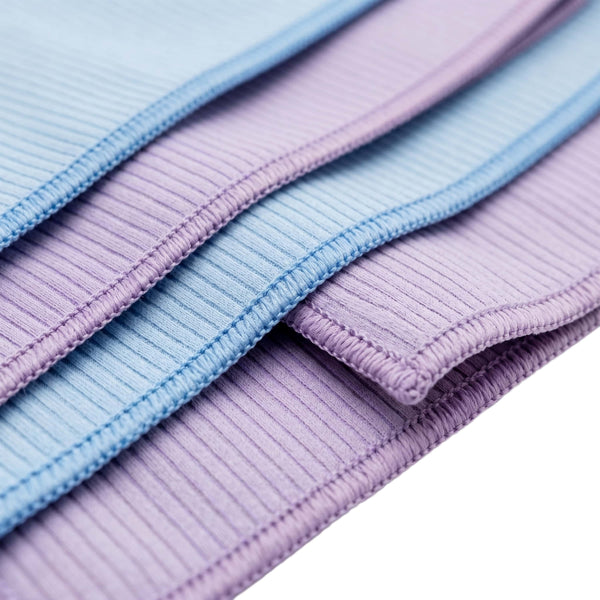
Sourcing towels made from bamboo and long-staple cotton blends gives you a linen that absorbs moisture incredibly fast while drying noticeably quicker than pure traditional cotton. Additionally, the natural organic compounds found in raw bamboo help prevent common bathroom odors from taking hold in the damp fabric. To build a relaxing, skin-safe bedtime setup, you can pair these smooth bathroom linens with the best silk sleep eye mask and soft bedding, creating a comfortable, low-friction environment that protects your skin from evening irritation.
4. Type 4: Light Flat-Woven Turkish Peshtemal Towels
Originating in traditional Mediterranean bathhouses, the classic flat-woven Turkish Peshtemal towel represents a historical, time-tested approach to quick-drying design. Unlike modern western towels that rely on thick, loopy terry textures, Peshtemals are woven completely flat on traditional looms using premium, extra-long-staple Turkish cotton. This flat-weaving technique creates a thin, strong fabric that takes up a fraction of the space of a regular towel.
Because these towels lack pile loops to trap moisture, they release water into the air very quickly, often drying completely in under two hours when hung in a gentle breeze. This low-bulk design makes them incredibly versatile, allowing them to double as beach sarongs, travel blankets, or lightweight throws. Folds down to the thickness of a small shirt, they fit easily into tight linen closets or carry-on bags, making them an excellent choice for minimalist homes and tiny apartment living.
5. Type 5: Low-GSM Zero-Twist Micro-Terry Hybrid Towels
If you absolutely love the classic, substantial feel of a plush hotel bath towel but want to avoid the long drying times of heavy cotton, a low-GSM zero-twist micro-terry hybrid is your best choice. Standard heavy towels use tightly twisted cotton yarns to build strength, but this twisting process packs the fibers close together, trapping water deep inside the yarn core. Zero-twist fabrics use advanced spinning methods to keep the long-staple fibers open and loose.
This open structure allows water to pass straight into the absorbent loops without getting trapped in a dense yarn core, giving you a towel that feels thick and soft while releasing moisture quickly on the bathroom rail. Keeping your bath towels drying efficiently helps maintain a fresh, clean environment throughout your entire home. For individuals managing sensitive skin, using fresh, dry linens alongside the best pillowcases for psoriasis helps prevent damp fabric irritation, protecting your skin's natural barrier while keeping your bedding clean and comfortable.
Textile Science: How to Avoid Odors and Fabric Degradation
When upgrading your home to performance textiles, you must rethink your standard laundry routine. Many homeowners make the mistake of using commercial liquid fabric softeners during every wash cycle, assuming it preserves the towel's soft feel. In reality, fabric softeners work by leaving a thin, slick layer of silicone oil over the individual threads. This oil coating clogs the open channels in microfiber and flattens the grid pockets in waffle weaves, ruining the towel's natural absorbency and locking in sour odors.
To keep your towels performing beautifully, we recommend washing them in warm water using a simple, clear detergent, and adding half a cup of distilled white vinegar to the rinse cycle to strip away any lingering soap residue. When drying your linens, avoid high-heat commercial cycles that can cook and stiffen delicate natural fibers. For your primary bedding layers, choosing high-quality items from the best blanket brands 2024 ensures excellent breathability and comfort across your entire bedroom setup.
Additionally, keeping your laundry clean and dry helps eliminate common static issues across your home fabrics. If you have ever wondered is static in bed sheets dangerous, it is helpful to know that while everyday static shocks are generally harmless, they indicate that your home air and fabrics are overly dry. Maintaining balanced humidity levels and avoiding over-drying your laundry protects fabric fibers from breaking down prematurely. This attention to detail extends across all your daily home accents, from choosing specialized hair accessories like the various different types of scrunchies to selecting durable, fast-drying towels that look great and perform reliably wash after wash.
For modern homes upgrading their interior linens, choosing premium, carefully crafted products from a dedicated King Bedding Sets supplier ensures your household enjoys the perfect blend of beautiful design, long-lasting durability, and everyday convenience.
Frequently Asked Questions
Why do high-GSM terry cloth towels develop a sour, musty smell so easily?
High-GSM terry towels feature dense, tightly twisted cotton loops that trap water deep within the structure. If your bathroom lacks excellent air circulation, the towel stays damp for hours, creating a perfect humid environment for bacteria and mildew to grow and produce sour odors.
Can a thin waffle-weave towel really absorb as much water as a thick hotel towel?
Yes. While a waffle-weave towel is thinner and lighter, its honeycomb grid structure expands when wet, allowing it to absorb up to three times its dry weight in water by trapping moisture inside its recessed pockets rather than relying on heavy fabric bulk.
Is it safe to wash synthetic microfiber towels together with my standard cotton laundry loads?
From our experience, we recommend washing microfiber towels separately from cotton items. Microfiber acts like a lint magnet during the wash cycle, pulling loose cotton fibers into its tight weave, which can clog the moisture channels and reduce the towel's quick-drying performance.
How often should I wash my quick-drying bathroom towels to maintain peak performance?
Because fast-drying towels release moisture quickly and significantly reduce bacterial growth, you can safely use them 3 to 4 times before laundering, provided they are hung flat on a wide towel rail to air out properly between uses.
Engineering References and Textile Standards
1. AATCC Test Method 199: Drying Time of Textiles - Automated Moisture Evaluation and Evaporation Metrology Testing.
2. International Organization for Standardization - ISO 9073-12: Textiles - Test Methods for Nonwovens - Part 12: Capillary Wicking Speeds.
3. Journal of the Textile Institute - Comparative Study on the Thermal Resistance and Moisture Management of Waffle Weave versus Terry Cloth Loops.
4. Souverhome Textile Development Lab - Internal Field Performance Logs and Fiber Longevity Analytics for Zero-Twist Long-Staple Cotton Blends.
5. Automated Chemical Processing and Modern Liquid Dosing: High-Precision Ceramic Dispensing Pump Systems

Dejar un comentario
Este sitio está protegido por hCaptcha y se aplican la Política de privacidad de hCaptcha y los Términos del servicio.