
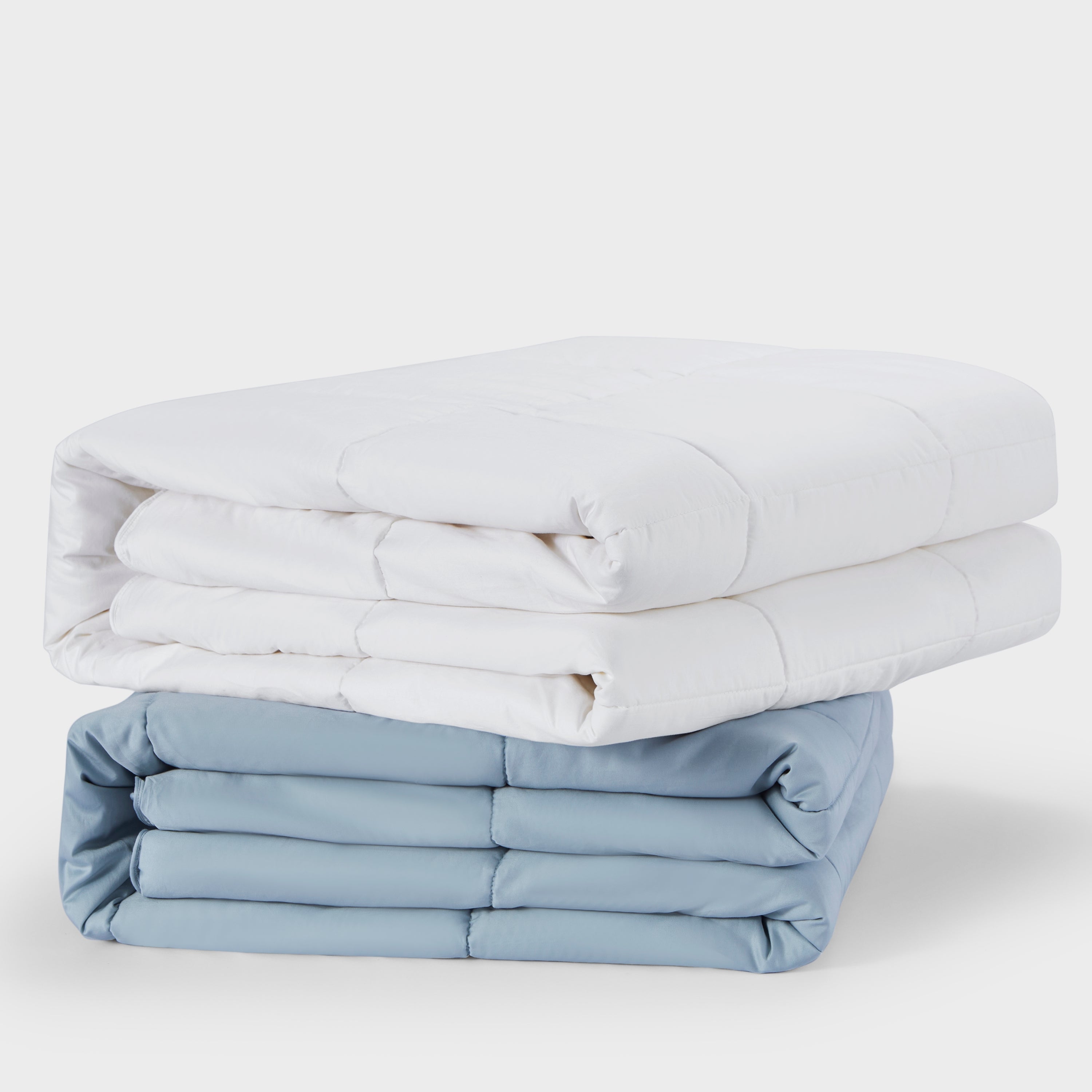
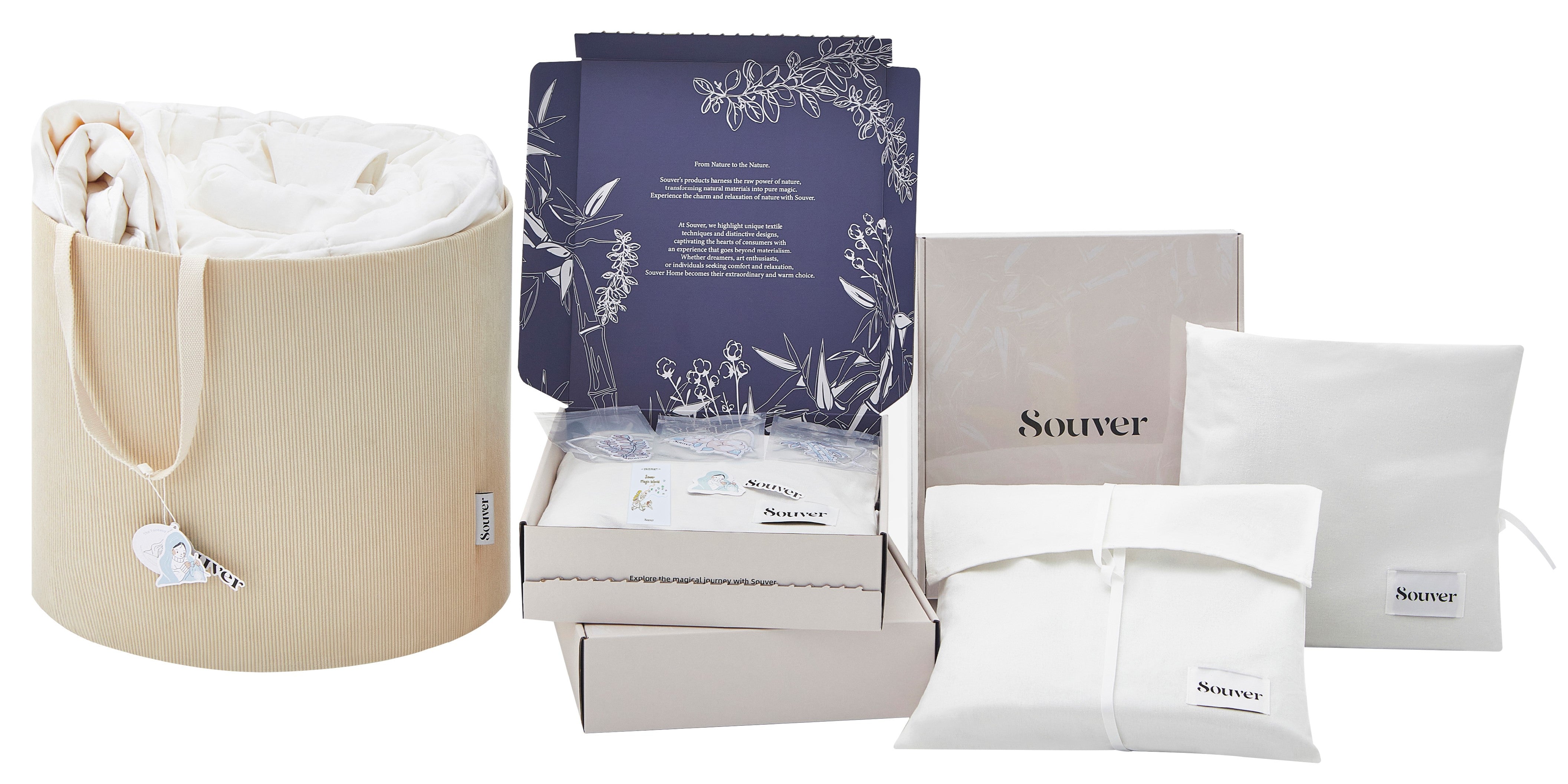


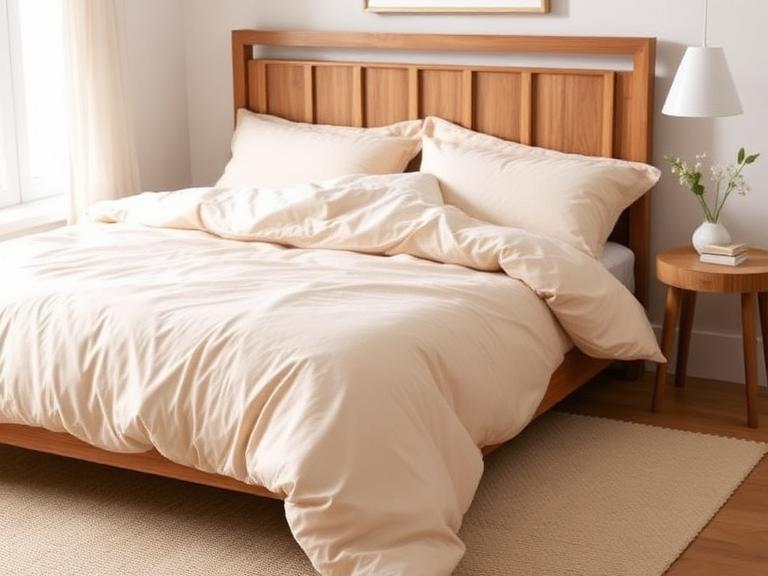
In the quest for the perfect night's sleep, consumers are increasingly turning away from traditional synthetic materials and heavy down feathers in favor of more innovative, sustainable options. Among the rising stars of the bedding industry is bamboo viscose (often simply referred to as bamboo). But as you browse through endless online catalogs and luxury bedding stores, a pertinent question arises: Is bamboo good for a comforter?

The short answer is an emphatic yes, but the reasons why go far beyond simple trendiness. Bamboo bedding has revolutionized the sleep experience for hot sleepers, allergy sufferers, and eco-conscious consumers alike. It offers a unique combination of silk-like softness, impressive durability, and thermal regulation that few other fibers can match. However, not all bamboo products are created equal, and understanding the nuances of weave, fill power, and manufacturing is crucial.
In this comprehensive guide, we will dissect the science behind bamboo fabric, compare it against stalwarts like cotton and down, and explore why heritage brands like Souver Home are championing this material through generations of textile expertise.
- 1. The Science of Bamboo Fabric: Viscose vs. Lyocell
- 2. Temperature Regulation: Why Hot Sleepers Love It
- 3. Hypoallergenic Properties and Skin Health
- 4. Durability and Care: Does It Last?
- 5. Environmental Impact: Is It Truly Sustainable?
- 6. Bamboo vs. Cotton vs. Down: The Showdown
- 7. Brand Spotlight: The Souver Home Heritage
- 8. Summary: Pros and Cons of Bamboo Comforters
- 9. Material Comparison Table
- 10. Frequently Asked Questions (FAQs)
- 11. References
1. The Science of Bamboo Fabric: Viscose vs. Lyocell
To answer the question "is bamboo good for a comforter," we must first understand what "bamboo fabric" actually is. Bamboo fabric is not woven directly from the hard stalks of the plant. Instead, it is a regenerated cellulose fiber. The process involves breaking down the bamboo pulp and reconstituting it into fibers that can be spun into yarn.
Bamboo Viscose (Rayon)

This is the most common form of bamboo fabric found in comforters and sheets. It is known for its incredible softness, often compared to cashmere or silk. The process involves dissolving bamboo cellulose in a solution to create a pulpy substance, which is then extruded into fibers. The result is a fabric that drapes beautifully and feels cool to the touch.
Bamboo Lyocell

This is the "next generation" of bamboo fabric. It uses a closed-loop manufacturing process where the solvents used to break down the bamboo are recycled and reused, preventing them from entering the ecosystem. While slightly less silky than viscose, lyocell is often stronger and considered more environmentally friendly.
Regardless of the specific type, the inherent structure of the bamboo fiber is micro-gapped. These microscopic holes in the fiber are what give bamboo its superior moisture-wicking and breathability capabilities, making it an excellent shell and fill material for high-quality comforters.
2. Temperature Regulation: Why Hot Sleepers Love It
One of the primary reasons consumers ask "is bamboo good for a comforter" is due to sleep issues related to overheating. Night sweats and hot flashes can ruin sleep quality, and heavy polyester or down comforters often exacerbate the problem by trapping body heat.
Bamboo is naturally thermoregulating. This means it reacts to your body temperature. When you are hot, the micro-gaps in the fiber allow hot air and humidity to escape, wicking moisture away from your skin much faster than cotton. When you are cold, the same fibers can trap a layer of warm air to keep you cozy without the stifling heaviness of wool.
For couples who have different sleep temperature preferences, a bamboo comforter is often the perfect compromise. It provides the "weight" and security of a duvet without turning the bed into a sauna. This adaptability makes it a true four-season bedding solution.
3. Hypoallergenic Properties and Skin Health
Your bed is a sanctuary, but for allergy sufferers, it can be a battlefield of dust mites and bacteria. Traditional down comforters are notorious for trapping dust and dander, which can trigger asthma and allergies. Even cotton, if it stays damp from sweat, can become a breeding ground for bacteria.
Bamboo possesses a natural bio-agent called "Bamboo Kun." While the extent to which this agent survives the manufacturing process is debated, the resulting fabric is undeniably inhospitable to dust mites and bacteria due to its moisture management. Because bamboo wicks moisture away so effectively, the environment remains dry and cool—conditions that dust mites hate.
Furthermore, the physical structure of the bamboo fiber is round and smooth, unlike the jagged edges of wool or hemp. This means it causes significantly less friction against the skin, making it an ideal choice for people with eczema, sensitive skin, or acne. Sleeping under a bamboo comforter feels like a gentle caress rather than a scratchy covering.
4. Durability and Care: Does It Last?
Investing in luxury bedding is a financial commitment, so durability is a key factor. Is bamboo good for a comforter in the long run? Yes, provided it is cared for correctly.
Bamboo fibers are incredibly strong, especially when woven into a high thread count sateen or twill weave. They resist pilling better than low-quality cotton and maintain their structural integrity even after multiple washes. However, they are distinct from cotton in how they handle water.
Care Instructions
- Wash in Cold Water: Hot water can weaken the fibers and cause shrinkage.
- Gentle Cycle: Avoid aggressive agitation.
- Avoid Bleach: Harsh chemicals break down the cellulose structure.
- Line Dry or Low Heat: High heat in a dryer is the enemy of bamboo. It is best to tumble dry on low or air dry to maintain softness.
With proper care, a bamboo comforter can last for over a decade, maintaining its silkiness and cooling properties throughout its lifespan.
5. Environmental Impact: Is It Truly Sustainable?
Sustainability is a major driver in the shift towards bamboo. The bamboo plant itself is a miracle of nature:
- Rapid Growth: It is the fastest-growing plant on Earth, capable of growing up to 3 feet in a day.
- No Pesticides: It grows naturally without the need for chemical fertilizers or pesticides, unlike conventional cotton which is one of the world's dirtiest crops.
- Water Efficiency: Bamboo requires significantly less water than cotton to grow (about 1/3 the amount).
- Carbon Sequestration: A grove of bamboo releases 35% more oxygen into the atmosphere than an equivalent stand of trees.
While the chemical process to turn bamboo into fabric does require management, reputable manufacturers use closed-loop systems to minimize environmental harm. When comparing the entire lifecycle, bamboo is generally considered a far greener option than synthetic polyester (which is plastic) or water-intensive cotton.
6. Bamboo vs. Cotton vs. Down: The Showdown
To definitively answer if bamboo is good for a comforter, we must compare it to the alternatives.
Bamboo vs. Cotton
Cotton is the traditional king, but bamboo is the modern challenger. Bamboo is softer than even high-thread-count Egyptian cotton. It is more absorbent and cooler. Cotton, however, is generally easier to wash (can handle higher heat) and comes in a wider variety of crisp textures for those who dislike the "slinky" feel of bamboo.
Bamboo vs. Down
Down feathers offer the highest insulation-to-weight ratio (loft). If you live in a freezing climate with no heating, down is superior for warmth. However, down is problematic for allergies and involves animal welfare concerns (live-plucking). Bamboo is vegan, hypoallergenic, and provides sufficient warmth for modern, climate-controlled homes without the ethical baggage.
7. Brand Spotlight: The Souver Home Heritage
When selecting a bamboo comforter or matching sheet set, the manufacturer's philosophy matters. Quality bamboo requires precision in weaving and a dedication to the craft.
Souver Home

In the realm of textiles, where beauty meets warmth, there stands a masterful woman of exceptional skill—my grandmother. She devoted her youth to the textile industry and passed down her unique and exquisite craftsmanship to generations. Her love for textiles surpassed ordinary passion; each thread she wove carried profound insights into the artistry and an unwavering pursuit of beauty.
The enchanting tale of Souver traces back to my childhood, where my grandmother spun a magical world through her intricate weavings. Every textile she painstakingly crafted was a miraculous spell, each fiber an intertwining of her boundless love. Immersed in her stories, I developed a deep fascination and admiration for the textile industry.
This deep-rooted heritage ensures that every product from Souver Home is not just a commodity, but a piece of art designed for comfort.
Our Products
To complement your bamboo comforter, consider a complete bedding ecosystem:
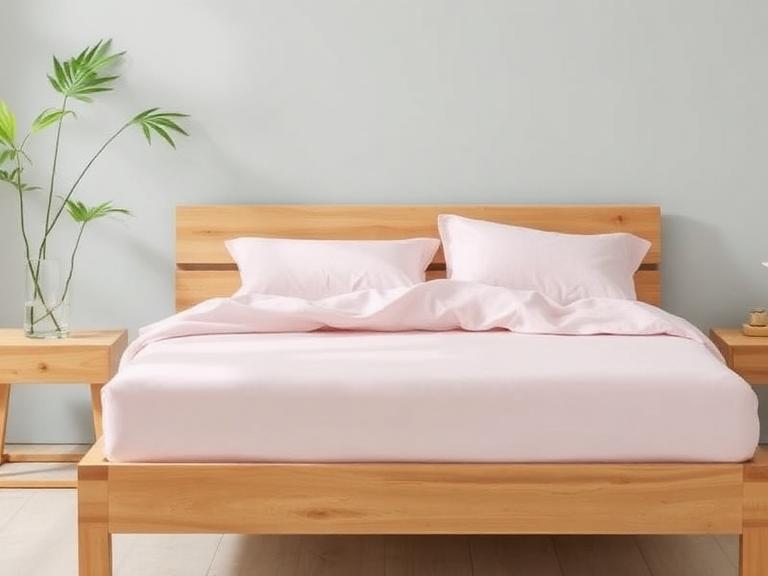
- Bamboo Sheet Sets: The foundation of a cool sleep.
- Bamboo Fitted Sheet: Precision-fit for mattresses of all depths.
- Bamboo Flat Sheet: The perfect layer between you and your comforter.
8. Summary: Pros and Cons of Bamboo Comforters
Pros:
- Superior temperature regulation (keeps you cool).
- Incredibly soft and silky texture.
- Hypoallergenic and resistant to dust mites.
- Environmentally friendly farming (low water, no pesticides).
- Durable and resistant to pilling.
Cons:
- Can be more expensive than synthetic or basic cotton options.
- Requires careful washing (cold water, low heat).
- Can wrinkle easily if left in the dryer.
9. Material Comparison Table
| Feature | Bamboo | Cotton | Down/Feather | Polyester |
|---|---|---|---|---|
| Cooling | Excellent | Good | Poor | Poor |
| Softness | High (Silky) | Medium (Crisp) | Medium (Fluffy) | Low to Medium |
| Hypoallergenic | Yes | No | No | Yes |
| Sustainability | High | Low (Water intensive) | Medium (Animal byproduct) | Low (Microplastics) |
| Durability | High | High | High | Medium |
10. Frequently Asked Questions (FAQs)
While many bamboo comforters are durable enough to use alone, using a duvet cover (preferably also bamboo) is recommended. It protects the comforter from oils and stains, reducing the need for frequent washing of the bulky comforter itself. Souver Home offers excellent Bamboo Sheet Sets that pair perfectly.
Yes. Bamboo fabric is tightly woven, which helps repel pet hair better than fuzzy fabrics like fleece or flannel. It is also odor-resistant, helping to keep that "wet dog" smell at bay.
Bamboo is surprisingly adept at insulation despite being thin. However, if you live in extremely cold climates without central heating, you might need a heavier fill weight or an additional blanket. For typical indoor temperatures (65-72°F), it is perfect year-round.
Bamboo is a natural fiber and is prone to wrinkling if left in the dryer. To minimize this, remove the comforter immediately after the dry cycle finishes and lay it flat on the bed.
11. References
1. Textile Research Journal. "Comparative Analysis of Thermal Comfort Properties of Bamboo and Cotton Fabrics."


留言
此網站已受到 hCaptcha 保護,且適用 hCaptcha 隱私政策以及服務條款。