


The enchanting tale of Souver Home traces back to my childhood, where my grandmother spun a magical world through her intricate weavings. Every textile she painstakingly crafted was a miraculous spell, each fiber an intertwining of her boundless love. Immersed in her stories, I developed a deep fascination and admiration for the textile industry. Since 1995, our family has been establishing its own textile factory, dedicating nearly two decades to producing high-quality luxurious fabrics. Over the past decade, we have meticulously optimized every aspect of our supply chain, carrying forward my grandmother's spirit of precision to build an environmentally friendly, sustainably developing, and comfortable high-end home textile brand.

Through our decades of manufacturing and sourcing the finest materials globally, we continually encounter one persistent question from our discerning clientele: Is bamboo better than Egyptian cotton? It is a complex inquiry that touches upon sleep science, environmental sustainability, and tactile preference. Both materials sit at the pinnacle of luxury bedding, yet they offer vastly different experiences. To determine the answer to Is bamboo better than Egyptian cotton, we must dissect the molecular structure, manufacturing processes, and practical sleep benefits of each fiber.
Table of Contents
- The Origins: Understanding the Fibers
- Breathability and Temperature Regulation
- Softness and the Tactile Experience
- Durability, Care, and Longevity
- Environmental Impact and Sustainability
- Summary Table: Is bamboo better than Egyptian cotton?
- Integrating Souver Home Collections
- Frequently Asked Questions (FAQs)
- References
The Origins: Understanding the Fibers
Before answering Is bamboo better than Egyptian cotton, we must first understand what these textiles actually are. Egyptian cotton is derived from the Gossypium barbadense plant, specifically grown in the nutrient-rich soil of the Nile River Valley. This unique climate produces extra-long staple (ELS) cotton fibers. These long fibers can be spun into incredibly fine, strong yarns, which is why Egyptian cotton has been the gold standard for luxury hotel bedding for over a century. It is crisp, structured, and highly breathable.
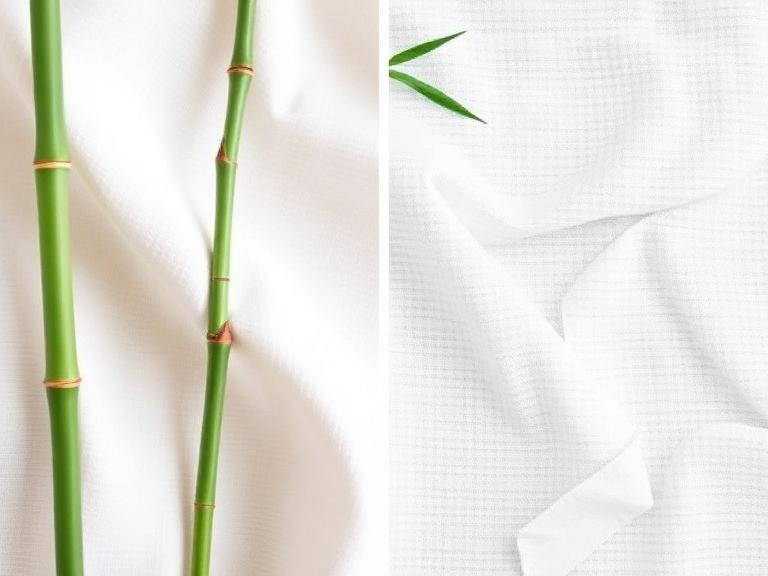
Conversely, bamboo bedding is a marvel of modern textile technology. The raw material is sourced from the fast-growing bamboo plant. The woody bamboo pulp is broken down and extruded into fine fibers, typically resulting in bamboo viscose or bamboo lyocell. The result is a fabric that mimics the drape and luster of natural silk. At Souver Home, our Lyocell Sheet Sets and Lyocell Flat Sheet collections represent the most advanced and eco-friendly iteration of this process. When comparing the two, asking Is bamboo better than Egyptian cotton requires us to look past the marketing terminology and analyze how these fibers perform in a sleep environment.
Breathability and Temperature Regulation
One of the primary metrics we use to evaluate luxury bedding is thermal regulation. If you are a hot sleeper, the question Is bamboo better than Egyptian cotton is easily answered by examining moisture management. From our experience, bamboo possesses superior moisture-wicking properties. The micro-gaps within the bamboo fiber structure allow it to absorb and evaporate human perspiration up to three times faster than traditional cotton. This creates a highly effective evaporative cooling effect, keeping the sleeper dry and comfortable throughout the night.
Egyptian cotton is undeniably breathable. The fine weave allows air to pass through freely, preventing the trapping of body heat. However, it does not wick moisture as aggressively as bamboo. If you perspire heavily, cotton will absorb the moisture but may hold onto it longer, potentially leading to a damp feeling. Therefore, regarding thermal regulation, we recommend Bamboo Sheet Sets and Bamboo Fitted Sheet products for those who struggle with night sweats or reside in humid climates. In this specific category, the answer to Is bamboo better than Egyptian cotton leans heavily toward bamboo.
Softness and the Tactile Experience
The tactile experience is deeply subjective, yet it remains central to the Is bamboo better than Egyptian cotton debate. Egyptian cotton is renowned for its crisp, clean feel. When first purchased, it can feel slightly stiff, but its defining characteristic is that it softens beautifully with every wash. It provides a structured, hotel-like crispness that many sleep traditionalists adore. If you prefer your bedding to have a slight snap and a matte finish, our Organic Cotton Sheet Sets offer an exceptional experience modeled after this traditional feel.
Bamboo, on the other hand, provides instant gratification. Out of the package, bamboo fabric is buttery soft, fluid, and possesses a subtle, elegant sheen. It drapes heavily over the body, contouring to your shape rather than tenting over you like crisp cotton. It feels remarkably similar to high-grade silk but without the demanding maintenance. When clients ask us Is bamboo better than Egyptian cotton for sensitive skin, our answer is unequivocally yes. The perfectly smooth, rounded surface of the bamboo fiber causes zero friction against the skin, making it the ideal choice for individuals with eczema, rosacea, or sensory sensitivities.
Durability, Care, and Longevity
When investing in high-end home textiles, longevity is a paramount concern. Here, the dynamics of the Is bamboo better than Egyptian cotton debate shift slightly. Extra-long staple Egyptian cotton is incredibly strong. The length of the fibers means there are fewer splice points in the yarn, reducing the likelihood of pilling, tearing, or thinning over time. With proper care, a premium Egyptian cotton sheet can last for a decade, continuing to soften and improve with age.
Bamboo is highly durable, but it requires more delicate handling. The fibers are incredibly strong when dry, but they lose some tensile strength when wet. Therefore, we recommend washing Bamboo Sheet Sets and Lyocell Sheet Sets on a gentle cycle with cold water and avoiding harsh chemical detergents or high-heat tumble drying. If you follow these care instructions, bamboo sheets will maintain their luxurious drape and softness for years. However, in a strict test of raw mechanical durability against heavy commercial laundering, Egyptian cotton generally holds the advantage. When assessing Is bamboo better than Egyptian cotton based on durability alone, cotton remains the undisputed heavyweight champion.
Environmental Impact and Sustainability
At Souver Home, aiming to build an environmentally friendly, sustainably developing brand is at the core of our operations. Consequently, the environmental impact of these materials is vital to answering Is bamboo better than Egyptian cotton. Traditional Egyptian cotton is a highly resource-intensive crop. It requires vast amounts of water and, historically, relies on heavy pesticide and fertilizer usage to maintain high yields. While organic farming practices are improving this landscape, the water footprint remains substantial.
Bamboo is an environmental powerhouse. It is one of the fastest-growing plants on Earth, requires no artificial irrigation beyond natural rainfall, and naturally resists pests without the need for agricultural chemicals. Furthermore, it regenerates from its own root system after harvesting, preventing soil erosion. When processed into lyocell using a closed-loop system—where water and non-toxic solvents are captured and reused—it is one of the most sustainable textiles available. From an ecological standpoint, when consumers ask Is bamboo better than Egyptian cotton, bamboo clearly aligns better with modern sustainability goals. Our Lyocell Fitted Sheet and Lyocell Flat Sheet collections represent the pinnacle of this eco-conscious manufacturing.
Summary Table: Is bamboo better than Egyptian cotton?
To provide a clear, objective overview of our findings, we have compiled a comprehensive comparison table. This breakdown will help you determine the answer to Is bamboo better than Egyptian cotton based on your specific lifestyle and sleep preferences.
| Feature / Property | Bamboo (Viscose/Lyocell) | Egyptian Cotton (Extra-Long Staple) |
|---|---|---|
| Initial Softness | Incredibly soft and silky right out of the package. | Crisp and structured; softens gradually with repeated washing. |
| Temperature Regulation | Superior cooling; highly breathable and rapidly wicks moisture. | Highly breathable, but retains moisture longer than bamboo. |
| Tactile Drape | Fluid, heavy drape that closely contours to the body. | Crisp, lightweight drape that maintains structural shape. |
| Durability and Care | Durable but requires gentle, cold-water washing. | Exceptionally durable; withstands higher heat and vigorous washing. |
| Skin Sensitivity | Hypoallergenic, perfectly smooth fibers ideal for sensitive skin. | Hypoallergenic and natural, but fibers have slightly more texture. |
| Environmental Impact | Highly sustainable, rapidly renewable, requires minimal water. | Resource-intensive, requires significant water and agricultural land. |
Integrating Souver Home Collections into Your Bedroom
Ultimately, the answer to Is bamboo better than Egyptian cotton depends entirely on the sleeper. Since 1995, our family has dedicated itself to offering choices that cater to diverse needs without compromising on quality. We recommend evaluating your sleep environment carefully before making a selection.
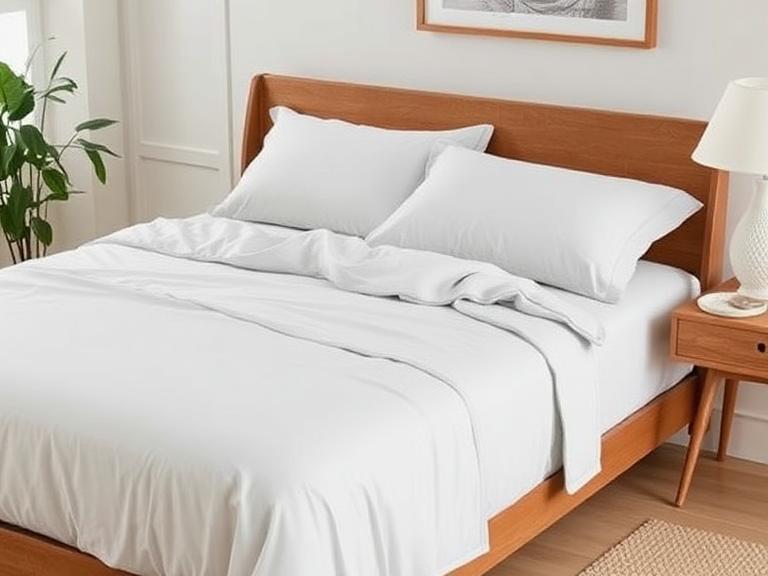
If you prioritize a cooling, silky, and eco-friendly sleep sanctuary, we highly recommend exploring our Bamboo Sheet Sets and Lyocell Sheet Sets. You can customize your bed with a precise Bamboo Fitted Sheet and a flowing Bamboo Flat Sheet to maximize the thermal regulating benefits. Conversely, if you love the crisp, fresh, and highly durable feel of traditional luxury, our Organic Cotton Sheet Sets, complete with an Organic Cotton Fitted Sheet and an Organic Cotton Flat Sheet, will deliver that classic, high-end hotel experience.
By blending advanced textile technologies with my grandmother's spirit of precision, Souver Home guarantees that whether you choose the fluid grace of bamboo or the crisp heritage of cotton, you are investing in a miraculous spell of comfort.
Frequently Asked Questions (FAQs)
Yes. From our experience, bamboo is significantly better for managing night sweats. The micro-structure of bamboo fibers allows them to absorb moisture and pull it away from the skin much faster than Egyptian cotton. The rapid evaporation creates a cooling effect that keeps hot sleepers comfortable throughout the night.
If not cared for properly, bamboo can pill faster than high-grade Egyptian cotton. Egyptian cotton's extra-long staple fibers make it naturally resistant to pilling. To prevent your bamboo sheets from pilling, we recommend washing them separately from rough fabrics (like denim or towels) and avoiding warm water and high-heat drying cycles.
Both materials are excellent choices for allergy sufferers as they are naturally hypoallergenic. However, bamboo edges out Egyptian cotton slightly in this regard. Bamboo naturally repels dust mites and possesses inherent antibacterial properties, making it an incredibly safe and soothing choice for those with severe allergies or sensitive skin conditions.
True Egyptian cotton (Gossypium barbadense) can only be grown in specific climates and represents a tiny fraction of global cotton production. The harvesting and processing of these extra-long fibers are labor-intensive. While luxury Lyocell bamboo is also a premium product, the bamboo plant itself grows rapidly and abundantly, which can sometimes stabilize the raw material costs more effectively than climate-dependent cotton.
References
1. Global Textile Sustainability Index. "Environmental Impacts of Bamboo Viscose vs. Traditional Cotton Cultivation."
2. The Institute of Sleep Science and Thermal Regulation. "Moisture Management and Evaporative Cooling in Bedding Materials."


留言
此網站已受到 hCaptcha 保護,且適用 hCaptcha 隱私政策以及服務條款。