


Silk pillowcases are often promoted as a beauty essential, but are they genuinely better than cotton, or are you simply paying more for a luxurious-looking bedroom? The honest answer is that silk pillowcases can make a noticeable difference in how your skin and hair interact with your bedding overnight. However, they are not a miracle anti-aging product, an acne treatment, or a replacement for a good skincare routine.
The biggest practical advantages are a smoother sleeping surface, less friction against hair and facial skin, and a comfortable fabric that can help manage the feeling of moisture and temperature during sleep. Whether those benefits justify the price depends on your hair type, skin concerns, sleep habits, and the quality of the silk you buy.

For most buyers, we recommend genuine mulberry silk over satin-look polyester when the goal is natural silk's feel and fiber properties. But paying more only makes sense when the material, momme weight, stitching, and care requirements meet your expectations.
Yes. Silk pillowcases can make a practical difference by reducing friction between your hair, skin, and pillow surface. This may help reduce friction-related hair tangling, frizz, and mechanical stress, while providing a smooth and comfortable surface for facial skin. Silk can also feel less absorbent than some cotton fabrics, which may help reduce how much skincare product is drawn into the pillowcase.
However, silk pillowcases do not prevent all wrinkles, cure acne, treat eczema, or guarantee better sleep. The benefits are gradual and depend on fabric quality, fit, washing habits, and personal sensitivity. A well-made 19 momme mulberry silk pillowcase is a sensible upgrade for people who value comfort and lower-friction bedding, but it is not essential for everyone.
Quick Summary: Are Silk Pillowcases Worth It?
| Question | Practical Answer | Our Recommendation |
|---|---|---|
| Do silk pillowcases reduce hair friction? | Yes. Their smooth surface can reduce friction compared with many rougher fabrics. | Worth considering for long, curly, textured, or easily tangled hair. |
| Are they better for facial skin? | They can provide a smoother contact surface and may reduce friction during sleep. | A useful comfort upgrade, not an acne or wrinkle treatment. |
| Do they prevent wrinkles? | They may reduce friction-related creasing, but cannot prevent natural skin aging. | Do not buy silk solely for wrinkle prevention. |
| Are they cooler than cotton? | Silk often feels smooth and comfortable, but temperature depends on weave, bedding layers, room conditions, and the sleeper. | Choose breathable bedding and avoid assuming silk is always cooler. |
| Is real silk better than polyester satin? | They can look and feel similar, but they are different materials with different fiber properties. | Choose silk if you specifically want natural mulberry silk. |
| Is 19 momme enough? | 19 momme is a commonly used silk bedding weight and can offer a balance of feel and durability when well made. | A reasonable starting point for a quality silk pillowcase. |
| Are silk pillowcases worth the price? | They can be, if you value the feel and lower-friction surface and will care for them properly. | Prioritize genuine silk quality over luxury branding. |
What Is a Silk Pillowcase?
A silk pillowcase is a pillow covering made from silk fibers, most commonly mulberry silk in premium bedding. Mulberry silk is produced by silkworms raised on a controlled diet of mulberry leaves. The resulting fibers can be spun and woven into a smooth, lightweight textile that is valued for its soft feel, natural luster, and drape.
Silk is a natural protein-based fiber. Its surface and structure differ from cotton, linen, and synthetic fabrics. That difference is relevant because a pillowcase is in contact with your face and hair for several hours every night. Small differences in friction, texture, moisture interaction, and comfort can become noticeable over repeated use.
Not every product advertised as a silk pillowcase is made from pure silk. Some products use polyester satin, while others use blended fabrics. Satin describes a weave or surface finish, not a fiber. A satin pillowcase may be made from silk, polyester, or another material.
Mulberry silk versus satin: what is the difference?
Mulberry silk identifies the fiber source and material. Satin describes a weave structure that creates a smooth, glossy surface. A polyester satin pillowcase can feel slippery, but it is not natural silk. If you want the characteristics of silk as a natural fiber, check the material label rather than relying on words such as "silky," "satin touch," or "silk effect."
Before comparing prices, read our guide to mulberry silk grades and quality. Understanding the material is more useful than choosing a pillowcase based on packaging or marketing claims.
How Do Silk Pillowcases Work for Skin and Hair?
The main reason silk pillowcases can make a difference is friction. During sleep, your head moves against the pillow. Hair strands rub against the fabric, and facial skin experiences repeated contact and pressure. A smoother textile surface can reduce the amount of friction compared with some more textured fabrics.
This does not mean silk stops all friction. Hair still moves, skin still presses against the pillow, and sleeping position still matters. But reducing unnecessary surface drag can be helpful for people who wake up with tangled hair, flattened curls, or visible sleep creases.
Why surface friction matters for hair
Hair is exposed to mechanical stress from brushing, styling, clothing, towels, and bedding. When strands repeatedly rub against a rough or highly textured surface, they can become tangled or experience more friction-related wear. A smooth silk pillowcase may help hair glide more easily as you move during sleep.
This can be particularly relevant for long hair, curly hair, chemically treated hair, or hair that tangles easily. It is not a cure for split ends or breakage caused by heat styling, chemical processing, or poor hair care. Think of silk as one small part of a lower-friction hair routine.
Why fabric choice matters for facial skin
Your face rests against a pillowcase for a substantial portion of the night. A smooth fabric may reduce rubbing and the feeling of friction, especially if you sleep on your side or move frequently. Silk also tends to feel soft against sensitive skin.
However, skin concerns such as acne, rosacea, psoriasis, and dermatitis have multiple causes. A silk pillowcase does not remove excess oil from the skin, kill acne-causing bacteria, or replace appropriate treatment. If you have recurring irritation, the most important steps are a suitable skincare routine, regular bedding hygiene, and professional advice when symptoms persist.
7 Ways Silk Pillowcases Can Actually Make a Difference
1. Less friction against hair
This is one of the most practical reasons to switch. A smooth silk surface can reduce friction between the pillowcase and hair strands as you turn your head. People with long or easily tangled hair may notice fewer knots in the morning and less resistance when brushing.
For curly and textured hair, reducing friction can help preserve the shape of curls overnight. It will not eliminate the need for protective hairstyles or appropriate conditioning, but it can make the sleeping environment gentler.
2. Less morning frizz and tangling
Hair that rubs against bedding repeatedly can look more disordered by morning. A smoother surface may help reduce the mechanical disturbance that contributes to frizz and tangles. This is especially useful for people who spend time styling their hair and want to preserve the result overnight.
For beginners, a silk pillowcase is a simple upgrade because it does not require a new hair-care routine. You can keep your existing products and simply change the fabric your hair rests on.
3. A smoother surface for facial skin
Silk's smooth feel can make a difference for people who dislike rough or textured bedding against their face. It may reduce the sensation of rubbing and provide a more comfortable surface for side sleepers.
Some people choose silk because they want to minimize friction-related sleep creases. This is a reasonable comfort and skincare preference, but it should not be presented as a proven way to prevent permanent wrinkles. Facial aging is influenced by genetics, sun exposure, collagen changes, smoking, and many other factors.
4. Less absorbent feel than some cotton fabrics
Silk often feels less absorbent than many cotton pillowcases. This may mean that less of a skincare product is drawn into the fabric, although the result depends on the product formula, fabric construction, and how much is applied.
Do not interpret this as a reason to apply more skincare or skip cleansing. A pillowcase is not a skincare delivery system. If you use expensive night creams or leave-on treatments, a silk pillowcase may simply feel like a more comfortable surface to sleep on after your routine.
5. A soft and comfortable sleeping surface
Comfort is a legitimate reason to buy silk. The fabric has a smooth hand feel and a fluid drape that many people prefer to the crisp or textured feel of cotton. If you are sensitive to rough bedding, that difference may be noticeable from the first night.
Comfort is personal, though. Some sleepers prefer the crispness of percale cotton or the relaxed texture of linen. A more expensive fabric is not automatically a better sleep experience for every person.
6. Temperature comfort for some sleepers
Silk is often described as breathable and temperature-regulating. It can feel comfortable across different seasons, but it is not a guaranteed solution for night sweats or overheating. Room temperature, duvet filling, mattress materials, humidity, and personal physiology all influence sleep temperature.
If you regularly sleep hot, review your entire bedding setup rather than replacing only the pillowcase. A breathable duvet and suitable room temperature may have a greater impact. Souverhome's all-seasons silk-filled duvet is another bedding option to compare if you are looking to build a lighter, coordinated sleep environment.
7. A practical luxury upgrade that can be used every night
Unlike a beauty product that must be applied and removed, a pillowcase is part of your normal sleep routine. If you enjoy the feel and maintain it correctly, you can use it night after night without adding another step to your evening schedule.
That makes silk more attractive as a comfort purchase than as a miracle beauty product. Its value comes from repeated everyday use, not from dramatic overnight transformations.
What Silk Pillowcases Cannot Do
Silk pillowcases have genuine advantages, but exaggerated claims can lead buyers to expect more than the fabric can deliver. We recommend separating realistic textile benefits from medical or cosmetic promises.
They cannot cure acne
Acne is influenced by oil production, clogged pores, inflammation, hormones, bacteria, and other factors. A silk pillowcase may feel smoother against acne-prone skin, but it does not treat the underlying causes of acne. Regular washing and appropriate dermatological care remain important.
If acne is your main concern, compare bedding options in our guide to pillowcases for acne-prone skin. Fabric is only one part of the decision.
They cannot prevent all wrinkles
Silk may reduce friction-related creasing, but it cannot stop the natural aging process or prevent wrinkles caused by sun exposure and changes in skin structure. Do not replace sunscreen, a suitable skincare routine, or medical advice with a pillowcase purchase.
They cannot replace treatment for skin conditions
People with psoriasis, dermatitis, eczema, or other skin conditions may appreciate the smooth feel of silk. However, no pillowcase can guarantee relief or replace prescribed treatment. The best fabric is the one that feels comfortable, does not trigger irritation, and can be washed frequently enough for good hygiene.
For more targeted bedding research, see our guides to pillowcases for psoriasis and pillowcases for seborrheic dermatitis.
Silk vs Cotton vs Satin Pillowcases: Which Is Better?
The best pillowcase material depends on what you value most. Silk is a strong choice for a smooth, luxurious surface and reduced friction. Cotton is practical, familiar, and available in many price ranges. Polyester satin can offer a slippery surface at a lower cost, but it does not have the same fiber properties as natural silk.
| Feature | Mulberry Silk | Cotton | Polyester Satin |
|---|---|---|---|
| Material | Natural protein fiber | Natural plant-based fiber | Synthetic polyester fiber |
| Surface feel | Smooth, soft, fluid | Varies by weave; can feel crisp or textured | Usually smooth and slippery |
| Hair friction | Generally low | Depends on weave and finish | Generally low when the surface is smooth |
| Moisture behavior | Can feel less absorbent than many cotton fabrics | Often absorbs moisture readily | Generally low absorbency |
| Breathability and comfort | Often comfortable, depending on weave and construction | Varies; lightweight cotton can be breathable | Can feel warm or less breathable depending on construction |
| Care | Usually requires gentle washing and careful drying | Often easier to machine wash | Usually easy to care for, subject to label instructions |
| Price | Usually higher | Wide range, often affordable | Usually lower to mid-range |
| Best for | Buyers prioritizing natural silk, softness, and low-friction feel | Everyday durability and easy care | Budget-conscious buyers seeking a satin-like surface |
Is silk better than cotton?
For a smooth surface and a luxury feel, silk has an advantage. For easy care, broad availability, and lower cost, cotton is often the more practical choice. A high-quality cotton pillowcase can still be comfortable and durable. The decision should reflect your priorities rather than a claim that one material is universally superior.
Is silk better than satin?
First establish what the satin is made from. Silk satin is silk fabric woven with a satin structure. Polyester satin is synthetic. If you want the smooth feel at the lowest price, polyester satin may be sufficient. If you specifically want natural mulberry silk, check that the product is labeled and described as 100% silk rather than merely satin.
Who Should Buy a Silk Pillowcase?
Silk pillowcases are most worthwhile for people who will notice and appreciate the fabric difference every night. The following use cases are where the purchase makes the most practical sense.
People with long, curly, or easily tangled hair
If you regularly wake up with knots, frizz, or flattened curls, a silk pillowcase is worth considering. It may reduce friction during sleep and help preserve your hairstyle. Pair it with gentle detangling, suitable conditioning, and protective styling for a more complete routine.
People who prefer a smooth surface against their face
Side sleepers and people who move frequently may appreciate the softer contact surface. If ordinary cotton feels rough against your face, silk can be a meaningful comfort upgrade.
People who want a premium bedding experience
If you value the feel and appearance of natural silk, the higher price may be justified even without dramatic hair or skin changes. Bedding is used daily, so comfort and personal preference have real value.
People with sensitive skin who tolerate silk well
Some people with sensitive skin prefer smooth fabrics because they reduce the feeling of rubbing. However, sensitivity varies. If you have a diagnosed skin condition, test the fabric carefully and follow your clinician's advice.
Who Does Not Need a Silk Pillowcase?
Silk is not a necessary purchase for everyone. If you are satisfied with your current pillowcase, have no concerns about friction or comfort, and prefer easy-care bedding, there may be little reason to spend more.
- Budget-first shoppers: A good cotton pillowcase may provide all the comfort you need.
- People who dislike delicate laundry: Silk usually requires more careful care than standard cotton.
- Buyers expecting medical results: Silk is not an acne cure, dermatitis treatment, or anti-aging therapy.
- People who prefer crisp bedding: Cotton percale may suit your sleeping preference better.
- People who will not follow care instructions: Frequent rough washing and high-heat drying can shorten the useful life of silk.
Common Silk Pillowcase Buying Mistakes
1. Confusing silk with satin
This is the most common mistake. Satin is a weave, not proof of silk content. Check the fiber composition and buy from a seller that clearly identifies the material.
2. Choosing based only on the word "mulberry"
Mulberry silk is a useful material description, but it does not tell you everything about the finished product. You should also check momme weight, construction, stitching, dimensions, and care instructions.
3. Ignoring momme weight
Momme is a traditional unit used to describe the weight of silk fabric. It is not a direct quality grade, but it helps buyers compare fabric weight. A 19 momme pillowcase can be a practical entry point for quality silk bedding. Higher momme weights may offer a denser feel, but quality also depends on the silk fiber, weave, and manufacturing.
Read our guide to what 6A mulberry silk means before treating a grade label as a complete guarantee of product quality.
4. Buying the wrong size
A pillowcase that is too small can strain the seams, while an oversized case may bunch up around the pillow. Confirm the actual pillow dimensions and compare them with the seller's size chart. Queen and King sizing can vary by market and manufacturer.
5. Expecting immediate beauty transformations
A silk pillowcase can change the feel of your sleeping surface immediately, but changes in hair manageability or the appearance of friction-related creases may be subtle. It is not realistic to expect dramatic improvements after one night.
6. Washing silk like ordinary cotton
Hot water, harsh detergents, aggressive spin cycles, and high-heat drying can damage delicate silk. Follow the care label. Use a gentle detergent suitable for silk, avoid bleach, and dry according to the manufacturer's instructions.
What to Look for When Buying Silk Pillowcases
For buyers comparing several products, we recommend assessing the material and construction before color, packaging, or promotional claims. A pillowcase is a textile product; its quality is determined by the fiber, fabric weight, weave, seams, closure, and finish.
1. Confirm 100% mulberry silk
Look for clear fiber-content information. If the product is described as a silk blend, satin, or silk-like material, it may not deliver the same characteristics as a 100% mulberry silk pillowcase. Ask for clarification when the material description is vague.
2. Compare momme weight
For everyday bedding, 19 momme is a practical option. It can balance a smooth, lightweight feel with reasonable fabric substance. Higher weights may feel denser, but do not assume that a larger number automatically means a better product. The fabric's construction and finishing quality still matter.
3. Check stitching and closure
Inspect the seam finish and closure design. A well-made pillowcase should hold its shape, have tidy stitching, and allow the pillow to fit without excessive strain. Hidden zippers and envelope closures each have advantages; what matters is secure construction and comfort.
4. Check dimensions before ordering
Measure your pillow rather than relying only on the name of the size. Queen and King pillow dimensions can differ across regions. Make sure the product's stated measurements suit your pillow insert.
5. Understand the care requirements
Silk is a premium natural fiber and deserves gentler care. Before buying, decide whether you are comfortable using a suitable detergent, washing at a gentle setting when permitted, and avoiding high heat. If you want bedding that can be washed frequently with minimal attention, cotton may be more convenient.
6. Compare total value, not just price
A low-priced product that is not genuinely silk is not a bargain if your goal is natural mulberry silk. At the same time, an expensive label does not guarantee better construction. Compare fiber content, momme, size, seam quality, return policy, and care instructions. A sensible 19 momme pillowcase may be a better purchase than an expensive product with vague specifications.
Souverhome Mulberry Silk Pillowcase: A Practical 19 Momme Option
For shoppers looking for a natural silk pillowcase with clearly stated specifications, the Souverhome Mulberry Silk Pillowcase is a product worth comparing. It is made from Chinese mulberry silk, has a listed 19 momme weight, and is offered in Queen and King sizes.
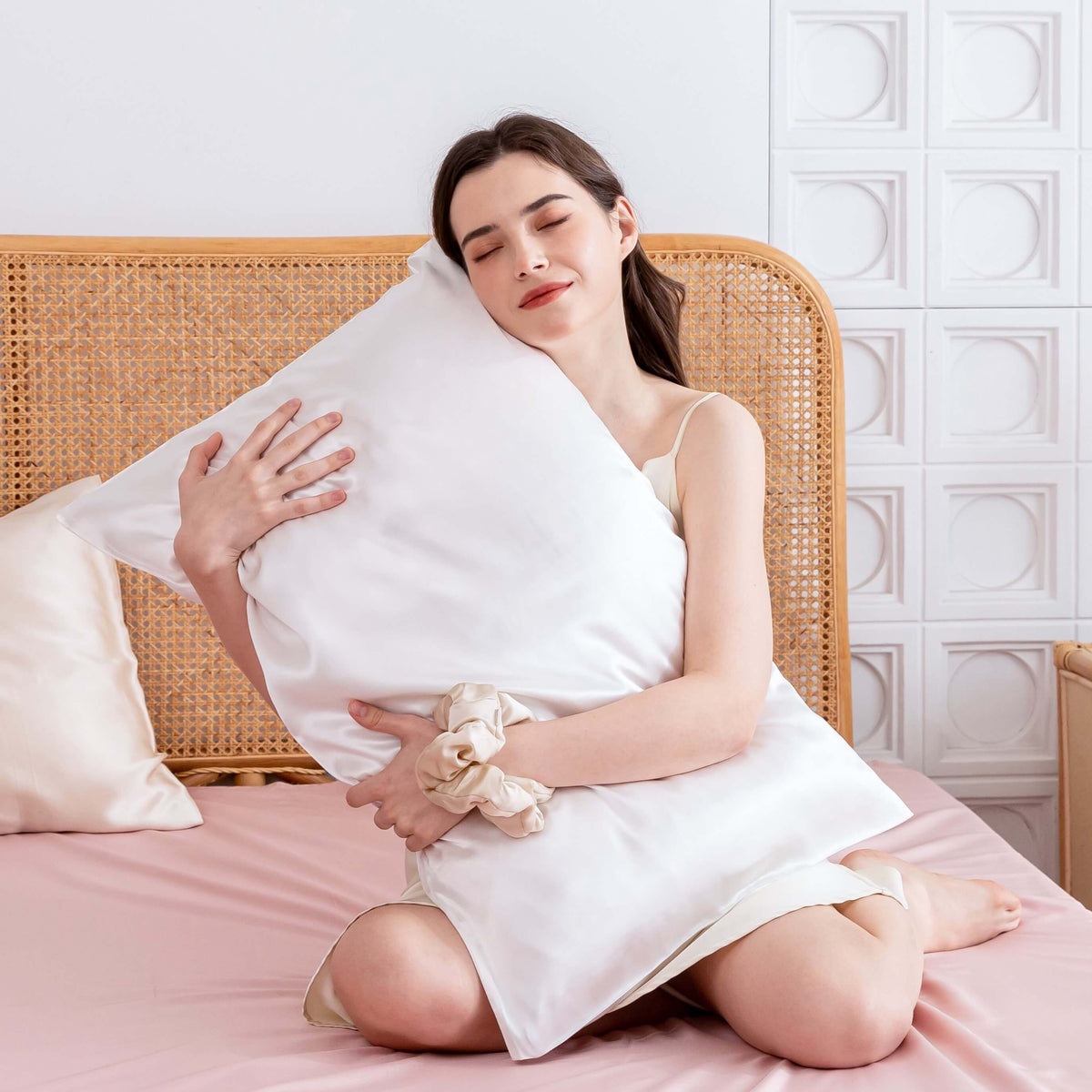
Souverhome Mulberry Silk Pillowcase
Sale price: $73.00 USD
Material: Chinese Mulberry Silk
Momme: 19 momme
Available sizes: Queen and King
Listed properties: Smooth, soft, breathable, and lightweight
From a buying perspective, 19 momme is a reasonable weight for someone who wants to experience genuine silk without automatically moving to a heavier and potentially more expensive fabric. Queen and King options also make it easier to match common pillow sizes, although you should still verify the actual dimensions before ordering.
The strongest reason to choose this product is the combination of a stated mulberry silk material, a defined momme weight, and a straightforward pillowcase format. It is suitable to consider if you want a smoother sleeping surface and a more luxurious bedding feel. It should not be purchased with the expectation that it will cure acne, eliminate wrinkles, or treat a skin condition.
If you are building a coordinated silk bedding setup, explore the broader Souverhome silk bedding collection. For people who want to compare different silk options before deciding, our guide to the best 100% pure silk pillowcases for skin and hair offers another starting point.
Pros and Cons of Silk Pillowcases
| Pros | Cons |
|---|---|
| Smooth surface can reduce friction against hair | Costs more than many cotton and polyester alternatives |
| Can help reduce friction-related tangling and morning frizz | Does not eliminate breakage caused by styling or hair damage |
| Soft feel can improve bedding comfort | Some sleepers prefer the crisp texture of cotton |
| May feel less absorbent than many cotton fabrics | Does not replace skincare or acne treatment |
| Natural mulberry silk has a distinctive luxurious feel | Requires more careful laundering and handling |
| Can be used as part of a simple nightly routine | Does not guarantee wrinkle prevention or improved sleep quality |
Expert Recommendation: Are Silk Pillowcases Actually Worth It?
Yes, silk pillowcases can make a difference, but the difference is mainly about fabric performance and everyday comfort—not dramatic medical or cosmetic transformation.
We recommend genuine mulberry silk for buyers who have long, curly, textured, or easily tangled hair, prefer a smooth surface against their face, or simply enjoy premium natural bedding. A 19 momme pillowcase is a sensible starting point when the product has transparent material information and good construction.
For people whose main priority is low cost and easy washing, cotton remains a practical choice. If you only want a slippery surface at a lower price, polyester satin may be enough, but it should not be confused with natural silk.
For commercial buyers or anyone comparing multiple bedding products, the same principle applies: pay for the properties you actually need. Do not pay a premium for unverified anti-aging promises, vague silk grades, or impressive packaging. Check fiber content, momme weight, dimensions, seams, and care instructions.
Souverhome's mulberry silk pillowcase is worth considering if you want a 19 momme natural silk option for a smoother and more comfortable sleep surface. The best reason to buy it is that you value the material and will use it consistently—not because you expect it to replace skincare, hair care, or medical treatment.
Frequently Asked Questions About Silk Pillowcases
1. Do silk pillowcases actually make a difference for your hair?
Yes. Their smooth surface can reduce friction between hair and bedding, which may help reduce tangling, frizz, and mechanical stress during sleep. The effect is likely to be most noticeable for long, curly, textured, or easily tangled hair. Silk will not repair existing split ends or prevent all breakage.
2. Are silk pillowcases better for your skin?
They can be more comfortable for some people because silk has a smooth surface that may reduce friction against facial skin. However, silk does not cure acne, prevent all wrinkles, or treat skin conditions. It is best viewed as a bedding comfort upgrade rather than a skincare treatment.
3. Do silk pillowcases prevent wrinkles?
Silk may reduce friction-related sleep creases because of its smooth surface, but there is not strong evidence that sleeping on silk prevents permanent wrinkles. Sun exposure, genetics, age, and other factors have a much larger influence on skin aging.
4. Is mulberry silk better than regular silk?
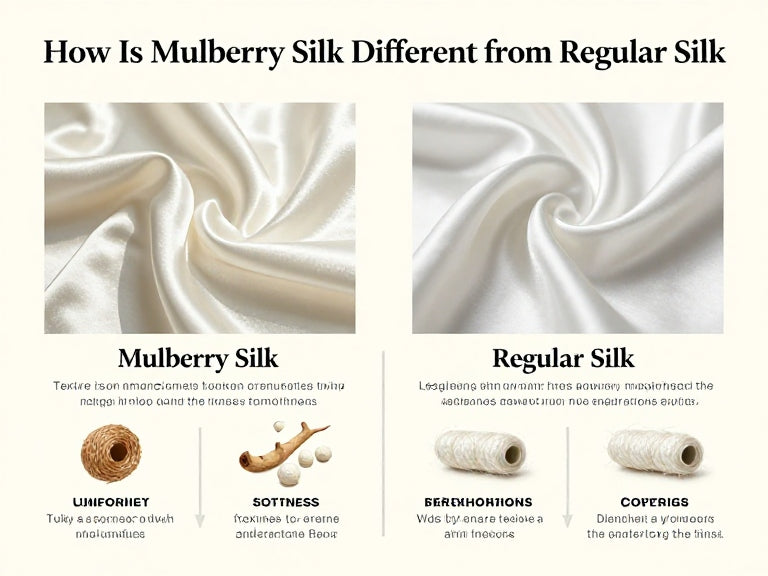
Mulberry silk is a widely used premium silk type known for its relatively consistent, fine fibers. However, the word "mulberry" alone does not guarantee the quality of the finished pillowcase. Check fiber content, momme weight, weaving, stitching, and product transparency.
5. Is 19 momme silk good for pillowcases?
Yes. 19 momme is a reasonable option for everyday silk pillowcases. It offers a balance between a lightweight feel and fabric substance. Higher momme weights may feel denser, but quality also depends on fiber, weave, and construction.
6. Is silk better than satin for hair?
Both silk and polyester satin can have smooth surfaces that reduce friction. The important difference is material: silk is a natural protein fiber, while polyester satin is synthetic. If you want natural silk, verify that the pillowcase is made from 100% silk rather than simply labeled satin.
7. Can silk pillowcases help with acne?
Silk may feel smoother against acne-prone skin, but it does not treat the causes of acne. Keep pillowcases clean, avoid relying on fabric alone to manage breakouts, and follow an appropriate skincare routine or professional treatment plan.
8. Are silk pillowcases suitable for sensitive skin?
Many people find silk comfortable because of its smooth feel. However, individual skin sensitivities vary, and silk is not guaranteed to prevent irritation. Choose a well-finished product, wash it according to its care instructions, and stop using it if it causes a reaction.
9. How often should you wash a silk pillowcase?
Wash it regularly based on your skin, hair products, perspiration, and personal hygiene needs. Many people prefer to change pillowcases at least weekly, and more frequently if they sweat heavily or use substantial hair products. Follow the manufacturer's care label and use a gentle detergent suitable for silk.
10. Is a silk pillowcase worth $73?
It can be worth the price if it is genuine mulberry silk, has clear specifications, fits your pillow, and delivers the smooth feel you want. The Souverhome 19 momme pillowcase is one option to evaluate at its listed $73 price. If your only goal is a low-cost slippery surface, polyester satin or cotton may be more economical.
References
- Cleveland Clinic – Silk Pillowcases: Benefits for Hair and Skin. Consumer health information discussing common claims and the practical limitations of silk pillowcases.
- American Academy of Dermatology – Hair Care Tips. Dermatology guidance on reducing hair damage through appropriate handling and care habits.
- National Institute of Standards and Technology – SI Units of Mass. Reference information on mass measurement; useful background when evaluating textile weight terminology alongside the traditional momme specification used for silk.


留言
此網站已受到 hCaptcha 保護,且適用 hCaptcha 隱私政策以及服務條款。