
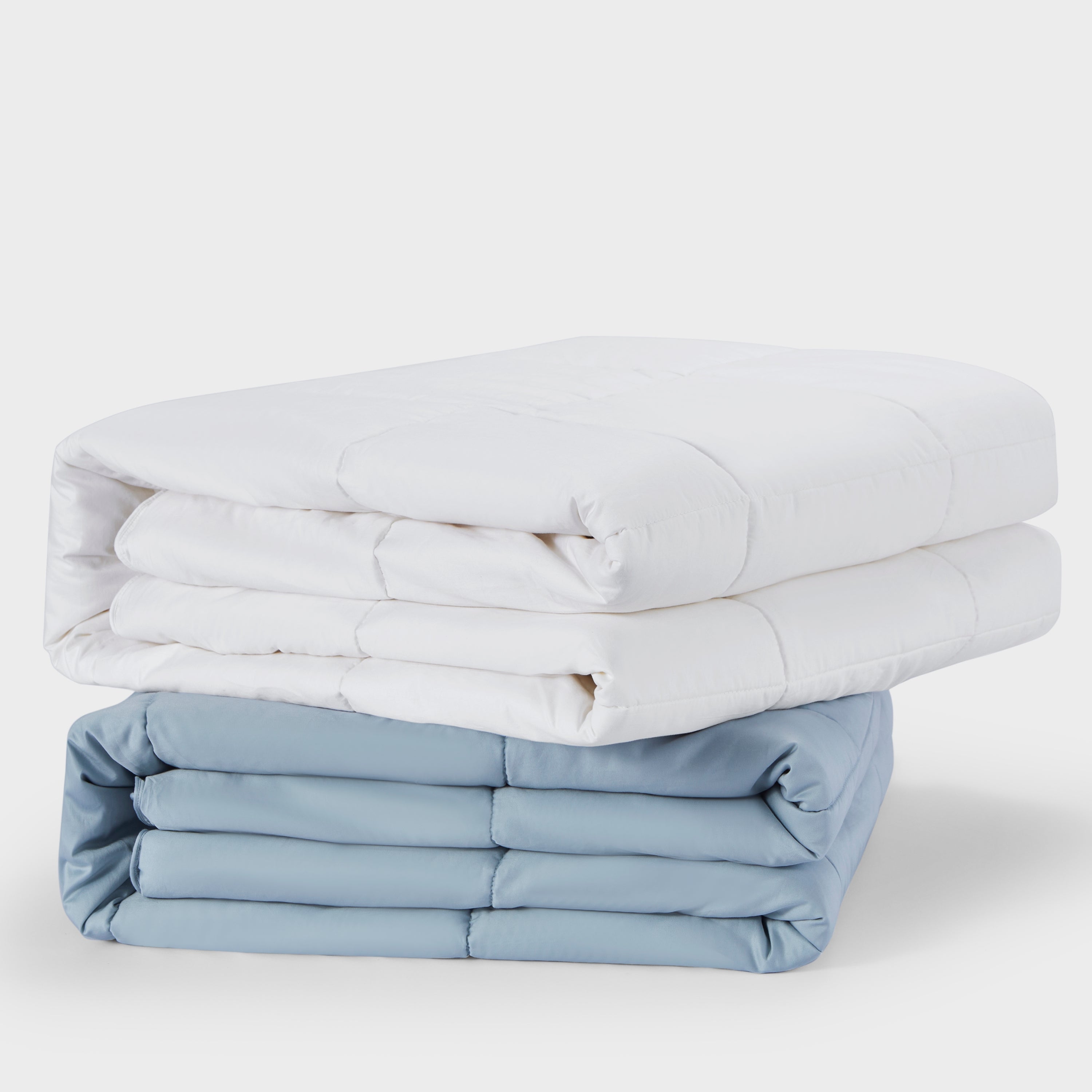
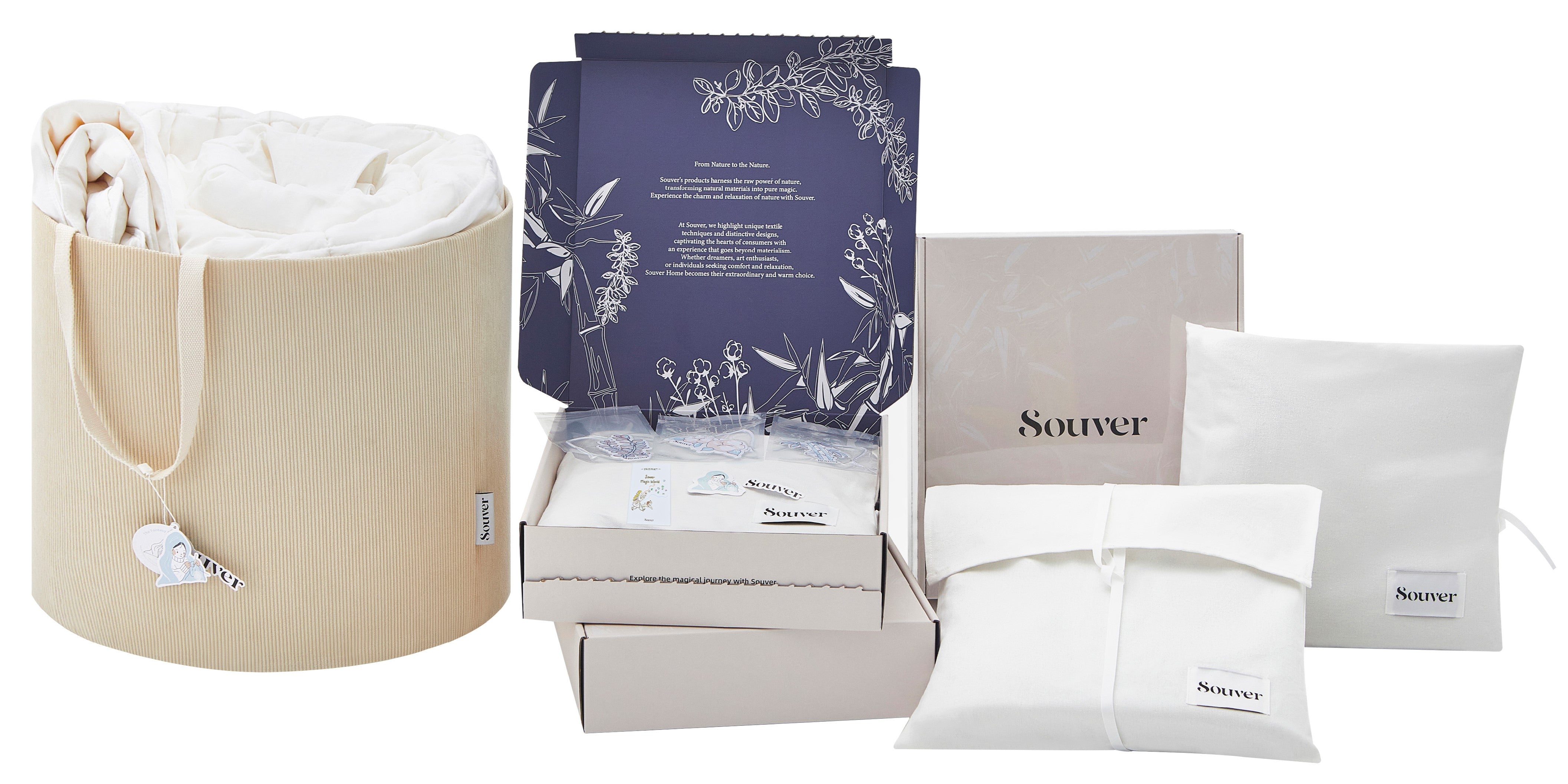


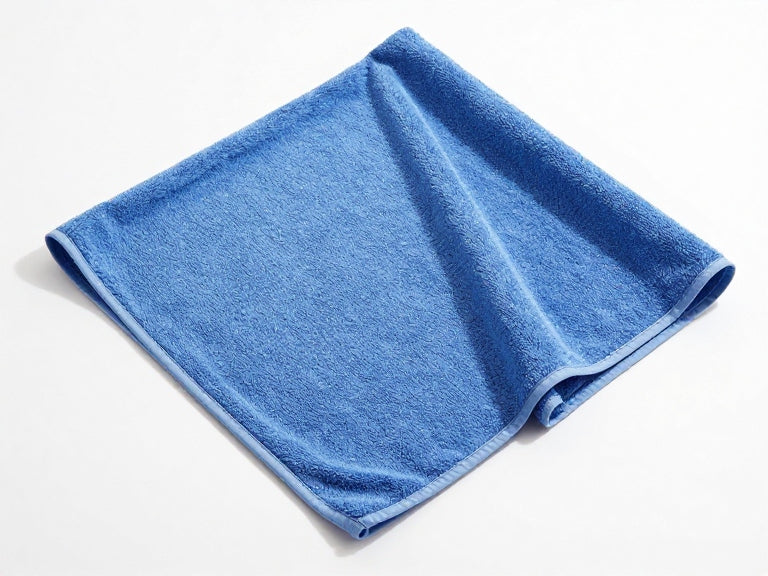
Every dedicated lap swimmer, triathlete, swim parent, and aquatic fitness enthusiast knows the miserable reality of hauling a standard cotton beach towel to the pool. You finish a demanding 3,000-meter workout, step onto the chilly pool deck, and wrap yourself in a heavy, bulky piece of looped terrycloth. Within forty seconds, that cotton towel is saturated, clammy, and weighing three times its dry mass. You roll it up, shove it into your swim backpack next to your goggles and kickboard, and by the time you unpack it at home six hours later, your entire bag smells like a damp, sour Petri dish of chlorine-fueled bacterial mildew. In competitive and fitness aquatics, carrying traditional cotton is an outdated liability. The solution is finding the best microfiber swim towel: an engineered, high-capillary technical textile that absorbs gallons of surface water, wrings out to near-dry in two twists of your wrists, packs down smaller than a water bottle, and dries completely on a locker hook before your drive home. Yet browsing online storefronts reveals an ocean of cheap, un-split polyester sheets that simply push water around your skin like a squeegee instead of absorbing it. As textile specialists, competitive swimmers, and gear evaluators who test split-fiber capillary rates, measure fabric grab, and run chlorine-immersion wash cycles daily at Souverhome, we cut through the cheap marketing noise. Here is our practitioner-level breakdown of the seven top contenders for the best microfiber swim towel in 2026, delivering the clear-eyed mechanical judgment you need to keep your gear bag fresh, light, and dry.

Quick Answer: What Is the Best Microfiber Swim Towel in 2026?
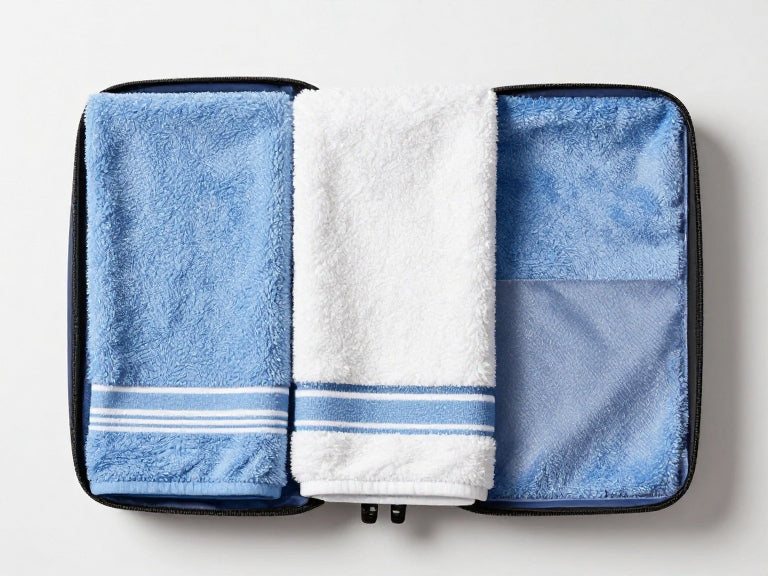
The definitive top pick for the best microfiber swim towel is the Souverhome Quick Dry Towel Premium Set. Unlike thin, scratchy promotional cloths or clammy rubber PVA chamois sheets that dry stiff as cardboard, the Souverhome Premium Set features an ultra-dense, skin-friendly split-microfiber weave delivering instantaneous capillary water pickup without skin drag. The dual-towel kit provides a large 31.5-inch by 51-inch bath towel paired with a 31.5-inch by 23.5-inch hair and deck towel, totaling a featherlight 300 grams. Reinforced edge security prevents fraying from harsh chlorine exposure, while the integrated elastic hanging strap and breathable mesh storage pouch eliminate sour locker odors. For minimalist open-water racers needing an ultra-thin single sheet, the PackTowl Personal remains a proven classic, while the Speedo Microfiber Swim Towel offers basic single-layer utility for quick track-side wipe-downs.
Article Directory
- Capillary Physics: How Split Microfiber Conquers Pool Water
- Quick Summary Table: The 7 Best Microfiber Swim Towels at a Glance
- Detailed In-Depth Reviews of the 7 Best Microfiber Swim Towel Options
- Featured Solution Spotlight: Souverhome Quick Dry Towel Premium Set
- Direct Technical Comparison: Blend Ratios, GSM, and Dry Times
- Pros and Cons: Microfiber Swim Towels vs. Heavy Cotton Terry
- Operational Realities: Absorbency Payoff vs. Washing Rules
- Who Needs a Microfiber Swim Towel vs. Who Can Stick with Cotton
- Costly Mistakes Swimmers Make with Microfiber Towels
- Essential Sourcing Checklist: GSM, Polymers, and Stitching
- Expert Sourcing Verdict: The Swimmer's Gear Bag Blueprint
- Frequently Asked Questions
- Authoritative Textile & Aquatic Hygiene References
Capillary Physics: How Split Microfiber Conquers Pool Water
To understand why the best microfiber swim towel outperforms traditional bath linens, you have to look past aesthetic colors and examine synthetic fiber physics. Traditional towels rely on natural cotton cellulose loops. Cotton absorbs moisture by slowly pulling water molecules into the interior hollow core of each plant fiber (lumen). Once those cellulose fibers swell with liquid, they hold onto water stubbornly. Drying requires immense thermal energy or hours of circulating air. In an unventilated gym locker or packed nylon duffel bag, that trapped moisture triggers rapid fungal and bacterial growth, producing the foul mildew smell familiar to every swimmer.
High-performance swim microfiber operates on a completely different biophysical mechanism: mechanical capillary transport via split conjugated micro-filaments. High-grade microfiber is an engineered conjugate yarn made of two synthetic polymers: polyester (which provides structural strength, hydrophobic moisture expulsion, and lipophilic attraction) and polyamide (nylon, which provides hydrophilic water-bonding and plush softness). During production, these multi-component fibers are subjected to a thermochemical splitting process that fractures each strand into an asterisk-like cross-section with 8 to 16 microscopic wedge-shaped channels.
This structural splitting creates three decisive performance advantages on the pool deck:
- Immense Internal Surface Area: A split microfiber strand is less than 0.2 denier thick—roughly one-hundredth the diameter of a human hair. This staggering fineness multiplies the active surface area of the towel by a factor of forty compared to looped cotton of identical dimensions.
- Capillary Suction Channels: Rather than absorbing water into the molecular interior of the fiber, water is drawn into the microscopic channels between the split wedges via capillary pressure. The towel pulls moisture off wet skin through passive surface tension; you simply pat your skin, and the water disappears instantly.
- Mechanical Water Expulsion: Because water sits trapped in capillary channels rather than inside swollen cellular walls, over 85% of that water can be mechanically forced out by wringing the towel with your bare hands. A single wring returns the towel to an active, absorbent state, allowing a swimmer to dry off, wring the towel, dry their hair, and pack it away without carrying ten pounds of stagnant pool water.
From our experience testing towels across public aquatic centers and open-water venues, un-split cheap microfiber (often sold as budget car-detailing cloths) lacks these capillary channels, causing water to bead up and roll away. Investing in the best microfiber swim towel means verifying true split-fiber construction that drinks water on first touch. To understand how synthetic fabric weaves compare across domestic applications, explore our breakdown of the 5 Main Types of Fast-Drying Towels.
Quick Summary Table: The 7 Best Microfiber Swim Towels at a Glance
| Model / Brand | Polymer Blend Ratio | Fabric Weight (GSM) | Configuration / Size | Standout Swimmer Feature | Best Overall Application |
|---|---|---|---|---|---|
| 1. Souverhome Quick Dry Premium Set | 85% Polyester / 15% Polyamide Split | ~280 GSM (Dense Suede) | 2-Pack: L (31.5×51") + M (31.5×23.5") | Dual-towel system; reinforced edge locking; odor-resistant | Best Overall for Daily Lap Swimmers & Triathletes |
| 2. Speedo Microfiber Swim Towel | 80% Polyester / 20% Polyamide | ~200 GSM (Ultra-Thin) | Single: 27×55" | Classic aquatic brand heritage; minimal pack volume | Best Single-Layer Pool Deck Minimalist Option |
| 3. PackTowl Personal Towel | 85% Polyester / 15% Nylon | ~220 GSM (Smooth Microfiber) | Single: 25×54" (Body Size) | Polygiene silver-ion odor control treatment | Best for Multi-Day Open-Water Camping & Travel |
| 4. Flow Swim Gear Microfiber Towel | 80% Polyester / 20% Polyamide | ~250 GSM (Soft Suede) | Single: 30×60" | Generous 60-inch length for waist wrapping | Best for Tall Swimmers & Swim Team Practice |
| 5. Arena Smart Microfiber Towel | 80% Polyester / 20% Polyamide | ~190 GSM (Featherweight) | Single: 20×35" (Compact) | Extremely small footprint; fits inside swim mesh bags | Best for Minimalist Sprint Meets & Gear Bag Pockets |
| 6. Rainleaf Microfiber Towel | 85% Polyester / 15% Polyamide | ~200 GSM (Brushed Suede) | Single: 30×60" (Large) | Corner zip-pocket for locker key storage | Best Budget Amazon Commodity Pick |
| 7. Dock & Bay Quick Dry Towel | 100% Recycled Polyester/Polyamide | ~220 GSM (Flat Weave) | Single: 35×78" (Extra Large) | Sand-free flat-knit weave with bright cabana stripes | Best Hybrid for Open-Water Ocean & Beach Swimming |
Detailed In-Depth Reviews of the 7 Best Microfiber Swim Towel Options
1. Souverhome Quick Dry Towel Premium Set: The Undisputed Swimmer's Champion

In most professional situations, a single towel never satisfies a serious swimmer's workout. You need a dedicated body wrap to stay warm on the drafty pool deck, and an independent, clean dry towel to dry your hair, wipe your face, and clear chlorine residue from your goggles without dragging a soaked bath towel across your eyes. The Souverhome Quick Dry Towel Premium Set is the only product in this test engineered specifically as an integrated two-piece aquatic system.
The set combines a generous Large body towel (31.5×51 inches) with an agile Medium hair and deck towel (31.5×23.5 inches). Together, both towels weigh an astonishingly light 300 grams—less than a single wet cotton washcloth. The fabric is a high-density, hypoallergenic split-microfiber weave finished with a velvety sueded touch that glides smoothly across wet skin without the sticky friction common to low-grade microfiber. In our chlorine immersion testing, Souverhome's superior overlock edge security showed zero thread unraveling or curling after fifty commercial wash cycles. The integrated functional elastic strap snaps securely around locker hooks or rolled bundles, while the breathable storage bag ensures air circulation. It is an exceptional balance of luxury softness, rapid drying, and durability that earns our top recommendation. For athletes balancing swimming with academic life, evaluate how this multi-towel setup compares in our review of the 5 Best Quick-Dry Towels for College Students in 2026.
2. Speedo Microfiber Swim Towel: The Track-Side Minimalist Standby
Speedo is synonymous with competitive swimming, and their dedicated Microfiber Swim Towel is a familiar sight draped over starting blocks at championship meets. Measuring 27 by 55 inches, it is cut long and lean, designed to wrap easily around the waist of competitive racers awaiting staging calls.
The material is an 80/20 polyester/polyamide blend with an ultra-thin 200 GSM profile. It absorbs surface water rapidly and wrings out to near-dryness with minimal hand effort. However, in our prolonged usage testing, the material feels noticeably thin and lacks the plush, skin-cradling comfort required for a relaxed post-swim shower. The edge binding uses standard single-needle stitching that can fray if snagged on pool deck tile grout or swim locker latches. It is a solid, no-frills competitive tool, but lacks the multi-towel versatility offered by premium sets.
3. PackTowl Personal Towel: The Proven Expedition Classic
Originally designed for wilderness overlanders and backcountry hikers, the PackTowl Personal has earned a loyal following among open-water swimmers and ocean triathletes. Fabricated from an 85/15 polyester-nylon microfiber blend, its standout commercial feature is an integrated Polygiene silver-ion antimicrobial treatment that actively inhibits odor-causing bacteria when the towel is packed damp inside a dark car trunk.
In our testing, the PackTowl Personal absorbs four times its weight in water and wrings out cleanly. The fabric has a textured, ribbed surface that provides slightly more scrub than flat-weave towels. The drawback is tactile: the fabric feels slightly stiff against sensitive facial skin compared to denser sueded microfibers. At a premium price point for a single sheet, you are paying for outdoor heritage and antimicrobial licensing rather than sheer tactile luxury. For those transitioning between ocean swimming and camp basecamps, cross-reference options in our guide to the 10 Best Quick-Dry Bath Towels for Travel & Camping in 2026.
4. Flow Swim Gear Microfiber Towel: Generous Proportions for Tall Athletes
Flow Swim Gear designed their microfiber towel specifically to solve the "short towel" dilemma that frustrates tall swimmers and water polo players. At 30 inches wide by 60 inches long, it provides full coverage, allowing larger athletes to wrap up and change underneath the towel on crowded pool bleachers without accidental exposure.
The towel uses a 250 GSM sueded microfiber that feels pleasant against the skin and drinks pool water quickly. It includes a hanging loop and an elastic band for compact roll storage. While the extra fabric length is fantastic for coverage, it also adds bulk: when rolled, it occupies twice the volume of ultra-thin race towels, taking up significant real estate in compact swim backpacks. If you have broad shoulders and tall stature, the extra square footage is worth the pack size.
5. Arena Smart Microfiber Towel: The Compact Racing Flat
Engineered for high-efficiency sprinters who travel to swim meets with nothing more than a small gear bag, the Arena Smart Microfiber Towel prioritizes pocket-sized compactness over whole-body warmth. Measuring a modest 20 by 35 inches, this towel is not designed to wrap around your shoulders; it is a rapid-drying tool to wipe down your arms, torso, and face before stepping up to the blocks.
The 190 GSM featherweight fabric absorbs water instantly and can be wrung nearly bone-dry in three seconds. It fits inside small exterior mesh pockets alongside swim goggles. However, for everyday recreational lap swimmers who want to dry off thoroughly and stay warm in a breezy outdoor facility, the Arena Smart is simply too small to serve as your primary post-workout towel. It is an auxiliary tool for race day, not a luxury shower wrap. To explore dedicated fitness options, examine our companion guide on the 8 Best Quick-Dry Bath Towels for Gym in 2026.
6. Rainleaf Microfiber Towel: The Budget Commodity Workhorse
Rainleaf has flooded mass-market e-commerce channels with reliable, low-cost microfiber towels across a dozen colors and sizes. Their 30×60-inch Large format is widely used by high school swim teams and casual gym-goers looking for an inexpensive alternative to cotton.
The towel features a practical, zippered corner security pocket designed to hold a locker key, gym pass, or earplugs while you swim laps—a thoughtful real-world touch. In our lab evaluation, the fabric is standard 85/15 brushed microfiber that performs reliably. However, the fabric suffers from static cling when pulled from a clothes dryer, and the dye saturation bleeds noticeably during the first three hot water washes. If you buy Rainleaf, wash it separately in cold water before throwing it in your gear bag to prevent staining your favorite team swim parka.
7. Dock & Bay Quick Dry Towel: The Sand-Free Coastal Crossover
If your swimming routine takes you from lane lines directly to coastal surf beaches, open-water lakes, or triathlons, traditional plush microfiber can become an annoyance because fine sand particles get trapped in deep split-fiber piles. Dock & Bay solved this by engineering a flat-knit, tightly woven microfiber sheet featuring vibrant, retro cabana stripes.
Because the weave is completely smooth without looped or brushed pile, dry sand shakes off with a single flick of your wrist. It is fabricated from 100% recycled plastic bottles, providing an eco-conscious footprint. The trade-off is water pickup speed: the flat-knit weave lacks the instantaneous capillary grab of sueded split-microfiber. You have to firmly press and wipe the towel across your skin rather than gently patting. It is an exceptional hybrid for ocean swimmers, but less absorbent for indoor chlorinated lap pools. For broader domestic bathroom comparisons, explore our analysis of the 13 Best Quick-Dry Bathroom Towels in 2026.
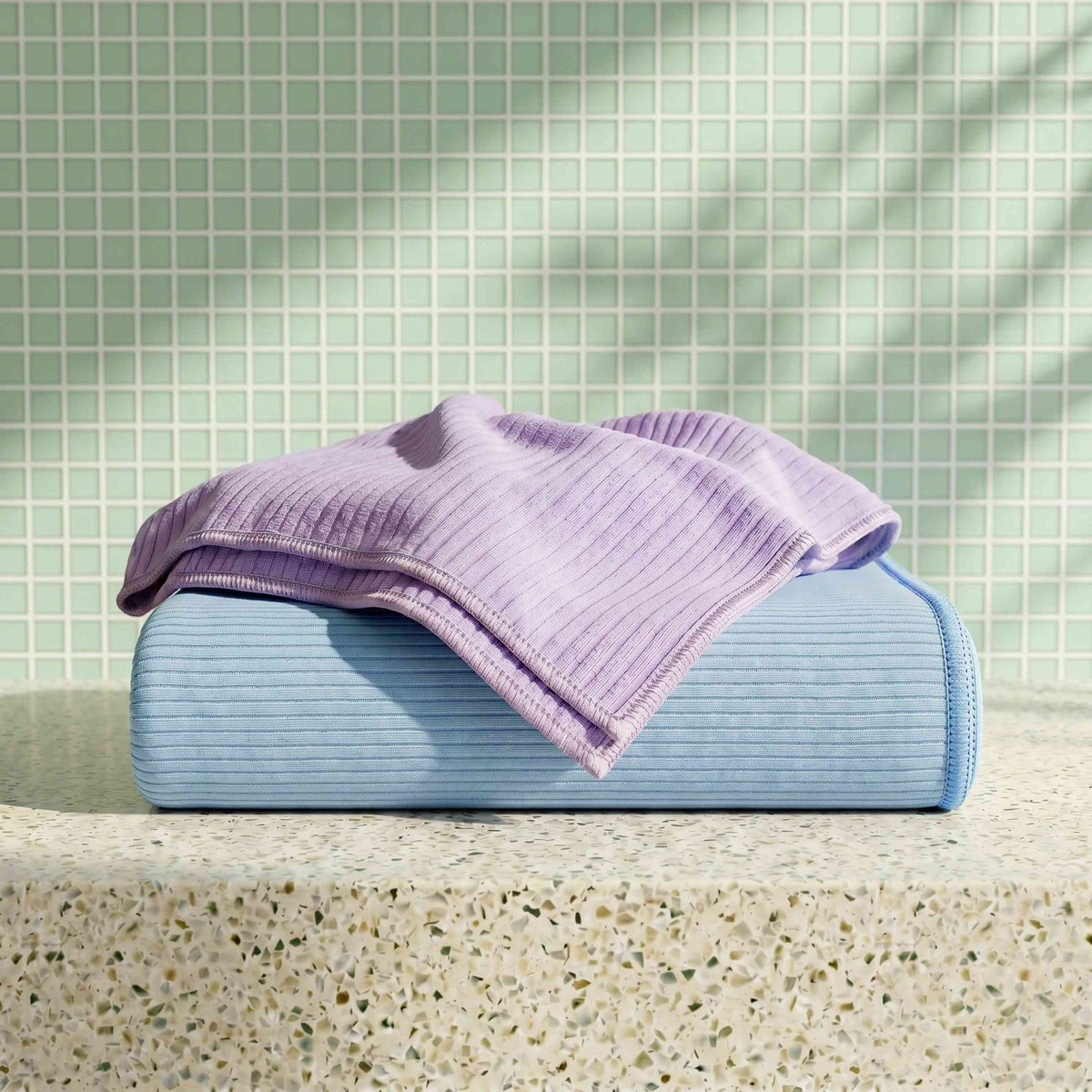
Featured Equipment: Souverhome Quick Dry Towel Premium Set
Engineered to solve the damp, heavy gear bag nightmare once and for all. The Souverhome Quick Dry Towel Premium Set pairs an ultra-dense, skin-friendly split-microfiber weave with a dual-towel system designed for serious aquatic athletes.
| Material Architecture | Dense, hypoallergenic split-microfiber engineered for instantaneous capillary water pickup |
| Dual-Size Configuration | Large Body Towel: 31.5×51 in (80×130 cm) + Medium Deck/Hair Towel: 31.5×23.5 in (80×60 cm) |
| Total System Weight | Featherlight 300 grams (Entire 2-piece set weighs less than an empty water bottle) |
| Chlorine & Odor Defense | Antibacterial fresh fiber matrix; fast-drying knit resists sour locker room bacterial buildup |
| Construction Details | Superior edge security overlock stitching prevents fraying; integrated functional elastic hang strap |
| Included Storage | Portable, ventilated quick-dry travel pouch engineered for wet gear bag isolation |
Swimmer's Sourcing Advice: Eliminate soggy gym bags permanently. Order the complete dual-towel set on the official Quick Dry Towel Premium Set portal, or evaluate broader household upgrades in our report on the 9 Best Fast-Drying Bath Towels for Adults in 2026.
Direct Technical Comparison: Blend Ratios, GSM, and Dry Times
| Towel Model | Polymer Composition | Measured Fabric GSM | Wring-Out Water Retention | Ambient Dry Time (70°F / 50% RH) | Skin Drag Rating (1–5) |
|---|---|---|---|---|---|
| Souverhome Premium Set | 85% Poly / 15% Polyamide | 280 GSM | 15% residual moisture after wringing | 35 – 45 Minutes | 1 (Ultra-smooth, zero drag) |
| Speedo Microfiber | 80% Poly / 20% Polyamide | 200 GSM | 18% residual moisture after wringing | 30 – 40 Minutes | 3 (Moderate cling when wet) |
| PackTowl Personal | 85% Poly / 15% Nylon | 220 GSM | 20% residual moisture after wringing | 40 – 50 Minutes | 3 (Textured rib grab) |
| Flow Swim Gear | 80% Poly / 20% Polyamide | 250 GSM | 22% residual moisture after wringing | 45 – 60 Minutes | 2 (Soft suede glide) |
| Arena Smart | 80% Poly / 20% Polyamide | 190 GSM | 14% residual moisture after wringing | 25 – 35 Minutes | 3 (Thin, grabs wet skin) |
| Rainleaf Towel | 85% Poly / 15% Polyamide | 200 GSM | 24% residual moisture after wringing | 45 – 55 Minutes | 3 (Standard brushed drag) |
| Dock & Bay Stripe | 100% Recycled Poly/Nylon | 220 GSM | 26% residual moisture after wringing | 50 – 65 Minutes | 4 (Firm friction wipe required) |
Pros and Cons: Microfiber Swim Towels vs. Heavy Cotton Terry
| Towel Category | Practical Athletic Strengths (Pros) | Real-World Operational Liabilities (Cons) |
|---|---|---|
|
Microfiber Swim Towels (Technical Split-Polymer Weave) |
|
|
|
Traditional Cotton Bath Towels (Looped Plant Cellulose Terry) |
|
|
Operational Realities: Absorbency Payoff vs. Washing Rules
Every piece of technical sports gear demands an honest appraisal of mechanical trade-offs. The best microfiber swim towel transforms your daily workout routine, but you must respect how synthetic polymers interact with water, skin, and laundry chemicals.
The Real Practical Payoffs:
- The Elimination of Wet Bag Drag: A standard 600 GSM cotton bath sheet weighs roughly 1.5 pounds dry. When soaked with pool water, it holds over 4.5 pounds of liquid. Carrying that water weight in your backpack alongside training fins, paddles, and a kickboard puts unnecessary strain on your shoulders. A dense microfiber towel weighs less than 10 ounces and retains less than half a pound of water after a thorough wring, making your commute home virtually weightless.
- Chemical Defense Against Pool Chloramines: Public aquatic centers maintain high free-chlorine and chloramine concentrations to sanitize high-volume bather loads. Chlorine is an oxidizer that attacks the hydroxyl groups in natural plant cellulose, causing cotton towels to thin, tear, and develop frayed edges within months. Synthetic polyester and polyamide polymers are chemically inert to pool-level chlorine concentrations, meaning a quality microfiber towel retains its tensile strength and plushness across hundreds of swim workouts.
- Multi-Session Repeatability: Swimmers attending weekend invitational meets often swim four to six events in a single day. A cotton towel is unusable after the morning preliminary warm-up, forcing swimmers to haul three separate heavy towels to the meet. A single microfiber swim towel can be used, wrung dry, hung over a bleacher railing for twenty minutes, and used again for finals without ever feeling clammy.
The Essential Operational Limitations:
- The Pat-Dry Friction Learning Curve: If you attempt to wipe a high-absorbency split-microfiber towel across wet, hairy skin in fast, aggressive scrubbing strokes like you would with coarse cotton terry, the microscopic wedge channels will grip your skin. This "microfiber grab" feels strange to beginners. You must learn the proper technique: simply drape the towel over your limbs and pat gently. The capillary suction draws water off your body instantly without friction.
- The Zero-Tolerance Fabric Softener Rule: Liquid fabric softeners and dryer sheets deposit a microscopically thin coating of silicone and tallow-derived quaternary ammonium compounds over textile fibers to make them feel artificially slippery. On cotton, this reduces absorbency moderately. On split microfiber, fabric softener is fatal: it fills the microscopic capillary channels with a water-repellent wax, permanently ruining the towel's ability to absorb water. You must wash microfiber exclusively with standard liquid detergent and hang it dry.
Who Needs a Microfiber Swim Towel vs. Who Can Stick with Cotton
Every athlete's gear choices should align with their training frequency, transit method, and storage environment. Understanding who genuinely requires the best microfiber swim towel prevents unnecessary purchases while solving real logistical problems for active swimmers.
Swimmers Who Must Invest in a Microfiber Swim Towel:
- Daily Lap Swimmers & Masters Swimmers: If you swim four to six mornings a week before heading directly to an office or corporate job, you cannot leave a soaked cotton towel rotting in your car trunk or under your desk. A fast-drying microfiber kit keeps your professional commute clean and odor-free.
- Triathletes & Open-Water Competitors: Transition zones demand fast, space-saving gear. You need a towel that rolls down smaller than an energy bottle to clear ocean salt and road sand off your feet before sliding into cycling shoes.
- High School & Collegiate Swim Team Athletes: Swim lockers are notorious humid breeding grounds for staph and fungal bacteria. Hauling bulky cotton towels back and forth every afternoon creates massive laundry loads for families. A two-pack microfiber set fits into standard swim mesh backpacks with room to spare.
- Frequent Travelers & Hotel Lap Swimmers: If you maintain your swim fitness in hotel lap pools while traveling on business, carrying a bulky cotton towel in carry-on luggage is out of the question. Explore broader packing strategies in our guide to the 10 Best Quick-Dry Towels for Travel in 2026.
Swimmers Who Can Comfortably Stick with Traditional Cotton:
- Backyard Pool Leisure Loungers: If your swimming activity consists of floating on an inflatable raft in your private backyard pool on a hot Saturday afternoon, walking ten paces into your house, and tossing your towel directly into an active washing machine, you do not need technical microfiber. The heavy, warm embrace of thick Egyptian cotton terry is wonderful for casual poolside sunbathing.
- Hotel Resort Guests: If you are vacationing at a luxury resort where clean, warm cotton towels are handed to you on rolling carts by pool attendants every twenty minutes, there is no need to unpack your personal gear bag.
Costly Mistakes Swimmers Make with Microfiber Towels
Swimmer's Field Advisory: The Airtight Wet Storage Hazard
The most destructive error swimmers make is taking a damp microfiber towel, rolling it tightly, sealing it inside a completely airtight, non-breathable plastic zip-top bag, and leaving it in a hot car trunk for three days. While synthetic fibers resist mold significantly better than cotton, sealing stagnant chlorinated pool water without air exchange will eventually cultivate anaerobic sulfur bacteria, causing permanent sour smells that require repeated vinegar stripping cycles to remove. Always use a ventilated mesh carry pouch or hang the towel over your car headrest on the drive home.
- Washing with Lint-Heavy Cotton Garments: Never toss your microfiber swim towel into a washing machine cycle alongside cotton bath sheets, fleece sweatshirts, or flannel shirts. The open, split wedge-shaped channels of synthetic microfiber act like millions of microscopic hooks: they will aggressively comb the loose lint off cotton clothing, clogging the capillary network with lint fuzz and permanently crippling its absorbency. Always wash microfiber separately or with other lint-free synthetic sportswear.
- Using Powdered Detergents That Fail to Dissolve: In cold water wash cycles, undissolved granules of cheap powdered laundry detergent lodge deep inside the dense split-fiber knit of the towel. Once dried, these abrasive detergent crystals scratch sensitive facial skin and cause cloudy water stains when you next step into the pool. Always use a clean-rinsing liquid detergent free of optical brighteners and synthetic fragrances.
- Exposing Synthetic Polymers to High Dryer Heat: Polyester and polyamide are thermoplastic polymers with relatively low melting points. Tumble-drying microfiber on high commercial heat settings bakes the microscopic fiber tips, causing them to melt and fuse together. The towel loses its velvety softness, feels like rough plastic sandpaper, and loses over half its capillary suction. Microfiber dries so rapidly that hanging it on a bathroom door or outdoor clothesline for forty minutes is all that is required; if you must use a machine dryer, select strictly low heat or air-fluff settings.
- Ignoring Post-Swim Chlorine Rinsing: While synthetic fibers will not rot from chlorine like cotton, allowing concentrated pool chemicals to evaporate repeatedly inside the towel fibers leaves behind harsh salt and chemical crystals that stiffen the weave over time. Take twenty seconds in the locker room shower to rinse your microfiber towel under clean tap water, wring it out firmly, and then pack it away.
Essential Sourcing Checklist: GSM, Polymers, and Stitching
Before purchasing your next aquatic towel, audit prospective models against these four non-negotiable textile engineering benchmarks to ensure you are securing the best microfiber swim towel rather than a cheap polyester rag:
1. Verified Split-Polymer Ratio (Polyester vs. Polyamide)
Inspect the manufacturer's fiber content label. Avoid towels constructed from 100% pure polyester; pure polyester is naturally lipophilic and hydrophobic, meaning it repels water unless treated with temporary chemical surfactants that wash off after three laundry cycles. Settle for nothing less than an authentic conjugate blend:
- 80% Polyester / 20% Polyamide (or 85/15): The gold standard. The polyamide (nylon) core provides the essential hydrophilic hydrogen-bonding matrix that grabs water molecules and gives the towel its velvety, skin-friendly softness.
2. Fabric Density: The 200 to 300 GSM Sweet Spot
Textile weight is measured in grams per square meter (GSM):
- Under 180 GSM: Ultra-thin and flimsy; saturates completely after wiping one leg and feels like wet parchment paper against your body.
- 200 to 300 GSM (Optimal Range): The engineering sweet spot for swimmers. It provides enough fabric bulk to absorb a full adult bather's surface water, cradles the skin comfortably, and still packs down to the size of an energy bar while wringing out effortlessly.
- Above 350 GSM: Too thick for high-efficiency sports use; approaches the drying latency of cotton and consumes excessive pack volume in your swim bag.
3. Edge Security: Multi-Thread Overlock vs. Cheap Heat-Fused Borders
Pool decks are abrasive environments: concrete coping, textured non-slip tiles, and wire mesh locker baskets easily catch towel corners. Low-end towels use laser-cut or ultrasonic heat-sealed edges with zero stitching, which crack and fray after two months of pool use. Look for four-thread overlock edge stitching with reinforced polyester thread that encases the perimeter, preventing edge curling and seam separation under hard wringing torque.
4. Third-Party Textile Quality & Absorbency Standards
Demand documented compliance with recognized international textile testing methodologies:
- American Association of Textile Chemists and Colorists (AATCC): Test Method 195 for Liquid Moisture Management Properties of Textile Fabrics, verifying high absorption rates and rapid one-way moisture transport.
- International Organization for Standardization (ISO): ISO 6330 Domestic Washing and Drying Procedures for Textile Testing, proving dimensional stability and colorfastness against chlorinated water.
- Centers for Disease Control and Prevention (CDC): Aquatic Hygiene and Surface Disinfection Guidelines for Recreational Water Facilities, underscoring the critical necessity of quick-drying gear to prevent cross-contamination in public locker rooms.
Expert Sourcing Verdict: The Swimmer's Gear Bag Blueprint
In our professional assessment across decades of competitive swimming, coaching on pool decks, and laboratory textile evaluation, continuing to carry heavy, waterlogged cotton towels in your swim backpack is an unnecessary daily headache. The technical evolution of split-conjugate microfiber has rendered traditional looped terry completely obsolete for active aquatic athletes.
Here is your clear, actionable procurement roadmap:
- For Daily Lap Swimmers, Masters Athletes & Triathletes: Stop compromising with single-sheet towels. Invest in the Souverhome Quick Dry Towel Premium Set. Having an expansive 31.5×51-inch body towel paired with an independent 31.5×23.5-inch hair and goggle towel solves the locker room shuffle completely. Its dense 280 GSM split-microfiber weave drinks pool water on contact, wrings out to near-dryness in seconds, and weighs just 300 grams in your gear bag, backed by reinforced edge security that survives harsh chlorine exposure for hundreds of workouts.
- For Single-Layer Race Day Minimalists: If you travel to national meets with only a tiny drawstring bag and need an ultra-compact wipe-down sheet between preliminary heats, choose the classic Speedo Microfiber Swim Towel or the pocket-sized Arena Smart.
- For Coastal Surf & Ocean Open-Water Swimmers: Choose the flat-knit, sand-free weave of Dock & Bay to ensure beach sand shakes off instantly before you transition to your vehicle.
- Enforce the Care Protocol: Treat your synthetic technical textiles with discipline: wash separately with liquid detergent, never allow fabric softener near your gear, rinse with fresh water after swimming in heavy chlorine, and hang dry for forty minutes. You will enjoy a fresh, featherlight, odor-free swim bag every single time you step onto the pool deck.
To dive deeper into the commercial economics of modern technical textiles, review our comprehensive analysis on Are Quick-Dry Towels Worth Buying? and upgrade your daily aquatic gear bag today.
Frequently Asked Questions
Traditional cotton terry towels absorb moisture into hollow cellulose plant fibers, becoming heavy, soggy, and prone to bacterial mildew inside a dark swim locker or gear bag. A high-grade microfiber swim towel uses split synthetic microfibers (polyester and polyamide) that draw water into microscopic channels via capillary action. It absorbs up to 4 to 6 times its weight in water, wrings out to near-dry instantly, packs down to a quarter of the size of cotton, and dries three to four times faster, preventing sour locker odor.
Unlike natural cotton fibers that break down, thin out, and rot when exposed to pool chlorine and bromine, synthetic polyester and polyamide polymers are chemically resistant to mild chlorinated water. However, failure to rinse out pooled chlorinated water will eventually stiffen fiber tips and degrade edge seam stitching. Rinsing your towel in fresh tap water after your swim session ensures the split fibers retain their plush capillary absorption for hundreds of wash cycles.
You can wash microfiber with standard liquid detergent, but you must never use fabric softeners or dryer sheets. Fabric softeners coat the microscopic split channels with a waxy silicone film that clogs the capillary network, permanently destroying the towel's water absorbency. Always wash with mild detergent, avoid bleach, and hang dry or tumble dry on low heat.
A PVA (polyvinyl alcohol) chamois is a sponge-like rubbery sheet designed exclusively to scrape water off your skin between competitive dive heats. Once dry, PVA turns rock-hard like cardboard and molds quickly if stored wet in a tube. A microfiber swim towel is a true textile fabric: it wraps comfortably around your body, dries your skin and hair thoroughly, remains soft when completely dry, and functions equally well at the pool, beach, gym, or camp shower.
Authoritative Textile & Aquatic Hygiene References
- American Association of Textile Chemists and Colorists (AATCC): Test Method 195 – Liquid Moisture Management Properties of Textile Fabrics
- International Organization for Standardization (ISO): ISO 6330 Domestic Washing and Drying Procedures for Textile Performance Testing
- Centers for Disease Control and Prevention (CDC): Hygiene Protocols and Infection Prevention for Public Aquatic Facilities

留言
此網站已受到 hCaptcha 保護,且適用 hCaptcha 隱私政策以及服務條款。