


The allure of silk is timeless, but in a market flooded with sophisticated synthetics, knowing how to spot fake mulberry silk has become a necessary skill for the discerning consumer. Mulberry silk is the gold standard of bedding, praised for its temperature-regulating properties and skin-friendly amino acids. However, many retailers capitalize on the terminology, selling polyester satin or blends under the guise of pure silk.

From our experience in our family-owned textile factory, the difference between genuine mulberry silk and a synthetic imposter is not just about price; it is about molecular structure and manufacturing ethics. Synthetics are essentially plastics that trap heat and moisture, whereas real silk is a protein-based fiber that breathes. We recommend that every luxury shopper learns these six technical and practical tips to protect their investment and their sleep health.
Table of Contents
1. The Technical Burn Test
If you want the most definitive way to spot fake mulberry silk, the burn test is the industry standard. Because silk is a natural protein fiber produced by the Bombyx mori silkworm, it behaves exactly like human hair when exposed to flame. From our experience on the factory floor, this is the quickest way to identify if a batch of fabric has been adulterated with polyester.

When you take a small thread from the seam of a garment or a Mulberry Silk Pillowcase and set it alight, pure silk will burn slowly. It should smell like burning hair or feathers. The flame is not aggressive and usually self-extinguishes once the heat source is removed. Most importantly, the residue will be a black, brittle ash that crumbles easily between your fingers.
In contrast, fake silk made of polyester is a petroleum product. When burned, it smells like sweet chemicals or melting plastic. It will drip, shrivel, and produce a black smoke. The residue is not ash; it is a hard, melted plastic bead that is impossible to crush. If your silk does not smell like hair and leave brittle ash, it is undoubtedly a synthetic imitation.
2. Luster and Visual Iridescence
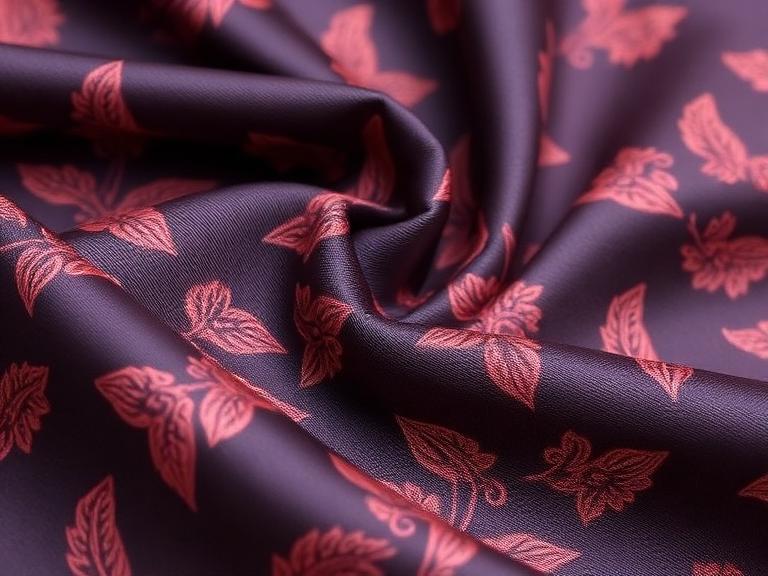
The visual properties of mulberry silk are unique due to the triangular prism-like structure of the fiber. This structure allows silk cloth to refract incoming light at different angles, creating a multicolored, pearlescent shimmer. We recommend observing the fabric under natural light to spot fake mulberry silk effectively.
True mulberry silk has a luster that changes as you move the fabric. It is a soft, deep glow rather than a harsh shine. Synthetic satin, on the other hand, usually has a static, mirror-like gloss that looks the same regardless of the angle of light. This metallic sheen is a hallmark of polyester fibers, which are uniform and circular in cross-section, reflecting light in a flat, one-dimensional way. If the fabric looks too shiny or plasticky, it likely lacks the natural protein layers found in our Silk Large Scrunchies.
3. Market Economics and Price Points
Manufacturing mulberry silk is an incredibly labor-intensive process. It requires thousands of silkworms, a steady diet of fresh mulberry leaves, and precise climate control in the factory. From our experience in the textile industry since 1995, there is a floor price for genuine silk that cannot be undercut without compromising quality. If you find a silk bundle that is priced similarly to cotton or polyester, you are likely looking at a fake.

We recommend comparing prices across reputable high-end home textile brands. A 100% pure mulberry silk pillowcase typically retails between $40 and $90 depending on the momme weight. If a listing offers a silk set for $10, it is statistically impossible for that to be genuine mulberry silk. You are likely buying satin-weave polyester. While satin refers to the weave, mulberry silk refers to the fiber. Always look for the word fiber to ensure you are getting the protein-based material mentioned in our guide on silk pillowcases for skin.
4. Tactile Friction and Hand Feel
Tactile sensation is where the precision of grandmother's textile spirit truly shines. Pure silk has a very specific hand feel—it is smooth but not slippery in a greasy way. When you rub real silk between your fingers, it produces a distinct crunching sound, similar to walking on fresh snow. This is due to the natural sericin and the structure of the fibers.
To spot fake mulberry silk using touch, pay attention to the temperature. Real silk is a natural insulator; it feels warm to the touch almost immediately as it adapts to your body heat. Synthetics feel cold and stay cold, or they become clammy as they trap sweat. Furthermore, real silk is extremely soft and flexible. If the fabric feels stiff or has a rough back (the non-shiny side), it might be a blend. For ultimate comfort, products like the Mulberry Silk Essentials Bundle prioritize this buttery, temperature-responsive texture.
5. The Chemical Dissolution Test
For those who want a laboratory-style confirmation at home, the bleach test is incredibly effective. Silk is a protein, and protein dissolves in high-alkaline environments. If you submerge a piece of genuine mulberry silk in standard household bleach (sodium hypochlorite), it will completely disappear within a few hours.
Polyester, nylon, and cotton are not proteins. If you put a synthetic silk imposter into bleach, nothing will happen to the fibers themselves, though the color might fade. From our experience, this is the most brutal yet accurate way to spot fake mulberry silk. If your fabric remains intact after an overnight soak in bleach, it is not 100% silk. This test is why we are so meticulous about our supply chain—ensuring that every thread in our eye masks and pillowcases is 100% animal-derived protein.
6. Decoding Labels and Momme Weight
Marketing terms can be deceptive. Terms like silk-touch, silky, or ice silk are almost always indicators of synthetic materials. To spot fake mulberry silk, you must look for the specific phrase 100% Pure Mulberry Silk. Furthermore, check the momme (mm) weight. Momme is the unit of measurement for silk density. Standard high-quality silk usually ranges from 19mm to 25mm.
We recommend looking for OEKO-TEX Standard 100 certification. This ensures that the silk is not only genuine but also free from harmful chemicals. If a product lacks a momme count or a purity label, it is a major red flag. In our factory, we verify these metrics at every stage of production. You can read more about how we compare silk to other luxury materials in our article on bamboo duvet covers to see which sustainable fabric fits your lifestyle best.
Summary Verification Table
| Test Method | Genuine Mulberry Silk | Fake (Polyester/Synthetic) |
|---|---|---|
| Burn Test | Smells like hair; brittle black ash. | Smells like plastic; hard black bead. |
| Bleach Test | Dissolves completely. | Does not dissolve. |
| Visual Luster | Pearlescent, multicolored refraction. | Metallic, flat white shine. |
| Price Point | Premium ($40+ for pillowcases). | Suspiciously cheap ($5-$15). |
| Touch/Feel | Warm, soft, slightly crunchy. | Cold, slippery, or clammy. |
| Terminology | 100% Pure Mulberry Silk (with Momme). | Silk-Satin, Ice Silk, Silky. |
Frequently Asked Questions
Can mulberry silk be mixed with other fibers?
Yes, silk is often blended with cotton or viscose to reduce costs. While these blends can be comfortable, they do not offer the full benefits of 100% silk. To spot fake mulberry silk in blends, look at the care label carefully; it must state the exact percentages. A 50/50 blend will not pass the bleach test and will behave differently in the burn test.
Is satin the same as mulberry silk?
No. Satin is a type of weave characterized by four or more fill threads going over a single warp thread. You can have polyester satin (fake silk) or silk satin (charmeuse). If a product is labeled only as satin without specifying the fiber, it is almost certainly polyester.
Does real silk wrinkle easily?
Yes. Because it is a natural fiber, pure silk will wrinkle. Synthetics are often treated with chemicals to be wrinkle-resistant. If you have a Mulberry Silk Sleep Eye Mask that looks perfectly pressed even after being crushed, it may have a high synthetic content or heavy chemical finish.
What is the best momme weight for bedding?
From our experience, 22 momme is the sweet spot for durability and luxury. It is thick enough to withstand washing but light enough to maintain that signature silk drape. We discuss this in-depth in our guide to the best places to buy fitted sheets.
Expert References
To further validate these testing methods, we suggest consulting academic and industrial standards from the following organizations:
- OEKO-TEX® - Standard 100 for Textile Safety
- ScienceDirect - Structural Properties of Silk Fibroin
- The Textile Institute - International Standards for Fiber Identification
- Federal Trade Commission (FTC) - Textile Labeling Requirements
By understanding these six tips, you can confidently spot fake mulberry silk and ensure that your home is filled with authentic, high-quality textiles. At Souver Home, we continue to uphold our factory’s legacy of precision, providing you with products like our Mulberry Silk Essentials Bundle that are guaranteed to be 100% pure. For those interested in other premium fabrics, feel free to explore our insights on the best organic cotton sheets in the USA or learn how to clean mattress stains to keep your luxury bedding in pristine condition.


留言
此網站已受到 hCaptcha 保護,且適用 hCaptcha 隱私政策以及服務條款。