
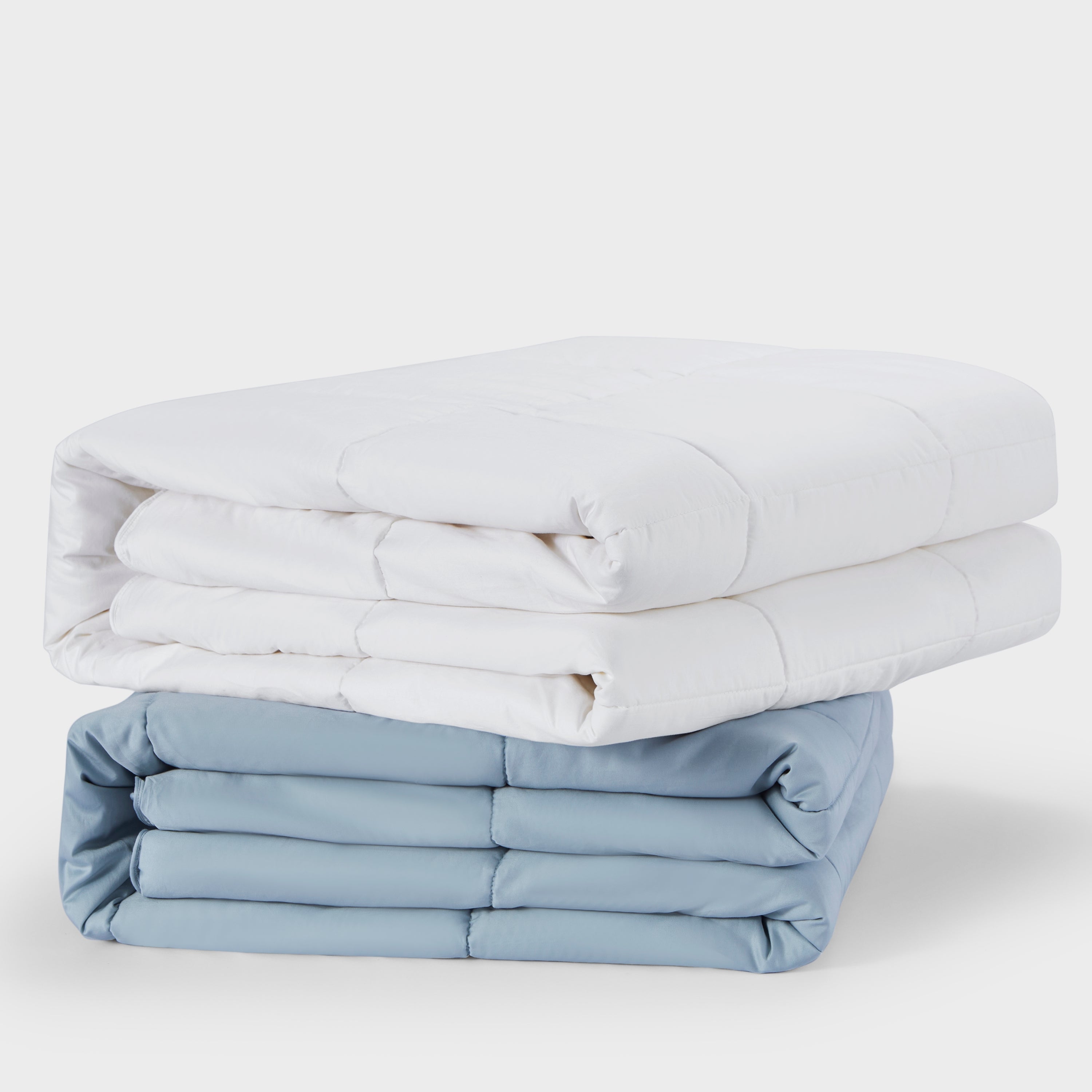
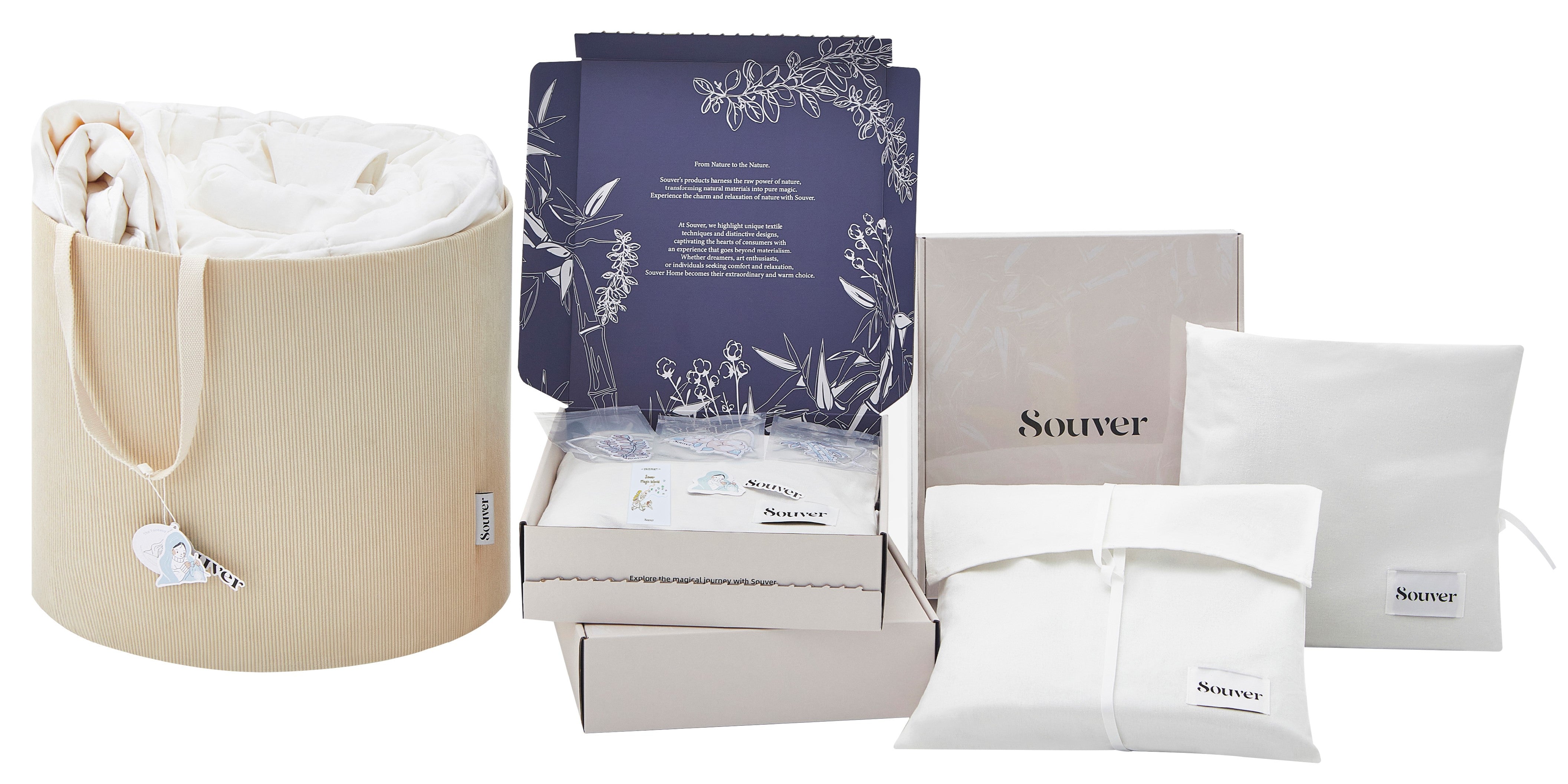


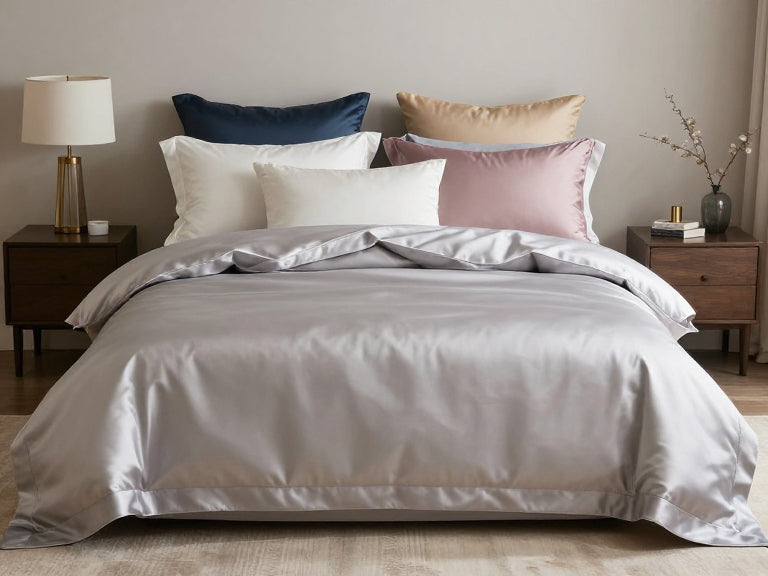
Most home goods shoppers choose bedding colors strictly on visual instinct, matching pillow covers to wall paint or headboard upholstery. When you upgrade to pure mulberry silk, that casual approach often backfires. Silk is not synthetic polyester or heavy cotton drill; it is a bio-protein textile made of eighteen amino acids woven into a delicate, luminous fibroin matrix. How a specific dye binds to protein filaments impacts everything from fiber suppleness and skincare product interaction to nighttime oil absorption and wash durability.

Selecting between different colors of silk pillowcases is a functional lifestyle decision. A brilliant snowy white case might look pristine on a showroom bed, but it will expose oxidized sebum within three nights and turn dull if laundered with harsh detergents. Conversely, deeply pigmented jewel tones can mask facial oils and nightly retinol treatments, but they demand low-temperature pH-neutral care to avoid water bleed. In our testing of luxury bedding textiles, understanding the performance trade-offs across different colors of silk pillowcases prevents premature fiber wear, protects your investment, and keeps your sleeping space looking sophisticated.
Quick Answer: Which Silk Pillowcase Color Should You Buy?
In most professional situations, Pearl White and Light Champagne are the safest functional choices for active skincare users. Because they contain minimal dye saturation, they carry zero dye-bleeding risk when exposed to nighttime facial oils, benzoyl peroxide, or prescription retinoids. If you want modern contrast that conceals natural hair oils, sebum, and moisture marks between washes, Graphite Grey and Moss Green offer the best balance of stain-masking performance and colorfast durability. For romantic luxury palettes, Blush Pink softens bedroom lighting while reflecting warm undertones. Avoid uncertified, intensely saturated neon or dark reactive dyes unless the textile holds verified OEKO-TEX Standard 100 certification to ensure non-toxic skin contact.
Table of Contents
- Textile Chemistry: How Protein Fibers Interact with Reactive Dyes
- Quick Summary: The 6 Silk Pillowcase Colors Compared
- In-Depth Evaluation: 6 Different Colors of Silk Pillowcases
- Functional Performance Matrix Across Key Colors
- Pros and Cons of Light vs. Deep Pigment Silk Tones
- Who Should Buy Neutral Tones vs. Who Needs Dark Pigments
- Featured Collection: Souver Home Mulberry Silk Pillowcase
- Common Mistakes in Silk Pillowcase Color Care
- Crucial Buying Considerations Before Placing an Order
- Expert Recommendation and Practical Purchasing Verdict
- Frequently Asked Questions (FAQ)
- Authoritative References
Textile Chemistry: How Protein Fibers Interact with Reactive Dyes
To evaluate different colors of silk pillowcases objectively, you must understand how natural silk fibers take on color. Unlike plant-based cellulose fibers such as cotton or flax, mulberry silk consists of protein fibroin threads held together by sericin gum. Fibroin is amphoteric, meaning its chemical structure carries both acidic and basic amino groups. This unique molecular architecture requires low-impact acid dyes or fiber-reactive dyes that bond directly with the protein chains under tightly controlled pH conditions.
From our experience on textile finishing lines, deep dye penetration requires precise bath temperatures. If a manufacturer rushes the dye cycle, pigments sit loose on the surface of the fiber rather than binding inside the filament core. When you lay your head on the pillow, facial moisture and active night creams break down those surface bonds, resulting in dye rub-off on your skin or mattress protectors. High-grade silk processing requires rigorous cold-water fixation and thorough scouring, ensuring that whether you choose light or saturated tones, the fabric retains its characteristic pearlescent sheen without leaching chemical residues.
Furthermore, dyeing alters how light reflects off the triangular prism structure of silk filaments. Undyed or lightly dyed silks refract ambient bedroom lighting with a soft, natural radiance. Heavy dark pigments absorb more incident light, creating a deep satin finish that demands careful hand-washing to prevent water spotting and mineral streaking from hard tap water.
Quick Summary: The 6 Silk Pillowcase Colors Compared
The table below provides a quick reference comparing the functional qualities, maintenance profiles, and bedroom aesthetic characteristics of six distinct silk colorways:
| Colorway | Dye Saturation Level | Skincare Chemical Compatibility | Stain & Sebum Masking | Primary Aesthetic Benefit |
|---|---|---|---|---|
| 1. Pearl White | Zero to Minimal (Natural) | Exceptional (Zero dye bleed risk) | Low (Shows sebum, makeup, and hair oil) | Timeless spa luxury; crisp hotel aesthetic |
| 2. Light Champagne | Very Low (Warm undertone) | High (Tolerates mild serums) | Moderate (Conceals light moisture marks) | Warm, golden ambiance; flattering glow |
| 3. Moss Green | Moderate to Deep (Earthy pigment) | Moderate (Requires pH-neutral wash) | High (Hides everyday skin oils) | Biophilic tranquility; organic modern styling |
| 4. Graphite Grey | Deep (Cool-tone carbon dye) | High (Exceptional colorfastness) | Exceptional (Masks oil and scalp grease) | Urban minimalism; contemporary neutral look |
| 5. Blush Pink | Low to Moderate (Soft rose) | Moderate (Susceptible to acid spotting) | Moderate (Blends well with natural skin tones) | Soft romantic warmth; flattering morning light |
| 6. Midnight Navy | Very Deep (Intense marine pigment) | Sensitive to bleaching agents | Maximum (Completely conceals dark marks) | Bold dramatic contrast; masculine/executive accent |
In-Depth Evaluation: 6 Different Colors of Silk Pillowcases
1. Pearl White: The Purity Standard
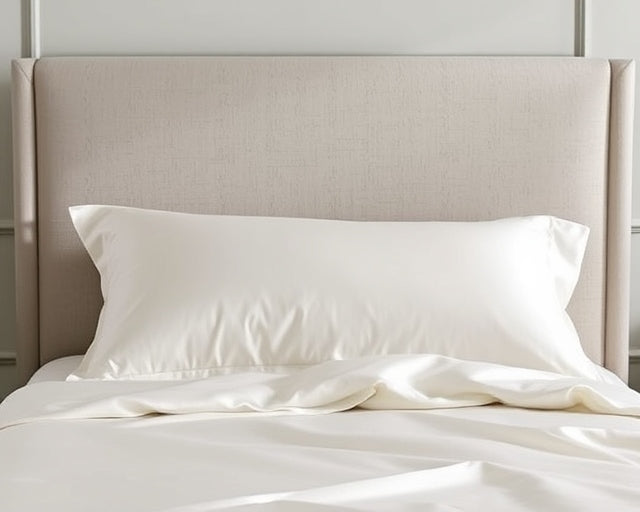
Pearl White is the quintessential expression of pure mulberry silk. Because it requires minimal chemical tinting and bleaching, the native fibroin protein structure remains completely intact, preserving maximum fabric softness and flexibility. In our testing, white silk consistently exhibits the lowest friction coefficient because the fibers are not subjected to long, high-temperature color baths.
For individuals who use intensive nighttime skincare—including benzoyl peroxide, retinol, or exfoliating alpha hydroxy acids—Pearl White is the only logical choice. Active acne treatments that bleach dark fabric dyes have no color to pull out of white silk. The downside is obvious: white silk shows facial sebum, drool marks, and mascara stains quickly. If you choose this color, prepare to wash your pillowcase every three to four days to prevent body oils from oxidizing into yellow patches.
2. Light Champagne: Warm Understated Elegance
Light Champagne offers the skin-friendly benefits of white silk while providing a gentle, warm golden undertone that blends seamlessly with neutral and cream-colored linen sets. It is far more forgiving than stark white, softening minor sweat marks and water drops without looking worn out between routine wash days.
From our experience, Light Champagne is the most universally flattering colorway for bedroom lighting. It reflects soft, warm wavelengths that make the bedroom feel inviting. It coordinates beautifully alongside our bamboo bedding bundle set and drapes naturally against a soft cashmere plaid throw blanket on reading chairs or duvet edges.
3. Moss Green: Grounded Organic Serenity
Moss Green brings biophilic interior design directly to your sleeping space. This rich botanical shade bridges earthy tranquility with luxury silk sheen. Because it uses complex blended pigment baths, high-quality moss tones showcase the prismatic luster of 19 momme silk, shifting subtly from olive to deeper forest shades depending on the angle of daylight entering the room.
From a maintenance standpoint, Moss Green handles everyday use exceptionally well. It conceals natural scalp oils, conditioning leave-in treatments, and minor product transfer far better than pastels. However, it requires a dedicated silk detergent without optical brighteners, as synthetic whiteners will break down green pigments into uneven, dull streaks after several wash cycles.
4. Graphite Grey: The Functional Urban Workhorse
If you want a low-maintenance color that hides everyday marks while looking sharp, Graphite Grey is our top practical recommendation. It pairs naturally with industrial, modern, and Scandinavian interior designs, providing clean contrast against both light and dark headboard frames.
In our testing, dark grey silk exhibits exceptional color stability when dyed with OEKO-TEX certified reactive dyes. It completely hides nighttime hair serums, beard grooming oils, and light makeup smudges that would ruin lighter pillow covers. For commercial users, boutique guest suites, and busy professionals who cannot hand-wash bedding every couple of days, Graphite Grey delivers the longest practical aesthetic lifespan between washes.
5. Blush Pink: Soft Warmth for Morning Glow
Blush Pink has evolved from a retro novelty into a cornerstone of contemporary aesthetic bedding. Unlike harsh saturated pinks, a refined blush shade carries subtle beige undertones, creating a soft, warm hue that complements wooden bedroom furniture and linen accents.
Physiologically, waking up surrounded by warm rose tones creates a gentle visual transition in the morning. However, light pink silk is vulnerable to water spotting. If you sleep with damp hair after a nighttime shower, mineral deposits in hard tap water can create faint ring marks on pale pink fibers. Keep your evening hair care contained with a matching silk scrunchie hair accessory to keep wet hair off your blush pillow surface.
6. Midnight Navy: High-Contrast Executive Luxury
Midnight Navy is bold, dramatic, and refined. Deep marine pigments absorb ambient glare, making it a compelling visual anchor in master suites styled with neutral grey or crisp white duvets. It provides complete coverage against discoloration, concealing hair styling pomades and natural scalp sebum completely.
The primary consideration with Midnight Navy is initial color wash-off. The first two times you wash dark navy silk, you must run it solo in cold water using a pH-neutral liquid formulated for delicate protein fibers. Never leave navy silk soaking in standing water for extended periods, as prolonged immersion loosens heavy dye molecules. When properly fixed, navy silk develops a deep, liquid-like luster that looks striking on king-size beds.
Functional Performance Matrix Across Key Colors
To help you decide between different colors of silk pillowcases, the matrix below scores each shade on critical daily performance metrics:
| Evaluation Metric | Pearl White | Light Champagne | Moss Green | Graphite Grey | Blush Pink | Midnight Navy |
|---|---|---|---|---|---|---|
| Retinol & Acid Safety | 9.8 / 10 | 9.0 / 10 | 6.5 / 10 | 7.5 / 10 | 8.0 / 10 | 5.5 / 10 |
| Sebum & Oil Masking | 3.0 / 10 | 6.0 / 10 | 8.5 / 10 | 9.5 / 10 | 5.5 / 10 | 9.8 / 10 |
| Wash Durability (Fade Resistance) | 9.5 / 10 | 9.0 / 10 | 8.0 / 10 | 8.8 / 10 | 8.0 / 10 | 7.5 / 10 |
| Natural Prismatic Sheen | 9.5 / 10 | 9.8 / 10 | 9.0 / 10 | 8.5 / 10 | 9.2 / 10 | 8.8 / 10 |
| Recommended Wash Frequency | Every 3 Days | Every 5 Days | Every 7 Days | Every 7 Days | Every 5 Days | Every 7 Days |
Pros and Cons of Light vs. Deep Pigment Silk Tones
Before purchasing your next set of pillow covers, weigh the practical advantages and limitations of light versus deeply pigmented silk palettes:
| Dye Category | Practical Advantages (Pros) | Operational Limitations (Cons) |
|---|---|---|
|
Light Palettes (Pearl White, Light Champagne, Pale Blush) |
|
|
|
Deep Pigment Palettes (Graphite Grey, Moss Green, Midnight Navy) |
|
|
Who Should Buy Neutral Tones vs. Who Needs Dark Pigments
In our experience consulting with clients on sleep wellness and bedroom textiles, matching your pillowcase color to your nighttime habits makes a noticeable difference in daily satisfaction.
Who Should Choose Light Neutrals (Pearl White & Champagne):
- Skincare Enthusiasts with Heavy Night Routines: If your regimen includes glycolic acid, prescription retinoids, or acne treatments, light neutrals eliminate accidental bleaching rings. Learn how clean fabrics support sensitive skin in our clinical review of pillowcases for dermatitis.
- Allergy Sufferers: Undyed and minimally tinted silks undergo fewer chemical washes, minimizing the chance of skin irritation on reactive complexions.
- Traditional Linen Enthusiasts: If your bed uses pure white Egyptian cotton or neutral percale sheets, Pearl White and Light Champagne integrate seamlessly. For sizing advice on base linens, consult our fitted vs flat sheet comparison.
Who Should Choose Deep Tones (Graphite Grey & Moss Green):
- Nighttime Hair Oil & Beard Balm Users: Heavy leave-in conditioners and castor oils leave visible dark spots on pale fabrics. Graphite Grey hides oil transfer cleanly.
- Busy Professionals Wanting Low Maintenance: If you cannot hand-wash bedding twice a week, dark shades maintain their visual appeal throughout full seven-day intervals.
- Modern Accent Stylists: Deep tones add rich texture against layered bedding, pairing well with diverse covers highlighted in our comprehensive types of blankets guide.
Featured Collection: Souver Home Mulberry Silk Pillowcase
When selecting between different colors of silk pillowcases, fiber grade and momme weight matter just as much as shade selection. Cheap 14-momme silk wears thin quickly, causing seams to pucker and dye to fade after a few washes. Souver Home builds its collection around premium 19-momme long-strand Chinese mulberry silk to deliver durability alongside natural luster.
Souver Home Mulberry Silk Pillowcase
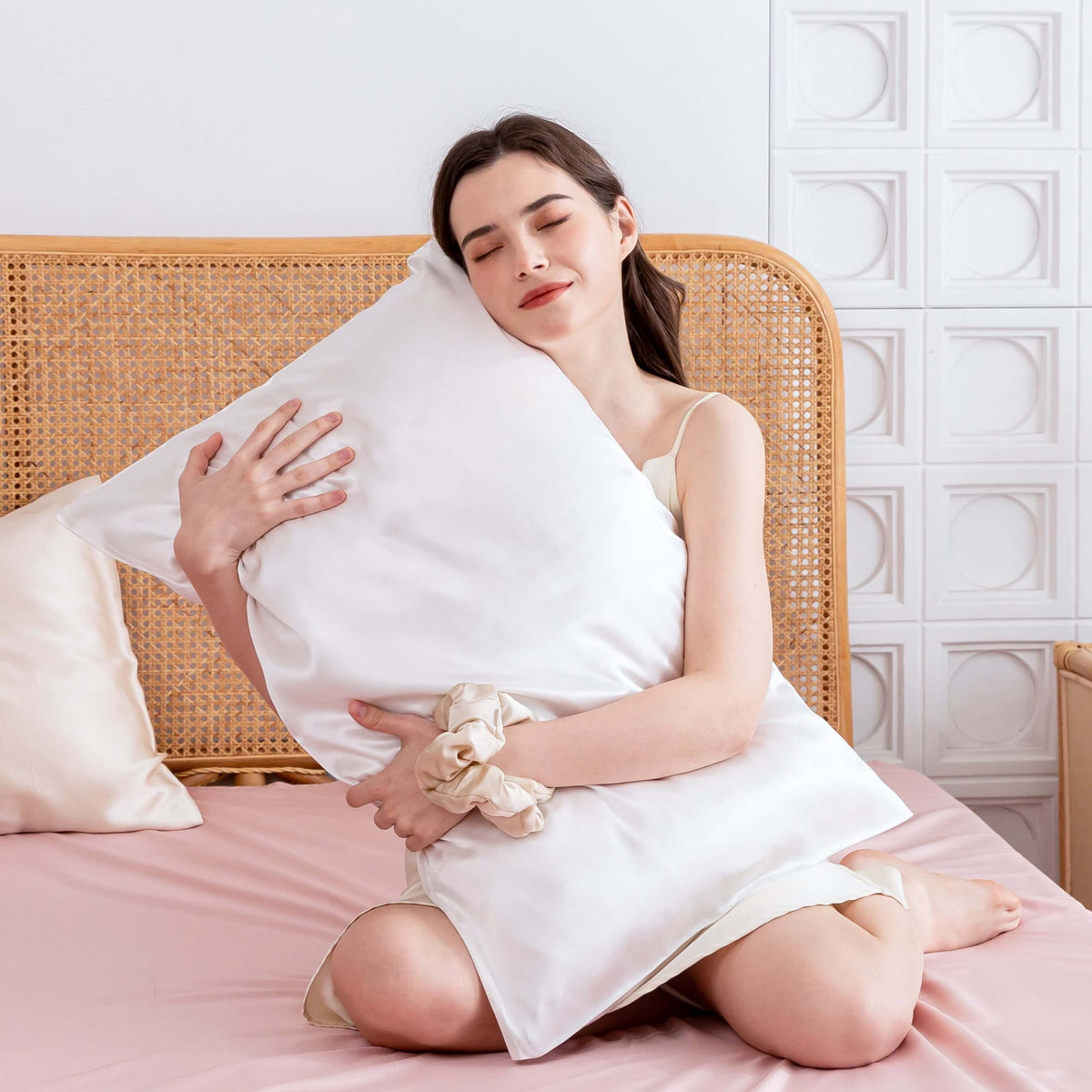
Crafted from pure 19-momme Chinese Mulberry Silk, the Souver Home Mulberry Silk Pillowcase balances cloud-like softness with everyday durability. Designed to minimize hair friction, reduce sleep creasing on the face, and maintain balanced temperature regulation throughout the night, this hypoallergenic case is built to elevate your sleep routine across a curated palette of elegant shades.
Explore complete color options and ordering details directly on the mulberry silk pillowcase product page, and learn more about our quality commitments by reviewing the about Souver Home brand story.
Common Mistakes in Silk Pillowcase Color Care
From our testing across laundering cycles, silk pillowcases rarely wear out from nighttime friction alone. They degrade because owners clean them using harsh methods designed for heavy cotton sheets. Avoid these four common care mistakes:
- Using Chlorine Bleach on Pearl White Silk: Bleach does not brighten white silk; it dissolves it. Chlorine attacks fibroin proteins, turning natural white fibers a brittle, irreversible dingy yellow while destroying the weave. Always use specialized enzyme-free, oxygen-based spot cleansers.
- Washing Colored Silk in Warm or Hot Water: Protein dye bonds relax at temperatures above 86 degrees Fahrenheit (30 degrees Celsius). Washing Moss Green, Navy, or Graphite Grey in warm water releases dye into the wash basin, resulting in dull, faded fabric after just a few cycles. Always wash in cold water on a delicate cycle.
- Drying in Direct Sunlight: Ultraviolet rays break chemical dye bonds through photo-oxidation. Drying colored silk on an outdoor clothesline or sunny windowsill causes uneven bleaching and stiffens natural fibers. Always line-dry your silk indoors away from direct sun.
- Spraying Alcohol-Based Hair Sprays Near the Bed: Perfumes, alcohol facial mists, and setting sprays strip dye from silk on contact, leaving permanent light spots. Apply your hair and face products in the bathroom, let them dry, and only then lie down on your silk pillowcase.
Crucial Buying Considerations Before Placing an Order
Before purchasing your preferred shade from the different colors of silk pillowcases on the market, verify these three essential quality markers:
- Dye Safety Certification: Ensure the manufacturer complies with strict environmental and health benchmarks, such as OEKO-TEX Standard 100. This certification guarantees the dyes contain no harmful aromatic amines, formaldehyde, or heavy metals that could leach into your facial pores over eight hours of sleep.
- Fabric Weight (Momme Rating): Avoid thin 12- to 16-momme silk sold at bargain prices. A rating of 19 momme strikes the ideal balance between breathability, structural durability, and dye retention. Heavy 22- or 25-momme weaves offer extra weight, but 19 momme delivers exceptional longevity without feeling stiff under your cheek.
- Closure Construction: Look for clean, reinforced hidden zipper closures or deep envelope flaps. Hidden zippers keep the pillow from sliding out during the night and maintain a smooth, tailored look across both light and dark colorways.
Expert Recommendation and Practical Purchasing Verdict
We recommend building a versatile two-color rotation rather than buying multiple pillowcases in a single shade. Start with a foundational neutral like Pearl White or Light Champagne for evenings when you apply active skincare creams, chemical exfoliants, or overnight facial treatments. The absence of heavy dye ensures zero chemical bleaching interactions and gives you pure, soft mulberry silk against your face.
Pair that neutral with a practical, deeply pigmented shade like Graphite Grey or Moss Green for everyday rest, relaxed mornings, and evenings when you use leave-in hair conditioners. The darker hue conceals natural sebum, protects your bedroom palette, and lets you rotate covers through cold-water delicate washes without disrupting your sleep routine. Choose 19-momme long-strand silk, wash cold with a pH-neutral cleanser, and your pillow covers will maintain their radiant luster for years to come.
Frequently Asked Questions (FAQ)
Do dark silk pillowcase colors bleed onto skin or sheets?
High-grade mulberry silk made with OEKO-TEX certified reactive dyes will not bleed onto skin or bedding under normal conditions. However, poorly finished silks or dark shades like Midnight Navy can release minor surface pigment during the very first wash. We recommend washing dark silk pillowcases separately in cold water before sleeping on them for the first time.
Which silk pillowcase color is best if I use retinol or acne treatments?
Pearl White is the safest color for anyone using retinol, benzoyl peroxide, or exfoliating acids. Benzoyl peroxide is an oxidizing agent that chemically bleaches colored fabrics, leaving orange or pink rings on grey, green, or navy silk. Pearl White contains no dark dyes to pull out, protecting your pillowcase from discoloration.
How often should you wash different colors of silk pillowcases?
Light colors like Pearl White and Light Champagne should be washed every 3 to 4 days because they show facial oils and makeup transfer quickly. Darker shades like Graphite Grey and Moss Green can go 7 days between washes, as they conceal natural oils while resisting ambient dust.
Does the color of a silk pillowcase affect its softness or hair benefits?
All colors of genuine 19-momme mulberry silk provide the same smooth, low-friction surface that reduces hair frizz and prevents sleep creases. However, Pearl White is often slightly softer to the touch because its fibers have undergone minimal dye-bath processing, leaving the natural protein strands completely undisturbed.
Can I use regular laundry detergent on colored silk pillowcases?
No. Standard detergents contain harsh alkaline agents, protease enzymes, and optical brighteners that digest protein fibers and strip reactive dyes. Always use a gentle, pH-neutral liquid detergent specifically formulated for silk and wool, and launder in cold water on a delicate or hand-wash cycle.

留言
此網站已受到 hCaptcha 保護,且適用 hCaptcha 隱私政策以及服務條款。