


The architecture of a perfectly engineered bed relies on the precise layering of textiles designed for both protection and tactile comfort. While modern consumers spend a significant amount of time researching mattress densities and duvet fill powers, they frequently overlook the foundational components of the linen set. A common point of confusion in home linens centers on the exact mechanical, functional, and structural variances between the two primary sheets found in standard bedding configurations. Evaluating the distinct properties across these textiles is critical to building an optimal, climate-controlled, and ergonomically sound sleep system.

At SouverHome, we approach sleep sanctuary engineering through a strict lens of material science, weave optimization, and textile longevity. From our experience, misjudging how these two distinct components interact leads to fragmented sleep patterns, accelerated fabric wear, and unnecessary frustration during routine laundering. Understanding the core differences between a fitted and flat bed sheet allows homeowners, luxury hoteliers, and interior designers to optimize spatial efficiency, improve thermal regulation, and maximize the operational lifespan of premium linens. This comprehensive analysis details the six critical boundaries separating these sheets, breaking down dimensional geometry, elastic tension mechanics, and strategic fiber deployment.
1. Summary Matrix: Fitted vs. Flat Sheet Technical Parameters
Before launching into the micro-engineering of woven textiles, we recommend examining the baseline physical parameters that separate these two sheet classes. The table below outlines how geometry, tension profiles, and functions differ between standard configurations.
| Technical Metric | Fitted Bed Sheet Profile | Flat Bed Sheet Profile |
|---|---|---|
| Edge Construction Architecture | Continuous or corner-pocket elastic casing | Straight-stitched, clean, wide-turn flat hems |
| Primary Mechanical Function | Matress envelope protection and slip prevention | Thermal insulation shielding and duvet hygiene preservation |
| Dimensional Cutting Cut | Three-dimensional block shape with specific depth metrics | Two-dimensional oversized rectangular sheet pane |
| Physical Abrasion Exposure | High localized friction from direct skeletal weight | Low friction; subjected primarily to interior movement |
| Laundering and Folding Profile | Complex elastic tensioning requiring specialized folding methods | Straightforward geometric folding and flat pressing |
| Structural Sizing Constraints | Absolute tolerances required matching mattress dimensions | Flexible drop parameters allowing over-bed draping |
2. Deep Dive: The 6 Core Differences Explained
To establish a flawless sleep surface, users must look past superficial designations and evaluate the structural dynamics separating the two primary items in a linen set. These differences between a fitted and flat bed sheet dictate how a bed handles active movement and temperature fluctuations through the night.
Difference 1: Perimeter Geometry and Edge Construction
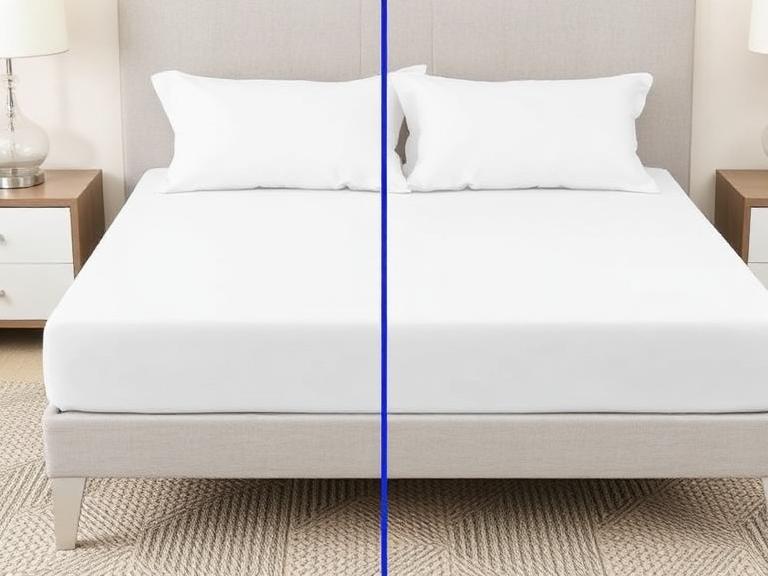
The most immediate variance between a fitted and flat bed sheet rests in the perimeter finish. A fitted variant features a complex, three-dimensional cut where the corners are stitched into boxed pockets. The entire perimeter, or at a minimum the four corner seams, is integrated with a continuous elastomeric band. This band provides mechanical tension, pulling the fabric taut beneath the mattress base. Conversely, a flat sheet is a pure two-dimensional rectangle. Its perimeter features a series of flat, straight hems, typically showcasing a wider turn-back at the top edge to identify the head of the bed and provide a crisp fold-over option when layered with a blanket.
Difference 2: Primary Functional Purpose
The operational targets of these sheets are completely non-interchangeable. The fitted model serves as an defensive barrier for the mattress infrastructure itself, staying anchored to prevent raw skin oil, dead cells, and perspiration from penetrating the ticking. It must provide a unyielding, smooth foundation that eliminates fabric bunched under the body. The flat layer acts as a thermal shield for the sleeper and a hygiene protector for the top layers, like a down comforter or quilt. By isolating the human body from non-washable decorative duvets, the flat layer drastically reduces professional cleaning costs.
Difference 3: Elastic Tension vs. Geometric Draping
Fitted units depend on physics-driven grip. The elastic must exert inward force to wrap around the mattress corners, maintaining structural stability even when subjected to lateral forces from tossing and turning. A flat sheet depends on natural gravitational drop. It relies on its generous width and length to fall gracefully past the mattress boundaries, allowing for traditional hotel hospital-corner folds to lock the lower perimeter under the mattress structure manually.
We recommend closely inspecting the elastic quality of your bottom sheets. Substandard manufacturers save production costs by using thin, heat-sensitive rubber tracks sewn directly into the hem with a standard zig-zag stitch. Over repeated hot laundry cycles, this rubber degrades, causing the sheet to lose its tension and slip off deep mattresses. Premium sheets utilize independent braided or enclosed multi-channel elastic tracks that preserve tension for years.
Difference 4: Surface Friction and Wear Profiles
The physical wear patterns across these two components are highly asymmetrical. Because the lower sheet is tensioned directly across the mattress surface, it bears the full compression load of human skeletal weight. This creates a high-friction zone along the hip and shoulder areas during sleep rotations. As a result, bottom sheets are far more susceptible to material thinning and surface degradation. Top layers experience minimal friction, rubbing lightly against blankets, which allows them to maintain their original yarn thickness far longer.
Difference 5: Laundry Logistics, Pressing, and Storage
Any hospitality manager or homeowner can attest to the stark contrast in laundering logistics. The three-dimensional structure of the elasticized bottom sheet makes it notoriously difficult to fold flat, often causing air pockets that clutter linen closets. It requires specialized hand-tucking folding techniques to square up. The flat companion sheet folds smoothly into perfect rectangles, allowing for rapid automatic ironing, high-density stacking, and efficient ventilation inside storage cabinets.
Difference 6: Dimensional Fit Tolerances
Sizing tolerances are absolute for bottom sheets but highly forgiving for top sheets. A bottom sheet must match your mattress dimensions exactly; if it is too small, it will pop off the corners, and if it is too loose, it will gather into painful wrinkles. Top sheets offer flexible drop options, allowing a user to drape a king-sized flat sheet over a queen-sized mattress to achieve a luxurious puddle effect on the floor or accommodate tall custom mattress profiles.
3. Material Science and Fiber Behavior Profiles
The choice of raw fiber material drastically alters how these sheets perform under active friction and temperature shifts. In the modern market, moving away from standard synthetic polyesters toward natural, high-performance plant fibers is essential for deep skin-breathing optimization.
Our premier single-item sheets deliver the exact scientific specifications required to maximize bedtime microclimates:
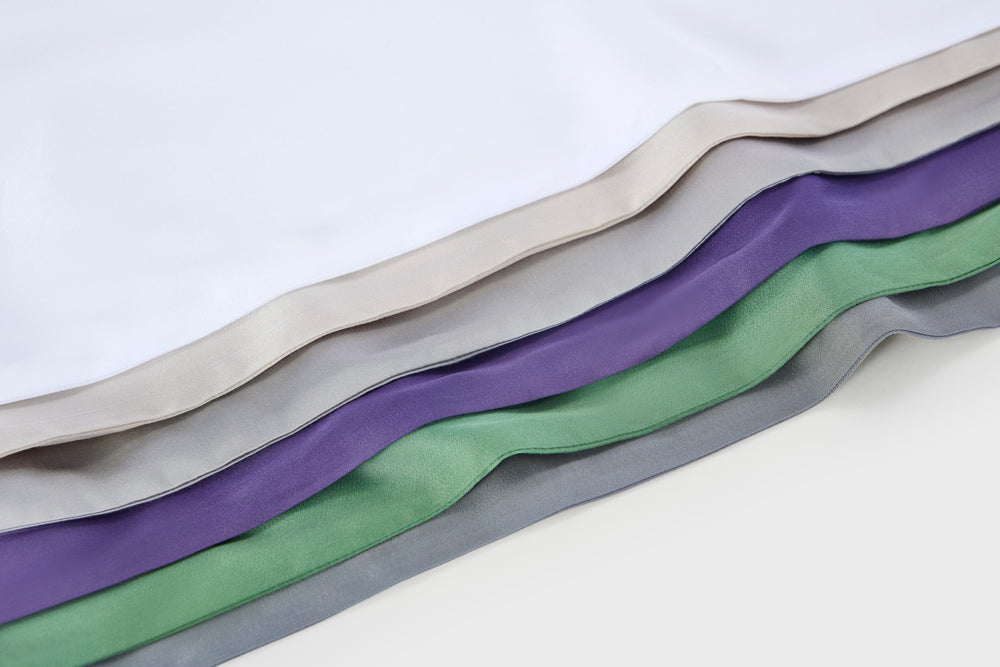
- SouverHome Bamboo Fitted Sheet: Crafted from 100% premium eco-friendly bamboo fibers, this item features a robust 300 thread count, offering a weight of 0.85kg for Queen and 1kg for King configurations. It includes a generous 16-inch (41cm) deep corner pocket design equipped with high-performance all-around elastic to wrap securely around deep custom mattresses. The inherent hypoallergenic properties make it highly soothing for reactive skin profiles.
- SouverHome Bamboo Flat Sheet: Mirroring the elite 300 thread count bamboo material of its lower partner, this flat sheet delivers an ultra-smooth, breathable top barrier with a balanced weight profile (0.8kg Queen / 1kg King). The natural moisture-wicking capillary channels inside the bamboo filaments pull moisture away from the skin, working to lower ambient temperatures and prevent nighttime overheating.
4. Operational Logistics: Storage, Lifecycle, and Sizing
Integrating high-end bedding elements requires proper care to prevent fabric damage and ensure your investment retains its premium feel over many years of use.
Preventing Pilling and Static Hazards
The high friction experienced by bottom sheets can occasionally lead to the formation of small, uncomfortable fiber tangles known as pills. To preserve the smooth feel of your bedding, we recommend following our specialized guide on how to prevent pilling on bamboo sheets, which highlights the importance of washing with cool temperatures and avoiding harsh chemical softeners. Furthermore, low-grade synthetic fiber sheets often suffer from static electricity buildup in dry winter climates. To understand why natural plant fibers avoid this annoying issue, explore our industrial overview on whether is static in bed sheets dangerous for your skin or sleep cycle.
Sizing Adaptations and Market Comparisons
A common mistake during linen procurement is trying to mix mismatched sizes across different beds. To avoid a loose, bunching sleep surface, check our structural sizing analysis to understand why a king vs queen fitted sheet size layout is fundamentally non-interchangeable. If you are comparing different luxury brands across the global market, reading our direct review of Boll and Branch vs Parachute sheets highlights how different companies handle weave parameters and corner pocket designs.
To view full performance testing and certified testing scores across alternative materials, read our consumer breakdown of the best bamboo sheets reviews. For those who enjoy a casual, casual jersey knit option instead of a traditional sateen or percale weave, consult our complete cotton jersey sheets guide to choose the right material weight for your regional climate zone.
5. Frequently Asked Questions (FAQs)
6. Academic and Industrial Textile References
For more detailed technical data regarding woven fabric testing, yarn friction analysis, and international home bedding safety standards, consult these authoritative organizations:
- ASTM International. ASTM D3884 Standard Guide for Abrasion Resistance of Woven Textile Fabrics.
- American Association of Textile Chemists and Colorists (AATCC). Standard Test Method for Dimensional Changes in Commercial Laundering of Home Textiles.
- International Organization for Standardization (ISO). ISO 12945 Determination of Fabric Surface Fiber Pilling, Fuzzing, or Matting Tendencies.

留言
此網站已受到 hCaptcha 保護,且適用 hCaptcha 隱私政策以及服務條款。