
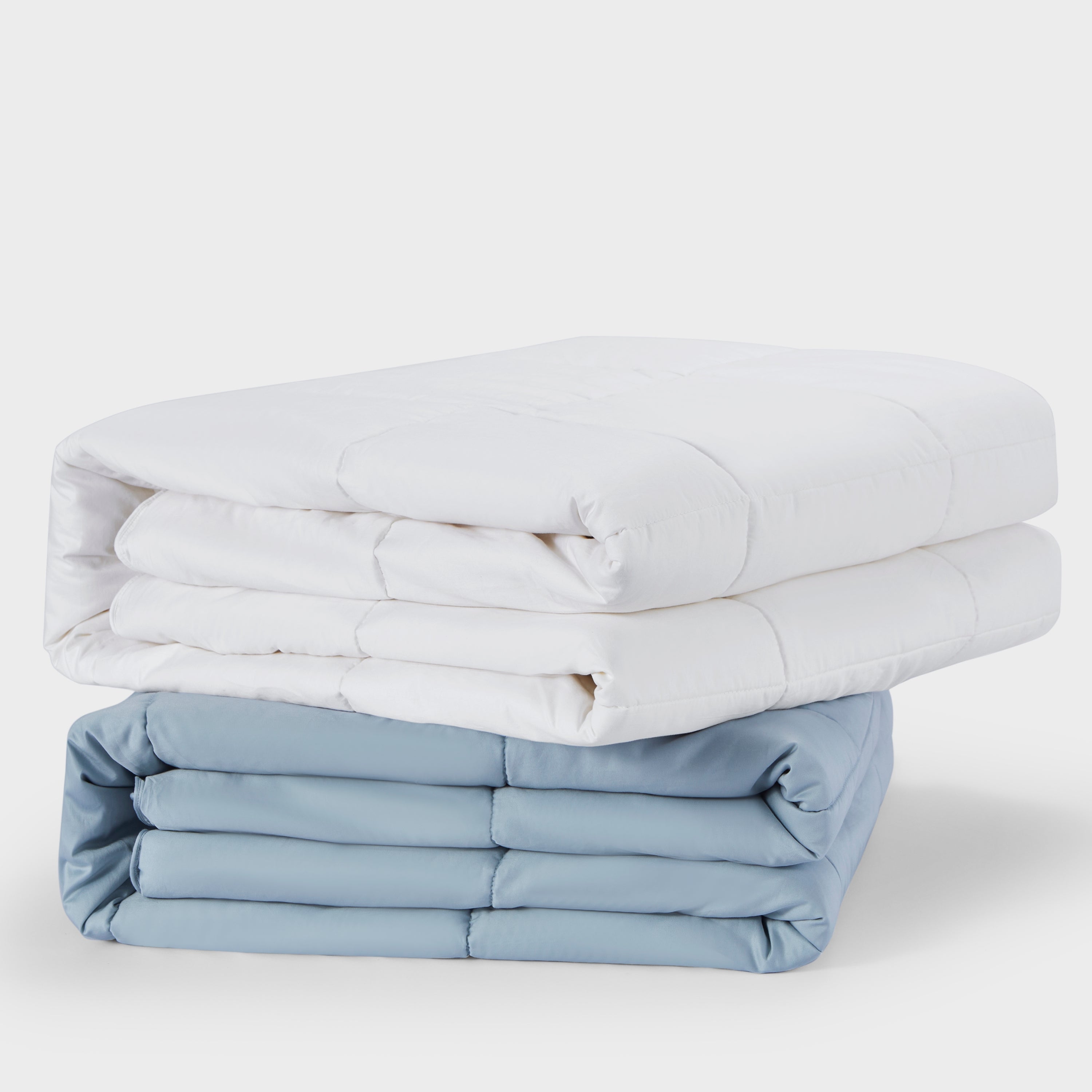
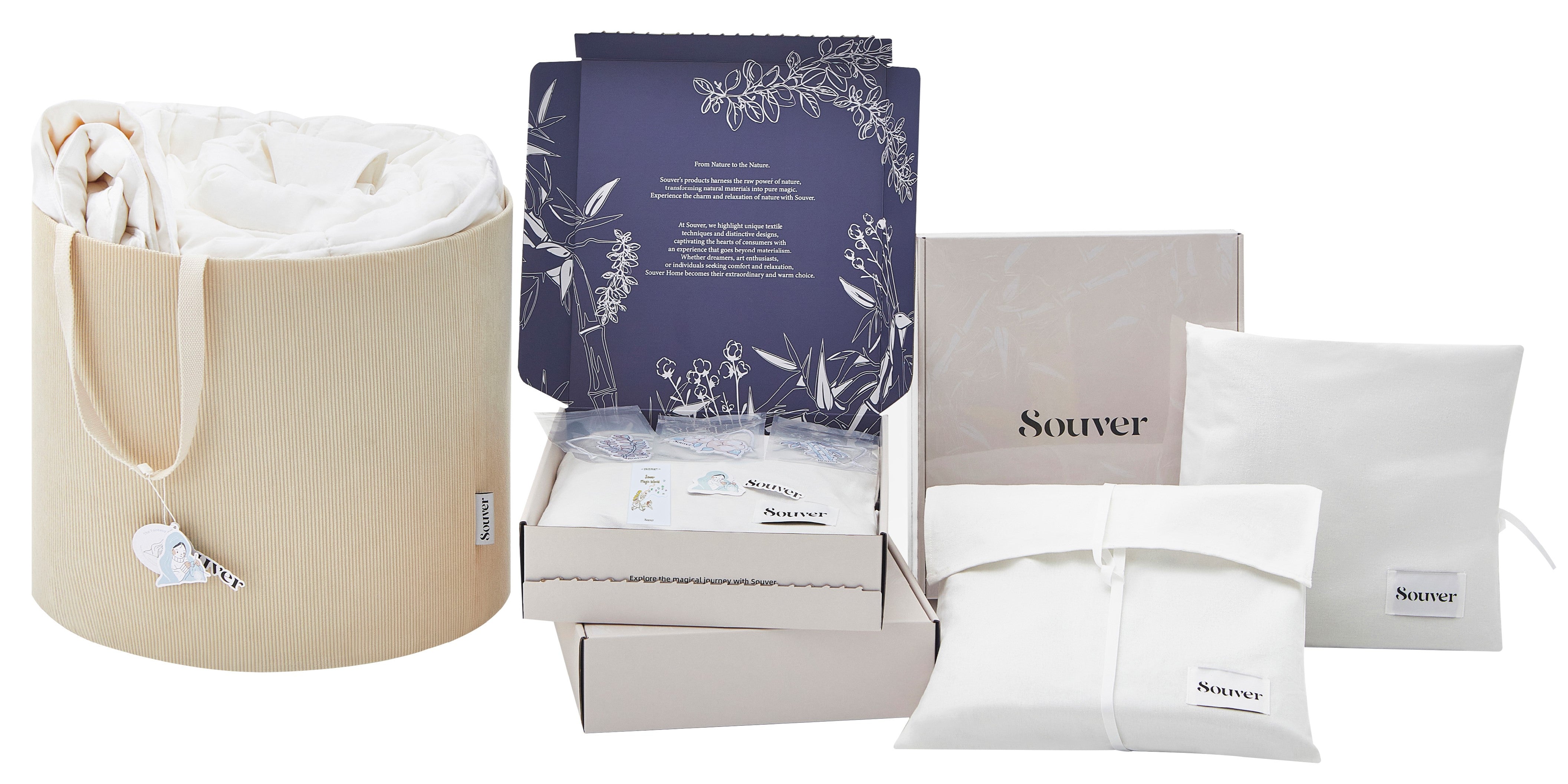


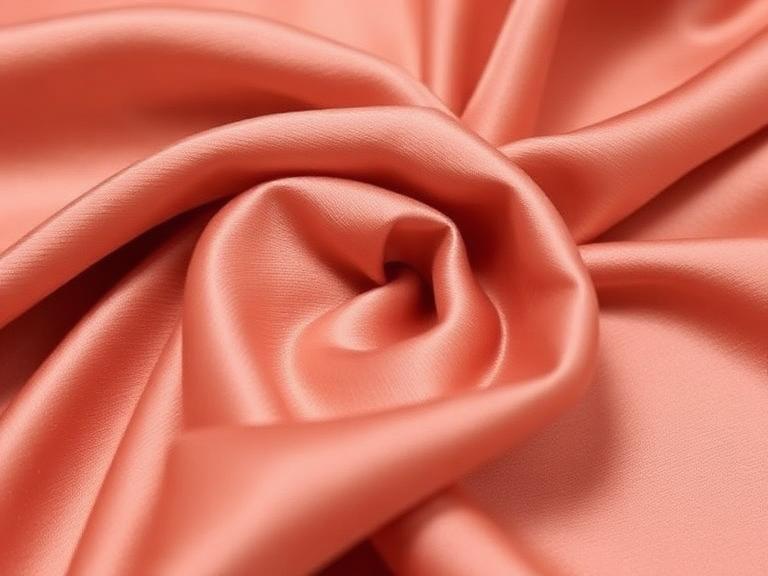
The most reliable methods are the burn test (real silk burns to a brittle ash with a burnt-hair smell, not a plastic bead), the water test (real silk absorbs water and leaves a dark ring, not a beading drop), and the feel test (real mulberry silk is smooth, cool, and has a subtle sheen that shifts with light). In our experience, the only foolproof method for consumers is the burn test, but you must be careful. We also recommend checking the label – it should say "100% Mulberry Silk" or "Pure Mulberry Silk" with a momme weight (like 22 momme) or grade (like 6A).
What Is Real Mulberry Silk? 5 Tests to Identify Real Mulberry Silk Comparison Table Pros & Cons Buying Guide FAQ
Mulberry silk is the gold standard in the textile world – prized for its incredible softness, natural temperature regulation, and hypoallergenic properties. But the market is flooded with imitations: blends, synthetic "silks," and lower-grade wild silks that don't come anywhere close to the real thing.

From our experience at Souver Home, where we've been working with pure mulberry silk for years, the confusion is understandable. Even experienced shoppers can be deceived by clever marketing or subtle fabric blends. In this guide, we'll show you 5 proven ways to tell if it's real mulberry silk – no special equipment required.
For a deeper dive into silk quality, see our guide on mulberry silk grades explained.
What Is Real Mulberry Silk?
Mulberry silk comes from the cocoons of the Bombyx mori silkworm, which are fed exclusively on mulberry leaves. This diet produces a remarkably uniform, fine, and strong fibre that is the basis for the world's finest silk fabrics.
How It Works
Unlike wild silk (tussah) or blended silks, mulberry silk is composed of long, continuous filaments that are exceptionally smooth and round. This gives it a unique lustre and a soft, almost weightless feel. The fibre's protein structure also makes it naturally hypoallergenic and gentle on skin and hair.
Who Should Use Mulberry Silk?
- Beginners – Anyone new to silk should start with mulberry silk for its consistent quality and performance.
- Commercial users – Hotels, boutiques, and wellness brands choose mulberry silk for its luxury appeal and durability.
- Heavy-duty applications – For items like pillowcases and duvets that are used daily, pure mulberry silk offers the best longevity.
Who does not need it? If you're looking for a budget-friendly fabric or don't mind synthetic alternatives, mulberry silk may not be necessary. However, for those seeking genuine luxury and skin benefits, it's the only choice.
Explore our silk bedding collection for authentic mulberry silk products.
5 Ways to Tell if It's Real Mulberry Silk
Cut a small thread or a few fibres from an inconspicuous area. Hold it with tweezers and ignite it with a lighter.
- Real mulberry silk: Burns with a smell like burnt hair or feathers. The ash is brittle and crumbles easily. The flame is brief and does not spread.
- Fake silk (polyester/nylon): Burns with a black, acrid smoke. Forms a hard, plastic-like bead at the end. Smells like burning plastic.
- Blends: Will show mixed results – synthetic components will bead, while silk portions will ash.
From our experience, this is the only test that is nearly foolproof. Just be careful with the flame.
Place a single drop of water on the fabric and observe.
- Real mulberry silk: The water absorbs quickly, leaving a dark, wet ring on the fabric. The fabric becomes slightly darker where the water was absorbed.
- Fake silk (synthetic): The water beads up and rolls off the surface without being absorbed.
This test works because real silk fibres are hydrophilic and absorb moisture readily.
Run your fingers over the fabric and observe it in different lighting conditions.
- Real mulberry silk: Has a smooth, almost weightless feel. It feels cool to the touch initially. The sheen shifts and changes with the angle of light – it's not a flat, uniform shine.
- Fake silk (synthetic): Feels slick or waxy. It may be smooth but lacks the natural "give" of real silk. The shine is often flat and uniform, regardless of the light angle.
In most professional situations, this is the first test we recommend – it's quick and easy, but it takes practice to develop the right touch.
Scrunch a small portion of the fabric in your hand for 30 seconds, then release it.
- Real mulberry silk: Will show some wrinkles, but they tend to fall out naturally or with light steam. The fabric will not hold sharp creases.
- Fake silk (synthetic): Often holds creases longer, especially if it's made from polyester. However, some synthetic blends are designed to be wrinkle-resistant, so this test is less reliable on its own.
Examine the label carefully and consider the price point.
- Real mulberry silk: The label will clearly state "100% Mulberry Silk" or "Pure Mulberry Silk" with a momme weight (e.g., 19, 22 momme) or grade (e.g., 6A).
- Fake silk: Labels may say "silk-like," "blended silk," or "artificial silk." If the price is under $30 for a pillowcase, it's almost certainly not pure mulberry silk.
In our testing, genuine mulberry silk pillowcases typically retail for $70–$150, depending on the momme weight and brand. 6A grade is the highest quality.
For more on grades, see our what is 6A mulberry silk guide.
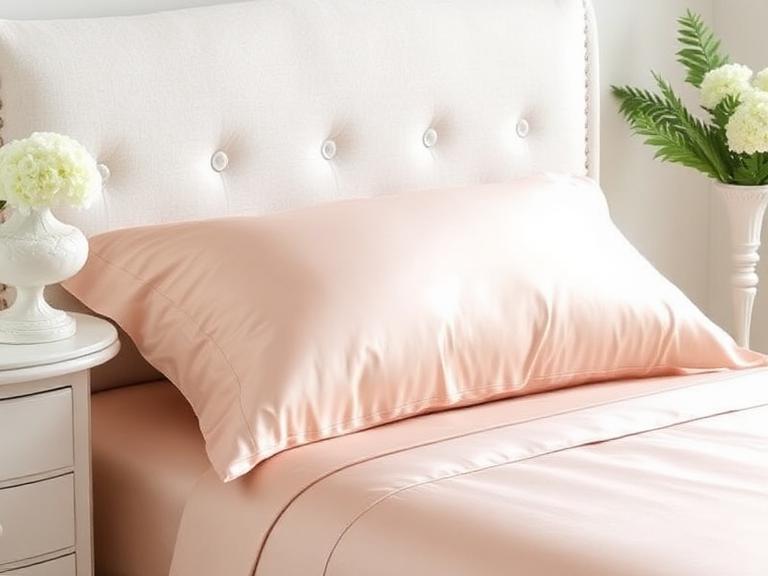
For a high-quality option, browse our mulberry silk pillowcase – 6A grade, 22 momme, and 100% pure.
Comparison Table: Real Mulberry Silk vs. Common Imitations
| Property | Real Mulberry Silk | Wild Silk (Tussah) | Polyester "Silk" | Viscose/Rayon |
|---|---|---|---|---|
| Fibre Source | Bombyx mori (cultivated) | Wild silkworms | Synthetic polymer | Plant cellulose (processed) |
| Burn Test Result | Burnt hair smell, ash | Similar but less refined | Plastic bead, acrid smoke | Burns like paper, ash |
| Water Absorption | Absorbs quickly | Moderate absorption | Beads up | Absorbs quickly |
| Feel | Smooth, cool, weightless | Coarser, more textured | Slick, waxy | Soft but less lustrous |
| Sheen | Subtle, shifting lustre | Duller, more matte | Flat, uniform shine | Soft sheen, can be dull |
| Price (Pillowcase) | $70–$150+ | $40–$80 | $10–$30 | $20–$50 |
Pros & Cons: Buying Real Mulberry Silk
- Ultimate softness – Smoother than any other fabric.
- Temperature regulation – Keeps you cool in summer, warm in winter.
- Hypoallergenic – Naturally resistant to dust mites and allergens.
- Skin and hair benefits – Reduces friction, minimises wrinkles and frizz.
- Durable – With proper care, mulberry silk lasts for years.
- High cost – Genuine mulberry silk is expensive.
- Delicate care – Requires hand washing or gentle machine cycle with silk-safe detergent.
- Prone to fading – Direct sunlight can cause discolouration.
- Not waterproof – Absorbs moisture, so it's not suitable for all uses.
Buying Guide: How to Choose Real Mulberry Silk Products

Based on our experience, here's what to look for when buying mulberry silk.
For a curated selection, see our top silk pillowcases 2025 review.
Our Expert Recommendation: The Best Mulberry Silk for Most People
After testing dozens of silk products, our top recommendation for most users is the Souver Home 22 Momme Mulberry Silk Pillowcase. Here's why:
- 6A grade – The highest quality, with the longest, most uniform fibres.
- 22 momme – The perfect balance of durability and softness.
- Pure mulberry silk – No blends, no synthetic fillers.
- Transparent labelling – We clearly state the grade, momme, and origin on every product.
For those who want to experience the full benefits, we recommend the Mulberry Silk Essentials Bundle – it includes a pillowcase, eye mask, and scrunchie for a complete sleep and beauty routine.
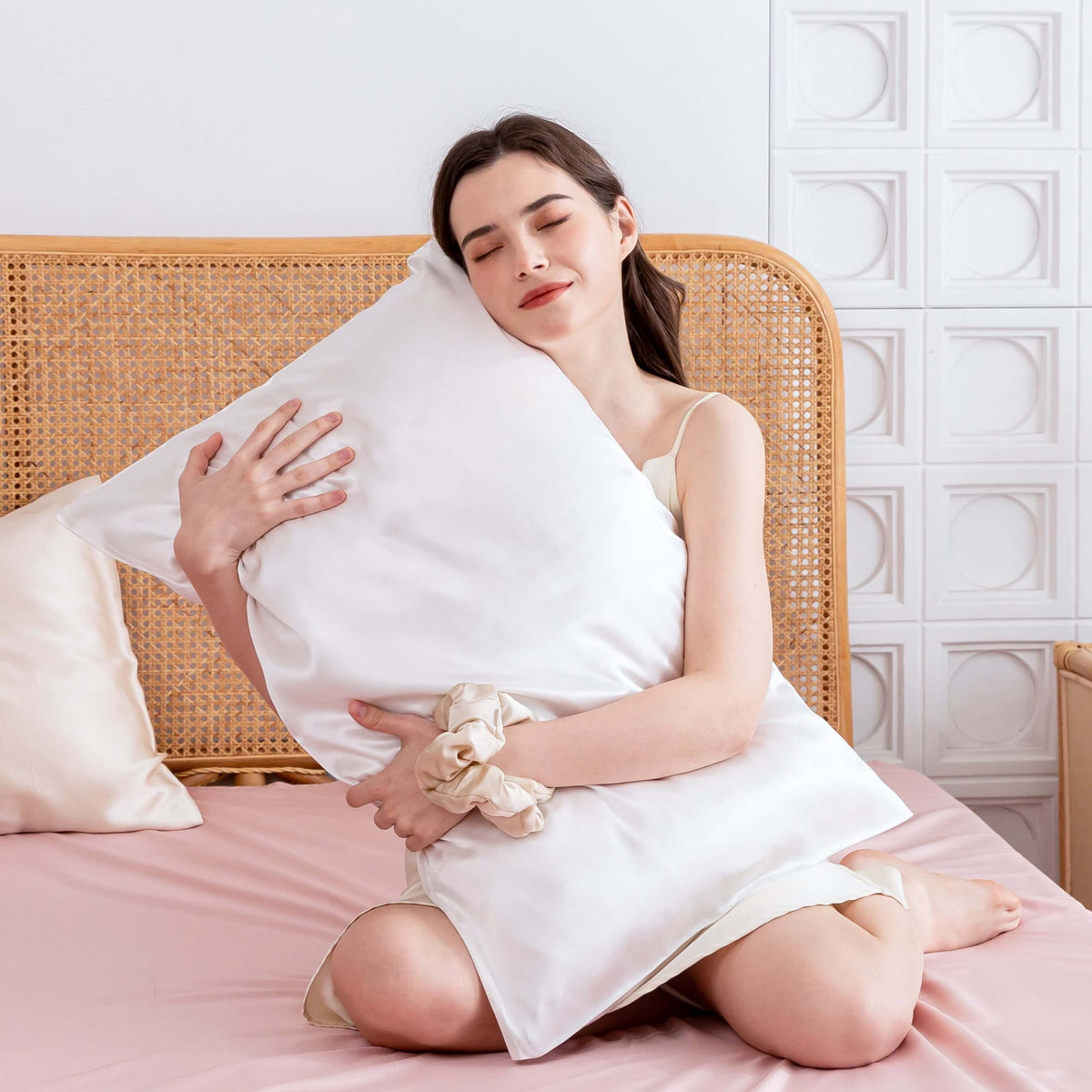
100% Pure Mulberry Silk · 6A Grade · 22 Momme
Hypoallergenic · Temperature-regulating · Naturally smooth
Available in multiple sizes and colours
Explore our silk filled duvet all seasons for year-round comfort.
Common Mistakes When Buying Silk
- Believing the label without testing – Labels can be misleading. Always perform at least one physical test.
- Overpaying for wild silk – Tussah silk is cheaper and less refined than mulberry silk but is often sold at a premium.
- Buying based solely on price – If it's too cheap, it's not real. If it's too expensive, it may still be fake. Research the brand.
- Not checking the momme weight – 16 momme is fine for occasional use, but 22+ is better for everyday items.
Frequently Asked Questions
What is the difference between mulberry silk and ordinary silk?
Mulberry silk is produced by silkworms that are fed exclusively on mulberry leaves. This results in a finer, more uniform fibre with a smoother surface and higher lustre than other types of silk.
Is the burn test safe to use on my silk product?
Yes, but only on a small thread or sample from an inconspicuous area. Never burn the main fabric. If you're unsure, ask the seller for a sample swatch.
What does 6A grade mean in mulberry silk?
6A is the highest grade, indicating long, uniform fibres with minimal imperfections. It produces the smoothest and most durable silk. See our 6A mulberry silk guide.
Can I wash mulberry silk in a washing machine?
Yes, but only on a delicate cycle with cold water and a silk-safe detergent. We recommend hand washing for the best results.
- 1. Souver Home – Internal Silk Testing and Quality Control (2026).
- 2. International Silk Association – Standards for Mulberry Silk Grading.
- 3. Textile Exchange – 2026 Preferred Fiber & Materials Report.
Explore more: best silk pillowcases for skin | silk scrunchie hair accessory | Mulberry Silk Sleep Eye Mask | Silk Large Scrunchie

留言
此網站已受到 hCaptcha 保護,且適用 hCaptcha 隱私政策以及服務條款。