
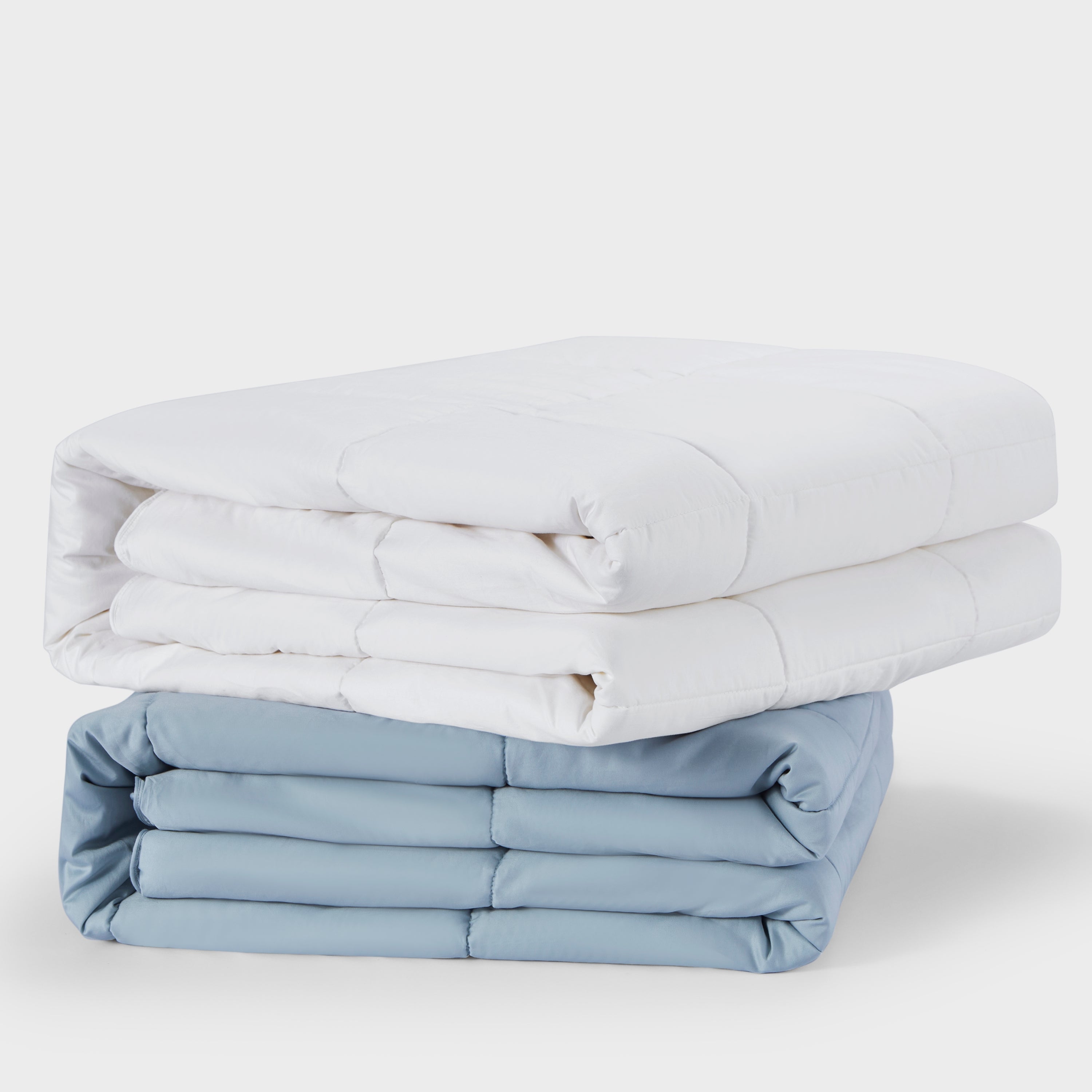


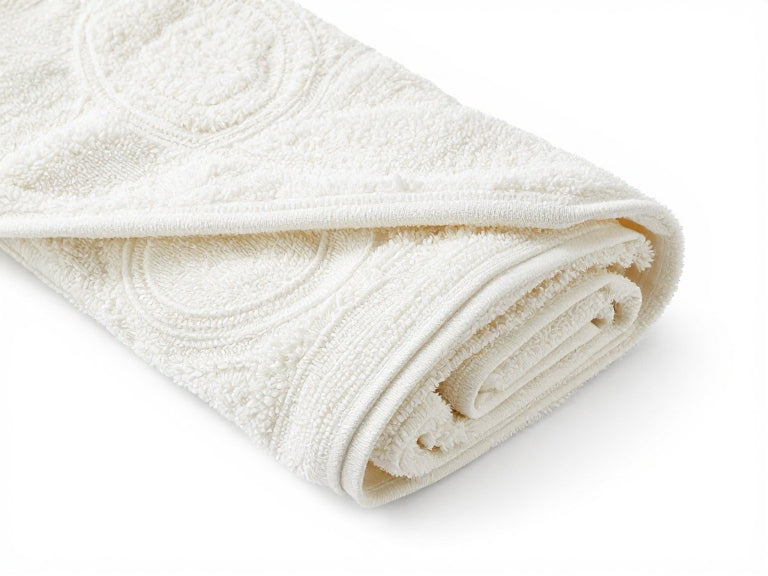
A towel can feel wonderfully soft in the store and still disappoint after a few washes. It may take too long to dry, hold onto an unpleasant damp smell, lose its texture, or absorb less water than expected. If you want to buy pure soft quick dry towels, the right approach is to look beyond attractive product photos and marketing claims. Fiber composition, fabric construction, weight, finishing, and care requirements all affect the experience.
At Souverhome, we believe a good quick-dry towel should do three things well: feel comfortable against the skin, absorb water efficiently, and dry quickly enough to fit everyday routines. These priorities are not always delivered by the same material. A thick cotton towel may feel familiar and plush, while a well-made microfiber towel can be lighter, more compact, and easier to dry between uses.

This guide explains six practical ways to evaluate towels before buying. We will also show where microfiber makes sense, what to check when a product claims to be pure or antibacterial, and when paying more is actually worthwhile.
Quick Answer: How Do You Buy Pure, Soft Quick-Dry Towels?
To buy a genuinely useful quick-dry towel, first confirm its exact fiber composition, then assess softness, absorbency, drying performance, fabric density, construction quality, and care instructions. Do not assume that a towel is better simply because it is thicker, more expensive, or described as premium.
- For fast drying and portability: choose a well-constructed microfiber towel.
- For a traditional cotton feel: compare cotton or cotton-blend towels, accepting that some heavier options take longer to dry.
- For sensitive skin: prioritize a smooth, comfortable surface and verifiable textile safety information.
- For everyday home use: balance absorbency, size, weight, and washing durability rather than choosing the fastest-drying fabric alone.
- Before checkout: verify dimensions, set contents, fiber details, care instructions, and the seller's return policy.
What Are Pure, Soft Quick-Dry Towels?
Quick-dry towels are towels designed to release moisture and become dry again in less time than comparable conventional towels under similar conditions. Their performance depends on several factors, including fiber type, yarn structure, fabric thickness, surface area, airflow, humidity, and how much water remains after use.
The word pure needs careful interpretation. It should refer to a clearly stated fiber composition, not simply a claim that a towel is clean, natural, chemical-free, or premium. A towel advertised as microfiber should identify the relevant synthetic fibers and, where available, their proportions. A cotton towel should state whether it is 100% cotton or a blend. If a seller only says “pure soft fabric” without identifying the material, that is not enough information to make a confident purchase.
Softness is also not a reliable shortcut for quality. A towel can be made to feel extremely soft through surface finishing or fabric treatments, but that does not automatically mean it will remain soft after repeated laundering. We recommend judging softness together with construction, absorbency, and the manufacturer's care guidance.
Microfiber, Cotton, and Blended Fabrics
Microfiber towels are commonly made from very fine synthetic fibers, often polyester and polyamide. Their fine fiber structure can create a large surface area and a lightweight fabric that is useful for absorbing moisture and drying between uses. The exact performance varies by construction and fiber blend, so “microfiber” alone does not guarantee a high-performing towel.
Cotton towels are valued for their familiar natural-fiber feel and everyday absorbency. However, a dense, heavy cotton bath towel may retain more water and take longer to dry in a poorly ventilated bathroom. Blended fabrics attempt to balance different characteristics, but the result depends on the blend ratio and manufacturing quality.
For readers comparing material types in more detail, our guide to the five main types of fast-drying towels explains the practical differences.
How Do Quick-Dry Towels Work?
A towel does not make water disappear. It absorbs or holds moisture within and between its fibers, after which that moisture evaporates into the surrounding air. A quick-dry towel is designed to manage this process efficiently while avoiding unnecessary bulk.
Several design factors influence the result:
- Fiber fineness: fine fibers can create more surface area within a relatively lightweight fabric.
- Fabric density: a dense construction may feel substantial, but excessive thickness can slow moisture release.
- Surface structure: loops, piles, and smooth microfiber surfaces behave differently when collecting and releasing water.
- Water retention: the amount of water held after use affects how long the towel needs to dry.
- Air circulation: a towel spread out in a ventilated room generally dries more efficiently than one left folded or crumpled.
6 Ways to Buy Pure, Soft Quick-Dry Towels
1. Check the Exact Material and Fiber Composition

Start with the label or product specification, not the product name. If you want a microfiber quick-dry towel, confirm that the seller identifies it as microfiber and provides the fiber composition when available. Polyester and polyamide are common microfiber components. Their proportions, yarn quality, and fabric construction can influence softness, water handling, and durability.
If you prefer natural fibers, look for a clearly identified cotton towel rather than assuming that “natural feel” means 100% cotton. Similarly, a product described as a cotton blend should state what the other fibers are. Vague phrases such as “premium pure material” do not tell you enough.
For purchases in the United States, the Federal Trade Commission explains textile labeling requirements, including fiber content and country-of-origin information for covered products. Use that information as a reminder to check the actual label rather than relying on advertising language.
Our recommendation: Choose a product with a transparent material description. If the composition is missing and the seller cannot clarify it, move on to another option.
2. Judge Softness by Construction, Not by Marketing Words
“Ultra soft,” “silky,” and “plush” are common product descriptions, but they are not standardized performance grades. A towel that feels soft in a photograph cannot be assessed at all, and a towel that feels soft when new may change after washing.
Look for a smooth, even surface without rough seams, loose threads, or irregular edges. If you can inspect a sample, rub the fabric lightly between your fingers and check whether it feels comfortable without being excessively slippery or flimsy. For online purchases, look for close-up images, clear product specifications, customer feedback about repeated washing, and a realistic return policy.
Softness should also match the intended user. Someone who wants a gentle face or hair towel may prefer a smoother, lighter surface. Someone who wants a large bath towel may prefer a more substantial feel. There is no reason to buy the thickest towel if comfort and fast drying are the actual priorities.
3. Evaluate Absorbency and Drying Speed Together
Absorbency and quick drying are related, but they are not the same thing. A towel that takes up water effectively may still hold that moisture for a long time. Conversely, a towel that dries quickly may be too small or too lightweight for someone expecting a traditional, full-size bath towel experience.
Consider how you use the towel. For gym sessions, travel, camping, or a shared bathroom, drying speed and portability may matter more than a thick, luxurious pile. For daily bathing, you may want a larger surface area and enough fabric to dry comfortably without repeated passes.
Do not rely on unsupported claims such as “dries instantly” or “absorbs ten times more water” unless the seller provides meaningful test conditions. A useful comparison should consider towel size, dry weight, fabric construction, and the method used to measure absorbency.
Our guides to whether quick-dry towels are worth buying and fast-drying bath towels for adults can help you match performance to everyday use.
4. Select the Right Size and Weight for Your Routine
Size is one of the most overlooked buying decisions. A small towel may dry quickly because it contains less material, but it may not be practical as a bath towel. A large towel offers more coverage but can take up more storage space and may retain more moisture after use.
Check the dimensions in both inches and centimeters. Do not assume that “large” means the same thing across brands. Also check whether the listed weight applies to one towel or an entire set. A set weighing 300 grams is not the same as an individual bath towel weighing 300 grams.
For frequent travel, choose a compact towel that fits your luggage and dries reliably after use. For a family bathroom, prioritize comfortable coverage and easy laundering. For college students or shared accommodation, a practical combination of bath and hand towels may be more useful than buying several oversized towels. See our recommendations for quick-dry towels for college students for more specific use cases.
5. Inspect Stitching, Edges, and Practical Design Features
A towel is handled, washed, folded, packed, and pulled from hooks repeatedly. Weak edge finishing can become a problem long before the fabric itself wears out. Inspect the binding, corner stitching, hems, and attachment points where applicable. Even stitching and reinforced edges are better signs than decorative claims about durability.
For portable towels, practical details can make a real difference. An elastic strap can keep a towel rolled up in a gym bag. A storage pouch can help separate a used towel from clean clothing, although a damp towel should not be sealed away for extended periods. A hanging loop or well-positioned label can also make daily storage easier.
These features should support the towel's main job rather than distract from it. We would choose sound stitching and a useful size over unnecessary accessories every time.
6. Verify Safety Information, Care Instructions, and Seller Reliability
For a product that comes into regular contact with skin, material transparency and credible safety information matter. If a towel carries an OEKO-TEX STANDARD 100 claim, check whether the product or certificate can be verified. The standard concerns testing for harmful substances; it should not be interpreted as proof that a towel is antibacterial, hypoallergenic for every individual, or environmentally harmless in every respect.
Read the washing instructions before buying. Some microfiber products perform best when washed with similar fabrics and without fabric softener, because softener residue may affect how the fibers handle water. Follow the actual manufacturer's instructions rather than applying one care rule to every towel. Avoid excessive heat if the label advises against it.
Finally, check whether the seller provides clear product details, customer support, delivery information, and a reasonable returns process. For online buyers, these are part of the product decision—not administrative details to consider after checkout.
For more targeted choices, compare quick-dry towels for travel and quick-dry towels for gym use.
Quick-Dry Towel Comparison Table
The best material depends on the job. The following comparison is a practical buying guide, not a claim that every towel within a material category performs identically.
| Towel Type | Typical Strength | Potential Limitation | Best Use | Buying Priority |
|---|---|---|---|---|
| Microfiber | Lightweight, compact, and designed for convenient moisture management | Feel differs from traditional cotton; care instructions matter | Travel, gym, camping, daily quick-dry use | Fiber composition, softness, stitching, size |
| Cotton | Familiar natural-fiber feel and comfortable bath-towel experience | Thicker options may take longer to dry | Home bathrooms and users who prefer a traditional towel | Fiber disclosure, fabric density, construction |
| Modal or other regenerated-cellulose blends | Often selected for a smooth, soft hand feel | Drying and durability vary by blend and construction | Users prioritizing softness and drape | Exact blend, care label, fabric quality |
| Polyester blends | Can be lightweight and easy to pack | Absorbency and skin feel vary considerably | Sports, outdoor, and portable applications | Construction and actual absorbency feedback |
| Thick plush towels | Substantial, cushioned feel | More bulk and potentially longer drying time | Comfort-focused home use | Drying environment, weight, laundering needs |
Quick Summary Table: What Should You Buy?
| Your Priority | What to Look For | Our Buying Advice |
|---|---|---|
| Fast drying | Lightweight construction and clear care guidance | Start with microfiber options and compare real dimensions. |
| Softness | Smooth surface, even construction, credible reviews | Do not confuse a soft finish with long-term softness. |
| Bath coverage | Large dimensions and sufficient fabric area | Check measurements instead of relying on “bath size.” |
| Travel portability | Low bulk, compact storage, useful hanging or packing features | Prioritize packed size and drying conditions. |
| Skin-conscious purchase | Transparent fiber details and verifiable safety claims | Check the exact certification and product coverage. |
| Long-term value | Reinforced edges, care instructions, reliable seller | Compare expected service life, not just the initial price. |
Pros and Cons of Buying Quick-Dry Towels
| Pros | Cons and Trade-Offs |
|---|---|
| Can be easier to pack and carry than bulky conventional towels. | Some microfiber surfaces feel different from plush cotton and may not suit every preference. |
| Useful when towels need to dry between frequent uses. | Drying speed still depends on humidity, airflow, thickness, and how the towel is hung. |
| Can reduce storage bulk for travel, gym, and camping. | Very compact towels may not provide the coverage expected for a full bath towel. |
| Available in coordinated sets and multiple sizes. | Set weight and dimensions can be misunderstood if product listings are unclear. |
| Practical for people who wash and reuse towels frequently. | Incorrect washing or unsuitable heat can shorten useful life or affect performance. |
Our view is straightforward: quick-dry towels are worth buying when their portability and drying convenience solve a real problem. They are not automatically the best choice for someone who only wants the thickest, most traditional cotton towel.
Who Should Use Quick-Dry Towels—and Who Does Not Need Them?
Who Should Buy Them?
- Frequent travelers: a lightweight towel is easier to pack and more convenient when hotel, hostel, or outdoor drying space is limited.
- Gym users: a towel that can be washed and dried between training sessions is practical for regular workouts.
- Campers and outdoor users: compact storage and manageable drying time are valuable when space and facilities are limited.
- College students: quick-dry options can be useful in shared bathrooms, dormitories, and small laundry areas.
- Busy households: a set with separate bath and hand towels can make everyday rotation easier.
For these situations, explore our guides to travel and camping towels and quick-dry bathroom towels.
Who Does Not Need to Switch?
You may not need a quick-dry towel if you already own towels that feel comfortable, absorb well, dry within your normal routine, and last through repeated washing. There is little value in replacing a satisfactory towel simply because a newer product uses the phrase “quick dry.”
Likewise, if you strongly prefer the weight and texture of a thick cotton towel and have a well-ventilated bathroom with plenty of drying space, a conventional cotton option may remain the better personal choice. Buy according to the problem you want to solve.
Common Mistakes When Buying Pure Soft Quick-Dry Towels
- Assuming all microfiber is identical. Fiber blend, fabric construction, finishing, and quality control vary. Compare the actual specification.
- Choosing by softness alone. A very soft surface does not prove good absorbency, durability, or drying speed.
- Ignoring towel dimensions. A compact sports towel may be unsuitable as a full-size bath towel.
- Confusing set weight with individual towel weight. Check whether the stated weight applies to the complete set or one item.
- Believing every antibacterial claim. Ask what test or certification supports the claim. Do not assume a marketing phrase guarantees lasting hygiene.
- Overlooking care requirements. Washing with unsuitable products or using excessive heat can affect some microfiber fabrics.
- Buying too many before testing. If you are unfamiliar with a fabric, start with one set and assess its feel and performance after several washes.
Hair towels require a slightly different balance of softness, shape, and weight. If that is your main use, compare our guides to fast-drying hair towels for curly hair and fast-drying hair towels for fine hair.
A Practical Microfiber Option: Souverhome Quick Dry Towel Premium Set
For shoppers who want a coordinated, portable microfiber option rather than buying separate towels, the Souverhome Quick Dry Towel Premium Set is worth considering. It combines a larger towel with a matching hand towel, making it suitable for travel, gym routines, and everyday use where compact storage is helpful.
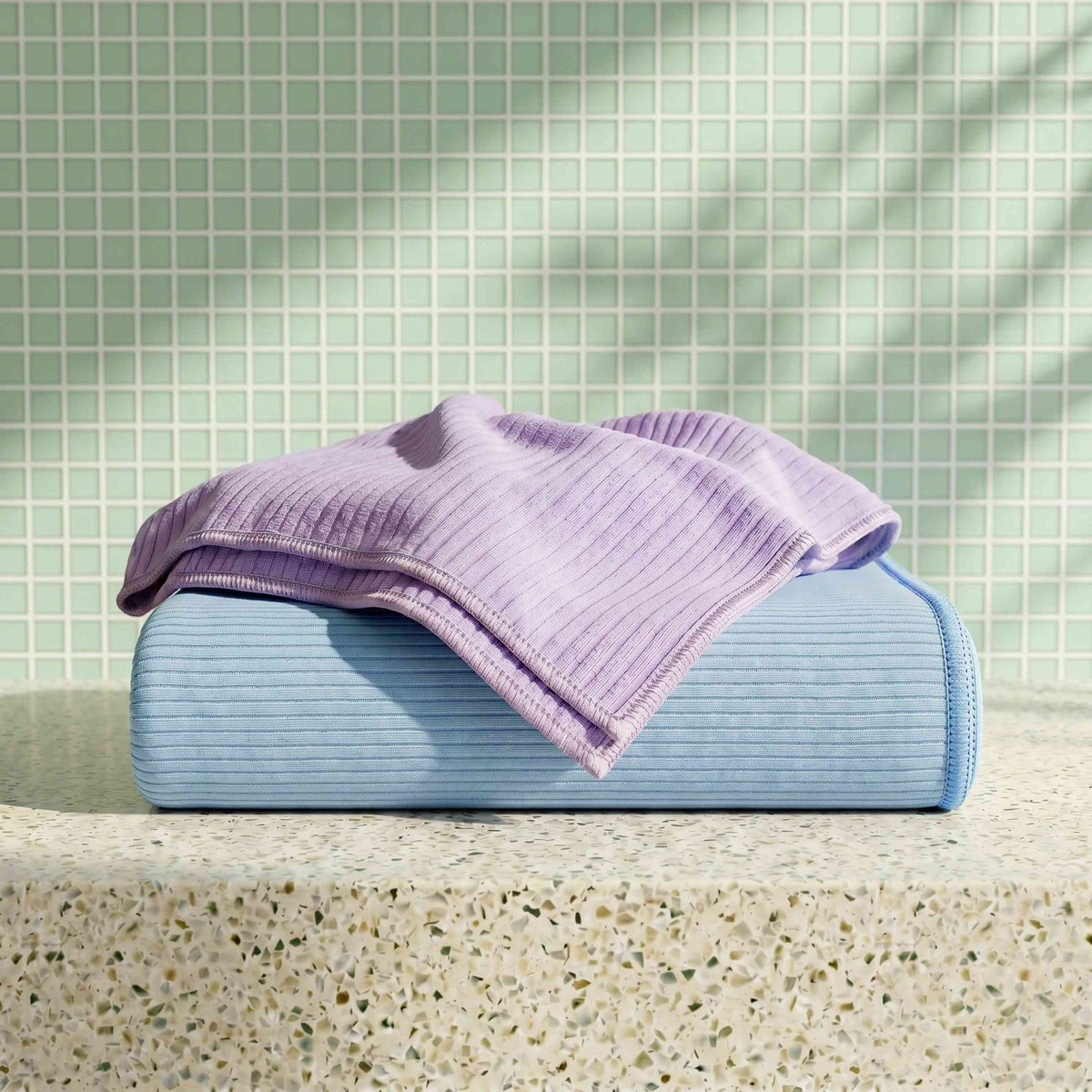
Quick Dry Towel Premium Set
Material: Microfiber
Set contents: One large bath towel and one medium hand towel
Large towel: 31.5 × 51 in (80 × 130 cm)
Medium towel: 31.5 × 23.5 in (80 × 60 cm)
Total set weight: 300 g
Color combination: Blue Sky large towel and Lilac medium towel
Listed features: Dense microfiber, super absorbent, skin friendly, quick dry, lightweight portable design, elastic strap, storage bag, and reinforced edge design.
View the Quick Dry Towel Premium SetThe strongest reason to consider this set is the combination of two useful sizes and a stated total weight of 300 grams. The large towel measures 80 × 130 cm, while the hand towel measures 80 × 60 cm. That gives buyers a coordinated option for drying and everyday portability without having to select two separate products.
We would particularly consider it for travel, gym bags, dormitory use, or households that want a lightweight towel set. Before purchasing, check whether the dimensions suit your preferred bath-towel coverage. The listed 300-gram weight is for the complete set, not each towel individually.
The product description also lists antibacterial freshness and hypoallergenic properties. Buyers who place high importance on these claims should review the supporting product information and any available test documentation rather than treating the wording alone as independent certification. As with any microfiber towel, follow the care instructions supplied with the product.
Buying Considerations: How Much Should You Spend?
The cheapest towel is not always the best value, but a higher price does not guarantee better performance. We recommend comparing the cost of the complete set, the number of towels, individual dimensions, total weight, material disclosure, stitching, and the seller's support policy.
Use a Cost-Benefit Approach
For occasional use, a basic towel with clear specifications may be sufficient. For daily gym use or frequent travel, a better-constructed towel with reliable edge finishing and convenient storage can justify a higher initial price if it remains comfortable and useful over time.
Think about the cost per useful use rather than the price tag alone. A towel that is inexpensive but becomes rough, frays, or no longer suits your routine after a short period may be poor value. A more expensive towel is only worth the premium if its construction, comfort, or convenience provides a meaningful benefit.
What to Confirm Before Checkout
- Exact fiber composition and whether the product is a single fiber or a blend.
- Individual towel dimensions, not just the category name.
- Whether listed weight applies to one towel or the entire set.
- Edge finishing, seams, hanging loops, straps, and storage accessories.
- Washing temperature, drying method, and any restrictions on fabric softener.
- Evidence supporting safety or performance certifications and special claims.
- Shipping, returns, warranty terms, and customer service availability.
For people comparing specific bath towel options, our quick-dry bath towel guide for travel and camping offers another starting point.
Our Expert Recommendation: Buy for the Way You Actually Use a Towel
Our recommendation is to start with the intended use, then select the material and size. For travel, gym sessions, camping, and frequent towel rotation, a well-made microfiber towel is a sensible choice because portability and manageable drying time are important. For a traditional home bathroom where plushness is the main priority, compare cotton and microfiber in person if possible before switching.
Do not pay extra just for phrases such as “premium,” “pure,” “instant dry,” or “antibacterial.” Pay for clear fiber information, appropriate dimensions, consistent construction, useful design details, and a seller that provides understandable care guidance.
For beginners, the safest approach is to buy one set first, use it through several normal wash cycles, and decide whether the softness and drying performance meet expectations. For frequent travelers and gym users, prioritize compactness and practical storage. For family use, buy enough towels in suitable sizes to allow proper rotation and complete drying between uses.
Souverhome's position is simple: the best quick-dry towel is not necessarily the thickest or the most expensive. It is the one that feels comfortable, performs reliably in your environment, and makes your daily routine easier. Make that the standard for every purchase.
Frequently Asked Questions About Buying Quick-Dry Towels
1. What material is best for a soft quick-dry towel?
Microfiber is a practical option when lightweight construction, portability, and quick drying are priorities. Cotton may be preferable if you want a familiar natural-fiber feel. The best choice depends on fabric construction, size, and personal preference rather than material name alone.
2. Are microfiber towels absorbent?
Well-constructed microfiber towels can absorb moisture effectively, but performance varies by fiber blend, fabric density, and manufacturing quality. Check product specifications and credible user feedback instead of assuming every microfiber towel performs equally.
3. Does a thicker towel always absorb more water?
No. Thickness alone does not establish absorbency. Fiber type, surface structure, construction, and the amount of material all matter. A thicker towel may also retain more moisture and take longer to dry.
4. How can I tell whether a towel is genuinely soft?
If possible, feel a sample and inspect the surface for roughness, uneven texture, or loose fibers. For online purchases, review close-up images, material details, return terms, and feedback that discusses softness after repeated washing.
5. Are quick-dry towels suitable for everyday bathing?
Yes, provided the towel is large and absorbent enough for your needs. Check the actual dimensions before buying. Some compact travel towels are better suited to sports or outdoor use than full-body drying.
6. How should I wash microfiber towels?
Follow the product's care label first. Many microfiber products are best washed with similar fabrics and without fabric softener, but the correct temperature and drying method depend on the manufacturer's instructions. Avoid excessive heat when the care label advises against it.
7. Does OEKO-TEX STANDARD 100 mean a towel is antibacterial?
No. OEKO-TEX STANDARD 100 relates to testing textile products for harmful substances. It is not, by itself, proof of antibacterial performance or a guarantee that a product will prevent bacterial growth.
8. What size quick-dry towel should I buy for travel?
Choose a size that provides enough coverage while fitting your luggage and drying space. A medium towel may work for gym or hand-drying needs, while a larger towel is more suitable for bathing. Always compare measurements rather than relying on labels such as “large” or “travel size.”
9. Are quick-dry towels worth paying more for?
They can be, especially if you travel often, exercise regularly, or need towels to dry between frequent uses. A premium price is justified only when the product offers better construction, suitable dimensions, reliable comfort, or useful features—not merely stronger marketing claims.
10. What should I check before buying a towel set?
Confirm the material, number of towels, individual dimensions, total set weight, color options, care instructions, construction details, and return policy. Make sure the listed weight is for the full set or for each towel, as applicable.
References
These sources help buyers understand textile safety claims and the importance of checking fiber and product information.
- OEKO-TEX – STANDARD 100. Official information about textile testing for harmful substances and product classes.
- U.S. Federal Trade Commission – Apparel and Labeling. Consumer guidance on textile fiber content, country-of-origin disclosures, and care information.
- U.S. Federal Trade Commission – Threading Your Way Through the Labeling Requirements. Detailed guidance on textile fiber identification and labeling requirements.



Leave a comment
This site is protected by hCaptcha and the hCaptcha Privacy Policy and Terms of Service apply.