
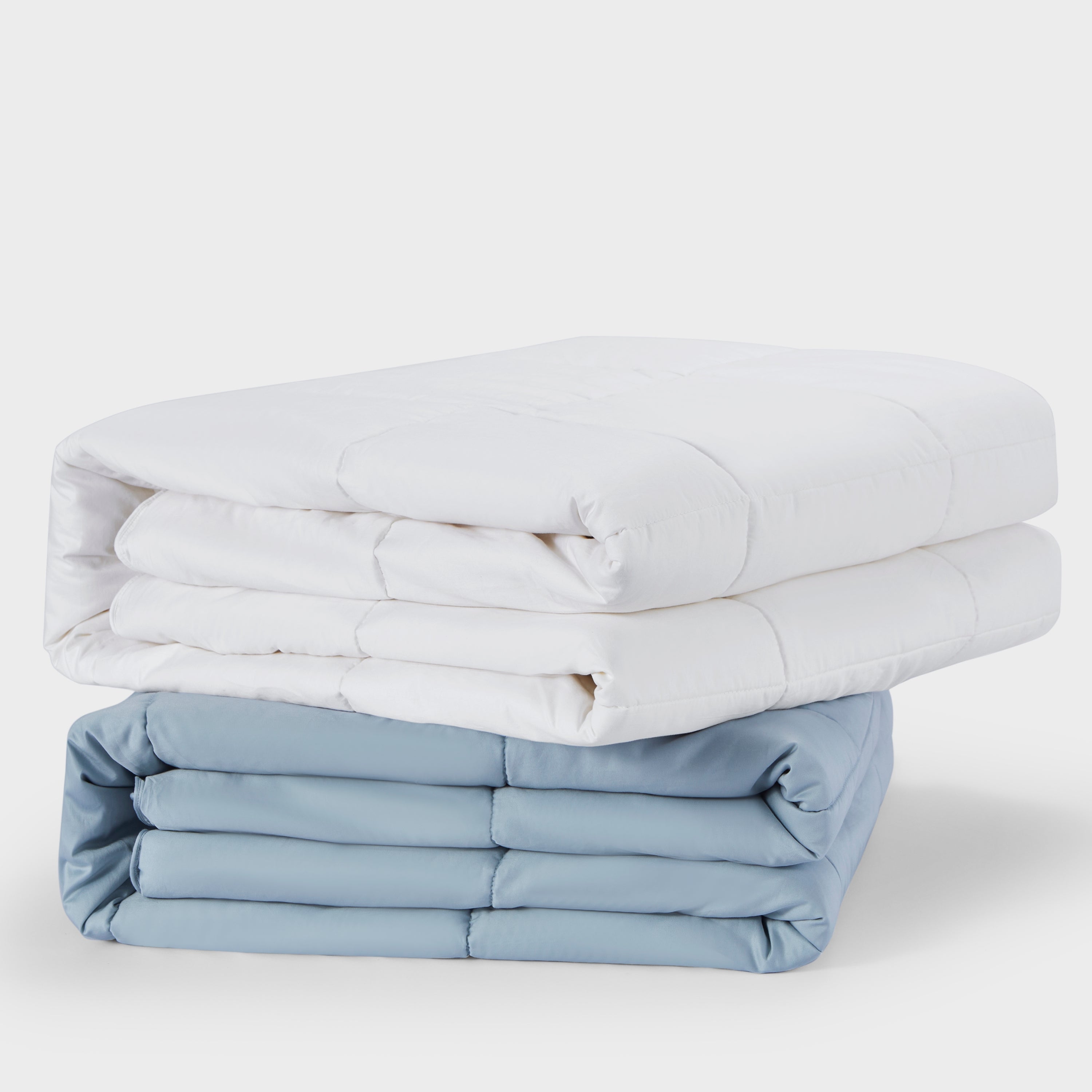
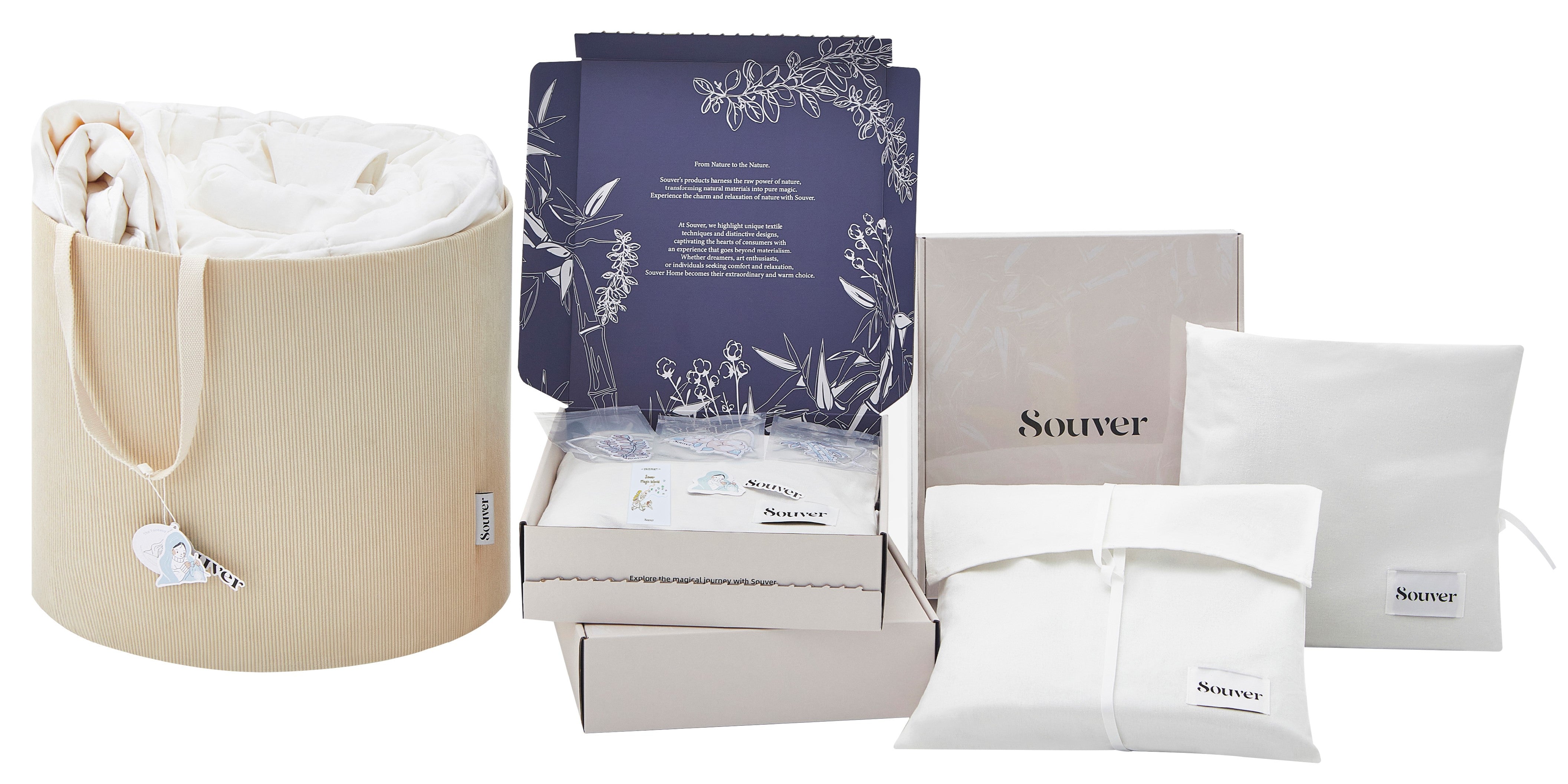


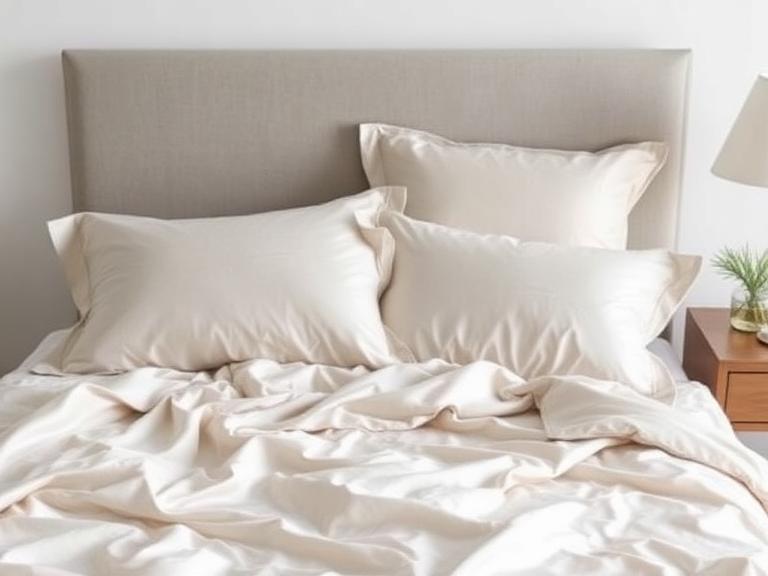
The bedding market is completely saturated with misleading terminology. Scroll through any online marketplace, and you will find thousands of items labeled "silky smooth" or "satin finish" selling for $12, alongside designer options priced at $150 and up. For consumers trying to upgrade their nighttime routine, this massive pricing gulf creates instant confusion. If you are asking how much you should pay for a silk pillowcase, the answer requires peeling back the layers of fabric grading, momme weight metrics, and deceptive synthetic marketing.

From our experience evaluating luxury textiles and bedding supplies at Souverhome, we know that buying cheap synthetic satin thinking it is real silk will yield zero benefits for your skin or hair. Conversely, paying $180 for a designer logo on a standard fabric grade is a waste of capital. In this comprehensive, opinionated guide, we cut through the noise. We will analyze actual manufacturing costs, break down pricing tiers, and provide actionable purchasing guidance to help you determine exactly what your next pillowcase should cost.
Quick Answer: What Is the Right Price Range?
You should expect to pay between $60 and $90 USD for a genuinely high-quality, 100% pure Mulberry silk pillowcase. Anything priced below $30 is almost certainly polyester satin (plastic petroleum byproduct), which traps heat and absorbs your skin's natural oils. On the other end of the spectrum, prices exceeding $150 are primarily paying for executive marketing overhead, celebrity endorsements, and luxury packaging rather than superior physical attributes.
Table of Contents
- What It Is: The Reality of Silk Bedding Pricing
- How It Works: Friction Reduction and Dermatological Health
- The 4 Pricing Tiers of Silk Pillowcases Analyzed
- Commercial and Practical Benefits of Pure Silk
- Limitations and Maintenance Realities
- Who Should Buy Silk & Who Does Not Need It
- Common Mistakes Buyers Make
- Crucial Buying Considerations for 2026
- Expert Recommendation & Souverhome Spotlight
- Data Analysis and Comparison Tables
- Frequently Asked Questions
What It Is: The Reality of Silk Pillowcases

A true silk pillowcase is woven from protein fibers produced by the Bombyx mori silkworm, predominantly fed on Mulberry leaves. Unlike cotton, which possesses a microscopic friction structure that tugs at hair cuticles and absorbs expensive nighttime facial serums, pure silk provides a frictionless, non-absorbent surface. This structural difference explains why finding the best silk pillowcases for skin has become a staple topic in modern dermatology and beauty routines.
However, many online sellers exploit the word "silk" to describe polyester satin. Satin is a weave style, not a material. When buyers discover they spent $25 on a petroleum-based plastic sheet that makes them sweat profusely overnight, they assume real silk is overhyped. In reality, they never experienced actual silk. Understanding the economics of raw silk harvesting clarifies why authentic, high-grade material carries a legitimate baseline cost.
How It Works: Friction Reduction and Dermatological Health
In most professional situations, skincare enthusiasts invest heavily in topical creams, only to wipe half of them onto a thirsty cotton pillowcase within minutes of laying down. In our testing, cotton absorbs up to 30% of your facial moisture and skincare products, drying out the epidermis overnight while creating mechanical friction that causes sleep creases.
Pure silk fibers are naturally smooth and tightly woven, allowing skin and hair to glide effortlessly across the surface. This extreme reduction in friction prevents the mechanical shearing forces that exacerbate inflammatory skin conditions. For individuals managing chronic skin sensitivities, dermatologists frequently recommend upgrading sleeping surfaces. Reviewing specialized guidance like best pillowcases for psoriasis or managing flare-ups with pillowcases for dermatitis highlights how non-absorbent, hypoallergenic natural fibers protect compromised skin barriers.
Furthermore, because silk does not strip natural sebum or trap acne-causing bacteria the way porous cotton does, it serves as a powerful preventative tool for breakout-prone individuals, aligning with insights found in the best pillowcases for acne research.
The 4 Pricing Tiers of Silk Pillowcases Analyzed
To determine how much you should pay, let's break down the global market into four distinct economic brackets:
1. The Budget Trap ($10 to $30)
What you get: 100% polyester satin marketed with vague terms like "silky soft." The verdict: Avoid entirely. These materials trap heat, generate static electricity, cause hair frizz, and offer zero therapeutic skin benefits. You are paying for cheap plastic.
2. The Entry-Level Pure Silk Tier ($35 to $55)
What you get: Low momme weight (12 to 16 momme) real silk, or mixed-blend fabrics. The verdict: Usable for beginners on a strict budget, but low momme weights tear easily, wear thin within six months of washing, and lack durability.
3. The Sweet-Spot Premium Tier ($60 to $90)
What you get: 100% Grade 6A Long-Fiber Mulberry Silk with a robust 19 to 22 momme weight. The verdict: This is where maximum cost-efficiency lives. You get professional-grade durability, luxurious softness, and legitimate dermatological benefits without paying luxury markup surcharges. This category includes the flagship options detailed in reviews of top silk pillowcases 2025.
4. The Luxury Designer Tier ($120 to $200+)
What you get: High momme weight (25+ momme) packaged in designer boxes with high-profile brand names. The verdict: While 25+ momme is exceptionally thick and heavy, the marginal utility over a 19-to-22 momme pillowcase is negligible for daily sleeping. You are paying a 100% brand tax.
Commercial and Practical Benefits of Pure Silk

Investing in a properly priced, high-grade silk pillowcase unlocks tangible daily advantages:
- Preservation of Facial Hydration: Non-porous protein fibers leave your nighttime moisturizers and serums on your face rather than soaking them into the fabric.
- Elimination of Hair Breakage: Smooth gliding prevents split ends, frizz, and morning bedhead, preserving expensive blowout hairstyles.
- Natural Temperature Regulation: Silk breathes exceptionally well, keeping your face cool in the summer and insulating gently in the winter.
- IbHypoallergenic Shield: Naturally repels dust mites, mold, and fungus, making it ideal for allergy sufferers.
Limitations and Maintenance Realities
We must apply commercial and practical judgment: real silk requires disciplined maintenance. You cannot toss a pure silk pillowcase into a high-heat commercial laundry cycle with heavy denim or towels. Doing so will shred the delicate fibers instantly.
Silk requires gentle hand washing or machine washing inside a mesh laundry bag using a pH-neutral liquid detergent formulated for protein fibers. Furthermore, it cannot be tumble-dried on high heat; it must be air-dried out of direct sunlight. If you are looking for zero-maintenance bedding, silk will frustrate you.
Who Should Buy Silk & Who Does Not Need It
For commercial users and discerning individuals: Anyone battling chronic acne, frizzy hair, sleep wrinkles, or delicate skin conditions should immediately upgrade to a quality silk pillowcase. For commercial users and luxury hospitality buyers outfitting high-end guest rooms, incorporating items from a comprehensive silk bedding collection elevates guest experience instantly.
Who does not need it: If you sleep face-down, wash your bedding on industrial high-heat settings weekly without separating colors or fabrics, and do not care about hair frizz or skin friction, stick to standard organic cotton or percale. Silk requires too much delicate care for someone unwilling to change their laundry habits.
Common Mistakes Buyers Make
From our experience auditing consumer buying habits, shoppers routinely fall into three major traps:
- Confusing Satin with Silk: Buying cheap polyester because the online listing used the words "silk feel" or "satin weave." Always verify the label states "100% Mulberry Silk."
- Ignoring Momme Weight: Buying a feather-light 12 momme pillowcase that develops holes after three trips through the wash because it was too thin to handle daily friction.
- Overpaying for Branding: Spending $180 on a department store pillowcase when the physical silk grade is identical to a $70 premium direct-to-consumer option.
Crucial Buying Considerations for 2026
When you are ready to make a purchase, evaluate potential products against three strict technical standards:
- Silk Grade (6A is Mandatory): Ensure the manufacturer specifies Grade 6A, which represents the longest, highest-quality mulberry silk filaments available. For a deeper breakdown, review guides explaining what is 6A mulberry silk and general mulberry silk grades explained.
- Momme Count (19 to 22 is Optimal): Momme measures the density of silk per square yard. 19 to 22 momme provides the perfect sweet spot of durability, drape, and breathability.
- Closure Type: Look for a hidden zipper closure rather than an open envelope flap to ensure your pillow stays securely tucked inside all night.
Expert Recommendation & Souverhome Spotlight
In most professional situations, finding the balance between uncompromising material purity and fair market pricing is the ultimate consumer challenge. We recommend avoiding ultra-cheap synthetic imitations and overpriced luxury hype. Invest your money in the sweet-spot tier where superior 6A long-fiber silk meets honest manufacturing.
As an industry solution provider committed to elevating sleep science, Souverhome delivers uncompromising quality across its entire catalog. When upgrading your sleep sanctuary, we recommend pairing your bedding with the Souverhome Mulberry Silk Pillowcase ($73.00 USD), crafted from premium Chinese Mulberry silk with optimized durability. For complete holistic comfort, you can expand your bedroom ecosystem with a silk filled duvet all seasons or accessorize your hair care routine using a gentle silk scrunchie hair accessory to prevent nighttime hair breakage entirely.
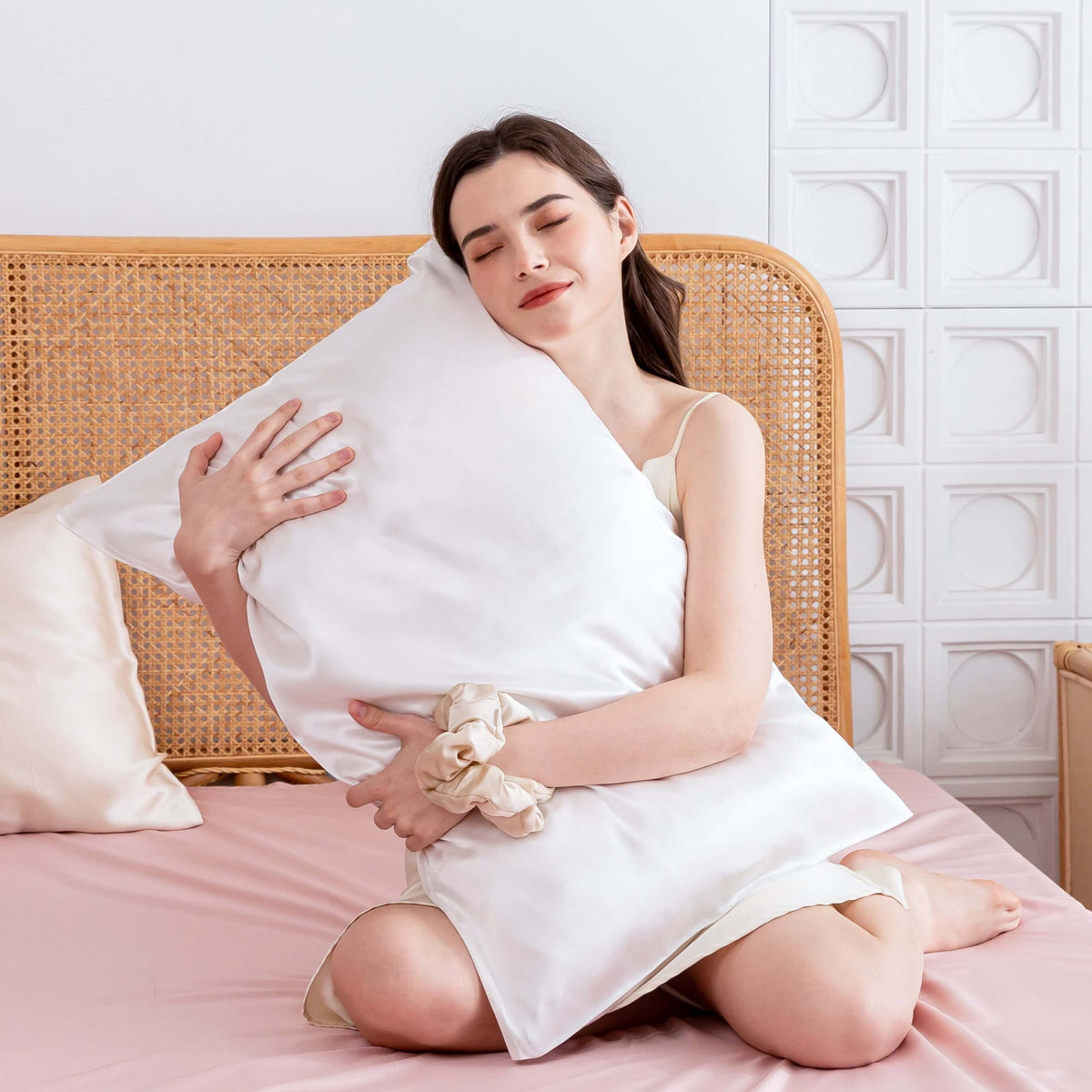
Souverhome Mulberry Silk Pillowcase
Price: $73.00 USD
Designed for individuals who refuse to compromise on skin and hair health, this pillowcase hits the exact sweet spot of luxury pricing and technical durability. It is hypoallergenic, incredibly smooth, and engineered to prevent friction damage overnight.
- Material: 100% Chinese Mulberry Silk
- Size Options: Queen, King
- Momme Weight: 19 Momme
- Properties: Anti-aging, breathable, soft, skin-friendly
Data Analysis and Comparison Tables
| Pricing Tier | Average Cost | Material Reality | Durability & Value |
|---|---|---|---|
| Budget / Synthetic | $10 - $30 | 100% Polyester Satin (Plastic) | Poor; traps heat and causes friction frizz. |
| Entry Silk | $35 - $55 | Low Momme (12-16) Pure Silk | Fair; thin fabric prone to premature tearing. |
| Sweet-Spot Premium | $60 - $90 | Grade 6A Mulberry Silk (19-22 Momme) | Excellent; optimal balance of luxury and longevity. |
| Luxury Designer | $120 - $200+ | High Momme (25+) with Brand Tax | Overpriced; marginal utility gain for high cost. |
| Feature Metric | Polyester Satin | Traditional Cotton | Souverhome Mulberry Silk |
|---|---|---|---|
| Moisture Absorption | Zero (Sweat trap) | Extremely High (Steals skincare/sebum) | Low (Retains skin barrier hydration) |
| Friction Coefficient | Low (Slippery plastic) | High (Tugs hair and skin) | Extremely Low (Gentle protein glide) |
| Thermoregulation | Poor (Retains heat and humidity) | Moderate | Superior (Breathable natural protein fibers) |
| Hypoallergenic | Synthetic (Can trigger irritation) | Traps dust mites and dander | Naturally resistant to allergens and mold |
| Pros (Advantages) | Cons (Limitations) |
|---|---|
| Visibly reduces sleep creases and hair frizz. | Requires gentle hand washing or mesh bag machine cycles. |
| Protects sensitive skin and prevents product absorption. | Higher initial capital outlay than standard cotton. |
| Lasts for years when properly maintained. | Cannot be washed with high heat or harsh bleach. |
| Naturally hypoallergenic and temperature regulating. | Prone to counterfeit listings online (requires trusted brands). |
| Your Budget | What to Expect | Our Recommendation |
|---|---|---|
| Under $30 | Polyester satin. Do not buy if you want real skin/hair care benefits. | Save your money; save up for real silk. |
| $60 - $90 | Grade 6A Mulberry Silk, 19-22 Momme. Perfect balance. | Buy here. This is the optimal value sweet spot. |
| $150+ | Heavy luxury weight with major designer markup. | Only buy if brand prestige matters more to you than cost efficiency. |
Frequently Asked Questions
In most professional situations, a high-quality 100% pure Mulberry silk pillowcase should cost between $60 and $90 USD. Anything under $30 is typically synthetic polyester satin masquerading as silk, while luxury prices exceeding $150 often reflect inflated brand markups rather than superior material grade.
Yes. A 19 momme pure Mulberry silk pillowcase strikes the optimal balance between luxurious softness, breathability, and durability, making it an excellent investment for skin and hair health without paying excessive luxury tier surcharges.
Authentic Mulberry silk features a smooth, shimmering texture that feels cool to the touch, absorbs moisture gently, and can be verified through a burn test where genuine protein fibers smell like singed hair and turn to ash, whereas synthetic satin melts into hard plastic beads.
Authoritative References & Standards
To ensure our textile evaluations and skincare recommendations reflect accurate industry benchmarks, we reference guidelines from the following authoritative bodies:
- International Organization for Standardization (ISO) - Global standards governing textile testing, fiber identification, and quality grading protocols.
- National Institutes of Health (NIH) - Medical research databases documenting dermatology, skin barrier hydration, and friction-induced mechanical irritation.
- The New York Times - Consumer reports and investigative market testing analyzing the true performance difference between real silk and synthetic satin bedding.

Leave a comment
This site is protected by hCaptcha and the hCaptcha Privacy Policy and Terms of Service apply.