
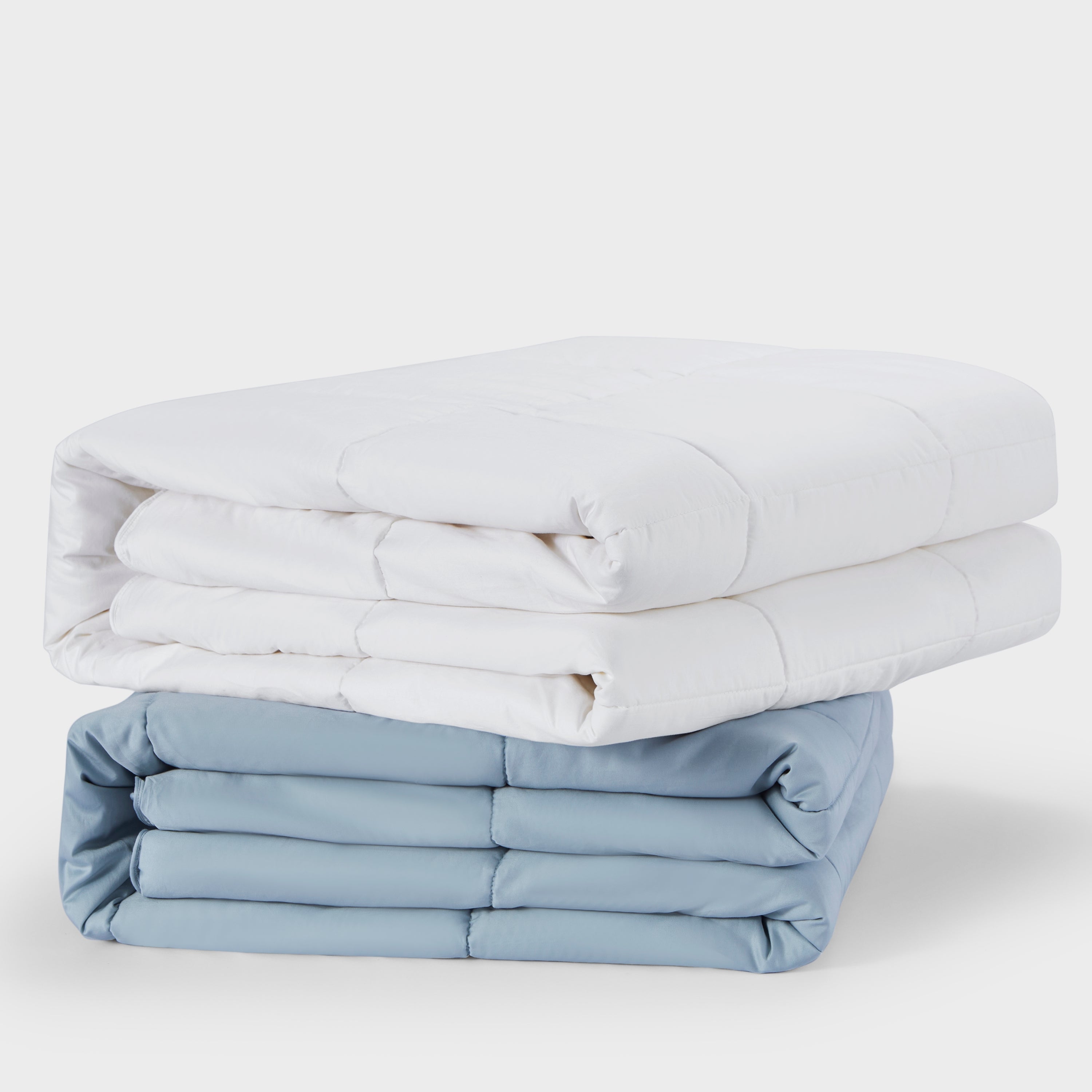
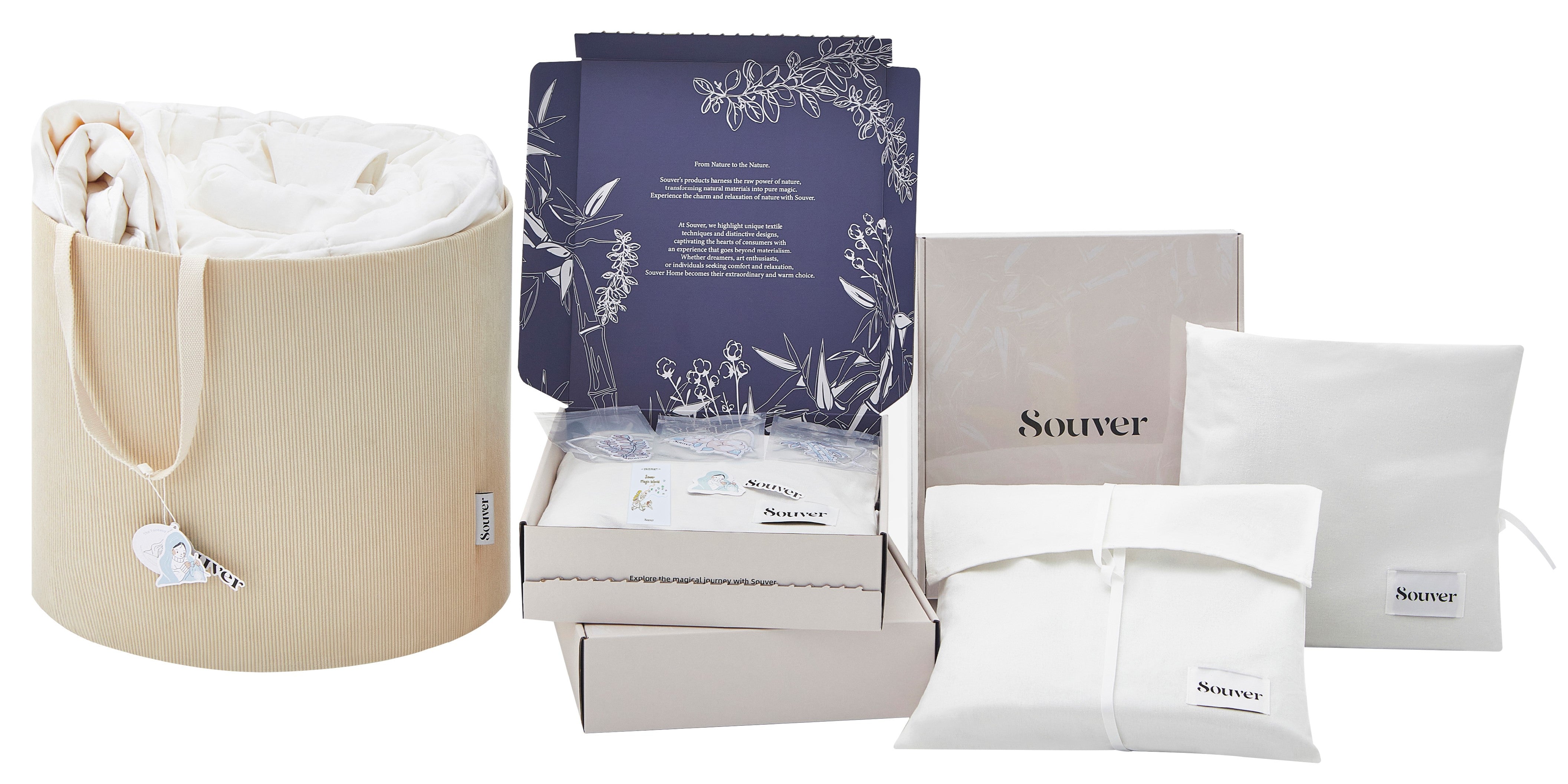

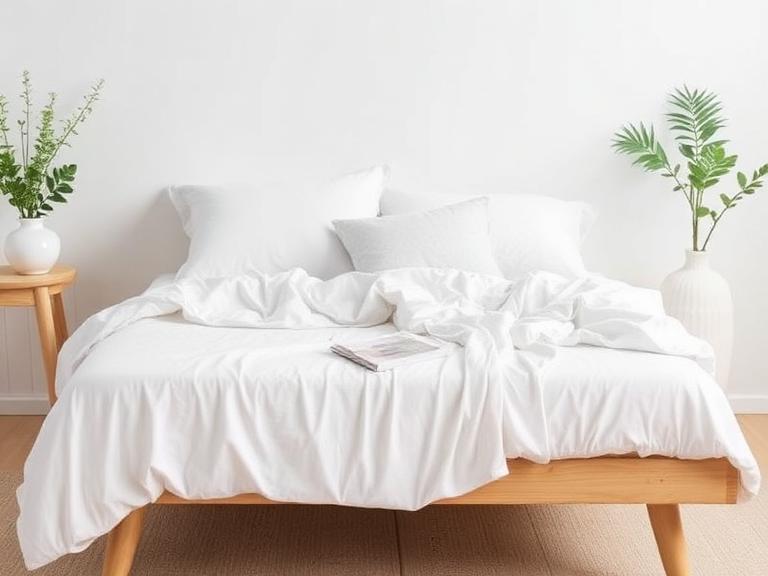
The bedding industry is currently drowning in greenwashed marketing, inflated thread counts, and vague sustainability claims. As an industry solution provider at Souverhome, we evaluate textiles based on their structural integrity, chemical profiles, and long-term return on investment. Customers constantly ask us: are 100% organic cotton sheets good enough to justify their premium price tag, or are you simply paying for a trendy label?

To answer that, you have to strip away the aesthetics and look at the cellular biology of the cotton plant, the global agricultural standards governing its harvest, and the actual chemical processing happening on the factory floor. In this comprehensive guide, we will cut through the noise, analyze the performance metrics of genuine organic cotton, and provide you with the commercial and practical judgment necessary to make an informed buying decision.
Quick Answer: Are 100% Organic Cotton Sheets Good?
Yes, absolutely. In most professional situations, 100% organic cotton sheets are vastly superior to conventional cotton and synthetic microfiber blends. They offer unmatched breathability, zero chemical off-gassing, and long-lasting durability because the cotton fibers have not been degraded by harsh toxic pesticides or formaldehyde resins. However, not all organic cotton is created equal. To guarantee performance and safety, we recommend purchasing only long-staple cotton that is strictly GOTS-certified. Short-staple organic cotton will still pill and tear, regardless of its organic status.
Table of Contents
- What It Is: Defining True Organic Cotton
- How It Works: The Mechanics of Breathability
- The Benefits: Why We Recommend Them
- The Limitations: Realities You Must Know
- Who Should Use It & Who Does Not Need It
- Common Mistakes Buyers Make
- Buying Considerations: Certifications Matter
- Expert Recommendation
- Data Tables & Comparisons
- Frequently Asked Questions
What It Is: Defining True Organic Cotton

Before we can determine if they are worth your money, we must define what makes a sheet genuinely organic. Conventional cotton is one of the dirtiest crops on the planet, utilizing immense amounts of synthetic pesticides, insecticides, and synthetic fertilizers. This not only wrecks local ecosystems but also weakens the cellular structure of the cotton fiber itself.
Organic cotton is an agricultural product grown from non-genetically modified seeds, without the use of toxic, synthetic chemicals. However, the term "organic" is heavily abused in the retail sector. A brand can claim their sheets are organic even if they only contain a small percentage of organic fibers. This is why you must look for the Global Organic Textile Standard (GOTS). GOTS defines strict requirements to ensure the organic status of textiles, from the harvesting of raw materials to environmentally and socially responsible manufacturing, up to labeling, to provide a credible assurance to the end consumer. Furthermore, finished textile products sold in the U.S. that imply they are certified organic must meet either USDA organic regulations or GOTS standards.
How It Works: The Mechanics of Breathability
When clients ask us, are 100% organic cotton sheets good for temperature regulation, the answer lies in the physics of the fiber. Because organic cotton is hand-picked and not subjected to chemical defoliants, the individual fibers (staples) remain long, unbroken, and incredibly strong. When these long-staple fibers are spun into yarn, there are fewer exposed fiber ends. This results in a smoother surface that resists pilling—a crucial factor if you want to avoid rough textures that degrade your sleep quality.
Furthermore, conventional wrinkle-free sheets achieve their crisp look by being bathed in formaldehyde resins. These resins coat the fabric, essentially turning a naturally porous material into a sealed plastic sheet. Organic cotton bypasses these toxic finishing agents completely. As a result, the natural porosity of the cotton remains intact, allowing for superior airflow and moisture-wicking capabilities throughout the night. If you are comparing a fitted vs flat sheet comparison, you will notice that organic cotton fitted sheets manage trapped body heat far better than their synthetic counterparts.
The Benefits: Why We Recommend Them
From our experience, upgrading to premium organic bedding provides tangible health and operational benefits.
- Hypoallergenic Properties: For individuals suffering from eczema, psoriasis, or severe chemical sensitivities, organic cotton is non-negotiable. The absence of heavy metals, toxic dyes, and pesticide residue means there is nothing in the fabric to trigger a dermal reaction.
- Structural Durability: As mentioned, avoiding chemical processing keeps the cotton staples strong. While conventional sheets thin out and tear after a year of washing, high-quality organic cotton actually softens and maintains its integrity over years of use. For commercial users operating boutique hotels, this drastically improves the long-term ROI.
- Exceptional Thermoregulation: The unblocked pores of the fabric pull sweat away from the body and disperse it into the air, preventing night sweats. If you are curious about synthetic alternatives and asking if a cotton jersey sheets guide offers similar breathability, know that organic percale or sateen will almost always sleep cooler than knit jersey.
- Zero Static Buildup: Unlike microfiber or polyester blends, organic cotton does not generate static electricity. For those wondering is static in bed sheets dangerous, while it isn't lethal, it attracts dust mites, pet hair, and disrupts sleep through annoying shocks.
The Limitations: Realities You Must Know
We believe in absolute transparency. 100% organic cotton sheets are an investment, and they come with specific maintenance realities.
First, they will wrinkle. Because they lack the chemical anti-wrinkle treatments found in cheap department store bedding, they require either prompt removal from the dryer or a quick iron if you demand a perfectly crisp aesthetic. Secondly, the initial upfront cost is higher. A genuine, GOTS-certified set will easily cost twice as much as a conventional set. However, when evaluating the cost-per-use over five years, organic cotton wins every time. Lastly, they require careful washing. Using harsh bleach or high-heat commercial dryers will damage the natural fibers over time.
Who Should Use It & Who Does Not Need It
For beginners who are just starting to audit the toxic load in their homes, upgrading your bed sheets is the highest leverage move you can make. You spend a third of your life enveloped in this fabric. If you suffer from night sweats, sensitive skin, or allergies, you should exclusively use organic cotton.
For commercial users managing high-end rentals or luxury wellness retreats, offering GOTS-certified organic sheets is now a baseline expectation for affluent guests. It signals a commitment to health and environmental stewardship that justifies premium nightly rates.
Who does not need it: If you are staging a home for sale, setting up a temporary guest room that gets used twice a year, or purchasing bedding for a messy toddler transitioning out of a crib, investing in high-end organic sateen is an unnecessary capital expenditure. In those isolated cases, lower-cost conventional options suffice.
Common Mistakes Buyers Make
In our testing, consumers frequently fall into sophisticated marketing traps. The most common mistake is chasing thread count. We must state this unequivocally: thread counts over 600 are almost always a scam. Manufacturers twist multiple weak, short-staple fibers together (multi-ply yarn) to artificially inflate the thread count. A genuine 300-thread-count organic long-staple sheet will feel infinitely softer and outlast a fake 1000-thread-count conventional sheet.
Another mistake is comparing vastly different materials without understanding weave structures. When clients ask us about the Boll and Branch vs Parachute sheets debate, we always point out that comparing percale to sateen is apples to oranges. Organic percale is crisp and matte; organic sateen is buttery and luminous. Choose the weave that fits your sleeping style before looking at the brand.
Buying Considerations: Certifications Matter
When searching for the best organic cotton sheets USA has to offer, you must demand verification. Look for the GOTS logo and license number on the product tag. Products sold as "organic" in the U.S. must meet USDA organic regulations or GOTS standards, meaning the entire supply chain—from the farm to the dye house—is audited for ecological and social compliance. Do not accept vague phrases like "made with organic cotton" (which only requires 70% organic content) or "naturally grown."
Additionally, always check the staple length. It must explicitly state "Long-Staple" or "Extra-Long Staple" (ELS). Without this, you are buying short, brittle fibers that will pill rapidly. If you've ever had to research how to prevent pilling on bamboo sheets or cheap cotton, you know how frustrating fabric degradation can be.
Expert Recommendation
So, are 100% organic cotton sheets good enough to replace your current bedding? Without hesitation, yes. But you must buy the right configuration. We recommend investing in a long-staple, GOTS-certified sateen weave. This provides the ideal balance of breathability, supreme softness, and absolute chemical purity.
At Souverhome, we engineered our signature sheet set to meet the most punishing commercial standards while delivering residential luxury. By eliminating middle-men and toxic processing, we deliver a product that genuinely enhances your sleep architecture.
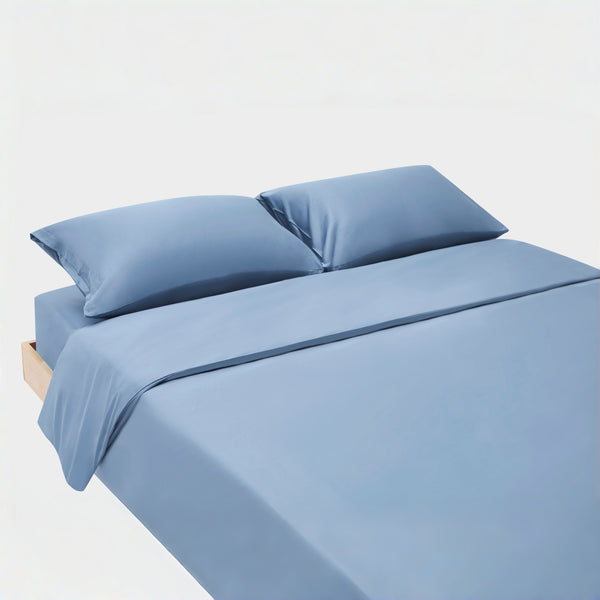
Souverhome Organic Cotton Sheet Set
Engineered for the discerning sleeper who refuses to compromise on health or comfort. This set utilizes strictly 100% premium long-staple cotton, woven into a superb high-thread sateen that delivers a buttery smooth touch. Grown naturally with zero synthetic chemicals, it is entirely hypoallergenic.
- Material: 100% premium long-staple organic cotton.
- Feel: Superb high-thread cotton sateen with a buttery smooth touch.
- Health Profile: Hypoallergenic, naturally grown with no toxic chemicals or formaldehyde.
- Performance: Highly breathable, long-lasting, and resists pilling.
- Sustainability: Eco-friendly, sustainable, and ethically manufactured.
Data Tables & Comparisons
| Feature | 100% Organic Cotton | Conventional Cotton |
|---|---|---|
| Pesticide Use | None (Strictly prohibited) | High (One of the most heavily sprayed crops) |
| Chemical Finishes | None (No formaldehyde or toxic dyes) | Heavy (Wrinkle-free resins, harsh bleaches) |
| Durability | High (Fibers remain strong and intact) | Moderate (Chemicals weaken fiber structure) |
| Skin Health | Hypoallergenic, perfect for sensitive skin | May cause irritation due to residual chemicals |
| Material Type | Breathability | Sustainability | Lifespan | Best Suited For |
|---|---|---|---|---|
| GOTS Organic Cotton | Exceptional | Maximum (Regenerative agriculture) | 5 - 10 Years | All sleepers, sensitive skin, eco-conscious buyers. |
| Bamboo (Viscose) | Excellent | Moderate (Heavy chemical processing required) | 3 - 5 Years | Those seeking a silky feel, but willing to accept chemical processing. (See best bamboo sheets reviews) |
| Microfiber | Poor (Traps heat) | Low (Petroleum-based plastics) | 1 - 2 Years | Ultra-budget dorm rooms, temporary setups. |
| Pros (Advantages) | Cons (Limitations) |
|---|---|
| Eliminates exposure to toxic chemicals and pesticides while you sleep. | Higher initial purchase price compared to synthetic alternatives. |
| Superior breathability prevents night sweats and regulates body temp. | Prone to wrinkling if not removed from the dryer immediately. |
| Incredibly durable; actually softens with successive washings. | Requires gentle care (no harsh bleach or fabric softeners). |
| Environmentally sustainable and promotes safe labor practices (if GOTS). | Market is flooded with fake claims; requires careful label checking. |
| Specification | What You Should Demand | Why It Matters |
|---|---|---|
| Certification | GOTS (Global Organic Textile Standard) | Ensures the product is at least 95% organic and free of toxic dyes from field to factory. |
| Fiber Length | Long-Staple or Extra-Long Staple | Prevents pilling, increases durability, and provides a much smoother texture. |
| Thread Count | 200 to 400 (Single-Ply) | Anything significantly higher is likely a multi-ply marketing gimmick that reduces breathability. |
| Weave Type | Percale (Crisp/Cool) or Sateen (Smooth/Warm) | Dictates the actual feel of the sheet. Choose based on your personal tactile preference. |
Frequently Asked Questions
Yes, they are exceptionally good for hot sleepers. 100% organic cotton lacks the synthetic finishes and formaldehyde resins used in conventional cotton, allowing for maximum airflow and moisture wicking during the night. For heavy-duty applications like combatting severe night sweats, a crisp organic percale weave is unmatched.
Conventional cotton is heavily treated with toxic pesticides during growth and harsh chemical softeners during manufacturing. Organic cotton is grown without synthetic pesticides and processed according to strict ecological and social criteria, resulting in a cleaner, more durable fabric that does not off-gas volatile organic compounds (VOCs) into your bedroom.
Yes, organic cotton sheets will wrinkle more than conventional wrinkle-free sheets because they are not treated with toxic formaldehyde resins. We consider this a positive trade-off for a chemical-free sleeping environment. To minimize wrinkles, simply remove the sheets from the dryer while they are still slightly damp and place them immediately on the bed.
Authoritative References & Standards
To ensure our clients make data-driven decisions, we base our textile evaluations on the standards set by global regulatory bodies:
- Global Organic Textile Standard (GOTS) - The worldwide leading textile processing standard for organic fibers, verifying ecological and social criteria throughout the entire supply chain.
- USDA Agricultural Marketing Service: Organic Textiles - Federal regulations governing the labeling and sale of organic agricultural products and textiles within the United States.
- OEKO-TEX Association - Independent testing and certification systems for textile products at all processing levels, ensuring textiles are strictly tested for harmful substances.

Leave a comment
This site is protected by hCaptcha and the hCaptcha Privacy Policy and Terms of Service apply.