
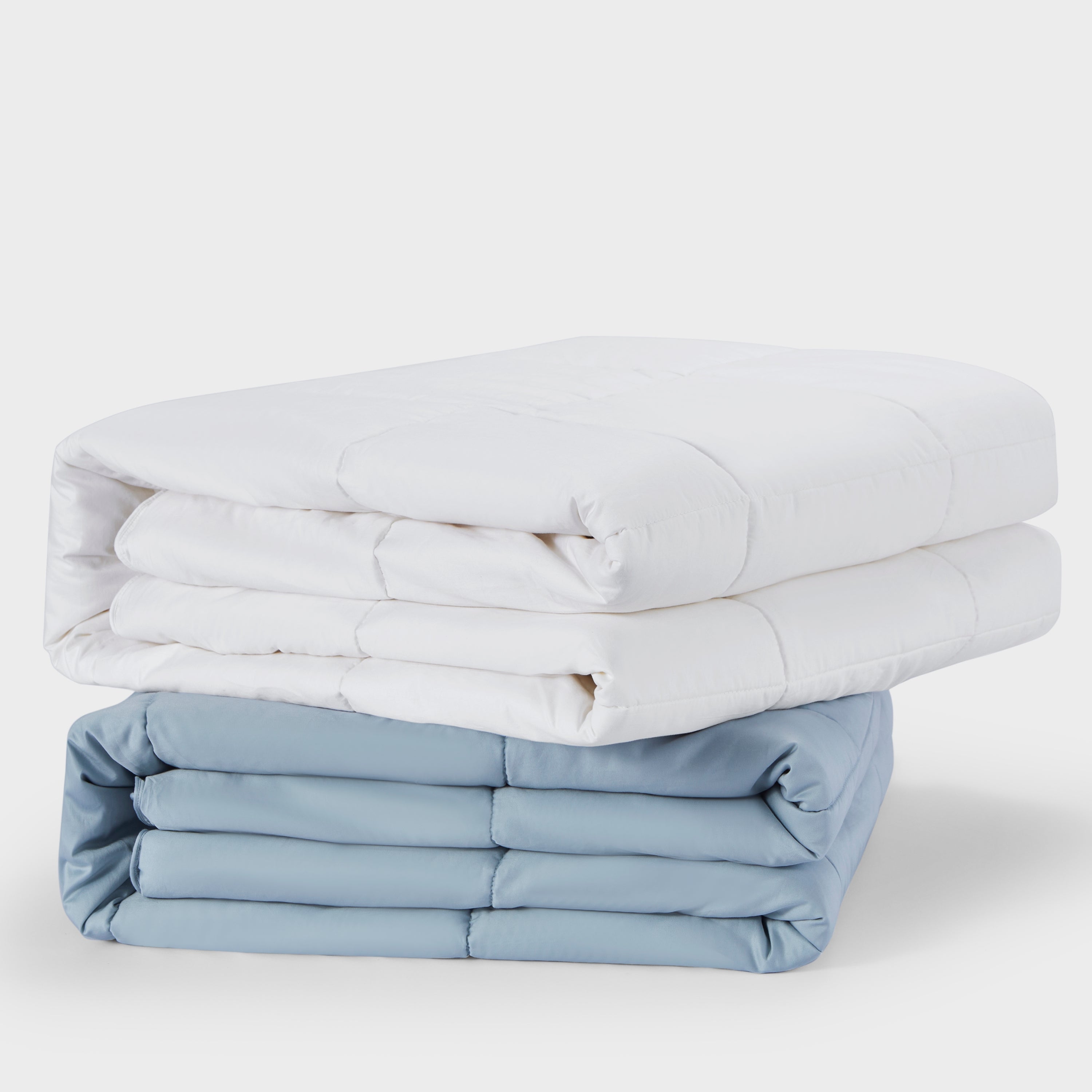
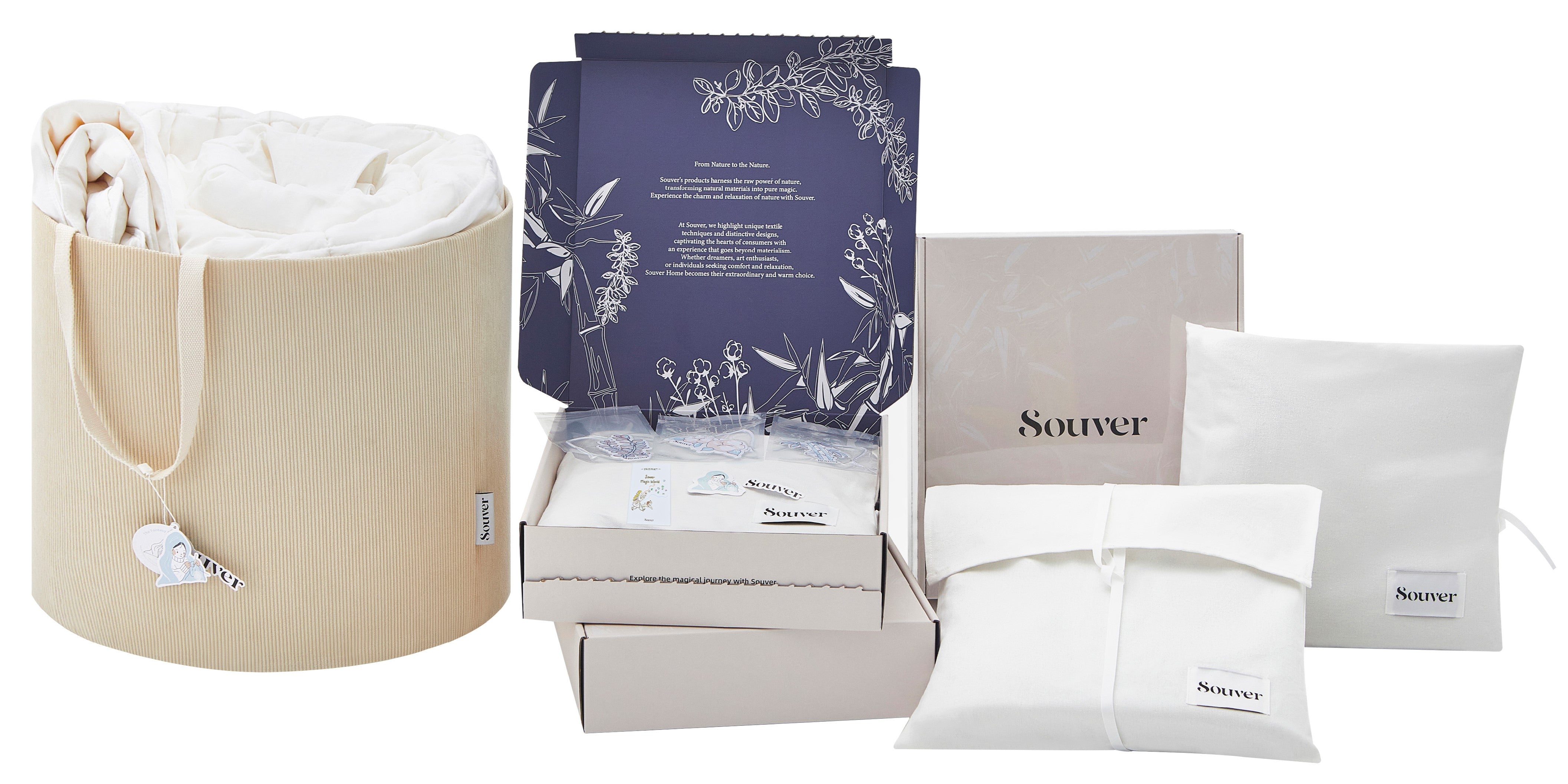


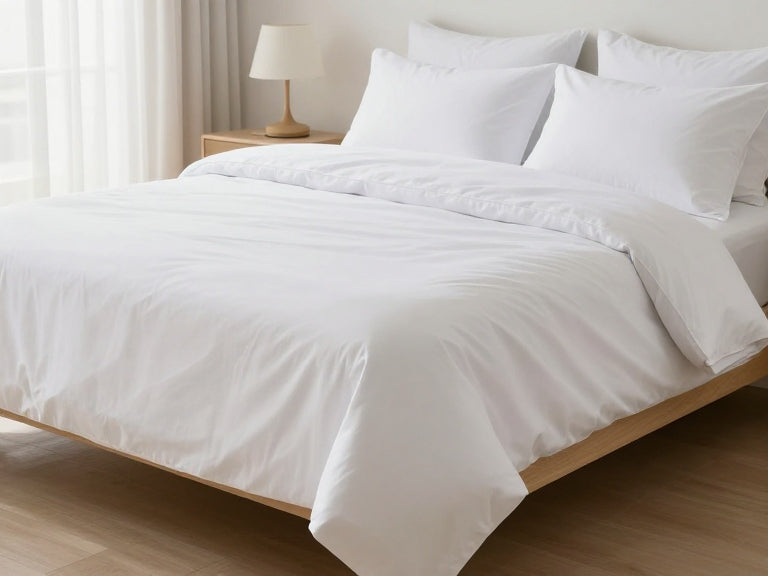
Every discerning homeowner, hot sleeper, and interior designer eventually collides with the chaotic marketing landscape of modern luxury bedding. You enter the marketplace seeking cool, silky, sustainable sheets, only to find yourself bombarded by buzzwords like "eco-friendly bamboo cotton," "organic hybrid sateen," and "miracle cooling blends." Retailers routinely promote these hybrid fabrics as the flawless holy grail of sleep textiles—promising that blending bamboo with cotton gives you all the benefits of both fibers with none of the downsides. In the practical world of textile engineering, that marketing narrative is completely false. Every textile blend is an exercise in compromise. When you weave regenerated bamboo cellulose fibers together with natural plant cotton staples, you create an entirely new set of physical, thermal, and economic realities. Examining the authentic Trade-Offs bamboo cotton sheets present is not about discrediting hybrid bedding; it is about cutting through promotional hyperbole so you can invest your money with complete technical clarity. As textile specialists, bedding developers, and fabric durability testers at Souverhome, we evaluate fiber denier, tensile tear resistance, and evaporative moisture rates daily. Here is our unvarnished, practitioner-level evaluation of the five critical characteristics and Trade-Offs bamboo cotton sheets force you to make before you swipe your card.

Quick Answer: What Are the Primary Trade-Offs of Bamboo Cotton Sheets?
The definitive Trade-Offs bamboo cotton sheets present boil down to five critical realities: (1) Softness vs. Structural Durability (blending cotton adds tensile strength and tear resistance, but dilutes the liquid-silk glide and buttery drape of pure bamboo); (2) Thermal Cooling vs. Moisture Retention (cotton fibers hold onto body moisture longer than bamboo's micro-gap structure, reducing peak cooling efficiency for severe hot sleepers); (3) Laundering Resilience vs. Fiber Pilling (cotton tolerates higher wash temperatures, yet combining fibers of disparate tensile strengths increases mid-term surface pilling under friction); (4) Environmental Claims vs. Processing Realities (blends complicate closed-loop recycling and muddy ethical claims by mixing chemical viscose processing with pesticide- or water-intensive conventional cotton); and (5) Upfront Price vs. Long-Term Value (hybrid sheets cost more than basic cotton without matching the heirloom lifespan of pure long-staple cotton or the specialized cooling performance of pure bamboo). If you demand absolute maximum cooling and zero-friction softness, a pure 100% bamboo set like the Souverhome 100% Bamboo Sheet Set remains technically superior to any blend.
Article Directory
- Textile Mechanics: What Are Bamboo Cotton Hybrid Sheets?
- Quick Summary Table: Key Characteristics & Trade-Offs at a Glance
- 1. Tactile Drape vs. Structural Tensile Strength
- 2. Evaporative Cooling vs. Ambient Moisture Retention
- 3. Laundering Convenience vs. Surface Pilling Susceptibility
- 4. Environmental Claims vs. Chemical & Agronomic Realities
- 5. Upfront Retail Pricing vs. True Cost-Per-Sleep Longevity
- Benchmark Alternative: Souverhome 100% Bamboo Sheet Set
- Direct Technical Comparison: Pure Bamboo vs. Bamboo Cotton Blends vs. Pure Cotton
- Pros and Cons: The Reality of Bamboo Cotton Hybrids
- Who Should Buy Bamboo Cotton vs. Who Needs Pure Bamboo or Pure Cotton
- Common Mistakes Buyers Make with Hybrid Bedding
- Essential Sourcing Checklist: Weave, Staple Length, and Certifications
- Expert Sourcing Verdict: The Smart Bedding Procurement Blueprint
- Frequently Asked Questions
- Authoritative Textile References & Standards
Textile Mechanics: What Are Bamboo Cotton Hybrid Sheets?
To evaluate the Trade-Offs bamboo cotton sheets bring into the bedroom, you must first look through a microscope at the fibers themselves. Bamboo cotton sheets are not woven from a magical single plant. They are hybrid textiles created by spinning two fundamentally distinct raw materials into a composite yarn (typically a 60/40 or 50/50 blend), or by using bamboo yarns in the warp (lengthwise direction) and cotton yarns in the weft (crosswise direction) of the loom.
The two components couldn't be more biologically dissimilar:
- Regenerated Bamboo Cellulose (Viscose/Rayon/Lyocell): Bamboo stalks are mechanically crushed and chemically dissolved into a viscous cellulose pulp, which is then extruded through spinnerets into long, uniform, micro-porous synthetic filament fibers. Under a scanning electron microscope, these regenerated fibers are perfectly cylindrical, smooth, and packed with microscopic voids. This geometry produces an exceptionally slick, cool-to-the-touch surface with a high moisture-regain rate.
- Natural Cotton Staple Fibers: Cotton is a harvested seed-hair fiber consisting of pure natural cellulose. Cotton fibers are ribbon-like, twisted, and possess natural convolutions with microscopic surface friction. Cotton brings unmatched structural stability, wet-tenacity (it actually becomes stronger when submerged in water), and a classic, crisp body that millions of sleepers associate with traditional hotel bedding.
When textile mills blend these two fibers, they attempt to engineer a middle ground: softening cotton's rigid hand-feel with silky bamboo, while reinforcing bamboo's delicate wash vulnerability with rugged cotton. However, in our testing across weave constructions, this hybrid approach fundamentally forces a mechanical compromise. Below, we break down the five defining physical characteristics and operational Trade-Offs bamboo cotton sheets demand from everyday users.
Quick Summary Table: Key Characteristics & Trade-Offs at a Glance
| Characteristic Vector | Physical Behavior in Hybrid Sheets | Primary Benefit Gained | Critical Trade-Off Incurred | Practical Verdict |
|---|---|---|---|---|
| 1. Tactile Hand-Feel | Smooth, semi-crisp sateen with moderate weight | Eliminates cotton's rough break-in period | Loses the liquid-silk, slinky drape of 100% bamboo | Good for traditionalists; disappointing for silk-lovers |
| 2. Thermoregulation | Moderate breathability with balanced moisture hold | Warm enough for transitional autumn/spring seasons | Retains more body heat than pure bamboo for hot sleepers | Compromised cooling; unsuited for severe night sweats |
| 3. Fabric Durability | Higher wet-tensile strength than pure rayon | Resists seam tearing and heavy washer agitation | Increased surface pilling due to mismatched fiber lengths | Lasts through rough handling, but pills without delicate care |
| 4. Ecological Profile | Mixed agricultural & chemical manufacturing footprint | Uses fast-growing, renewable bamboo crop inputs | Blended fibers prevent simple post-consumer textile recycling | Marketing greenwashing; complex lifecycle impacts |
| 5. Economic Lifespan | Priced between mid-tier cotton and luxury bamboo | Accessible initial investment ($110 to $160) | Shorter operational lifespan than heirloom long-staple cotton | Middle-of-the-road value; jack of all trades, master of none |
1. Tactile Drape vs. Structural Tensile Strength
The first and most immediate characteristic you notice when touching bamboo cotton hybrid bedding is its hybrid weight. Pure bamboo viscose or lyocell has a low bending modulus—meaning it collapses completely over the contours of your body like liquid silk, creating zero pressure points. However, many sleepers find pure bamboo almost too slippery, describing it as "slithery" or difficult to keep tucked into the mattress corners.
By blending cotton into the yarn, manufacturers introduce structural rigidity. The cotton ribbon fibers act like internal microscopic scaffolding. The sheet gains crispness, holds its shape across the bed, and provides the familiar sensory weight of traditional percale or sateen. For commercial users in boutique hospitality, this structural stability makes bed-making significantly faster.
The Operational Trade-Off: You sacrifice the unmatched, frictionless glide that defines high-end bamboo. If you suffer from sensory skin sensitivities, fibromyalgia, or painful friction points during sleep, the inclusion of cotton fibers introduces micro-abrasion. Furthermore, for pet owners, the added surface friction of cotton traps pet dander and cat hair far more aggressively than the slick surface of pure bamboo. Understanding how weave structures affect pet hair shedding is critical, as detailed in our guide on pet friendly bedding guide solutions. If you want true buttery smoothness, a hybrid sheet is an unsatisfying compromise.
2. Evaporative Cooling vs. Ambient Moisture Retention
One of the most heavily marketed claims surrounding bamboo cotton blends is "temperature-regulating cooling." While the fabric is undeniably more breathable than polyester or cheap microfiber, thermal imaging reveals a profound operational divergence between hybrid sheets and pure botanic fibers.
Pure bamboo fibers are populated with micro-gaps and micro-holes along their longitudinal cross-section, giving them an exceptionally high vapor transmission rate. They wick sweat off human skin and disperse it across an expansive surface area for immediate evaporation. Cotton, on the other hand, is an absorptive sponge. Cotton cellulose absorbs liquid water into its core lumen, holding onto moisture stubbornly until saturated.
The Operational Trade-Off: In an active sleep environment, when a sleeper begins to sweat, the cotton fibers in the blend trap moisture and hold it against the body. In our testing, once a bamboo-cotton sheet absorbs perspiration, its thermal conductivity drops, and it begins to trap body heat, feeling damp and clammy in the early morning hours. For genuine hot sleepers, menopause sufferers, or those living in humid tropical climates, this is one of the most frustrating Trade-Offs bamboo cotton sheets present. If your primary buying goal is night-sweat relief, blending cotton into the equation directly degrades cooling performance. To understand how fiber architectures compare under thermal load, review our analysis of organic cotton vs bamboo vs tencel.
3. Laundering Convenience vs. Surface Pilling Susceptibility
Pure bamboo viscose is notoriously fragile when wet. Regenerated cellulose loses roughly 30% to 40% of its tensile strength when saturated with water, meaning a pure bamboo sheet subjected to violent washing machine spin cycles, harsh agitator posts, or high-heat dryer settings will experience fiber snapping, tearing, or dimensional shrinkage. Cotton, by contrast, possesses a unique molecular crystalline structure that becomes up to 20% stronger when wet.
Adding cotton to bamboo significantly enhances wet-tensile strength. You can wash a bamboo cotton blend with less fear of catastrophic seam ripping, and the fitted sheet handles the physical strain of being stretched over deep mattress corners with greater structural resilience.
The Operational Trade-Off: While the sheet resists tearing, it becomes dramatically more vulnerable to surface pilling. Pilling occurs under the mechanical action of friction (such as rough heels, body tossing, or coarse laundry agitation). In a hybrid yarn, the softer, shorter bamboo cellulose fibers break away from the twisted bundle while the rugged, high-tensile cotton fibers hold fast. The loose bamboo filaments wrap around the anchored cotton fibers, forming unsightly, abrasive little balls (pills) across the fitted sheet surface. Pure long-staple cotton pills very little because its fibers are uniform; pure high-grade bamboo pills minimally if laundered correctly. But mixing two fibers with wildly disparate tensile strengths and elongation rates creates the perfect recipe for premature pilling. To keep your linens smooth, you must enforce strict laundering rules, as outlined in our technical breakdown on how to prevent pilling on bamboo sheets.
4. Environmental Claims vs. Chemical & Agronomic Realities
The bedding industry frequently cloaks bamboo cotton sheets in an aura of pristine environmental virtue. The marketing pitch is well-known: bamboo grows rapidly without synthetic fertilizers or pesticides, while cotton is a natural, biodegradable plant fiber. Combining them sounds like an ecological triumph. In the professional world of life-cycle assessment (LCA), the reality is considerably more nuanced.
Unless explicitly certified as mechanical bamboo linen (which is coarse, scratchy, and rarely used for luxury sheets) or closed-loop lyocell, commercial bamboo textile pulp is processed via the chemical viscose method. This process utilizes sodium hydroxide and carbon disulfide to dissolve tough bamboo wood chips into spinning dross. While responsible mills capture and recycle these solvents, lower-tier operations release volatile sulfur compounds into local wastewater systems, prompting strict enforcement by the Federal Trade Commission (FTC) Textile Labeling Rules regarding rayon derived from bamboo.
The Operational Trade-Off: When you blend bamboo viscose with conventional cotton, you are marrying chemical processing with one of the most pesticide- and water-intensive cash crops on the planet. Conventional cotton consumes thousands of gallons of fresh water per pound of harvested fiber. Furthermore, from a circular economy standpoint, intimately blended fabrics (bamboo-cotton composite yarns) are virtually impossible to recycle mechanically or chemically at the end of their operational lifecycle. Sorting facilities can easily shred and re-spin 100% pure cotton, but blended cross-polymer fibers are destined straight for the municipal landfill. If authentic environmental stewardship drives your purchasing, look for independently audited products certified under the OEKO-TEX Standard 100 to verify total absence of toxic processing chemicals.
5. Upfront Retail Pricing vs. True Cost-Per-Sleep Longevity
Every commercial procurement decision must balance initial capital outlay against the operational lifespan of the asset. Bamboo cotton hybrid sheets are positioned commercially as a sweet spot: they are typically priced lower than ultra-luxury 100% organic long-staple Egyptian cotton ($250 to $400+) and slightly below premium 100% bamboo lyocell sets, usually retailing between $110 and $170 for a complete queen bundle.
This mid-tier price point makes them highly accessible for budget-conscious homeowners who want a noticeable upgrade over cheap, suffocating polyester microfiber.
The Operational Trade-Off: When you calculate your true Cost-Per-Sleep (CPS), hybrid sheets frequently deliver the lowest return on investment over a 36-month timeline: $$\text{Cost Per Sleep} = \frac{\text{Initial Purchase Price}}{\text{Usable Lifespan in Nights}}$$
A set of authentic long-staple cotton sheets (like Supima or Giza cotton) can easily endure 5 to 8 years of rigorous weekly laundering, softening with age without losing structural integrity. A certified 100% pure bamboo sateen set will deliver 3 to 5 years of pristine cooling luxury when cared for properly, as detailed in our guide on bamboo duvet lifespan guide metrics. Bamboo cotton hybrids, however, often show significant surface wear, micro-pilling, and thinning at the center of the fitted sheet within 18 to 24 months due to frictional fiber breakage. You pay 80% of the luxury price for an item that lasts only half as long as traditional long-staple cotton. In our testing, the initial savings are wiped out when you are forced to replace the set two seasons early.
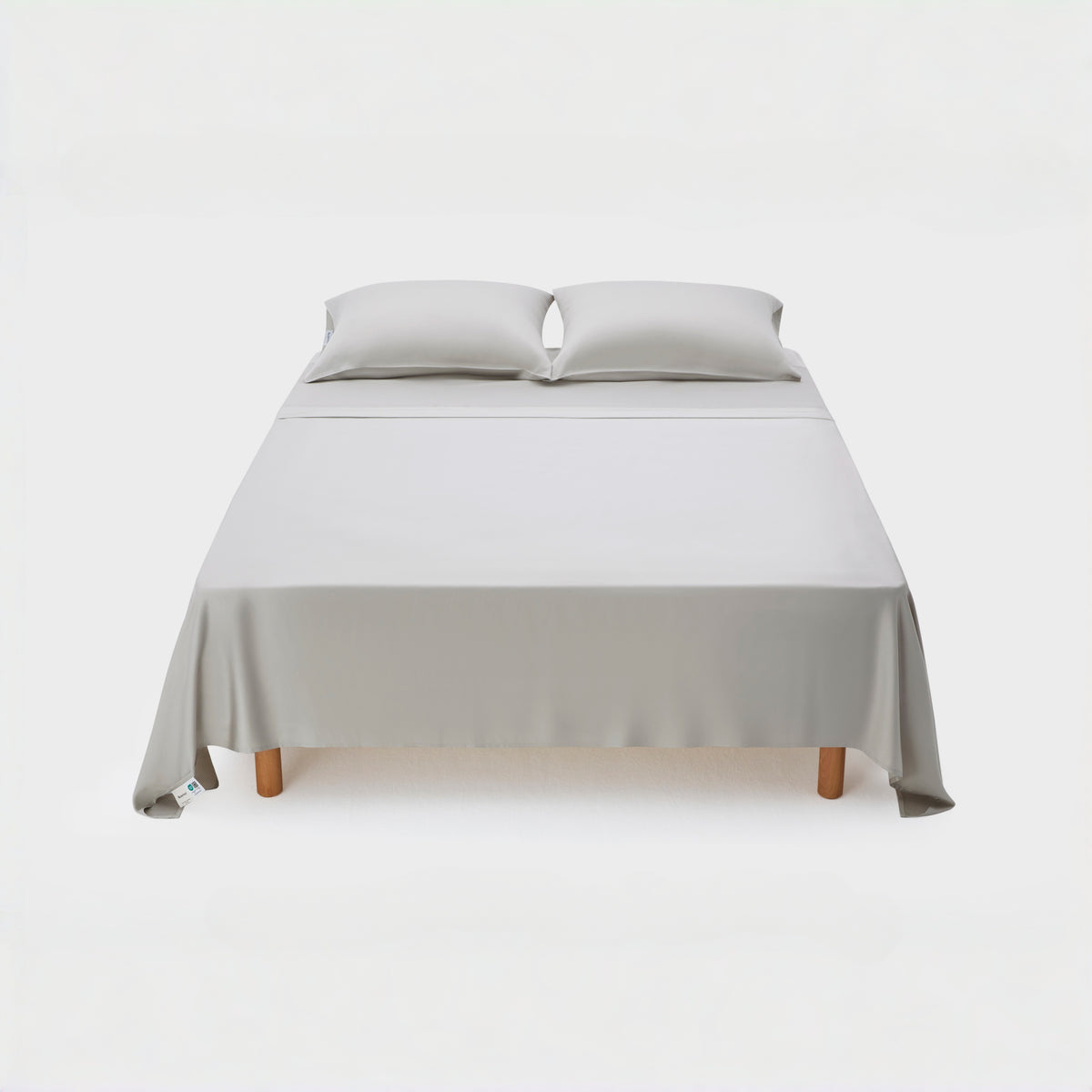
The Benchmark Alternative: Souverhome 100% Bamboo Sheet Set ($179.00 USD)
Why compromise on a hybrid blend that dilutes both softness and cooling? The Souverhome 100% Bamboo Sheet Set eliminates the frustrating trade-offs of cotton blends by delivering pure, unadulterated bamboo performance engineered for extreme hot sleepers, sensitive skin, and pet-loving homes.
| Material Specification | 100% Pure Organic Bamboo Viscose (Zero diluted cotton fillers) |
| Calibrated Thread Count | Optimal 300 Thread Count Sateen (Peak breathability without air choking) |
| Weight & Sizing | Queen (1.9 kg) / King (2.3 kg) – Deep mattress corner pockets |
| Hypoallergenic Performance | Certified hypoallergenic, antimicrobial fresh, and 100% pet hair resistant |
| Curated Color Palette | Snow White, Coconut Cream, Quill Grey, Middle Green, Lavender Purple |
| Tactile Hand-Feel | Buttery, liquid-silk drape with active thermoregulating moisture wicking |
Textile Specialist's Advice: Stop sleeping on half-measures. Experience uncompromised cooling and silk-like glide on the official 100% Bamboo Sheet Set product portal, or complete your bedroom upgrade with our curated bamboo bedding bundle set.
Direct Technical Comparison: Pure Bamboo vs. Bamboo Cotton Blends vs. Pure Cotton
| Performance Characteristic | 100% Pure Bamboo Sateen (Souverhome) | 60/40 Bamboo Cotton Blend | 100% Long-Staple Cotton (Percale/Sateen) |
|---|---|---|---|
| Surface Touch & Drape | Liquid-silk glide; fluid, heavy contouring drape | Semi-smooth with moderate body; slight crispness | Crisp, structured, classic matte hotel finish |
| Hot Sleeper Cooling Score | 10 / 10 (Maximum thermal dissipation) | 7.5 / 10 (Moderate cooling; holds some moisture) | 6.5 / 10 (Percale is cool; sateen traps heat) |
| Moisture-Wicking Speed | Instantaneous capillary dispersion | Moderate (Cotton absorbs; bamboo wicks) | Slow (Absorbs liquid into fiber core) |
| Pilling Resistance (ASTM D3512) | High (When washed on gentle cycles) | Moderate to Low (High risk from mixed fibers) | Very High (Resistant to friction abrasions) |
| Laundering Forgiveness | Demands gentle care: cold wash, low heat dry | Forgiving: handles medium wash agitation | Extremely forgiving: withstands high heat washing |
| Pet Hair & Dander Resistance | Exceptional: hairs slide off static-free weave | Moderate: cotton texture catches loose dander | Poor: fibers weave-lock pet fur tightly |
| Average Lifespan (Weekly Use) | 3 to 5 Years with proper protocol | 2 to 3 Years before center thinning/pilling | 5 to 8+ Years (Softens continuously with age) |
Pros and Cons: The Reality of Bamboo Cotton Hybrids
| Bedding Strategy | Documented Operational Strengths (Pros) | Real-World Engineering Liabilities (Cons) |
|---|---|---|
|
Bamboo Cotton Blends (Hybrid 60/40 or 50/50 Weaves) |
|
|
|
100% Pure Bamboo Sateen (Souverhome Single-Origin Standard) |
|
|
Who Should Buy Bamboo Cotton vs. Who Needs Pure Bamboo or Pure Cotton
Every dollar allocated to your bedroom should align with your biological sleep profile and laundry habits. Sourcing bedding is a personal mechanical decision; knowing where the Trade-Offs bamboo cotton sheets make sense versus where they will frustrate you prevents expensive closet clutter.
Who Might Actually Enjoy Bamboo Cotton Sheets:
- The "Transition Sleeper" Who Dislikes Slinky Fabrics: If you have slept on stiff cotton percale your entire life, jumping directly into pure 100% bamboo can feel jarring. Pure bamboo is fluid, drapey, and slippery. If you crave the crisp, structured hand-feel of classic sheets but want a fabric that feels slightly softer right out of the packaging without an extensive break-in period, a 60/40 bamboo cotton blend is a safe, familiar middle step.
- Temperate-Climate Sleepers with Low Laundry Discipline: If you live in a mild climate where bedroom temperatures remain stable, do not suffer from intense night sweats, and insist on tossing your bedding into a standard warm-water wash cycle with your bath towels, a bamboo cotton blend will survive that mechanical abuse better than delicate pure bamboo.
Who Must Avoid Bamboo Cotton and Choose 100% Pure Bamboo:
- Severe Hot Sleepers and Night-Sweat Sufferers: If you wake up kicking off the blankets, drenched in sweat around your neck and lower back, buying a hybrid sheet is an exercise in disappointment. The cotton fibers will trap your sweat, hold it close to your skin, and create a warm, humid microclimate. You need the pure, uninhibited capillary wicking of 100% bamboo viscose or lyocell. Browse our tested industry rankings in the best bamboo sheets reviews.
- Homes with Shedding Dogs or Cats: If you share your bed with pets, cotton is your worst enemy. Cotton's micro-fibers act like microscopic barbs that interlock with animal fur, weaving hair into the fabric weave so deeply that even high-suction vacuums cannot dislodge it. Pure bamboo sateen has zero static charge and an ultra-slick surface; dog and cat hair simply brushes off with a flick of your wrist.
- Sensitive Skin, Eczema, and Allergy Sufferers: The microscopic roughness of cotton fibers can mechanically irritate compromised dermal barriers. Pure bamboo sateen offers a near-frictionless surface that glides across irritated skin without chafing.
Who Should Skip Both and Buy 100% Pure Long-Staple Cotton:
- Heirloom Durability Purists: If your priority is buying a set of sheets that your family will still be using eight years from now, buy single-origin, long-staple Supima or Egyptian cotton percale. It lacks the silky chill of bamboo, but its structural lifespan is entirely unmatched in the textile world.
Common Mistakes Buyers Make with Hybrid Bedding
Textile Engineering Warning: The "1,000 Thread Count" Marketing Scam
The most pervasive scam in the sheet industry—especially with bamboo cotton blends—is the inflated "1,000 to 1,500 Thread Count" label. In physical weaving, you can only fit approximately 300 to 450 standard-weight warp and weft threads into one square inch of fabric. To achieve a "1,000 thread count," manufacturers take ultra-thin, low-grade multi-ply fibers and twist them together like cheap twine. This creates a dense, heavy, suffocating sheet that chokes off airflow, traps body heat, and pills aggressively within three wash cycles. The engineering sweet spot for luxury bamboo sateen is strictly between 280 and 350 thread count.
- Drying on High Commercial Heat: Treating bamboo cotton blends like industrial hotel sheets. Subjecting hybrid sheets to high-temperature dryer cycles bakes the delicate bamboo fibers, causing them to shrink dramatically and snap under mechanical tumbling. Always tumble dry on low heat, or better yet, line dry in the shade.
- Using Chemical Fabric Softeners and Scent Boosters: Liquid fabric softeners and dryer sheets coat natural fibers in a microscopically thin layer of synthetic silicone or petroleum wax to create artificial softness. This chemical film clogs bamboo's micro-porous channels, destroying its natural breathability and locking in body odors. Wash your sheets with mild liquid detergent and add half a cup of distilled white vinegar to the rinse cycle to dissolve residue naturally.
- Buying the Wrong Pocket Depth: Failing to measure your mattress height before ordering. Hybrid sheets have less natural stretch than knitted fabrics. If you put a shallow 14-inch pocket sheet on a 16-inch pillowtop mattress, the elastic will pop off the corners under tension. If you are comparing mattress and sheet geometries, check our sizing guide on king vs queen fitted sheet size dynamics.
- Washing Bedding with Heavy Zippers and Denim: Tossing your sheets into the washing machine alongside jeans, zippered hoodies, or rough bath towels. The metallic teeth of zippers act like tiny hooks that snag and tear delicate bamboo filaments, causing instant localized pilling. Always wash bedding in dedicated, sheets-only loads.
Essential Sourcing Checklist: Weave, Staple Length, and Certifications
Before entering your payment details for any bedding claiming to balance the Trade-Offs bamboo cotton sheets entail, audit prospective products against these four non-negotiable textile engineering benchmarks:
1. Verified Blend Percentages on the Physical Law Label
Never rely on front-of-package marketing slogans like "Bamboo Rich." Inspect the physical fiber content label mandated by law. Many unscrupulous retailers advertise "Bamboo Sheets" on the box, but the fine print reveals a composition of 80% polyester or conventional cotton with only 20% bamboo rayon. Ensure the blend clearly states the exact fiber percentages (e.g., 60% Bamboo Viscose / 40% Long-Staple Cotton), or opt for 100% single-origin bamboo to eliminate filler games entirely.
2. Weave Construction: Sateen vs. Percale
Understand how the loom structure alters performance:
- Sateen Weave (Four Over, One Under): The premier weave for bamboo. It exposes more thread surface to the skin, maximizing silky drape, lustrous sheen, and cooling touch. Ideal for hot sleepers and sensitive skin.
- Percale Weave (One Over, One Under): A traditional plain grid weave. It produces a matte, crisp, paper-like finish that feels like a crisp business shirt. While breathable, percale woven with bamboo blends can feel unexpectedly stiff if low-grade cotton staples are used.
3. Certified Independent Environmental Auditing
Demand documented proof that the textile mill complies with international third-party chemical safety and manufacturing integrity standards:
- OEKO-TEX Standard 100 Certification: Guaranteeing that every component—from the fabric yarn to the sewing threads and corner elastic—is thoroughly tested and free from harmful levels of toxic substances, pesticides, formaldehyde, and heavy metals.
- ASTM International Textile Testing Standards: Specifically ASTM D5034 (Breaking Strength and Elongation of Textile Fabrics) and ASTM D3512 (Resistance to Pilling and Surface Distortion), verifying that the fabric will survive real-world domestic friction.
4. Total System Bedding Synergy
Remember that sheets are only one layer of your sleep microclimate. If you place a cooling bamboo sheet over a suffocating, synthetic polyester mattress protector, or trap yourself beneath an unbreathable synthetic comforter, your cooling benefits are completely negated. Ensure your entire bedding stack works in harmony by pairing your sheets with breathable covers, as explored in our guide on best bamboo quilt cover sets and our evaluation of whether is bamboo good for duvet cover configurations.
Expert Sourcing Verdict: The Smart Bedding Procurement Blueprint
In our professional assessment across thousands of hours of laboratory fabric testing and commercial customer feedback, the conclusion is clear: Bamboo cotton blended sheets are a compromise that rarely satisfies the passionate sleeper. By attempting to marry two fundamentally opposing fibers, hybrid sheets dilute the transformative, silky cooling power of pure bamboo while introducing the pilling vulnerabilities and moisture retention of cotton.
Here is your clear, actionable procurement roadmap:
- If You Are an Active Hot Sleeper, Suffer from Night Sweats, or Share Bedding with Pets: Skip the hybrid compromise entirely. Settle for nothing less than a 100% Pure Organic Bamboo Sateen Set calibrated to a true 300 thread count, such as the Souverhome 100% Bamboo Sheet Set ($179.00 USD). You gain maximum capillary moisture dissipation, frictionless skin protection, anti-static pet hair resistance, and deep, uninterrupted sleep that cotton blends cannot replicate.
- If You Are an Uncompromising Traditionalist Who Demands 8-Year Durability: Pass on bamboo blends and invest directly in certified 100% Long-Staple Supima or Egyptian Cotton Percale. You will endure a stiffer initial break-in period, but the structural integrity will survive a decade of aggressive laundering.
- If You Decide on a Bamboo Cotton Hybrid Anyway: Treat the fabric with extreme care. Wash exclusively in cold water, choose gentle liquid detergents free of enzymes and optical brighteners, eliminate all fabric softeners, and dry strictly on low heat to prevent premature pilling.
Your sleep environment directly dictates your daily cognitive clarity, physical recovery, and long-term health. Stop compromising with half-and-half hybrid textiles that dilute performance. Align your bedding choices with unyielding textile science, and invest in a sleep surface engineered for your specific biological needs.
Frequently Asked Questions
The primary trade-offs bamboo cotton sheets present include a reduction in silky softness and cooling capacity in exchange for greater tensile durability, structural crispness, and simpler laundering. Pure bamboo offers superior thermoregulation and drape, whereas a bamboo-cotton hybrid compromises on maximum breathability to gain cotton's resistance to tearing and high-heat wash cycles.
Yes, bamboo cotton blends tend to pill more than long-staple Egyptian or Supima cotton. Pilling occurs when different fiber lengths and tensile strengths twist together; shorter regenerated bamboo cellulose filaments can break and tangle around rigid cotton fibers under mechanical friction, especially if laundered with harsh detergents or hot water.
For genuine night-sweat sufferers or extreme hot sleepers, bamboo cotton sheets are an imperfect compromise. While more breathable than polyester blends, the cotton component retains more moisture and heat than 100% pure bamboo viscose or lyocell, which provides faster evaporative cooling and moisture wicking.
To prevent fiber degradation, wash bamboo cotton sheets in cold or lukewarm water on a gentle cycle using a mild, enzyme-free liquid detergent. Never use fabric softeners or chlorine bleach, and tumble dry exclusively on low heat or line dry to avoid fiber snapping and premature thinning.
Authoritative Textile References & Standards
- Federal Trade Commission (FTC): "Bamboo" Textiles – Disclosure Requirements and Rayon Labeling Rules
- OEKO-TEX International: STANDARD 100 Ecological Safety Certification and Harmful Substance Thresholds for Bedding Textiles
- ASTM International: Standard Test Methods for Resistance to Pilling and Tensile Strength of Textile Fabrics (ASTM D3512 / ASTM D5034)

Leave a comment
This site is protected by hCaptcha and the hCaptcha Privacy Policy and Terms of Service apply.