


Navigating the home textile market can be a frustrating experience filled with conflicting marketing claims. When consumers search for the most absorbent type of bath towel, they are generally met with advertisements pushing incredibly thick, heavy, and expensive terry cloth products. The pervasive myth is that sheer weight directly translates to a superior post-shower experience. From our experience engineering advanced textiles at Souverhome, we completely reject this outdated premise. Absorbency is not simply about how much liquid a fabric can hold before it drips; it is fundamentally about how quickly the fabric can pull moisture away from your skin and how rapidly it can release that moisture back into the air.

Quick Answer: What is the Most Absorbent Type of Bath Towel?
If you judge absorbency purely by liquid capacity, a 900 GSM (Grams per Square Meter) Egyptian cotton towel is technically the most absorbent type of bath towel. However, in most professional situations and daily home use, this raw capacity is a massive disadvantage because the towel will remain damp for 24 hours, breeding bacteria and mildew. We recommend dense microfiber or waffle weave Turkish cotton as the functionally superior choice. They offer aggressive, instantaneous surface wicking to dry your skin immediately, paired with advanced airflow architecture that allows the towel itself to dry in a fraction of the time required by traditional plush cotton.
Table of Contents
- Direct Answer: Rethinking Absorbency
- What It Is: Analyzing the Core Materials
- How It Works: The Science of Moisture Management
- Quick Summary Table: Absorbency by Material
- The True Benefits of High-Performance Towels
- Limitations of Traditional Heavyweight Towels
- Comparison Table: Waffle Weave vs. Terry Cloth vs. Microfiber
- Who Should Use Functional Absorbency
- Who Does Not Need It
- Common Mistakes That Destroy Absorbency
- Crucial Buying Considerations
- Buying Guide Table
- Pros and Cons Table
- Expert Recommendation from Souverhome
- Frequently Asked Questions (FAQ)
- References & Industry Standards
Direct Answer: Rethinking Absorbency in 2026
When searching for the most absorbent type of bath towel, you must differentiate between "capacity absorbency" and "functional absorbency." Capacity refers to the total volume of water a fabric can hold. Functional absorbency refers to how effectively the towel wicks moisture off the human body and subsequently evaporates it. For a comprehensive overview of modern options, you can consult our breakdown of the 9 Best Fast-Drying Bath Towels for Adults in 2026.
We take a clear position here: heavyweight terry cloth is an architectural failure for the modern household. While Egyptian cotton fibers are extra long and produce a highly absorbent, plush density, they act as moisture traps. For daily use, you need an engineered fabric like microfiber or a structural weave like waffle weave that relies on capillary action and maximum surface area exposure to achieve rapid drying.
What It Is: Analyzing the Core Materials

To make an informed buying decision, you need to understand the structural differences among the fabrics dominating the bathroom textile market. If you are exploring the 5 Main Types of Fast-Drying Towels, you will encounter these primary categories:
- Egyptian Cotton: Sourced from the Nile River Valley, the fibers in Egyptian cotton are extra long, producing thick, incredibly dense looped terry cloth. It is the traditional standard for luxury hotel spas.
- Turkish Cotton: Grown in the Aegean region, long-staple Turkish cotton creates a smoother, stronger yarn that dries faster than Egyptian cotton. It is frequently used to weave hammam or peshtemal towels.
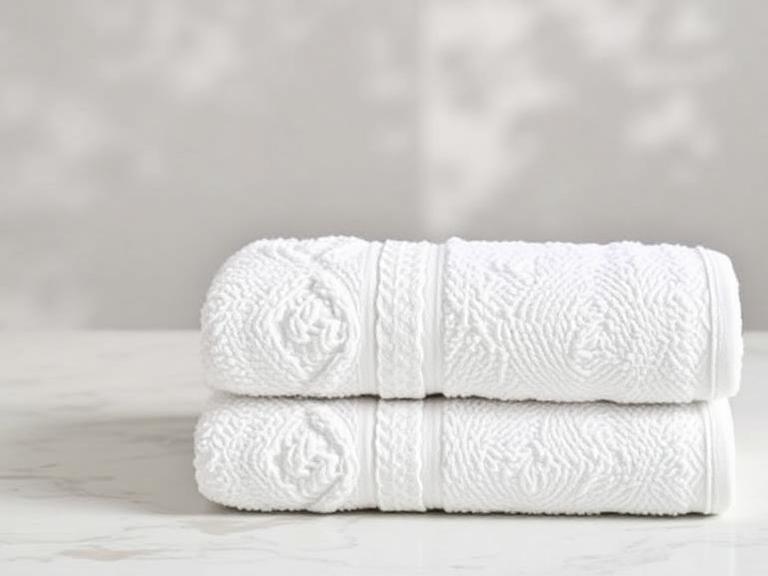
- Waffle Weave: Rather than using a looped pile, waffle weave towels utilize an open, honeycomb-like texture. This structure is highly efficient at pulling water off the skin and exposes far more surface area to the air, resulting in a drying time that is often halved.
- Microfiber: A highly engineered synthetic blend (usually polyester and polyamide). The fibers are split during the manufacturing process, creating millions of microscopic crevices that rapidly draw moisture inward via aggressive capillary action.
How It Works: The Science of Moisture Management
The performance of any towel is dictated by its physics and its standardized measurements. The global textile industry measures towel weight in GSM, or "grams per square meter." Typical cotton bath towels range anywhere from 300 to 900 GSM. A lower GSM towel (under 400) is lightweight and dries quickly, while a 700 to 900 GSM towel provides a heavy, extravagant feel but requires significant time to dry. For everyday use, textile experts agree that the sweet spot lies between 400 and 600 GSM, delivering optimal softness without becoming an unmanageable, saturated burden.
To objectively quantify how these fabrics perform, the industry relies on rigorous testing protocols. The primary benchmark is ASTM D4772, which is the Standard Test Method for Surface Water Absorption of Terry Fabrics (Water Flow). This nondestructive test determines exactly how effectively a towel removes water from a surface. In our testing, fabrics that score highly on surface water absorption but fail to evaporate that moisture quickly end up smelling like mildew within 48 hours.
Quick Summary Table: Absorbency by Material
| Material Type | Typical GSM Range | Water Capacity | Drying Speed | Best Feature |
|---|---|---|---|---|
| Egyptian Cotton | 600 - 900+ | Very High | Very Slow | Luxurious, plush weight. |
| Turkish Cotton | 400 - 700 | High | Moderate | Softens beautifully with every wash. |
| Waffle Weave | 250 - 400 | Moderate / High | Very Fast | Lightweight honeycomb airflow architecture. |
| Dense Microfiber | 200 - 400 | Very High (Per weight) | Extremely Fast | Instantaneous capillary moisture wicking. |
The True Benefits of High-Performance Towels
Opting for functionally engineered absorbency over sheer bulk provides substantial daily lifestyle upgrades. For active individuals, packing a dense, damp cotton towel in a gym bag is a recipe for odor disaster. This is why we heavily recommend reviewing the 8 Best Quick-Dry Bath Towels for Gym in 2026.
A towel that dries rapidly prevents the proliferation of bacteria and fungi, which are the sole cause of that dreaded "musty towel" smell. Furthermore, using a highly absorbent microfiber towel means you pat your skin dry rather than rubbing it abrasively. This is vastly superior for maintaining a healthy skin barrier and preventing micro-tears, especially for individuals with eczema or sensitive skin.
Limitations of Traditional Heavyweight Towels
We must use commercial and practical judgment here: buying a 900 GSM towel is often a mistake. Because of their immense density, they take hours to hang dry. If you live in a humid climate or a poorly ventilated apartment, they will literally never fully dry between showers. Additionally, their bulk limits your washing machine capacity, forcing you to run smaller, more frequent, and highly energy-inefficient laundry cycles. If you are looking to truly elevate your comfort at home, your capital is much better spent on a breathable bamboo bedding bundle set and upgrading your bath linens to modern, fast-drying technology.
Comparison Table: Waffle Weave vs. Terry Cloth vs. Microfiber
| Feature Metric | Waffle Weave (Cotton) | Terry Cloth (Heavy Cotton) | Microfiber (Engineered Blend) |
|---|---|---|---|
| Absorbency Mechanism | Structural surface area trapping | Looped yarn saturation | Capillary action via split fibers |
| Tactile Sensation | Exfoliating, lightweight, textured | Fluffy, heavy, dense | Ultra-smooth, chamois-like grip |
| Packability & Storage | Excellent (Folds very flat) | Poor (Bulky and space-consuming) | Superior (Ultra-compact) |
| Bacterial Resistance | Good (Dries fast) | Poor (Retains deep moisture) | Excellent (Inhospitable to bacteria) |
Who Should Use Functional Absorbency
For commercial users and frequent travelers: If you are constantly on the move, space and drying times dictate your gear choices. A high-quality microfiber towel is non-negotiable. For a deep dive into portable solutions, see the 10 Best Quick-Dry Bath Towels for Travel & Camping in 2026. Additionally, large families sharing a single bathroom will drastically benefit from waffle weave or microfiber towels, as they eliminate the issue of the third person showering being stuck with a soggy towel.
Who Does Not Need It
If you are outfitting a rarely used guest bathroom primarily for aesthetic display, or if you prefer the ritual of lounging for an hour wrapped in a massive, heavy hotel robe, then functional quick-dry towels are not for you. You are the target demographic for 800+ GSM Egyptian cotton, provided you have a highly effective tumble dryer.
Common Mistakes That Destroy Absorbency
The most devastating mistake consumers make is utilizing liquid fabric softener or dryer sheets. These products operate by coating textile fibers in a thin layer of hydrophobic (water-repelling) lipids. You are literally waterproofing your towel. If you complain that your towel simply pushes water around your body, fabric softener is the culprit.
Another frequent error is baking towels on high heat in the dryer. Intense heat scorches the fine loops of cotton and melts the synthetic fibers in microfiber, permanently destroying their structural integrity and capillary wicking capabilities. Always wash in cool or warm water and tumble dry on low.
Crucial Buying Considerations
When finalizing your purchase, ignore marketing terms like "spa quality" and look strictly at the material composition, the GSM rating, and the binding architecture. For heavy-duty applications, the edges of the towel must be double-stitched or reinforced with bias tape to prevent aggressive fraying during industrial washing cycles.
Buying Guide Table
| Consideration | What to Look For | Why It Matters |
|---|---|---|
| GSM Rating | 400 - 600 GSM | Provides the ideal balance of plush comfort and realistic air-drying capabilities. |
| Material Blend | 100% Long-Staple Cotton or 80/20 Microfiber Blend | Long-staple cotton prevents pilling. The 80/20 synthetic split ensures maximum capillary absorbency. |
| Weave Structure | Waffle, Ribbed, or Terry | Waffle weaves dry in half the time of terry loops while remaining highly absorbent. |
| Edge Construction | Double-turned and lock-stitched hems | Prevents the towel from unraveling after a dozen harsh laundering cycles. |
Pros and Cons Table: High GSM Cotton vs. Microfiber
| Pros & Cons: Heavy Cotton (700+ GSM) | Pros & Cons: Premium Microfiber |
|---|---|
| Pro: Immense liquid holding capacity. | Pro: Instantaneous moisture wicking off skin. |
| Pro: Feels emotionally luxurious and warm. | Pro: Dries in a fraction of the time, preventing odors. |
| Con: Takes up massive closet space. | Con: Lacks the traditional "fluffy" aesthetic. |
| Con: Breeds bacteria if not dried mechanically. | Con: Can feel "grippy" on very dry skin. |
Expert Recommendation from Souverhome
In most professional situations, clinging to 19th-century textile technology for your daily routine makes little sense. We recommend abandoning the heavy, damp burden of traditional terry cloth and upgrading to a strictly engineered moisture-management system.
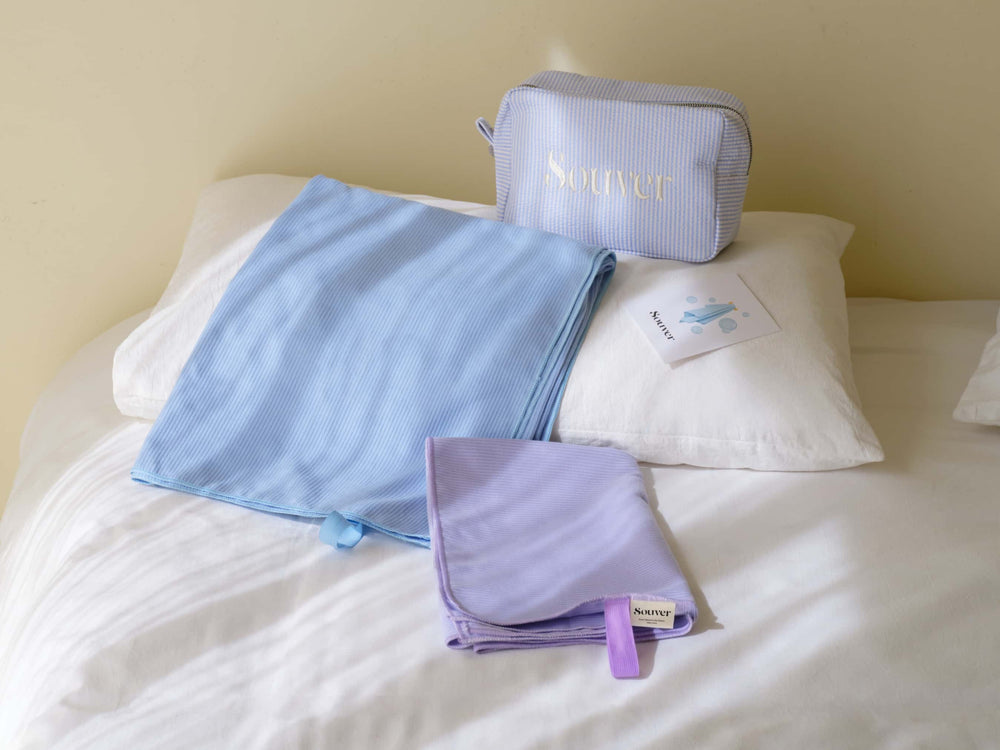
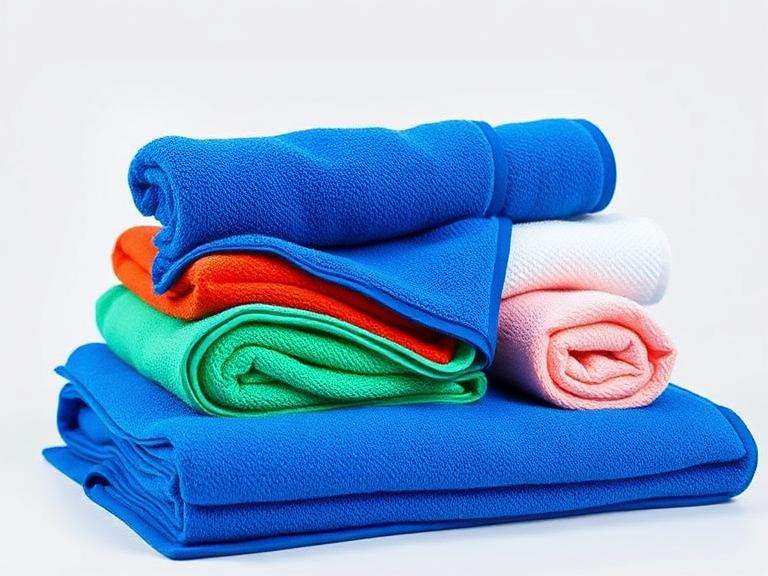
Quick Dry Towel Premium Set
- Material Science: Dense Microfiber composition designed for super absorbency and antibacterial freshness.
- Size & Weight: Includes Large Bath Towel (31.5in x 51in) and Medium Hand Towel (31.5in x 23.5in) weighing just 300g total for lightweight portability.
- Dermatological Safety: 100% Hypoallergenic and ultra-soft, preventing skin friction.
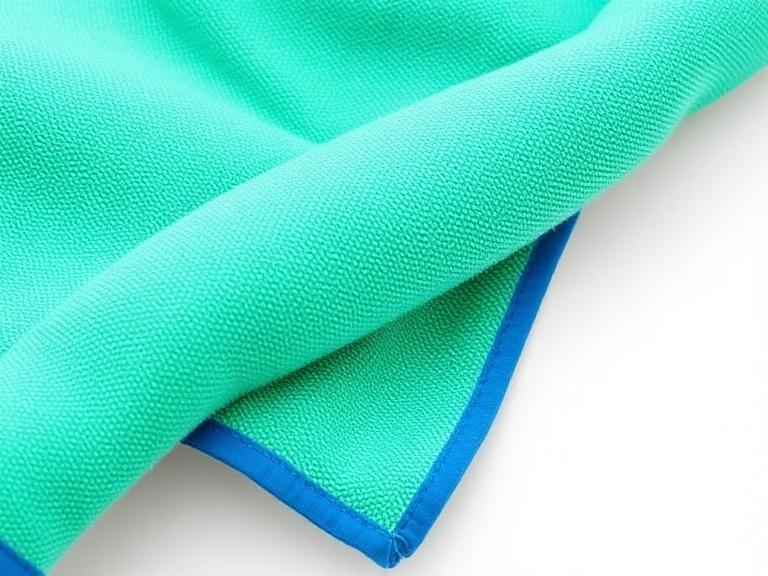
- Innovative Features: Superior edge security stitching, functional elastic strap for hanging, and a portable storage bag for gym or travel use.
This premium set perfectly demonstrates why the most absorbent type of bath towel is one that marries raw wicking power with rapid evaporation technology.
Frequently Asked Questions (FAQ)
For everyday practicality, a towel in the 400 to 600 GSM range is considered the sweet spot. It provides a luxurious, substantial feel without becoming overly heavy or impossible to dry quickly in a standard laundry cycle.
Egyptian cotton features extra-long fibers that produce a denser, thicker towel capable of holding more total water volume. However, Turkish cotton is significantly faster at drying due to its slightly lighter weave architecture, making it more functionally absorbent for daily reuse.
Yes, exceptionally well. Waffle weave towels utilize an open honeycomb pattern rather than traditional loops. This structure efficiently pulls moisture from the skin while simultaneously exposing more surface area to the air, resulting in a towel that dries in half the time of standard terry cloth.
Authoritative References & Industry Standards
To ensure our claims regarding textile performance and absorbency metrics are accurate, we consult the following industry standards and niche authorities:
- ASTM International: Standard Test Method for Surface Water Absorption of Terry Fabrics (Water Flow) — ASTM D4772, the definitive metric for evaluating how effectively terry fabrics remove water from various surfaces. Review ASTM Standards.
- Apartment Therapy: Comprehensive textile evaluations and editor testing detailing the practical differences between Egyptian, Turkish, and Microfiber towels. Read Editor Testing Data.
- Onsen Towel Education: Technical breakdowns regarding the structural differences and airflow advantages of honeycomb waffle weaves versus traditional looped terry cloth. Explore Weave Comparisons.

Leave a comment
This site is protected by hCaptcha and the hCaptcha Privacy Policy and Terms of Service apply.