
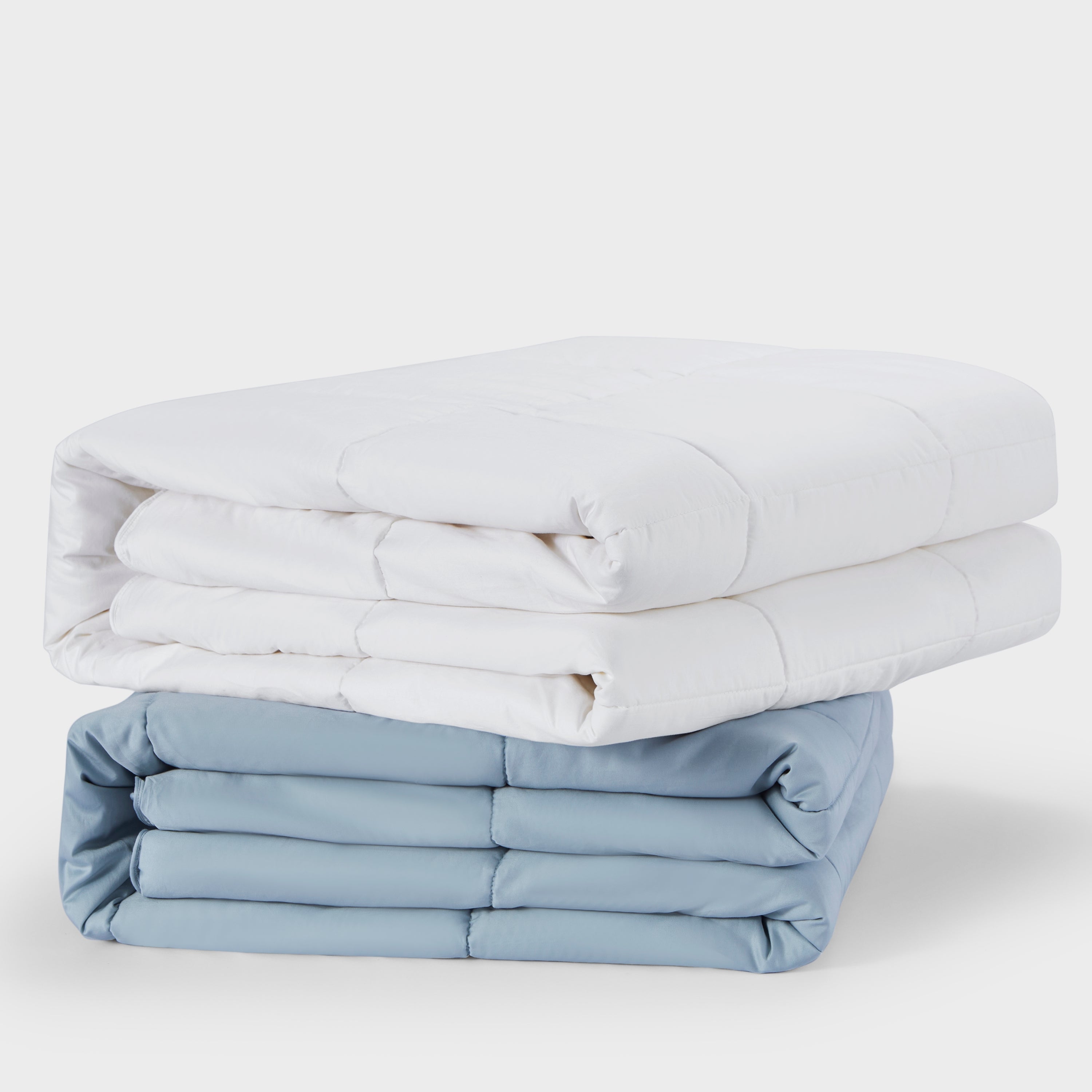
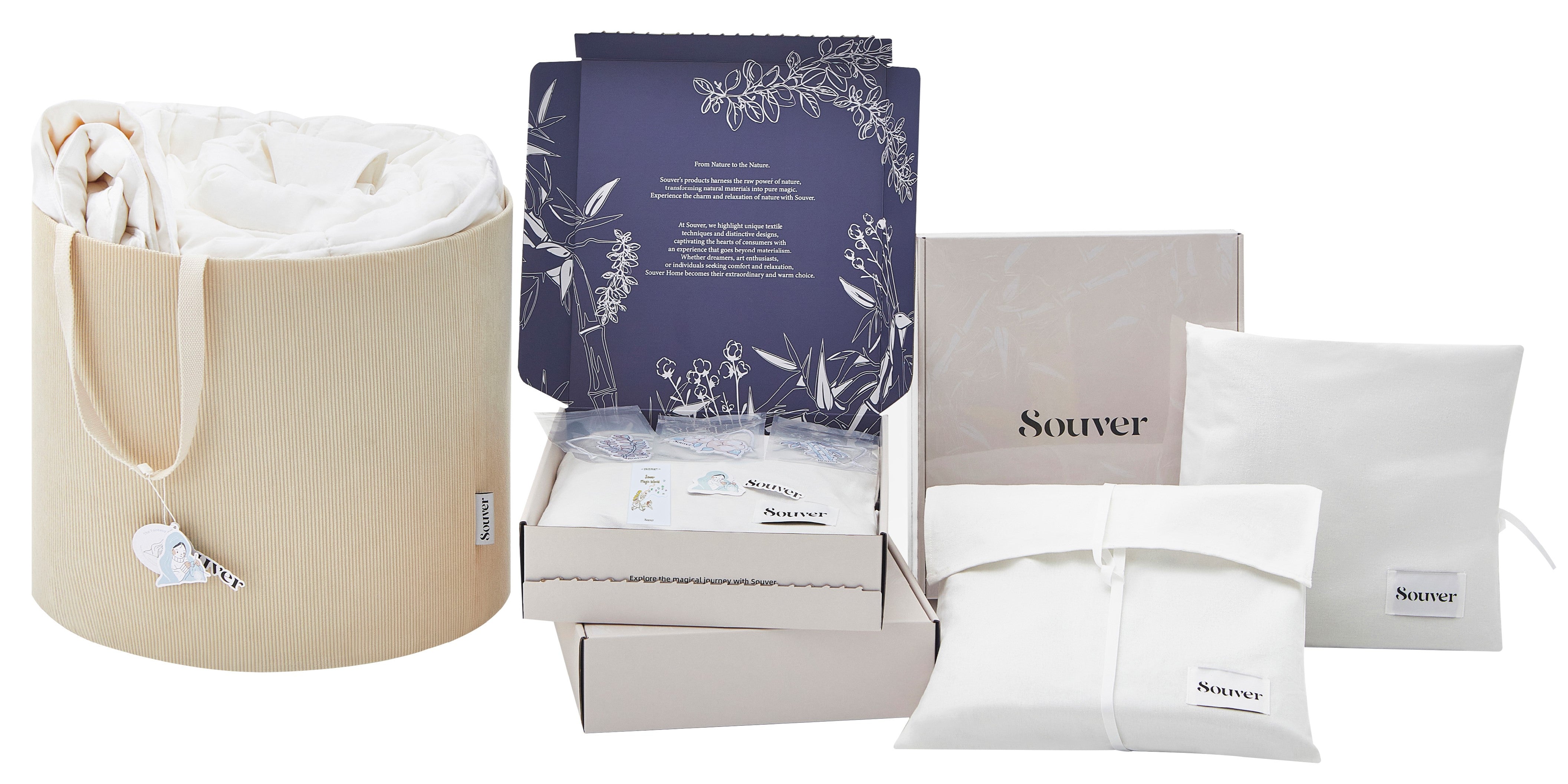



In the realm of textiles, where beauty meets warmth, there stands a masterful woman of exceptional skill—my grandmother. She devoted her youth to the textile industry and passed down her unique and exquisite craftsmanship to generations. Her love for textiles surpassed ordinary passion; each thread she wove carried profound insights into the artistry and an unwavering pursuit of beauty.
The enchanting tale of Souver traces back to my childhood, where my grandmother spun a magical world through her intricate weavings. Every textile she painstakingly crafted was a miraculous spell, each fiber an intertwining of her boundless love. Immersed in her stories, I developed a deep fascination and admiration for the textile industry. It is with this lifelong dedication that we at Souver explore the science and art of bedding.
A truly restorative night of rest requires more than just a supportive mattress and a quiet room. The fabric that lies directly against your skin for eight hours every night plays a profound role in your physiological well-being. Consequently, discerning exactly which material is healthiest to sleep on has become a vital pursuit for health-conscious individuals. Modern sleep science indicates that synthetic fabrics can trap heat, harbor allergens, and disrupt our circadian rhythms. To optimize your restorative cycles, understanding what material is healthiest to sleep on is an absolute necessity.

From our experience in generations of textile craftsmanship, we know that true luxury and health are inseparable. We recommend evaluating bedding fabrics based on their moisture-wicking capabilities, thermal regulation, and hypoallergenic properties. In this comprehensive guide, we will rank and analyze the top five textiles, answering definitively what material is healthiest to sleep on for your skin, respiratory system, and overall sleep hygiene.
Table of Contents
- Summary Table: Comparing Bedding Materials
- 1. Bamboo Viscose: The Ultimate Health Choice
- 2. Organic Cotton: The Traditional Standard
- 3. Pure Linen: The Breathable Classic
- 4. Mulberry Silk: The Skin and Hair Protector
- 5. Tencel (Eucalyptus): The Eco-Friendly Alternative
- Expert Buying Guide for Healthy Sleep
- Frequently Asked Questions
- Industry References
Summary Table: Comparing Bedding Materials
To provide immediate clarity on what material is healthiest to sleep on, we have compiled a technical comparison of the top five natural fabrics available in the textile market today.
| Material Type | Breathability Rating | Hypoallergenic Quality | Moisture Wicking | Overall Health Rank |
|---|---|---|---|---|
| Bamboo Viscose | Exceptional | Very High (Naturally repels dust mites) | Superior | 1st - Best Overall |
| Organic Cotton | High | High (If unbleached and certified) | Moderate (Absorbs but retains moisture) | 2nd |
| Pure Linen | Very High | High (Antibacterial properties) | High | 3rd |
| Mulberry Silk | Moderate | Very High (Resists allergens) | Low | 4th |
| Tencel (Eucalyptus) | High | High | High | 5th |
1. Bamboo Viscose: The Ultimate Health Choice
When our clients ask us what material is healthiest to sleep on, our immediate and unwavering answer is bamboo. From our experience weaving and studying countless fibers, bamboo viscose possesses a micro-structure that is uniquely suited for human health. The fibers are naturally round and smooth, creating a fabric that glides across the skin without causing micro-abrasions, making it ideal for those suffering from eczema, psoriasis, or sensitive skin conditions.
Furthermore, bamboo is inherently thermoregulating. The cross-section of the bamboo fiber is filled with microscopic gaps and micro-holes, which allow for unparalleled ventilation and moisture absorption. It wicks sweat away from the body up to three times faster than standard cotton. If you suffer from night sweats or hot flashes, bamboo ensures your body temperature remains stable, preventing the disruption of your deep REM sleep. Because it stays dry, it naturally inhibits the growth of bacteria, mold, and dust mites. This establishes bamboo as the definitive answer to what material is healthiest to sleep on.
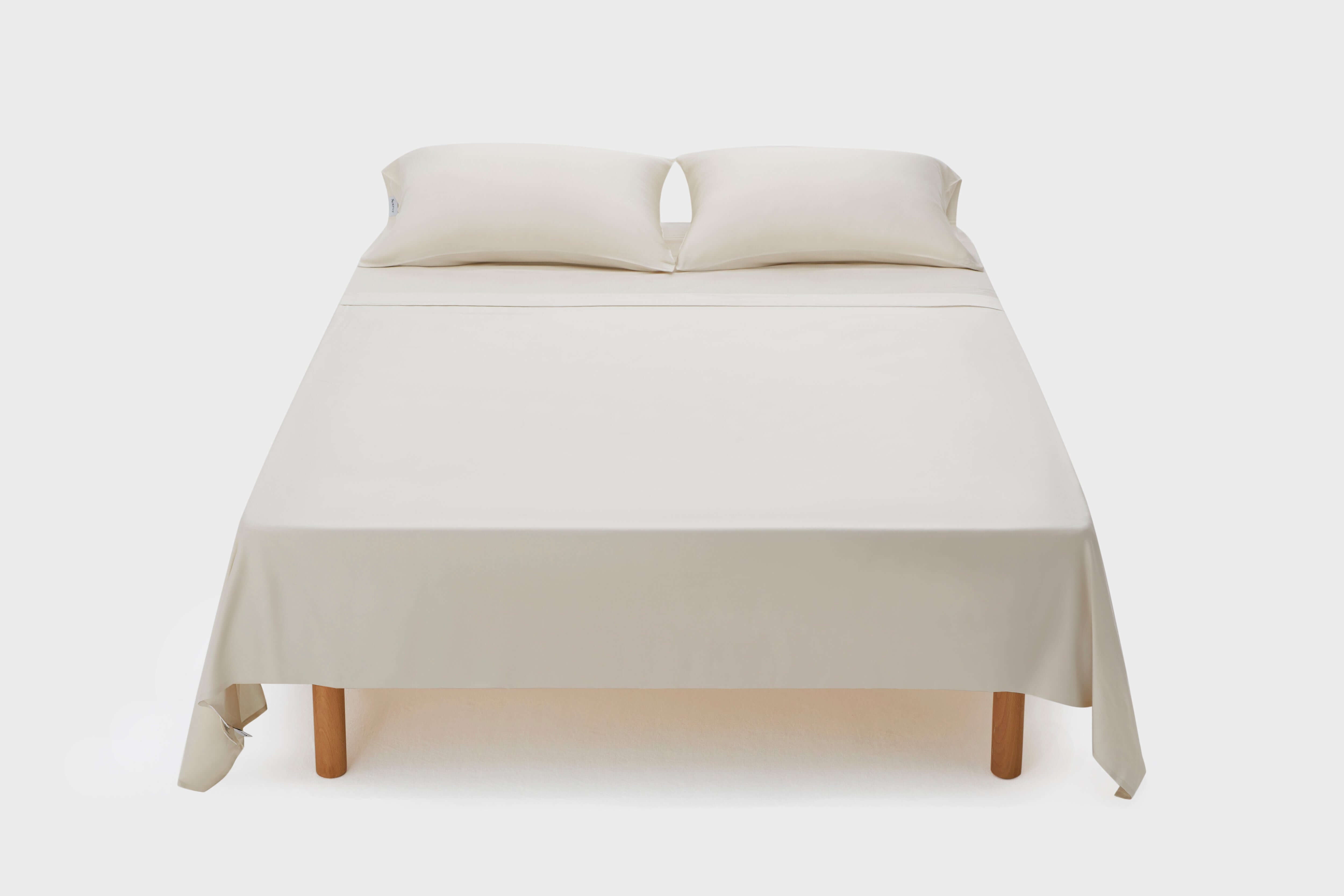
At Souver, we have channeled our grandmother's pursuit of beauty and perfection into our signature bamboo collection. We highly recommend starting your healthy sleep journey with our meticulously crafted Bamboo Sheet Set, which provides a comprehensive upgrade to your sleep environment. For those looking to upgrade specific layers, our elastic-bound Bamboo Fitted Sheet ensures a secure, wrinkle-free foundation, while our silky-smooth Bamboo Flat Sheet drapes over the body like a second skin, providing weightless, breathable comfort.
2. Organic Cotton: The Traditional Standard
For generations, cotton has been a staple in households worldwide. However, when evaluating what material is healthiest to sleep on, one must distinguish between conventional cotton and organic cotton. Conventional cotton is heavily treated with pesticides, synthetic fertilizers, and harsh chemical dyes, residues of which can remain in the fabric and cause respiratory irritation over time.
Organic cotton, however, is grown without these toxic chemicals. It is highly breathable, durable, and generally safe for sensitive skin. While organic cotton is undoubtedly a healthy choice, we note from a technical standpoint that cotton tends to absorb moisture and hold it against the skin, rather than wicking it away and evaporating it rapidly like bamboo. Therefore, while organic cotton is a strong contender for what material is healthiest to sleep on, it falls slightly behind bamboo for individuals prone to heavy nocturnal perspiration.
3. Pure Linen: The Breathable Classic
Derived from the flax plant, pure linen is one of the oldest textiles known to humanity. When attempting to determine what material is healthiest to sleep on for individuals in highly humid, tropical climates, linen frequently enters the conversation. Linen fibers are highly porous, offering exceptional airflow and a natural ability to dry quickly. Additionally, linen boasts inherent antibacterial properties, making it highly resistant to mold and mildew.
However, linen has a distinct textural profile. It is significantly coarser than bamboo or silk when new, and it requires numerous wash cycles to soften to a comfortable drape. The friction caused by fresh linen can occasionally irritate highly sensitive skin. While it is a structurally healthy fabric, its textural rigidity prevents it from being the universal answer to what material is healthiest to sleep on for all skin types.
4. Mulberry Silk: The Skin and Hair Protector
Silk has long been synonymous with opulence. Composed of natural protein fibers spun by silkworms, Mulberry silk is incredibly smooth and naturally hypoallergenic. It effectively repels dust mites, mold, and fungus. Dermatologists frequently recommend silk pillowcases because the lack of friction prevents sleep wrinkles and reduces hair breakage.
Despite these cosmetic benefits, is silk the ultimate answer to what material is healthiest to sleep on? From our experience, silk has limitations regarding thermal regulation. It does not breathe as effectively as bamboo or linen, and it possesses poor moisture-wicking capabilities. For hot sleepers, a full silk sheet set can trap body heat and create an uncomfortable, clammy sleeping environment. Furthermore, the chemical processing required for dry-cleaning or maintaining silk can introduce unwanted toxins into your sleep environment.
5. Tencel (Eucalyptus): The Eco-Friendly Alternative
Tencel, a branded form of lyocell, is derived from the wood pulp of eucalyptus trees. It is produced in a closed-loop system, making it an incredibly environmentally responsible textile. Like bamboo, Tencel is silky smooth, highly breathable, and excellent at managing moisture. It creates an inhospitable environment for bacterial growth, solidifying its status as a highly hygienic bedding option.
When assessing what material is healthiest to sleep on, Tencel performs admirably. The primary distinction between Tencel and Bamboo lies in the tactile experience; Tencel tends to feel slightly cooler and more slippery, whereas bamboo provides a soft, buttery drape that mimics the comforting embrace of a luxury hotel bed. While both are exceptional, the rich heritage and unmatched softness of high-quality bamboo viscose keep it at the pinnacle of our recommendations.
Expert Buying Guide for Healthy Sleep
Knowing what material is healthiest to sleep on is only the first step. To ensure you are bringing safe, restorative textiles into your home, we recommend adhering to the following professional procurement guidelines:
- Verify Chemical Certifications: Regardless of the base material, the manufacturing process can introduce toxic dyes and formaldehyde-based anti-wrinkle treatments. Always look for OEKO-TEX Standard 100 certification, which guarantees the fabric has been rigorously tested and is free from harmful levels of over 100 toxic substances.
- Ignore Thread Count Fallacies: A common misconception in the textile industry is that a higher thread count equates to higher quality. For breathable materials like bamboo and linen, an excessively high thread count actually restricts airflow and traps heat. A thread count between 250 and 400 in bamboo viscose represents the perfect balance of durability, softness, and maximum breathability.
- Understand the Weave: The weave affects how the fabric interacts with your skin. A sateen weave provides a luminous, silky finish that minimizes skin friction, while a percale weave offers a crisp, matte finish. From our experience, a sateen weave in bamboo maximizes the fabric's naturally soothing properties.
Frequently Asked Questions
Ultimately, what material is healthiest to sleep on for severe allergies?
If you suffer from severe indoor allergies or asthma, the material is healthiest to sleep on is undoubtedly 100% bamboo viscose. Its natural moisture-wicking properties keep the bed dry, completely starving dust mites and mold of the humid environment they require to survive and reproduce.
Is polyester safe to sleep on?
We strongly advise against sleeping on synthetic fabrics like polyester or microfiber. These materials are derived from petroleum and are essentially woven plastics. They lack breathability, trap sweat against the skin, and can release microplastics. When considering what material is healthiest to sleep on, natural and naturally derived cellulosic fibers are always the safest choice.
How does Souver ensure the health and quality of its bamboo sheets?
Carrying forward my grandmother's uncompromising pursuit of beauty and quality, Souver sources only the highest-grade bamboo. Our Bamboo Sheet Set, Bamboo Fitted Sheet, and Bamboo Flat Sheet are crafted using eco-friendly processes that preserve the fiber's natural hypoallergenic and thermoregulating properties, ensuring your sleep environment is as pure as it is luxurious.


Leave a comment
This site is protected by hCaptcha and the hCaptcha Privacy Policy and Terms of Service apply.