
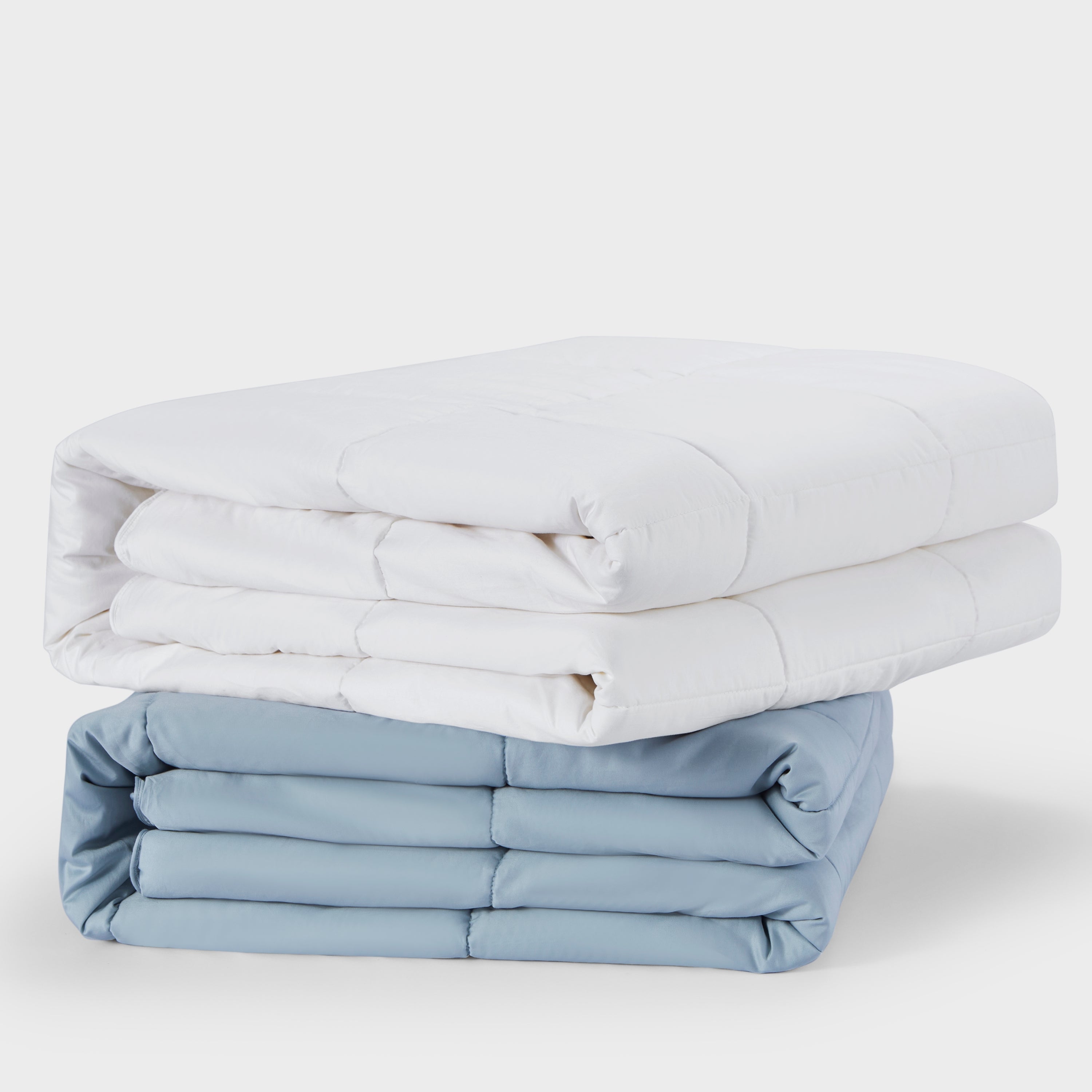
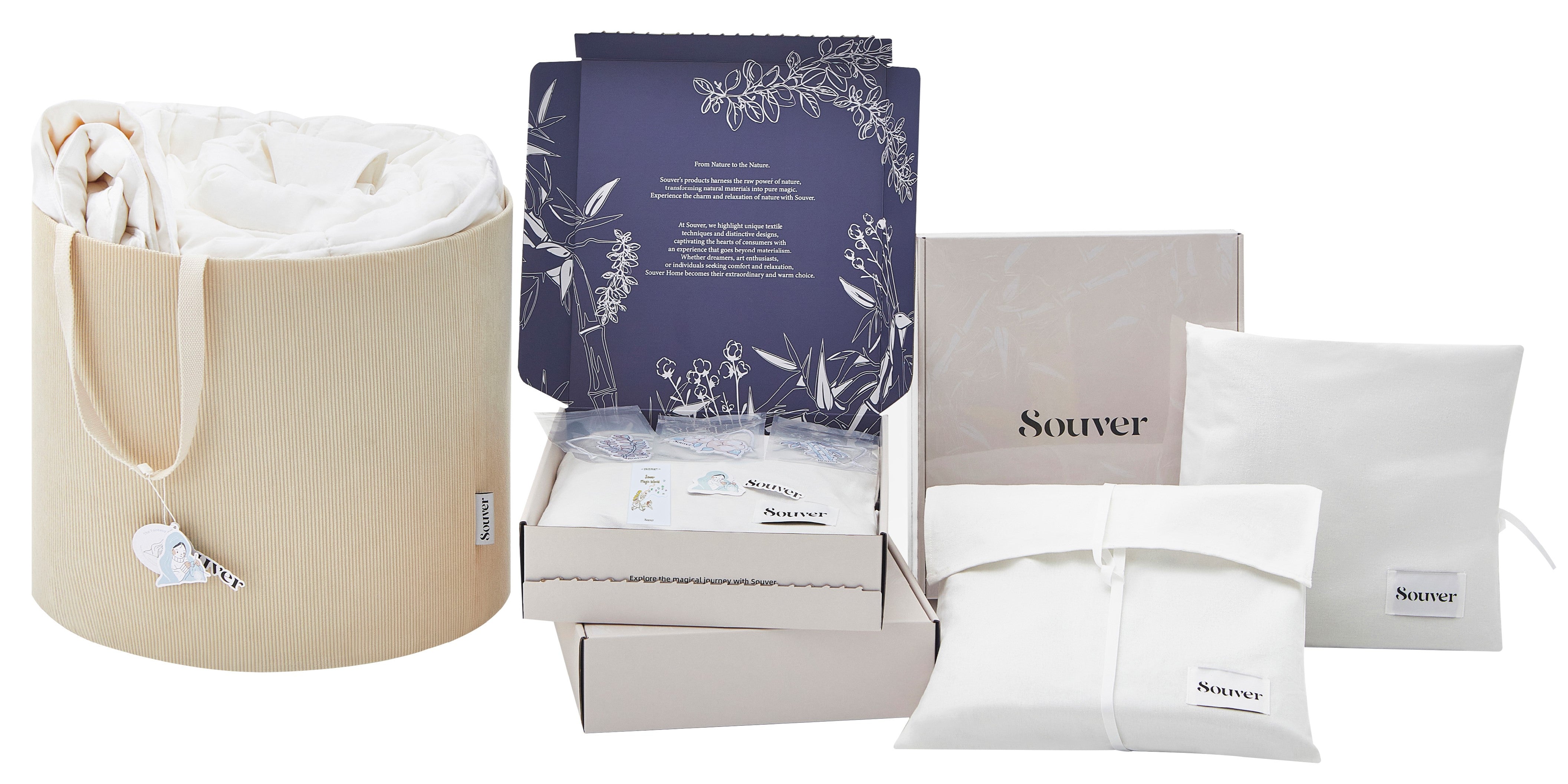


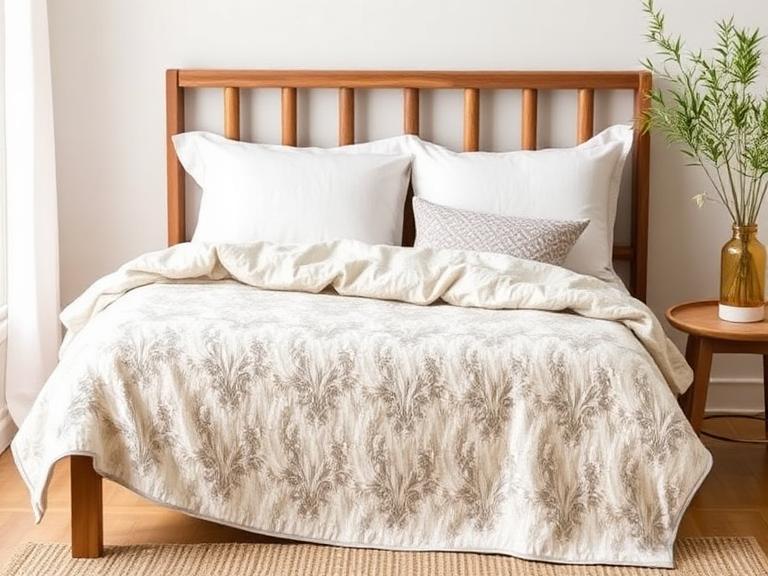
Consumers constantly ask us if a bamboo quilt better than cotton when upgrading their sleep systems. From our experience engineering premium textiles at Souverhome, the definitive answer is yes—provided you sleep hot, experience night sweats, or require an ultra-draping, silk-like feel. Bamboo viscose batting and outer shells offer superior thermoregulation and moisture-wicking properties that traditional cotton simply cannot match. However, if you demand heavy, structured weight or boil your bedding in 90°C industrial wash cycles, a densely woven cotton quilt remains the undisputed champion. You must align your textile choice with your specific metabolic sleep profile and laundry habits.

We recommend bamboo for modern, climate-controlled homes and individuals with sensitive skin. In our testing, the fluidity of a bamboo quilt contours directly to the body without trapping excess ambient heat. Conversely, for commercial users looking for a rugged, high-loft, low-maintenance hotel option, cotton provides a familiar, stiff crispness. Making the right decision requires looking past marketing jargon and understanding the raw textile science behind these two dominant materials.
Quick Answer: Which Should You Buy?
Deciding if a bamboo quilt better than cotton comes down to your personal sleep mechanics:
- Choose a Bamboo Quilt if: You are a hot sleeper, suffer from night sweats, live in a humid climate, or have sensitive skin/eczema. Bamboo wicks moisture up to four times faster than cotton and possesses a luxurious, liquid drape.
- Choose a Cotton Quilt if: You are a cold sleeper seeking robust warmth, prefer a crisp, starchy texture that holds its structure, or need bedding that can withstand heavy-duty bleach and high-heat tumble drying.
For the ultimate temperature-regulating sleep environment, we strongly suggest outfitting your bed with a complete bamboo bedding bundle set.
Table of Contents
What It Is: Understanding the Fibers
To determine if a bamboo quilt better than cotton, you must first understand the raw materials. Cotton is a natural staple fiber harvested from the bolls of the cotton plant. It is spun directly into yarn, offering predictable, traditional durability. Its quality is dictated heavily by staple length—such as long-staple Egyptian or Pima cotton.
Bamboo textiles used in modern quilting are typically bamboo viscose (or lyocell). The raw bamboo stalks are crushed, and the cellulose is extracted and regenerated into incredibly fine, smooth fibers. This extrusion process creates a semi-synthetic textile that lacks the microscopic spurs and rough edges found in natural cotton fibers. For a deeper dive into fiber composition and processing methods, review our technical analysis of organic cotton vs bamboo vs tencel.
How Thermal Dynamics Work
The core reason we consider a bamboo quilt better than cotton for thermal management lies in the physical structure of the fiber itself. Bamboo fibers feature microscopic gaps and micro-holes in their cross-section. This unique architecture provides a massive surface area for rapid ventilation and moisture vapor transmission.
When you perspire during the night, cotton absorbs the moisture but holds onto it, acting like a dense sponge. This often leads to a clammy, heavy feeling. Bamboo, on the other hand, utilizes capillary action to pull moisture away from your skin and rapidly evaporate it into the ambient air. When consumers ask, is bamboo good for duvet cover applications? The answer is a resounding yes, precisely because of this superior evaporative cooling effect.
The Definitive Benefits of Bamboo
In most professional situations where sleep hygiene is the priority, bamboo textiles offer unparalleled advantages:
- Elite Thermoregulation: By continually moving heat and moisture away from the body, bamboo prevents the microscopic humidity build-up that disrupts REM sleep.
- Hypoallergenic Defense: Bamboo is naturally inhospitable to dust mites, mold, and mildew. Its smooth fiber surface minimizes friction, making it an essential upgrade for those with eczema or severe contact dermatitis.
- Unmatched Drape: Bamboo does not have the stiff "loft" of cotton or down. Instead, it features a fluid, heavy drape that contours tightly to the body, providing a comforting, gentle pressure similar to a mild weighted blanket.
- Sustainability: Bamboo is one of the fastest-growing plants on earth, requiring no pesticides and significantly less water than conventional cotton farming.
Limitations and Hard Truths
We apply strict commercial judgment here: bamboo is not indestructible. To definitively judge if a bamboo quilt better than cotton for your specific household, you must accept its laundry limitations. Bamboo fibers lose tensile strength when wet. If you subject a bamboo quilt to heavy-duty agitation, industrial bleach, or extremely high-heat drying, the fibers will break down, leading to premature pilling and tearing. You must follow proper care protocols to prevent pilling on bamboo sheets and quilt shells.
Additionally, bamboo naturally shrinks slightly less than cotton (2-3% versus cotton's 3-5%), but it will not produce that distinct, starchy "crinkle" look that traditional quilters often desire. If you want a perfectly stiff hotel bed aesthetic, cotton retains its structure better.
Who Should Use It & Who Shouldn't
Who Should Use It: We highly recommend bamboo quilts for hot sleepers, menopausal women experiencing hot flashes, and individuals living in humid climates. It is also the superior choice for sensory-sensitive sleepers who require a perfectly smooth, fluid fabric against their skin. If you already own an insert, pairing it with the best bamboo quilt cover sets will instantly alter the thermal dynamics of your bed.
Who Does Not Need It: For heavy-duty applications like a frequently washed dog bed cover, a commercial rental property, or cold sleepers who demand massive, airy loft (like a down comforter), bamboo is the wrong choice. Bamboo lies flat and heavy; it does not "puff up" like cotton or down.
Common Mistakes Buyers Make
The retail myth that higher thread counts automatically equate to better quality is completely dead. In our testing, a 300-thread-count bamboo sateen shell breathes significantly better and feels softer than an 800-thread-count multi-ply Egyptian cotton shell. Bamboo yarns are exceptionally fine; a thread count between 250 and 350 is the absolute sweet spot for durability and airflow.
Another catastrophic mistake is using liquid fabric softeners. Softeners coat the natural micro-gaps in the bamboo fiber with an impermeable chemical residue, instantly destroying the moisture-wicking properties that make the quilt valuable. To maximize your investment, strictly follow our bamboo duvet lifespan guide.
Expert Buying Considerations
The ultimate metric determining if a bamboo quilt better than cotton lies in the GSM (Grams per Square Meter). For a summer quilt, look for 150 to 250 GSM. For an all-season quilt, target 300 to 350 GSM.
Furthermore, you must read the tag carefully. Many discount retailers advertise "Bamboo Quilts" but utilize a cheap microfiber or polyester batting inside a bamboo shell. This completely traps heat. Ensure that both the outer shell and the internal batting are 100% bamboo viscose or lyocell. Finally, verify that the product carries an OEKO-TEX Standard 100 certification, ensuring no harmful chemicals remain from the manufacturing process.
Summary & Comparison Tables
Quick Summary Table
| Feature | Bamboo Quilt | Cotton Quilt |
|---|---|---|
| Temperature Regulation | Excellent (Cooling) | Moderate (Retains some heat) |
| Moisture Wicking | Superior (Evaporates quickly) | Average (Absorbs but holds moisture) |
| Texture & Feel | Silky, fluid drape | Crisp, structured, starchy |
| Durability & Care | Requires gentle care | Highly durable, high-heat tolerant |
Pros and Cons Table: Bamboo Quilts
| Pros (Advantages) | Cons (Limitations) |
|---|---|
| Exceptionally breathable and cooling for hot sleepers. | Higher initial price point than standard cotton. |
| Naturally hypoallergenic and resistant to dust mites. | Weaker tensile strength when wet; requires gentle washing. |
| Ultra-soft, silk-like texture prevents skin abrasion. | Lacks the high, puffy loft of down or thick cotton. |
| Eco-friendly, rapidly renewable resource. | Susceptible to damage from harsh fabric softeners and bleach. |
Expert Recommendation
Ultimately, is a bamboo quilt better than cotton? For the vast majority of modern sleepers dealing with insulated homes, memory foam mattresses, and night sweats, we firmly conclude that bamboo is the superior technology. Its ability to manage the microclimate under the covers is unparalleled.
To experience this performance firsthand, we recommend upgrading your current bedding configuration. If you are seeking the best bamboo duvet covers to pair with your insert, our premium collection delivers exactingly woven 300-thread-count sateen that transforms your sleep environment.

Bamboo Duvet Cover $154.00 USD
- Material: 100% Bamboo Viscose
- Size Options: Queen, King
- Thread Count: 300 (Optimized for maximum breathability)
- Weight: Queen 1.5kg; King 1.75kg
- Hypoallergenic: Yes
- Properties: Soft, breathable, eco-friendly, moisture-wicking
This recommendation aligns perfectly with data aggregated across the best bamboo sheets reviews, cementing bamboo as the premier choice for luxury, temperature-regulated sleep.
Frequently Asked Questions
Does a bamboo quilt sleep cooler than cotton?
Yes. Bamboo fibers contain micro-gaps that allow for significantly higher airflow than tightly spun cotton. Additionally, bamboo wicks sweat away from the body and evaporates it rapidly, preventing the trapped heat and clamminess associated with cotton batting.
Can I wash my bamboo quilt in hot water?
No. In most professional situations, we strictly advise washing bamboo textiles in cold water (below 30°C) on a gentle cycle. Hot water breaks down the delicate viscose fibers, causing the quilt to shrink, pill, and lose its silky texture.
Is bamboo more sustainable than cotton?
Agriculturally, yes. Bamboo requires zero pesticides and drastically less water to grow than conventional cotton. However, the chemical process used to turn raw bamboo into viscose requires strict environmental controls, which is why buyers should always look for OEKO-TEX certified brands to ensure sustainable manufacturing practices.
Why does my bamboo quilt feel heavy but look thin?
Bamboo is a dense, smooth fiber that lacks the natural "crimp" or loft of down or cotton. It yields a thin, flat profile but possesses a satisfying, fluid weight that drapes heavily around the body, providing excellent comfort without trapping excess thermal heat.
- OEKO-TEX® Standard 100 - Certifying that textiles are tested for harmful substances and are safe from a human-ecological perspective.
- The Sleep Foundation - Clinical research on how bedding materials impact sleep thermoregulation and REM cycle continuity.
- Federal Trade Commission (FTC) - Regulatory guidelines on the accurate labeling and processing standards of bamboo-derived textiles (Viscose/Rayon/Lyocell).

Leave a comment
This site is protected by hCaptcha and the hCaptcha Privacy Policy and Terms of Service apply.