
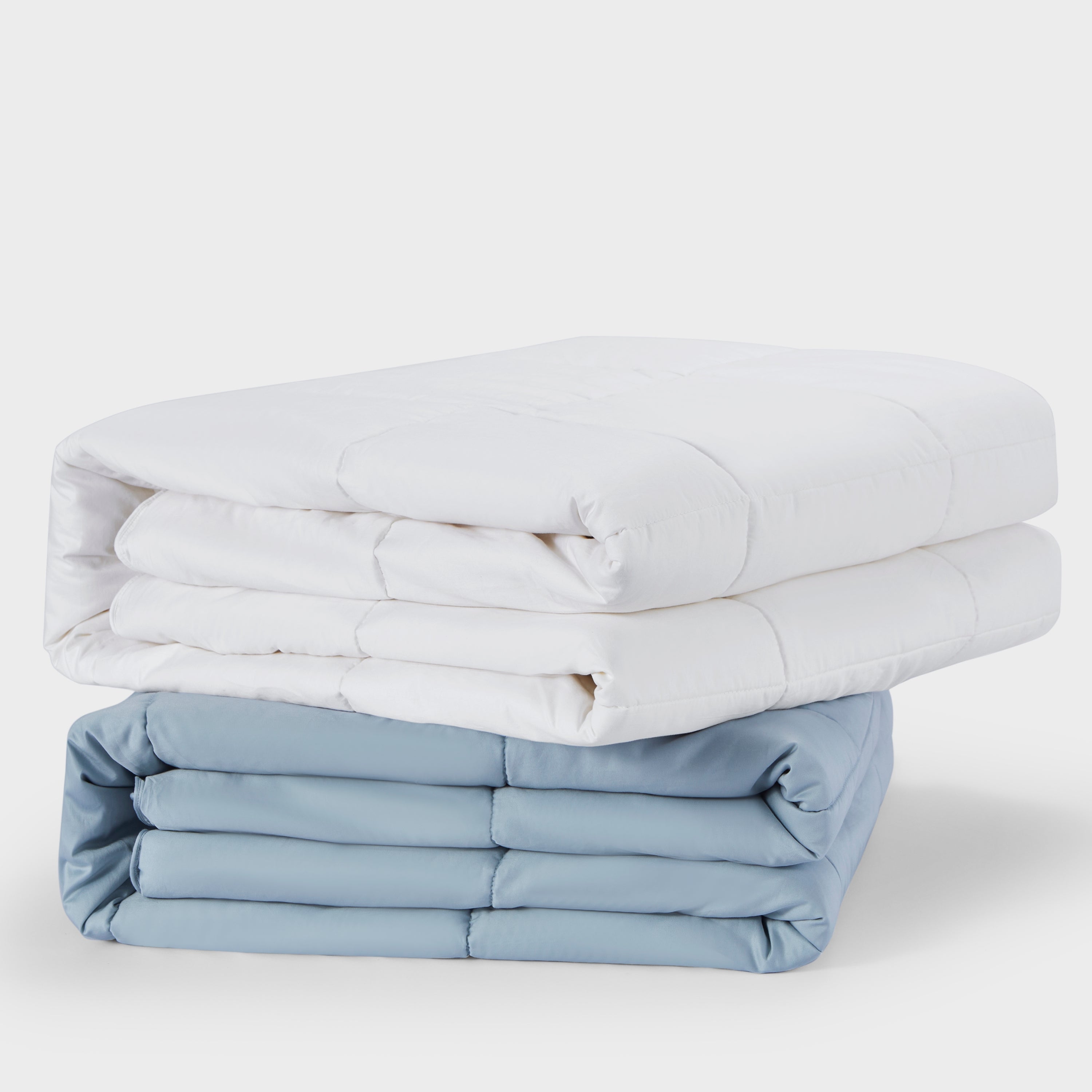


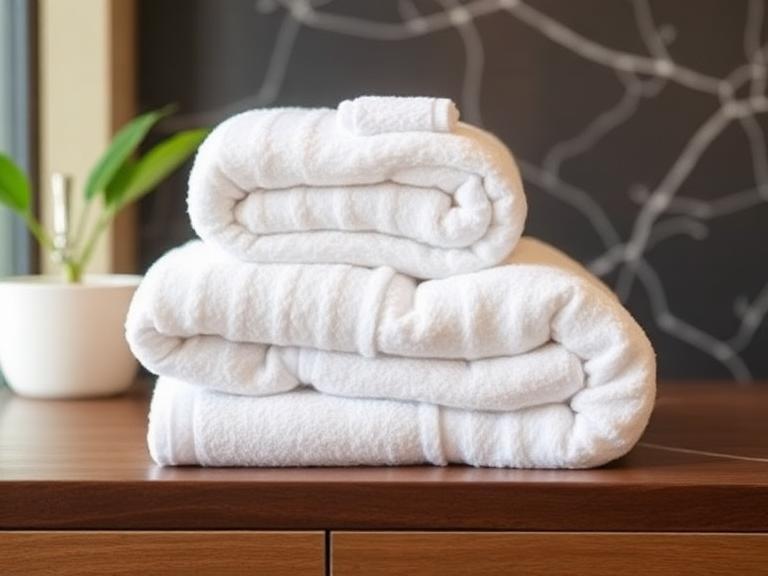
To Keep Hotel Towels White and Fluffy, commercial laundry operators rely on stripping chemical residue rather than adding more detergents. The definitive methodology requires cutting standard detergent usage by 50%, completely eliminating liquid fabric softeners which coat fibers in hydrophobic silicone, and utilizing white vinegar in the rinse cycle to dissolve mineral buildup. Furthermore, towels must be washed in warm (not scalding) water to prevent fiber shock, dried with mechanical agitation like wool dryer balls to break up clumps, and removed from the dryer while retaining 2% moisture to prevent heat damage. Applying this strict protocol eradicates the scratchy, grey, cardboard-like texture that destroys high-end cotton terrycloth.
Every commercial hospitality operator understands a brutal truth: a luxury guest experience can be completely derailed by a scratchy, discolored bath towel. When you manage a boutique hotel or a luxury rental, linen replacement costs will devour your profit margins if you do not understand the chemistry of fabric care. We see homeowners and property managers ruining thousands of dollars worth of premium Egyptian cotton every day simply because they follow bad advice from generic detergent commercials.

From our experience supplying and analyzing textiles in the hospitality industry, the secret to longevity is not buying a magic soap. It is understanding how hard water, alkaline detergents, and extreme heat physically destroy cotton fibers. If you want to replicate five-star resort standards, you must unlearn everything you thought you knew about residential laundry. In this uncompromising guide, we will outline the exact commercial protocols required to Keep Hotel Towels White and Fluffy, explain the thermodynamics of drying, and help you determine whether heavy traditional cotton is even worth the effort for your specific lifestyle.
Quick Answer: The 6 Rules of Towel Rehabilitation
- Rule 1: Ban Fabric Softener. It leaves a waxy silicone coating that destroys absorbency and makes towels stiff over time.
- Rule 2: Halve the Detergent. Using too much soap leaves an alkaline crust on the fabric. Less is more.
- Rule 3: Use the Vinegar Strip. Add half a cup of distilled white vinegar to the rinse cycle to neutralize hard water minerals and dissolve trapped soap.
- Rule 4: Ditch the Bleach. Chronic chlorine bleach usage breaks down cotton fibers, causing them to thin and turn permanently grey/yellow. Use oxygen bleach instead.
- Rule 5: Lower the Heat. Frying towels on high heat scorches the cotton. Dry on medium heat and pull them out just before they are bone-dry.
- Rule 6: Mechanical Agitation. Use wool dryer balls or clean tennis balls in the dryer drum to physically beat the fibers open, restoring their plush volume.
Table of Contents
- What It Is: The Chemistry of Towel Degradation
- How It Works: 6 Tips to Keep Hotel Towels White and Fluffy
- Commercial Benefits of Proper Textile Management
- Limitations of Traditional Cotton Terry
- Who Should Use These Laundry Protocols
- Who Does Not Need It (The Microfiber Alternative)
- Common Mistakes in Residential Laundries
- Buying Considerations: Cotton vs. Quick-Dry
- Expert Recommendation
- Essential Comparison Tables
- Frequently Asked Questions (FAQ)
What It Is: The Chemistry of Towel Degradation
To successfully Keep Hotel Towels White and Fluffy, you must diagnose why they become hard and dingy in the first place. The primary culprit is "residue stacking." When you wash a thick, 800 GSM (Grams per Square Meter) cotton towel, the loops of the terrycloth act like microscopic sponges. If you use a large capful of heavy-duty detergent, the residential washing machine's rinse cycle simply does not have enough water volume or mechanical force to wash all that soap out.
Over time, this leftover alkaline detergent binds with calcium and magnesium in hard tap water. This creates an invisible, cement-like crust on the cotton fibers. When the towel dries, it feels like sandpaper. Add the frequent use of chlorine bleach, which chemically attacks the protein structure of the cotton, and your bright white towels quickly shift to a dull, permanent yellow-grey.
How It Works: 6 Tips to Keep Hotel Towels White and Fluffy
1. Eradicate Liquid Fabric Softener

In most professional situations, finding liquid fabric softener in a commercial laundry room is a fireable offense. Fabric softeners and dryer sheets work by coating the fabric with a layer of silicone. While this feels slick to the touch initially, it renders the towel completely hydrophobic (water-repellent). A towel that cannot absorb water is useless. Furthermore, this waxy coating traps odors and dirt, accelerating the greying process.
2. Reduce Detergent Load by 50%
Modern high-efficiency (HE) washing machines use very little water. If you follow the measurement lines on the plastic detergent cap, you are overdosing your load by a massive margin. Cut your liquid or powder detergent by half. Your towels will still get clinically clean, but the machine will actually be able to rinse the soap away entirely, preventing the stiff "crust" that ruins fluffiness.
3. The Vinegar Strip Technique
Instead of fabric softener, pour half a cup of distilled white vinegar into the fabric softener dispenser. Vinegar is a mild acetic acid. It naturally neutralizes the high-pH alkaline residue left by laundry detergent and dissolves hard water mineral deposits. This forces the cotton fibers to relax and open up, restoring their natural, plush texture without leaving a salad-dressing scent behind.
4. Substitute Chlorine with Oxygen Bleach
Dumping raw chlorine bleach onto stains destroys the structural integrity of cotton. It weakens the threads until they snap, leading to threadbare towels. To Keep Hotel Towels White and Fluffy, transition to oxygen-based bleaches (like OxiClean or sodium percarbonate). Oxygen bleach lifts organic stains and brightens the optical whiteners in the fabric without chemically burning the cotton.
5. Master the Drying Thermodynamics
Heat is the enemy of longevity. Frying your towels on the highest heat setting literally bakes the cotton, making the fibers brittle. You must dry towels on a medium heat setting. More importantly, pull the towels out of the dryer when they are 98% dry. Letting them finish air-drying in a well-ventilated room prevents the severe heat damage that causes irreversible stiffness.
6. Deploy Mechanical Agitation
Fluffiness requires physical separation of the wet fibers. Throw three clean wool dryer balls (or clean tennis balls) into the dryer drum with your wet towels. As the drum spins, the balls physically beat the fabric, separating the heavy, clumped terrycloth loops and forcing hot air between them. This significantly reduces drying time and maximizes volume.
Commercial Benefits of Proper Textile Management
The financial impact of proper towel maintenance is staggering. By extending the lifecycle of a premium towel from 6 months to 24 months, hospitality operators drastically reduce overhead. For homeowners, it ends the frustrating cycle of replacing expensive bath linens every year. Furthermore, soft, hyper-absorbent towels are universally cited as one of the top metrics guests use to evaluate the cleanliness and luxury of a commercial accommodation.
Limitations of Traditional Cotton Terry
We must apply practical commercial judgment: maintaining thick cotton towels is labor-intensive and incredibly energy-demanding. If you run a high-turnover Airbnb or manage a busy household, waiting 90 minutes for a heavy cotton towel to dry in a machine is a severe logistical bottleneck. Heavy cotton also breeds bacteria and mildew rapidly if left in a damp bathroom, leading to the dreaded "sour towel" smell that no amount of vinegar can completely cure once it sets in deeply.
Who Should Use These Laundry Protocols
For commercial users and luxury homeowners: Five-star hotels, boutique bed-and-breakfasts, and homeowners who have invested heavily in 800+ GSM Egyptian or Turkish cotton towels must strictly adhere to these 6 tips. If you want a traditional, spa-like bathroom experience, this maintenance routine is the mandatory cost of entry.
Who Does Not Need It (The Microfiber Alternative)
For beginners, college students, travelers, and gym-goers: If you despise complex laundry routines, fighting mildew, or waiting hours for towels to dry, you should abandon traditional cotton entirely. The modern solution is advanced microfiber technology. Exploring the 5 Main Types of Fast-Drying Towels reveals that engineered synthetic fibers bypass the limitations of cotton completely.
If you need gear for a transient lifestyle, we highly advise looking into the 5 Best Quick-Dry Towels for College Students in 2026 or the 10 Best Quick-Dry Bath Towels for Travel & Camping in 2026. These towels require zero specialized chemistry to stay soft, resist bacterial growth naturally, and dry in a fraction of the time.
Common Mistakes in Residential Laundries
In our testing, the most frequent failure point is overloading the washing machine. If you cram ten thick bath towels into a residential drum, there is no physical room for water to circulate. The dirt and detergent simply redistribute evenly across the fabric rather than washing down the drain. You must leave at least 30% of the drum empty to allow for proper mechanical tumbling.
Buying Considerations: Cotton vs. Quick-Dry
When upgrading your linen closet, consider your environment. If your bathroom lacks heavy ventilation, thick cotton will inevitably smell sour. For daily, high-moisture environments, transitioning to advanced microfiber is the ultimate hack. For those looking to upgrade their home setup efficiently, reviewing the 13 Best Quick-Dry Bathroom Towels in 2026 provides a clear path away from the nightmare of damp, crusty cotton.
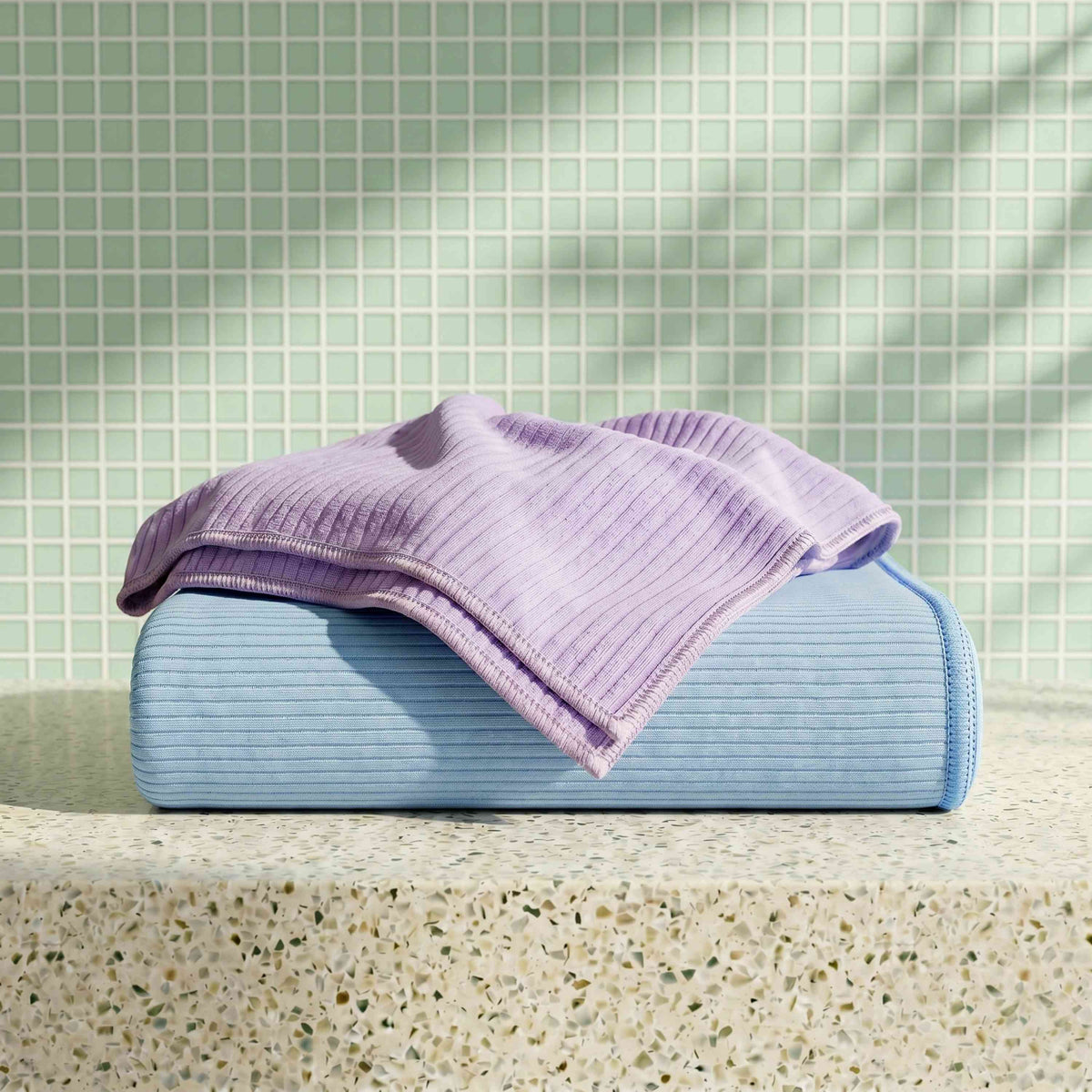
Souverhome Quick Dry Towel Premium Set
If you are exhausted by the grueling maintenance required to Keep Hotel Towels White and Fluffy, it is time to upgrade to advanced material science. This premium set completely eliminates the need for vinegar strips and tennis balls.
- Material: Dense, ultra-soft Microfiber.
- Dimensions: Large Bath Towel (31.5in x 51in) + Medium Hand Towel (31.5in x 23.5in).
- Properties: Super Absorbent, Antibacterial Fresh, Extremely Durable, and Hypoallergenic.
- Design: Features a functional elastic strap for easy rolling and a portable storage bag.
For those dealing with specific grooming routines, standard bath towels are notoriously damaging to hair cuticles. We strongly recommend reading about the 8 Fast-Drying Hair Towels for Curly Hair to prevent frizz and breakage caused by heavy cotton.
Expert Recommendation
The Souverhome Verdict

Is it actually worth using complex laundry chemistry to preserve traditional cotton? If you run a luxury hotel, yes, the operational protocols are mandatory. But for the modern, fast-paced homeowner, college student, or traveler, fighting the battle against hard water and detergent crust is an outdated waste of time.
We recommend bypassing the headache entirely. For heavy-duty applications like daily gym sessions, camping, or busy family bathrooms, upgrading to the Souverhome Quick Dry Towel Premium Set is the definitive commercial choice. You receive the luxurious softness and extreme absorbency of a five-star hotel towel, but with the antibacterial, rapid-drying engineering of modern microfiber. It is the ultimate fusion of comfort and zero-maintenance convenience.
Essential Comparison Tables
| Action | The Problem it Solves | The Scientific Result |
|---|---|---|
| Stop Fabric Softener | Silicone coating makes towels water-repellent. | Restores 100% absorbency to the cotton loops. |
| Halve Detergent | Unrinsed soap leaves a stiff, crunchy residue. | Prevents alkaline buildup and grey discoloration. |
| Use White Vinegar | Hard water minerals bind to fibers. | Acetic acid dissolves minerals, softening the fabric naturally. |
| Use Oxygen Bleach | Chlorine burns and weakens the cotton structure. | Safely lifts organic stains without degrading tensile strength. |
| Medium Heat Drying | High heat bakes the fibers, making them brittle. | Preserves cotton elasticity and prevents harsh shrinking. |
| Wool Dryer Balls | Wet, heavy terrycloth mats together in the drum. | Mechanically beats the fibers apart, restoring massive volume. |
| Feature | Traditional Cotton Terrycloth | Souverhome Microfiber |
|---|---|---|
| Drying Speed | Very Slow (Prone to mildew in damp rooms) | Ultra-Fast (Dries up to 4x faster) |
| Maintenance Level | High (Requires vinegar, heat management) | Very Low (Wash and go) |
| Weight / Portability | Heavy and bulky | Lightweight and highly compressible |
| Bacterial Resistance | Poor (Traps odors quickly) | Excellent (Antibacterial properties) |
| Pros (Why it is worth the effort) | Cons (The operational drawbacks) |
|---|---|
| Provides a classic, heavy, spa-like draped feeling. | Requires meticulous, multi-step laundry chemistry to prevent stiffness. |
| Excellent aesthetic presentation for high-end guest bathrooms. | Consumes massive amounts of dryer electricity due to water retention. |
| Highly durable if kept away from chlorine bleach and high heat. | Quickly develops a permanent sour smell if bathroom ventilation is poor. |
| Made from natural, breathable plant fibers. | Takes up significant physical storage space in linen closets. |
| User Profile | Recommended Towel Type | Reasoning |
|---|---|---|
| Luxury Home / Guest House | 800 GSM Egyptian Cotton | Guests expect traditional, heavy-weight luxury and you have the laundry capacity to maintain it. |
| College Student / Dorms | Quick-Dry Microfiber | Shared laundry facilities and small rooms make fast-drying, antibacterial towels mandatory. |
| Gym Enthusiast / Swimmer | Quick-Dry Microfiber (Gym Specific) | You need a towel that won't stink after sitting in a duffel bag for 6 hours. See the 8 Best Quick-Dry Bath Towels for Gym in 2026. |
| Traveler / Backpacker | Ultralight Microfiber Set | Weight and packing volume are critical constraints. |
Frequently Asked Questions (FAQ)
How do hotels keep their towels so white without using bleach?
In most professional situations, high-end hotels avoid raw chlorine bleach because it degrades the cotton over time, turning it a dingy yellow. Instead, they use commercial oxygen-based bleaches (sodium percarbonate) combined with industrial water softeners. They also wash towels at precise temperatures (around 140°F) to activate specific laundry enzymes that lift organic stains and body oils without destroying the fabric's tensile strength.
Why did my towels become stiff and scratchy after a few months?
Stiff towels are the result of residue buildup. Using too much laundry detergent creates an alkaline layer that your machine cannot fully rinse out. When this soap residue combines with hard water minerals (calcium and magnesium) and is baked in a dryer on high heat, it forms a hard crust over the cotton loops. Using a half-cup of white vinegar in your rinse cycle acts as an acid to dissolve this crust and restore softness.
Is fabric softener bad for bath towels?
Absolutely. Liquid fabric softeners and dryer sheets work by coating textiles in a microscopic layer of silicone. While this makes the towel feel slick and soft initially, silicone is hydrophobic—meaning it repels water. A towel coated in fabric softener will push water around your body rather than absorbing it. It also traps mildew-causing bacteria inside the fibers. Never use fabric softeners on any bath towel, whether it is cotton or microfiber.
Authoritative Industry References
To ensure your laundering practices meet commercial safety, hygiene, and textile integrity standards, we recommend consulting the following authoritative bodies:
- The American Cleaning Institute (ACI) - Provides definitive, science-based guidance on detergent chemistry, water hardness impacts, and fabric care best practices.
- Centers for Disease Control and Prevention (CDC) - Outlines strict environmental infection control guidelines for processing and maintaining hygienic commercial laundry in hospitality and healthcare settings.
- ASTM International - The leading organization for standardized testing methodologies, dictating the structural evaluation of textiles, water absorbency rates, and fabric tensile strength degradation.

Leave a comment
This site is protected by hCaptcha and the hCaptcha Privacy Policy and Terms of Service apply.