
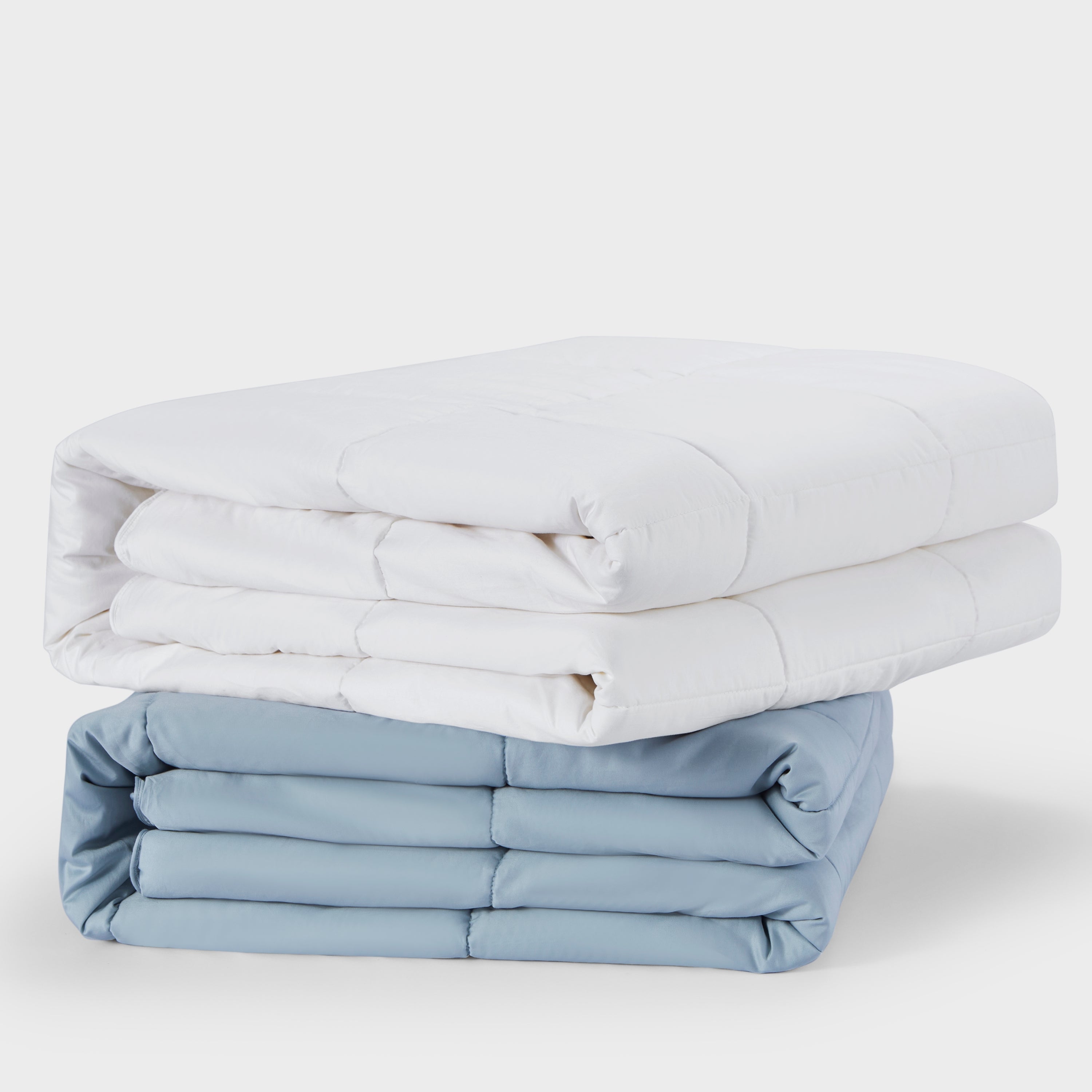
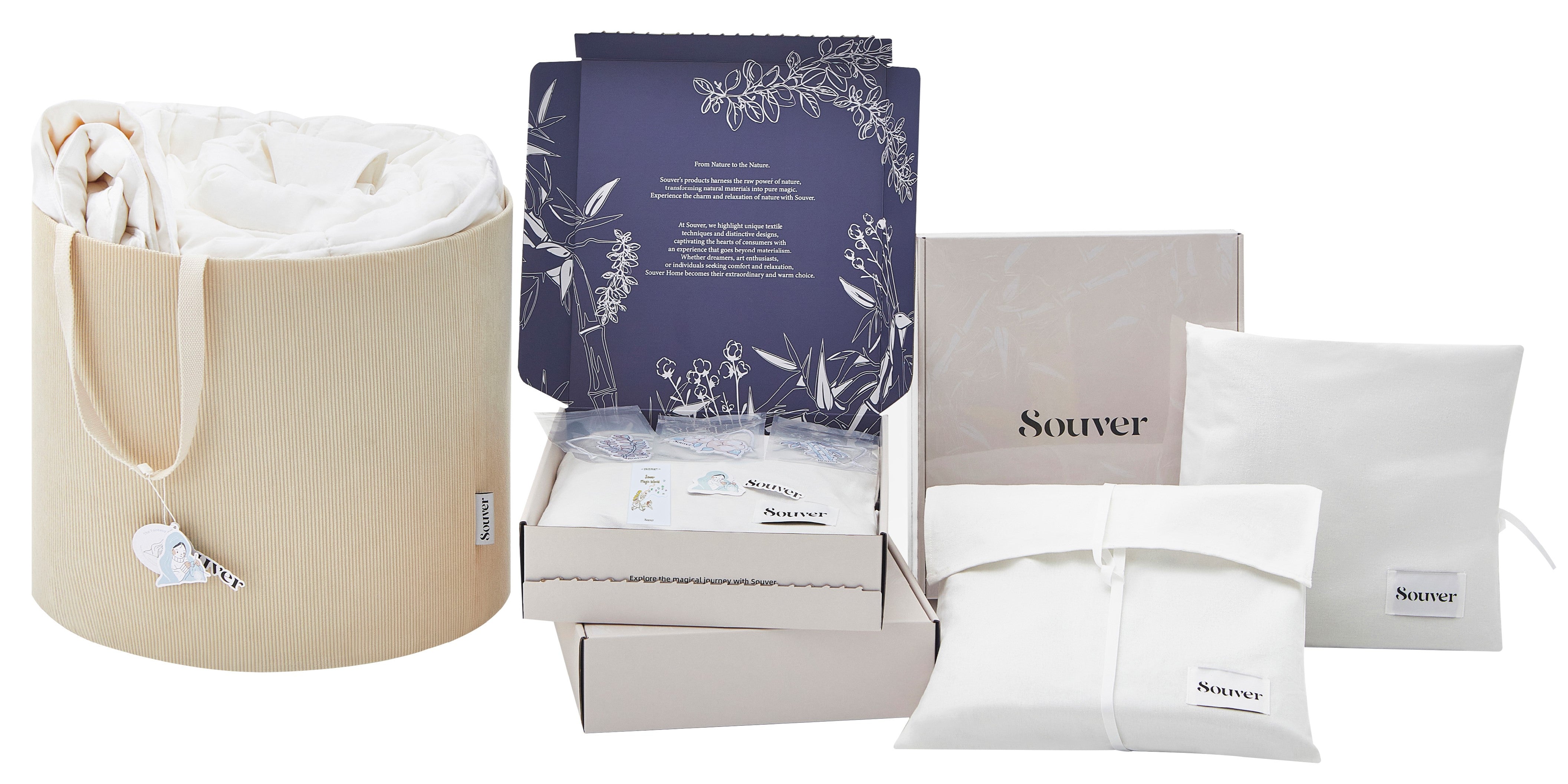


The Heritage of Souver Home
In the realm of textiles, where beauty meets warmth, there stands a masterful woman of exceptional skill—my grandmother. She devoted her youth to the textile industry and passed down her unique and exquisite craftsmanship to generations. Her love for textiles surpassed ordinary passion; each thread she wove carried profound insights into the artistry and an unwavering pursuit of beauty.

The enchanting tale of Souver traces back to my childhood, where my grandmother spun a magical world through her intricate weavings. Every textile she painstakingly crafted was a miraculous spell, each fiber an intertwining of her boundless love. Immersed in her stories, I developed a deep fascination and admiration for the textile industry, eventually leading to the founding of Souver Home. Our mission is to bridge the gap between traditional craftsmanship and modern luxury, specifically through the curation of the finest materials available.
What is Silk? A Technical Overview
Silk is a natural protein fiber, some forms of which can be woven into textiles. The protein fiber of silk is composed mainly of fibroin and is produced by certain insect larvae to form cocoons. While the term silk is often used broadly, the distinction between high-end cultivated silk and other varieties is critical for consumers who demand durability, luster, and hypoallergenic properties.
To understand the difference between mulberry silk and other silk varieties, one must first appreciate the sericulture process. Cultivated silk, most notably Mulberry silk, is produced by the Bombyx mori silkworm. These worms are kept in controlled environments and fed a strict diet of mulberry leaves. This controlled environment is the primary driver of quality, ensuring the resulting fibers are long, uniform, and exceptionally smooth.
The Unique Profile of Mulberry Silk
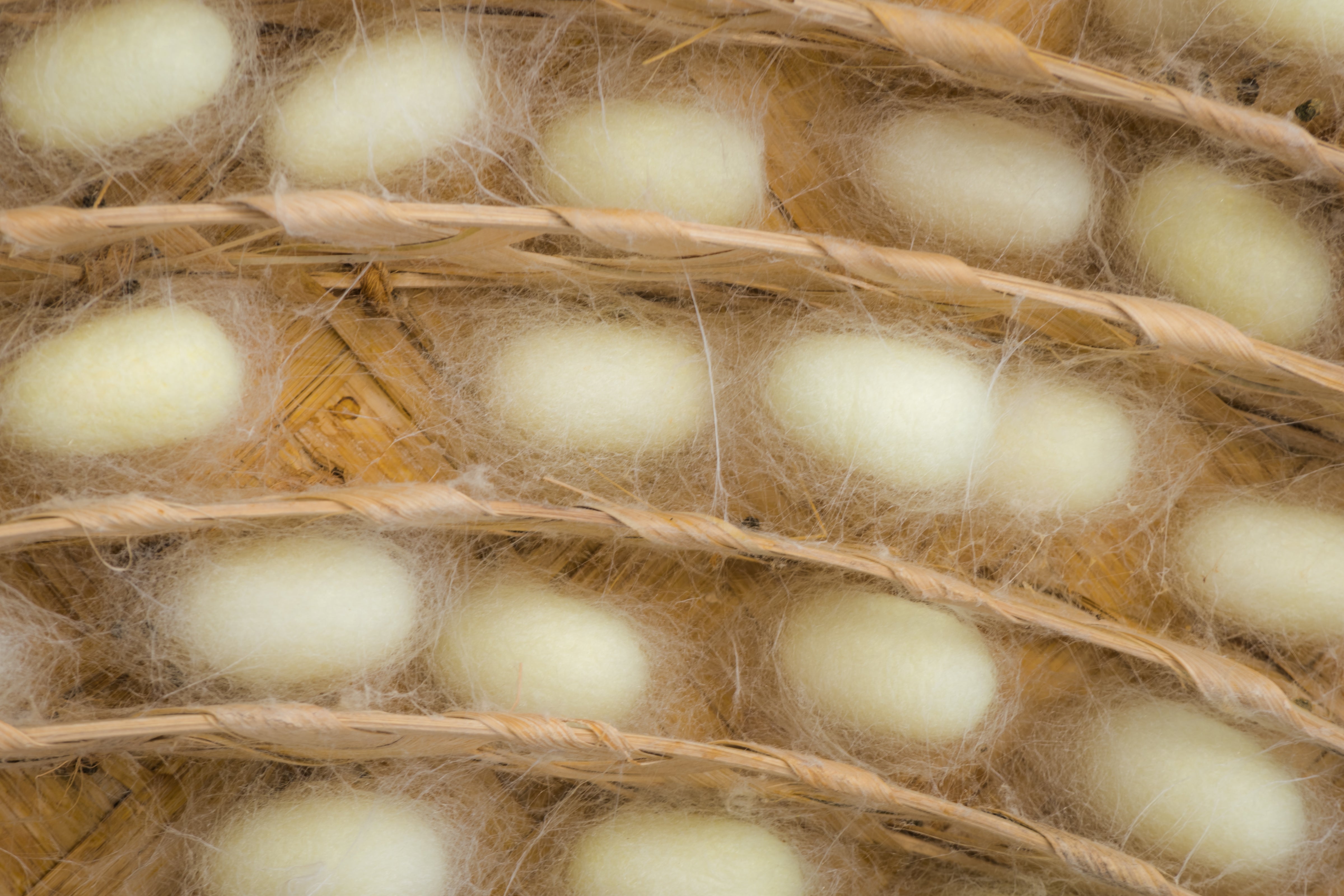
Mulberry silk is widely considered the gold standard in the textile industry. Unlike wild silk, which is harvested from cocoons found in nature, Mulberry silk is a product of centuries of refinement in sericulture. The fiber itself is smoother, stronger, and more uniformly shaped than any other natural fiber. When viewed under a microscope, a Mulberry silk fiber appears as a smooth, rounded, and uniform rod. This structural integrity is why it is preferred for silk bedding collection designs that require longevity and comfort.
Furthermore, because the silkworms are kept in a protected environment, the fibers produced are free from the impurities and debris that often contaminate wild silk varieties. This purity allows the silk to be processed without harsh chemicals, retaining its natural sheen and strength. For those looking to understand the technical nuances, our guide on what is 6A mulberry silk provides a granular look at how we grade our material to ensure maximum performance.
The Difference Between Mulberry Silk and Other Silk Varieties
When evaluating the difference between mulberry silk and other silk varieties, industry experts look at several metrics: fiber length, color, texture, and ecological footprint. Most consumers are unaware that not all silk is created equal.
Mulberry Silk vs. Tussah (Wild Silk)
Tussah silk, often referred to as wild silk, is harvested from the cocoons of wild silkworms. These worms feed on diverse leaves, resulting in fibers that are thicker, shorter, and less consistent. Tussah silk is naturally tan or copper-colored and is much coarser to the touch. Because the fibers are broken when the moth emerges from the cocoon, Tussah silk must be spun like cotton or wool, which compromises the tensile strength and the signature smoothness of luxury silk.
Mulberry Silk vs. Eri Silk
Eri silk, also known as peace silk, is produced by the Samia cynthia ricini silkworm. It is often lauded for being cruelty-free as the moth is allowed to emerge from the cocoon before harvesting. However, because the fiber is harvested after the moth has emerged, the long filament is broken. Like Tussah, it must be spun, resulting in a matte, wool-like texture. While it has its niche uses, it lacks the luminous luster and drape that defines the high-end silk filled duvet all seasons options we provide.
Quick Reference Comparison Table
| Feature | Mulberry Silk | Tussah (Wild) Silk | Eri Silk |
|---|---|---|---|
| Source | Bombyx mori (Cultivated) | Antheraea (Wild) | Samia cynthia (Domestic/Wild) |
| Texture | Smooth, Lustrous | Coarse, Matte | Soft, Wool-like |
| Fiber Length | Continuous Filament | Short/Broken | Short/Broken |
| Color | Creamy White/Off-White | Tan/Brown/Copper | Off-white/Beige |
| Best Use | Luxury Bedding, Sleepwear | Heavy Textiles, Upholstery | Shawls, Winter Wear |
From Our Experience: Why Selection Matters
From our experience, the difference between mulberry silk and other silk varieties is not merely academic—it is a tangible difference in the quality of sleep and skin health. We often hear from customers who have purchased cheaper, blended silk products that feel rough or degrade after only a few months. In the textile industry, the grade of the silk is paramount. We recommend prioritizing 6A long-strand Mulberry silk, as it offers the highest level of durability and the smoothest surface.
When you choose a best silk pillowcases for skin option, you are not just buying a textile; you are investing in a low-friction surface that minimizes skin irritation and hair breakage. Lower-grade silks or silk blends often lack the necessary sericin proteins and filament length to provide these beauty benefits effectively. We have curated a list of the top silk pillowcases 2025 to help you navigate these options. Understanding the nuances, such as those detailed in our mulberry silk grades explained article, is essential for every discerning homeowner.
Summary: Choosing the Right Silk
If you are looking for the pinnacle of luxury, durability, and health benefits, Mulberry silk is the undisputed choice. While other varieties have their place in industrial or specific artisanal applications, they generally do not meet the standard required for high-end home textiles. For a truly restorative sleep experience, always verify the source and grade of the silk.
Frequently Asked Questions
Why is Mulberry silk more expensive than other types?
Mulberry silk requires significantly more effort to produce. The silkworms are fed an exclusive diet of mulberry leaves, and the environment is climate-controlled to ensure the health of the worms and the quality of the cocoons. This, combined with the process of carefully reeling long filaments rather than spinning shorter, broken fibers, results in a higher cost of production.
Is all 100% pure silk the same?
No. 100% pure silk only denotes that the fabric is made of silk proteins. It does not speak to the variety of the silkworm, the grade of the silk, or the length of the fibers. You can have 100% pure Tussah silk which will have a completely different feel and durability compared to 100% pure Mulberry silk.
How can I identify genuine Mulberry silk?
Genuine Mulberry silk will have a smooth, uniform texture without significant lumps or "slubs." It should feel soft and cool to the touch. When checking labels, look for the grading (6A is the highest). Avoid products that are marketed simply as "silk" without specifying the variety or origin, as these are often low-grade or blended fibers.
Does Souver Home offer other silk types?
At Souver Home, we focus exclusively on 6A Mulberry silk for our bedding collections. Our commitment is to quality and the specific benefits that only high-grade Mulberry silk can offer. You can explore our our articles and products to learn more about our specific offerings.
References:
International Sericultural Commission (ISC). (2025). Global Silk Statistics and Fiber Properties.
Textile Research Journal. (2024). Comparative analysis of Bombyx mori vs. Wild Silk fibers in textile applications.
Souver Home Editorial Team. (2026). Industry Standards for Mulberry Silk Grading.

Leave a comment
This site is protected by hCaptcha and the hCaptcha Privacy Policy and Terms of Service apply.